The Truth About Vibe Coding: You Can Skip Writing Code, But You Can't Skip Understanding It
The Truth About Vibe Coding: You Can S…
In the Vibe Coding era, you can skip writing code but not understanding it—AI amplifies ability, not replaces it.
Using a Linux environment configuration issue as a starting point, this article argues that the core skill of Vibe Coding isn't getting AI to write code—it's knowing what to ask. The social media narrative of "build projects without writing code" is a marketing illusion. In real engineering, people who don't understand code face endless token burns on environment configs and dependency conflicts without resolution. AI is a capability magnifier that amplifies existing skills but cannot replace technical judgment.
A Simple Problem That Sparked a Deeper Thought
While working on a computer vision project, I ran into a classic issue in a Linux environment: the system couldn't find the python command—only python3. This problem has historical roots. The separation of python and python3 commands in Linux stems from a legacy design decision during the decade-long transition from Python 2 to Python 3. Many Linux distributions deliberately don't point python to python3 to avoid breaking system scripts that depend on Python 2. The fix is usually creating a symbolic link or setting up an alias in your shell config file (like .bashrc). For any programmer, this is just an alias problem—open GPT, describe the issue, copy-paste the solution, run it, done.
But the truly interesting part isn't the answer GPT gave me. It's that I knew what I was asking. I knew this wasn't a code bug or a broken model—it was a classic Linux environment configuration issue.

Knowing "What to Look Up" Is the Core Skill of Vibe Coding
No programmer can memorize every Linux command, nor every syntax detail of every C++ or Python library. Every programmer looks things up as needed. But the crucial difference is: programmers know what to look up.
This brings to mind that classic story: a factory machine breaks down, the boss calls in an engineer, the engineer takes one look, draws a circle on the machine, and the problem is fixed. When the boss questions why drawing a circle costs so much, the engineer's invoice reads: drawing the circle—$1; knowing where to draw it—$9,999.
Vibe Coding today works on exactly the same principle.
The term "Vibe Coding" was coined by OpenAI co-founder Andrej Karpathy in early 2025 and quickly gained traction. It refers to a programming paradigm where developers primarily describe their intent in natural language, let AI generate the code, and barely write any code themselves. The term was rapidly amplified by social media, morphing into a narrative symbol of "anyone can code"—and that's precisely where the problem lies.
The Vibe Coding Illusion on the Internet
Open social media and you'll see an avalanche of content like:
- "I can't write a single line of code, but I built a project with AI"
- "I'm not a programmer, but I can have AI write four or five apps a day"
- "Coding skills won't matter anymore—you just need to know how to talk to AI"

The subtext of these posts is almost always: follow me, buy my course, and if you don't jump on the Vibe Coding bandwagon now, you'll be left behind. The result? Your daily anxiety list grows from 100 items to 101. You end up buying a pile of courses, burning through a mountain of tokens, and producing nothing.
The Harsh Reality of AI-Assisted Programming in Real Engineering
Real engineering isn't as polished as a demo showcase. In real projects, you'll hit a wall of issues:
- Python command not found
- Virtual environment not activated
- Wrong library version
- Dependency conflicts
- Port already in use
- Incorrect file paths
Each of these problems is simple on its own, but if you have zero understanding of code or environments, you can't even identify which category a problem belongs to.

All you can do is keep asking AI, and AI—especially in Agent mode—will scan files, interpret the environment, guess dependencies, invoke tools, and then attempt a fix. This process burns tokens at an alarming rate. Understanding the technical reason matters: Agent modes in models like Claude and GPT autonomously plan and execute multi-step tasks, with each step's "thinking," tool invocation, and result parsing consuming substantial tokens. Unlike single-turn Q&A, Agents perform extensive exploratory operations when dealing with ambiguous problems, causing token consumption to grow exponentially. You might type a simple question into Claude, watch it spend 20 minutes and $5 worth of tokens, and still not get the problem solved.
But an experienced engineer looking at the same issue might pinpoint the cause in 10 seconds.
Understanding Vibe Coding Correctly: AI-Assisted, Not AI-Replaced
The correct understanding is absolutely not "I can't write code but I can build software." Sure, firing off a prompt and getting a webpage or a calculator built feels great. But the moment a project grows slightly larger, slightly more complex, or requires long-term maintenance, the consequences become catastrophic.

You can let AI generate code for you, but you must have the ability to judge what AI is doing. Otherwise, you're not directing AI—AI is dragging you along.
Conclusion: AI Is a Magnifying Glass, Not a Replacement
AI is a magnifying glass—it amplifies your existing capabilities, but it cannot grow new ones for you.
This is the core insight of the Vibe Coding era:
- You can skip writing code, but you can't skip understanding it—you need to grasp fundamental programming concepts and engineering environments
- Knowing what to ask matters more than getting answers—diagnostic ability is something AI cannot replace
- There's a chasm between a demo and a product—maintenance, debugging, and scaling are the real challenges
When the tide goes out, you find out who's been swimming naked. Rather than chasing anxiety-driven marketing, invest in building your own technical judgment. AI will make the strong stronger, but it won't turn outsiders into experts.
Related articles
 Expert Opinions
Windsurf CEO Deep Dive Interview: Speed Is the Only Moat
Windsurf CEO Varun Mohan shares insights on AI coding IDE pivots, product methodology, async Agent challenges, and differentiation strategy vs Cursor. Speed is the only moat.
 Expert Opinions
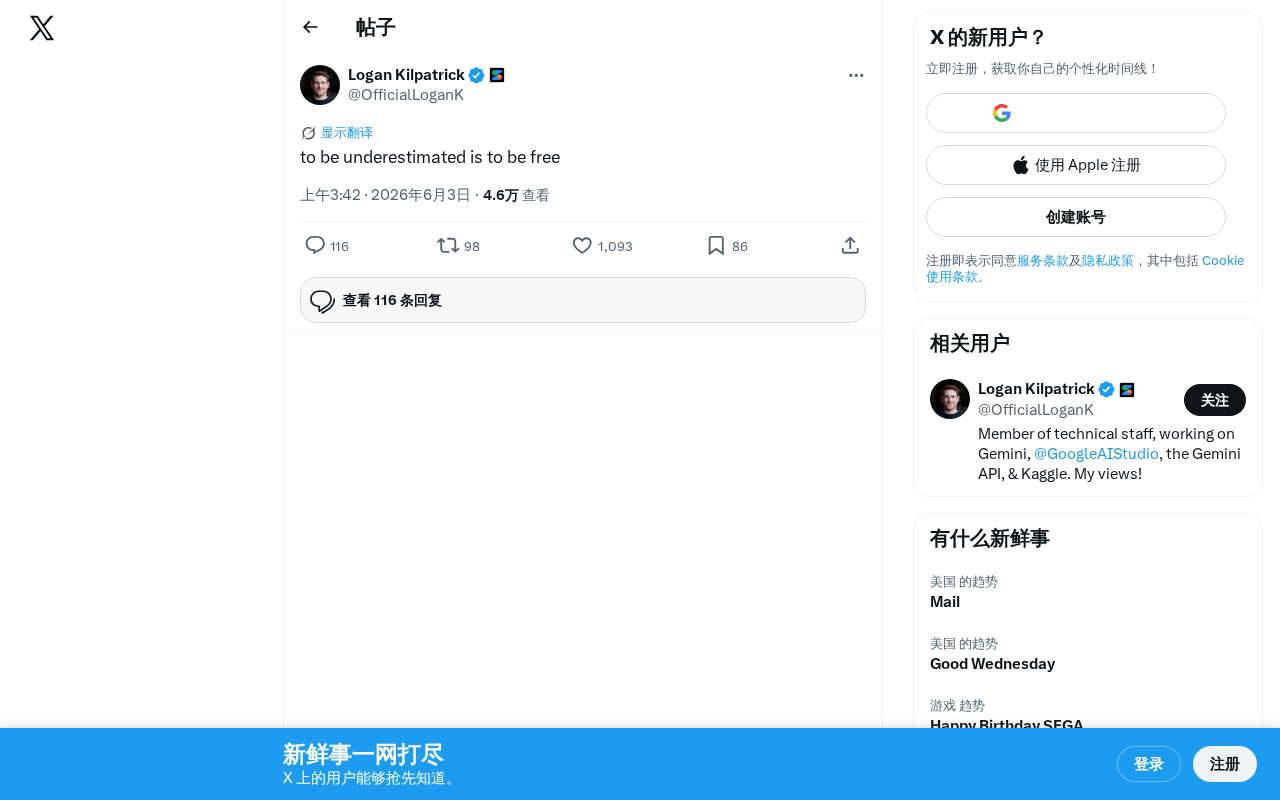
Being Underestimated Is Freedom: A Contrarian Competition Philosophy for the AI Era
Exploring the contrarian strategy of 'being underestimated is freedom' in AI. From OpenAI to DeepSeek to Cursor, why staying under the radar beats standing in the spotlight.
How the Protestant Work Ethic Was Hija…
How the Protestant Work Ethic Was Hijacked: From Protecting Workers to Oppressing Them
Philosopher Elizabeth Anderson reveals how the Protestant work ethic was twisted from a worker-protecting ideal into a tool of oppression—and what it means for the AI era.