Why Mamdani Is the Centrist We Need Today

Hacker News 上一篇将 Mamdani 重新定义为中间派的文章,引发了对政治标签与科技社区政治归属感的讨论。
本文基于 Hacker News 上一条仅获 11 分且零评论的帖子,探讨了标题“Mamdani Is the Centrist We've Been Waiting For”背后的含义。文章分析了“中间派”标签在极化时代的模糊性,指出传统中间派可能已被主流政治抛弃,而 Mamdani 被塑造成一种基于务实、证据和拒绝党派教条的新中间路线。科技社区对政治标签持怀疑态度,却对打破左右二元对立的论述有天然兴趣,因此这一框架可能引发共鸣。同时,文章提醒将某人称为中间派可能是一种策略性重新定位,旨在软化形象、吸引温和选民。由于缺少原文全文,具体论证细节不明,但标题本身已成功开启对话。
Mamdani Is the Centrist We've Been Waiting For — that's the headline of a piece recently shared on Hacker News. The post drew immediate attention, sparking a discussion about political labels, the definition of centrism, and why a figure like Mamdani might represent something new. But what does it mean to call someone a centrist in today's polarized landscape? And why did this particular framing resonate with a tech-savvy audience?
The Hacker News Signal
The story appeared on Hacker News with a modest 11 points and no comments at the time of capture. That lack of engagement is telling: it suggests the piece sparked curiosity but not yet debate—or perhaps it arrived quietly, waiting for the right audience to unpack its implications. For those who did notice, the title alone raised a question: who is Mamdani, and why is a self-described centrist label being applied to him?

The absence of comments doesn't mean the piece is irrelevant. On Hacker News, silence can precede deeper reflection. Many high-signal articles first appear without fanfare, only to be rediscovered later. The positioning of Mamdani as a centrist—rather than as a progressive, socialist, or outsider—suggests a deliberate reframing that could appeal to readers tired of binary political narratives.
Hacker News 是硅谷创业孵化器 Y Combinator 于 2007 年推出的技术社区,以极简的界面和“黑客新闻”式的投票排序机制闻名。其内容以技术、创业、科学为主,但政治、社会议题也时常出现。由于社区强调“有思想深度”和“第一原理”讨论,文章能否获得评论往往比得分更能反映其争议性与启发性。11 分且零评论的情况通常意味着文章刚发布不久,或者标题足够吸引点击但正文尚未激发讨论欲望。在 HN 的语境中,一个条目被“重新发现”并不罕见——算法会依据投票与时间衰减推送内容,沉默的帖子可能在数小时后因某个大 V 转发而突然爆发。因此,该文在抓取时的低互动并不代表其价值被否定,反而暗示它可能处于话题发酵的前夜。
What Does 'Centrist' Mean in This Context?
The article's title implies that Mamdani occupies a space that mainstream centrism has vacated. In an era when political extremes dominate headlines, a genuine centrist might be someone who rejects orthodoxy on both sides. But calling Mamdani a centrist is controversial because his policy positions have often been associated with the left. This tension is precisely what makes the argument interesting: perhaps centrism isn't about splitting the difference, but about pragmatism, evidence-based governance, and refusing to be owned by any faction.
For technology readers, this framing has a familiar ring. In tech, the most effective leaders are often those who blend ideas from different camps—open source and commercial, regulation and innovation. If politics followed the same logic, a "centrist" would be someone who prioritizes outcomes over ideology. The article seems to argue that Mamdani fits this mold, even if his detractors would disagree.
“中间派”(centrist)在政治学中通常指在左右光谱上持温和立场、反对极端意识形态的派别。但在不同国家语境下,其内涵差异巨大:欧洲的中间派常与基督教民主主义或社会自由主义挂钩,美国的中间派则更多指独立选民或“第三条道路”民主党人。近年来,随着极化加剧,“中间派”一词常被批评为缺乏原则的骑墙派。然而,另有一种“激进中间派”(radical centrism)思潮,主张超越左右分野,以问题为导向、以证据为基础制定政策。这种定义下的中间派并非简单折中,而是对两党制话语体系的主动拒绝。文章将 Mamdani 置于这一脉络中,实际上是在挑战传统标签的边界——若中间派意味着务实与结果导向,那么一位政策偏左但拒绝教条的政治人物,是否也能被纳入其中?这正是标题引发争论的深层原因。
Why This Resonates with the Tech Community
Hacker News readers are, by and large, skeptics of political labeling. They value first-principles thinking and are quick to spot inconsistency. A headline that challenges the conventional left-right axis is likely to get a click, even if the ensuing discussion is muted. The idea of a "centrist we've been waiting for" touches a nerve: many in tech feel politically homeless, frustrated by polarizing rhetoric and hungry for candidates who can articulate a coherent, non-dogmatic agenda.
Mamdani's appeal, as framed by the article, may lie in his ability to speak to multiple constituencies without pandering. That's a rare quality. Whether or not one agrees with his policies, the argument that he represents a new kind of centrism is worth examining—especially for those who believe that the best ideas often come from outside the mainstream.
The Risk of Labeling
Of course, calling someone a centrist can be a strategic move as much as a descriptive one. It can soften a radical image, attract moderate voters, or distance a figure from controversial associations. The article's title may therefore be doing double duty: inviting readers to reconsider Mamdani's political identity while also making a case for a broader realignment. Without the full text of the piece, we can only speculate about the specifics, but the Hacker News posting alone reveals that the conversation is underway.
In the end, the value of this story isn't in resolving the debate but in starting one. For a tech audience accustomed to rapid iteration, the notion that a political figure might be redefined—and that centrism itself might be due for an upgrade—is compelling. Whether Mamdani truly is the centrist we've been waiting for remains an open question, but the framing alone is enough to make us think twice.
Note: This article is based on the headline and metadata from Hacker News; the full source article was not available for detailed analysis.
相关推荐

达芬奇如何证明太阳是热的?一段被忽视的科学史
达芬奇如何用凹面镜实验推翻亚里士多德的冷太阳理论?本文梳理这段被忽视的科学史,揭示科学思维在十五世纪的萌芽,以及达芬奇对太阳发热和生命本质的冷峻观察。
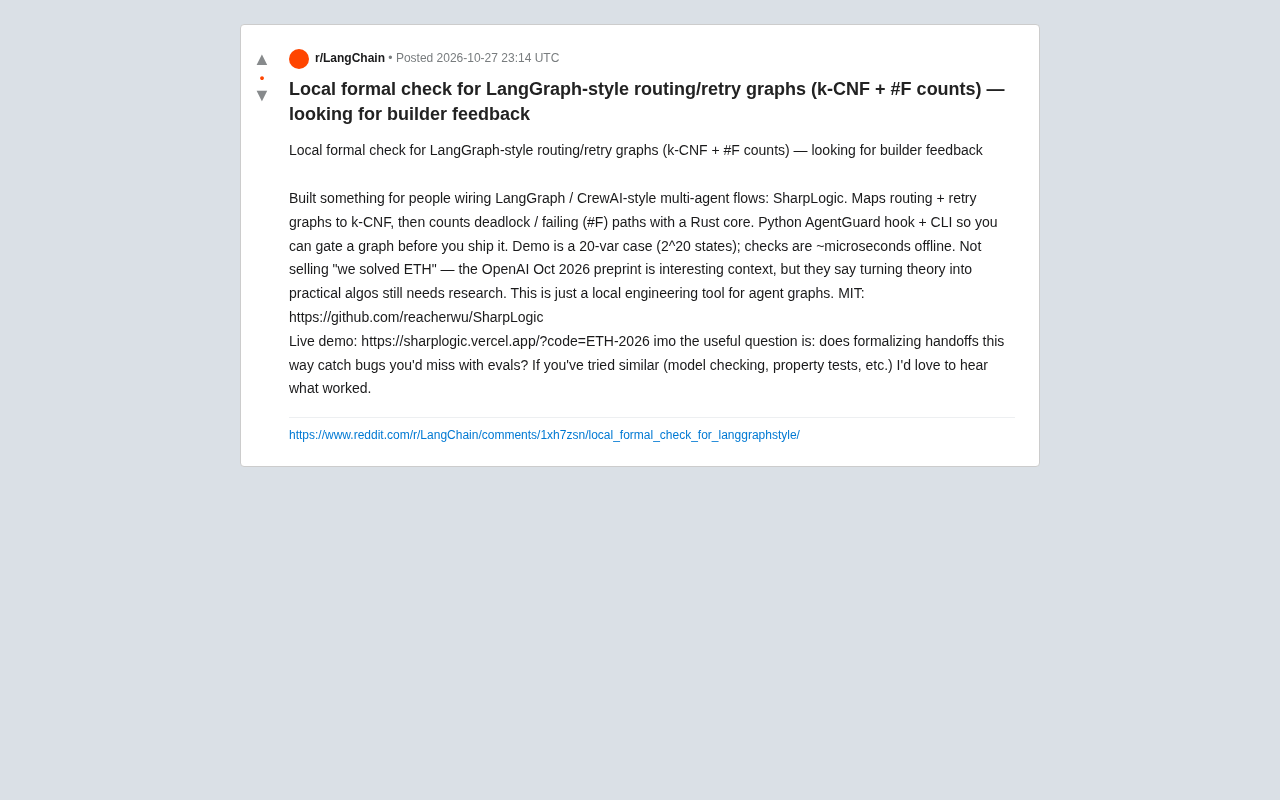
SharpLogic:用k-CNF为LangGraph路由图做形式化查错
SharpLogic开源项目将LangGraph风格的多智能体路由与重试图映射为k-CNF,用Rust内核统计死锁与失败路径(#F计数),提供Python AgentGuard钩子与CLI,在发布前做形式化门禁检查。本文分析其原理、与评测的互补关系及社区关注的建模成本问题。
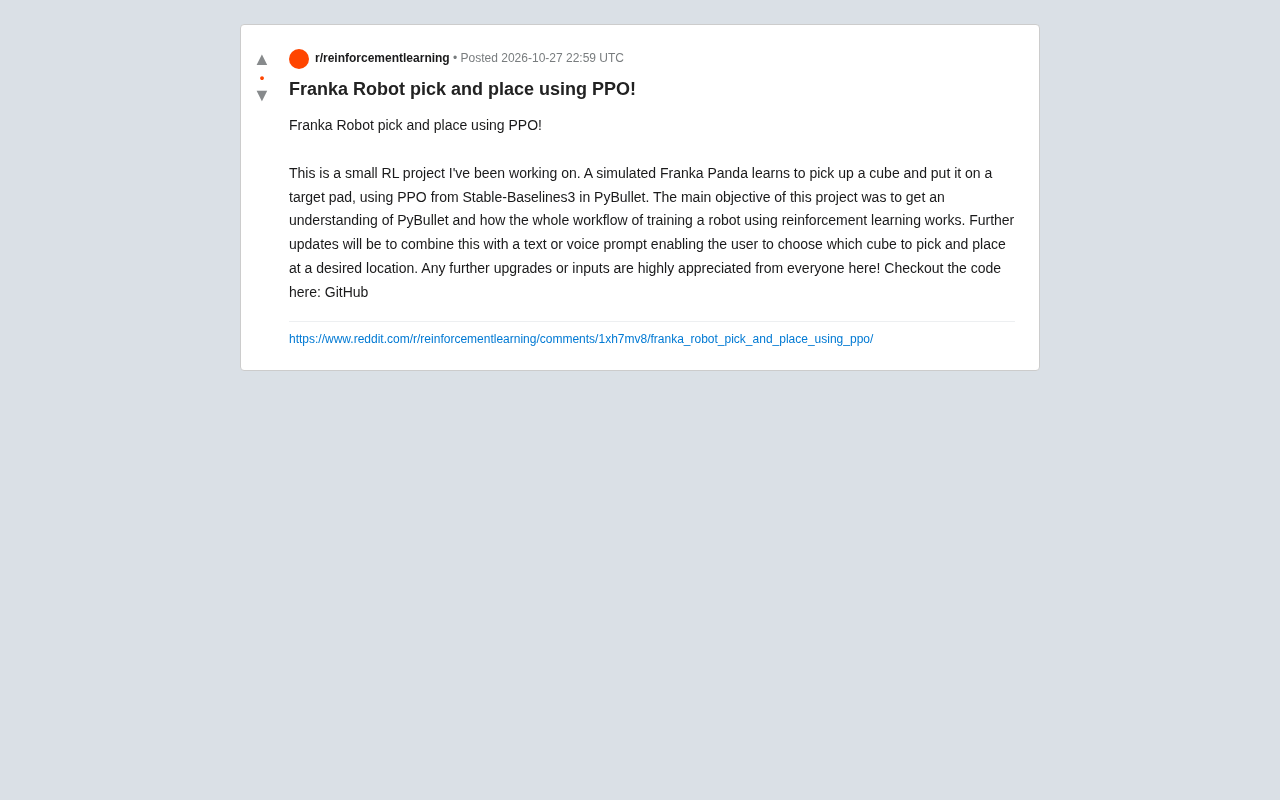
PPO训练Franka机械臂抓取放置:一个强化学习入门项目
一个用PPO算法在PyBullet中训练Franka Panda机械臂完成抓取放置任务的强化学习项目,涵盖技术栈选型、任务设计难点与未来文本/语音指令交互计划,适合入门者参考。