A Conversation with the RIAA CEO: From Napster to the AI Era, Behind the Scenes of the Copyright Wars
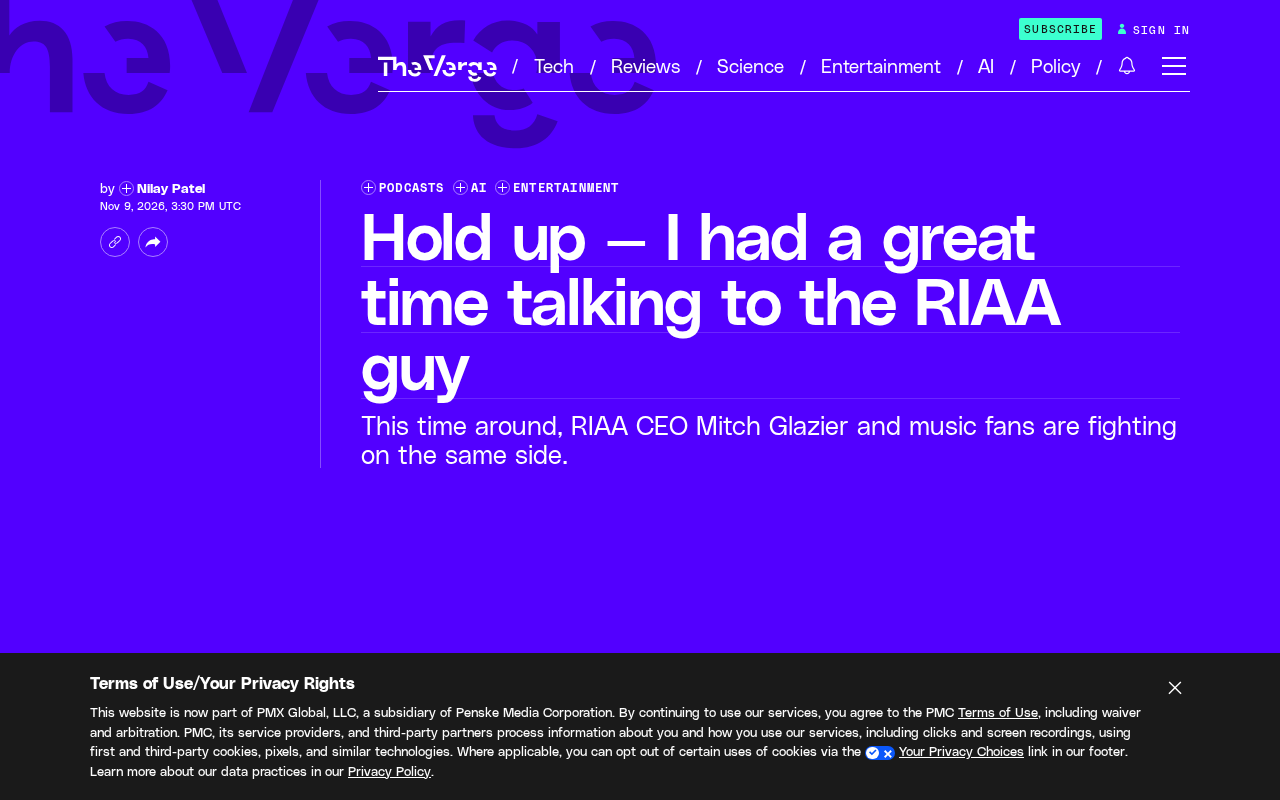
RIAA CEO Mitch Glazier reviews the evolution of copyright strategy and image reshaping from Napster to the AI era.
Based on a podcast conversation, this article traces the RIAA's strategic shifts from the Napster lawsuit to AI-era copyright governance. Glazier notes that while the Napster lawsuit caused a PR crisis, it established digital copyright principles that paved the way for lawful streaming. Facing streaming splits and AI music, the RIAA now favors lobbying and platform cooperation, advocating "authorize first, use later" for AI training.
A Long-Overdue Conversation: From Napster to the RIAA
Many people's impression of the RIAA (Recording Industry Association of America) is still stuck on the high-profile Napster lawsuit from more than two decades ago—suing college students who downloaded music, which made the RIAA something of a "villain" in the public eye for a time. But in this episode, the podcast host admits that it was precisely that history that prompted him to devote himself to the field of copyright law, and now, in conversation with RIAA CEO and Chairman Mitch Glazier, it feels rather like "closing the loop."
This conversation doesn't dwell on settling accounts with the past; instead, it brings the camera back to the present: as issues like AI-generated music, streaming revenue splits, and copyright enforcement intertwine, what changes are taking place in the RIAA's role and strategy? Glazier, as an industry leader who has lived through the era from Napster to AI, offers a perspective that provides a window into understanding the evolution of the copyright industry.
The RIAA (Recording Industry Association of America) is the trade organization of the American recording industry, with members including major record labels. Its core functions include representing the industry in copyright enforcement, lobbying for legislation, and promoting industry standards. In the Napster case, the RIAA filed suit on behalf of record companies and was highly controversial for its strategy of mass litigation against individual users. Understanding the RIAA's positioning helps grasp the subsequent discussion: it is not a government agency but an industry association driven by its industry members, and its strategic shifts often reflect the tension between industry interests and public opinion.
The Legacy of Napster: Industry Restructuring Beyond Litigation
The Napster episode is often reduced to a moral tale of "record companies suing their fans," but in the conversation Glazier presents a more complex picture. When the RIAA took legal action back then, its core goal was not to punish individuals but to establish the principle that "distributing copyrighted works without authorization is illegal." Despite the damage to its public image, this principle later became the cornerstone of the legalization of digital music—from the iTunes Store to streaming subscriptions, the establishment of a copyright framework allowed the music industry to find a path to growth again after a cliff-edge decline.
As a detail, the podcast host also admits that it was precisely the RIAA's hardline stance that made him realize the importance of copyright law, setting him on the path of law. This narrative of "adversary turned mentor" hints at the fluidity of positions and perceptions in copyright debates.
Napster was a P2P file-sharing service launched in 1999 that allowed users to exchange MP3 files directly, reaching tens of millions of users at its peak. In 2001, the RIAA sued Napster on behalf of record companies, and the court ruled that it had to stop the infringement; Napster subsequently shut down. However, P2P technology did not disappear—later services such as Grokster and BitTorrent continued to challenge the copyright framework. The key legacy of the Napster case lies in this: it forced the industry and the legal system to confront the legal boundaries of digital distribution head-on, and ultimately gave rise to authorized models such as the iTunes Store. Only by understanding this background can one see clearly the industry logic behind what Glazier calls "establishing principles."
The Balancing Act in the Streaming Era: Protection and Openness
Under Glazier's leadership, the RIAA no longer faces a single scenario of P2P downloading but a diverse landscape of streaming platforms, short-video apps, AI-generated content, and more. The conversation reveals a key contradiction: copyright protection requires strength, but overprotection may stifle innovation and user convenience. The RIAA's stance leans toward strengthening enforcement through legislation and platform cooperation while supporting lawful licensing models.
For example, regarding streaming revenue-split mechanisms, the RIAA pushes for more transparent royalty distribution; on the issue of AI music training data, it emphasizes the principle of "authorize first, use later." These strategies are in line with the litigation logic of the Napster era—using legal means to draw boundaries—but the means are more diverse and more proactive.
The New Copyright Battleground in the AI Era
The conversation inevitably touches on AI. Glazier believes that generative AI's impact on the music industry is comparable to that of Napster back then, but this time the RIAA is trying to intervene earlier. The core dispute is: does AI model training constitute fair use? Should generated content be labeled with its source and share revenue? The RIAA argues that AI companies should obtain authorization from copyright holders and establish tracking and compensation mechanisms.
This stance has been opposed by parts of the tech community, which argue it would hinder innovation. The podcast does not delve into technical details, but Glazier emphasizes that the copyright system has adapted to new technologies many times throughout history, and the key is to find a balance between incentivizing creation and allowing reasonable use. For creators, AI is both a tool and a threat, and the RIAA's role is to ensure the rules do not favor either side.
Fair use is a defense principle in U.S. copyright law that allows unauthorized use of copyrighted works under certain conditions, such as for commentary, teaching, or news reporting. Its determination typically considers four factors: the purpose of use, the nature of the work, the proportion used, and the effect on the market. In the AI training data dispute, AI companies often argue that training constitutes "transformative use," while copyright holders argue that large-scale copying and commercial exploitation exceed the scope of fair use. The "authorize first, use later" principle emphasized by Glazier is precisely an attempt to exclude AI training from fair use, which directly affects the licensing costs and creative freedom of the future AI music industry.
From Confrontation to Dialogue: Reshaping the RIAA's Image
At the end of the program, the host reflects that this conversation changed his stereotyped impression of the RIAA. Glazier also acknowledges that the RIAA's communication approach during the Napster era had room for improvement, and that today it focuses more on dialogue with creators, platforms, and the public. Behind this shift is a change in the music industry ecosystem—from zero-sum games to win-win cooperation.
For readers interested in copyright, AI, and the music industry, this conversation offers a rare first-person perspective: how an industry organization once at the center of controversy adjusts its course amid technological waves. And the host's journey from "the sued generation" to an equal-footing dialogue with the RIAA's head is itself a microcosm of the gradual maturation of copyright culture.
One-line Summary
RIAA CEO Mitch Glazier reviews the evolution of copyright strategy and image reshaping from Napster to the AI era.
Paragraph Summary
Based on a podcast conversation, this article traces the RIAA's strategic shifts in copyright governance from the Napster lawsuit to the AI era. Glazier points out that although the Napster lawsuit triggered a PR crisis, it established digital copyright principles and laid the foundation for lawful streaming models. Facing new challenges such as streaming revenue splits and AI-generated music, the RIAA has turned to legislative lobbying and platform cooperation, advocating "authorize first, use later" for AI training. The host's transformation from defendant to interlocutor reflects the generational maturation of copyright culture.
Related articles
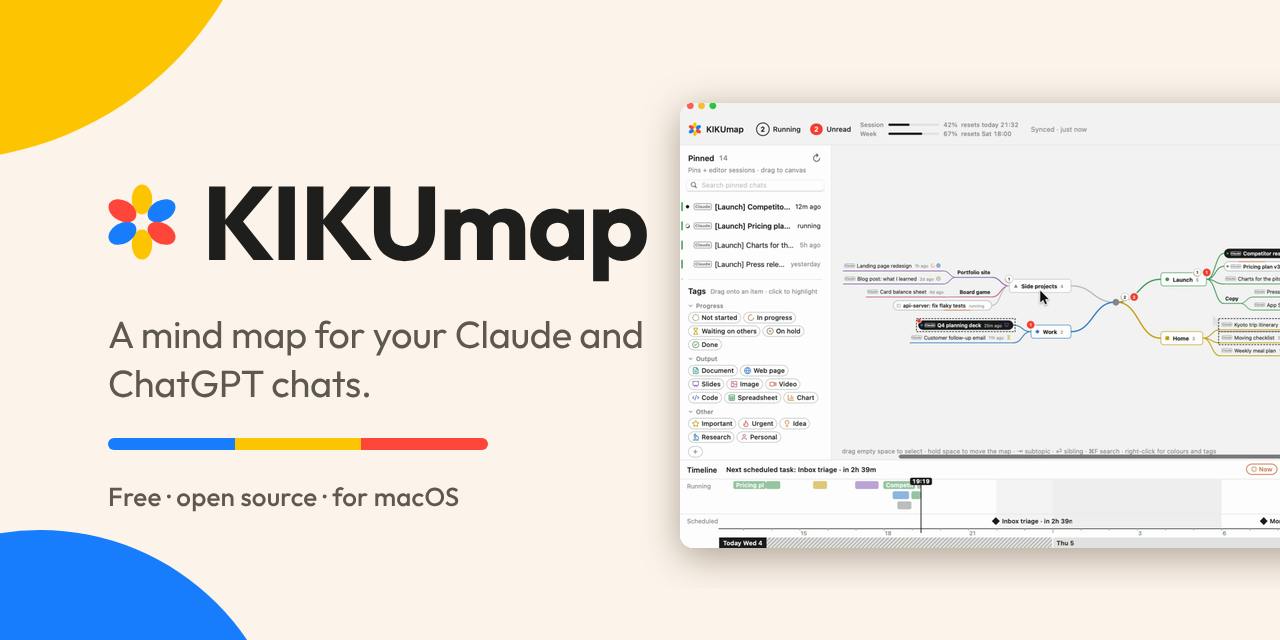
KIKUmap: Manage Your Claude and ChatGPT Conversations with Mind Maps
KIKUmap is a macOS menu bar app that visualizes Claude and ChatGPT conversations as mind maps with real-time status. Free and open source.
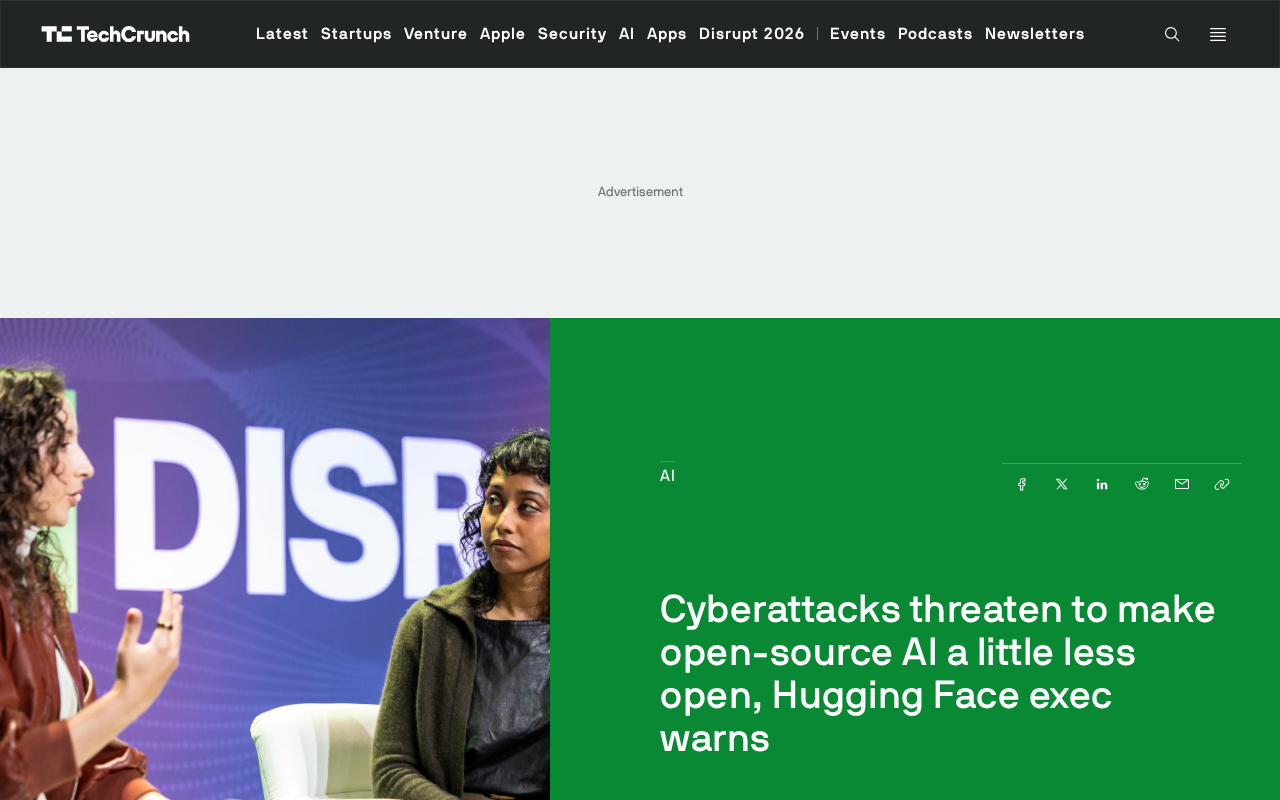
Hugging Face Executive Warns: Cyberattacks Are Eroding the Openness of Open-Source AI
Hugging Face executive Irene Solaiman warns that rising cyberattacks on open AI platforms may force stricter security limits, threatening the openness of the open-source community and affecting the developer ecosystem.
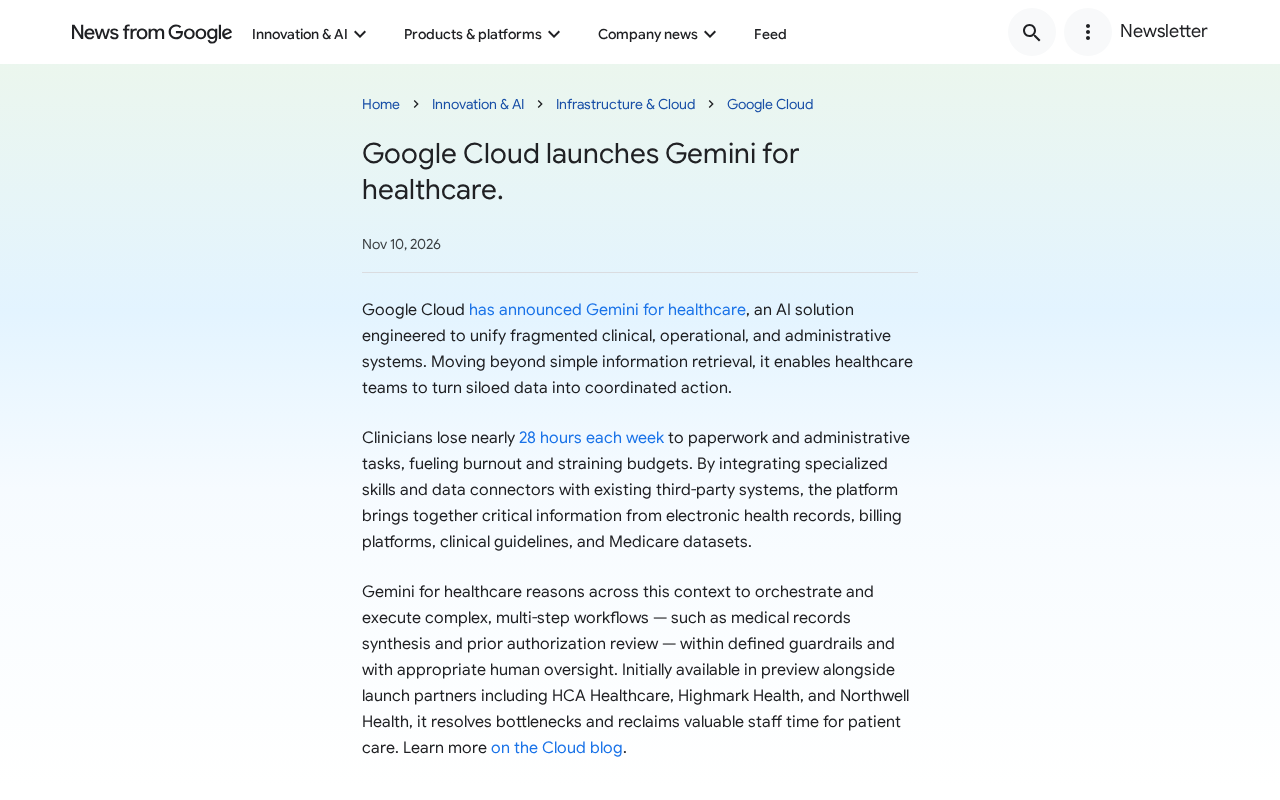
Google Cloud Launches Healthcare Version of Gemini: Integrating Clinical Data and Automating Workflows
Google Cloud releases healthcare version of Gemini, focusing on unified clinical data and automated workflows to reduce administrative burnout. Analysis of positioning, challenges, and the healthcare AI landscape.