AI SDK Topaz 3.0.28 Patch Released: Dependency Update Analysis
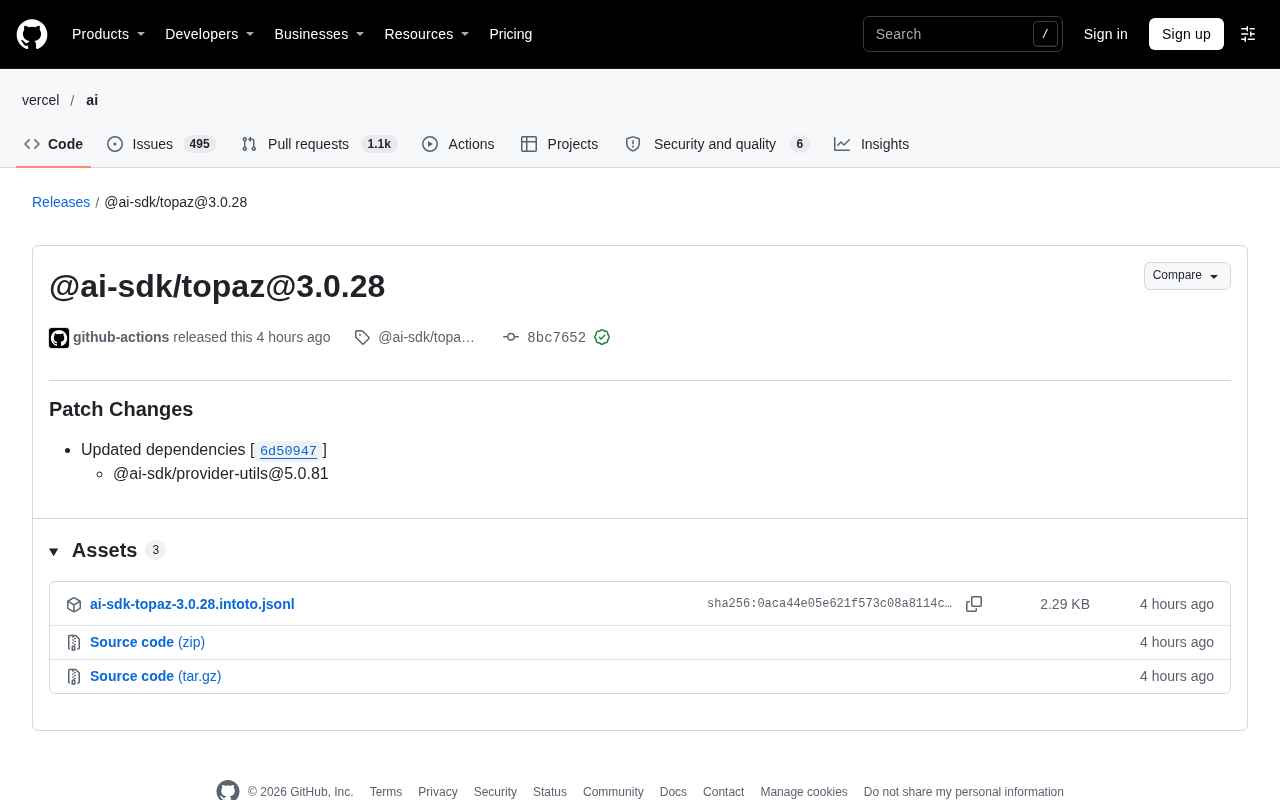
The AI SDK's Topaz package releases patch 3.0.28, upgrading its provider-utils dependency to 5.0.81.
@ai-sdk/topaz in the AI SDK ecosystem has released patch version 3.0.28, automatically published by the github-actions bot with a GitHub-verified signature. The release notes show the core change is only a dependency update, bumping @ai-sdk/provider-utils to 5.0.81. Under semantic versioning, patch-level updates typically only fix defects or sync dependencies without breaking changes, so developers can upgrade smoothly. The article also covers the project's use of changesets and automated workflows to keep multi-package versions and changelogs in sync, and recommends running existing tests after upgrading.
The Topaz package in the AI SDK ecosystem has received a 3.0.28 update. This patch release, automatically published by GitHub Actions, may be small in scope, but it reflects the ongoing maintenance cadence of the AI SDK project's dependency management.
Release Overview
According to the release record on GitHub, @ai-sdk/topaz@3.0.28 was automatically published by the github-actions bot on the 13th of this month, with commit hash 8bc7652. The commit carries a GitHub-verified signature with GPG key ID B5690EEEBB952194, indicating that the release process passed the platform's security validation.
The "3.0.28" in the version number shows that this is a patch-level iteration. Under semantic versioning conventions, patch versions are typically used to fix defects or update dependencies, and do not involve breaking changes. For developers using Topaz, these updates can generally be upgraded smoothly.
GPG signature verification is GitHub's cryptographic validation mechanism for the origin of commits. Developers sign commits with a local GPG private key, and GitHub verifies them with the corresponding public key. Once verified, a Verified badge appears next to the commit along with the key ID. For automated releases, this means the commit was indeed produced by a CI bot configured with the corresponding key, rather than pushed by someone impersonating an identity. Combined with the commit hash, users can check whether the release artifacts match the source commit, adding a layer of trust at the supply-chain level and reducing the risk of dependencies being tampered with.
Core Change: Dependency Version Bump
The changes listed in the release notes are very concise: Updated dependencies, involving @ai-sdk/provider-utils@5.0.81. This means the main work of Topaz 3.0.28 is upgrading the underlying dependency provider-utils to version 5.0.81.
provider-utils is the shared module in the AI SDK responsible for provider adaptation and utility functions. Upgrading it to a new version may bring underlying compatibility fixes or minor adjustments to internal implementation. Although the release notes do not detail the specific changes, dependency updates are often intended to keep package versions consistent across the ecosystem and avoid runtime issues caused by version mismatches.
Engineering Practices Behind Automated Releases
This release was completed automatically by github-actions, and the "Patch Changes" field in the commit message indicates that the changeset tool identified a patch-level change. The AI SDK project uses changesets to manage multi-package version releases, and this workflow ensures that each package's version number, changelog, and dependency relationships stay in sync.
For maintainers, automated releases reduce oversights caused by manual operations; for users, clear patch records make upgrade decisions better informed.
Semantic Versioning (SemVer) is the format convention of major.minor.patch: a major version change indicates incompatible API modifications, a minor version change indicates backward-compatible feature additions, and a patch version change indicates backward-compatible bug fixes. In @ai-sdk/topaz@3.0.28, 3 is the major version, 0 is the minor version, and 28 is the patch number, indicating that this release only involves fixes or dependency updates. In the npm ecosystem, range declarations such as ^3.0.28 allow the latest version within 3.x to be installed, while ~3.0.28 only allows updates within 3.0.x. Understanding this helps developers judge the boundaries and risks of dependency upgrades.
Changesets is a version management and release tool for monorepos. When submitting a PR, developers include a changeset file that declares the packages affected by the change, the change level (patch, minor, major), and a description of the update. After merging, changesets aggregates all pending changes, automatically bumps the relevant packages' version numbers, generates or appends to CHANGELOGs, synchronously updates the dependency version ranges between internal packages, and then publishes to npm via CI. This mechanism is particularly well suited to projects like AI SDK that contain many interdependent sub-packages. It avoids the common problems of missed changes, incorrect changes, and inconsistent dependency ranges when manually editing version numbers, and also makes each package's changelog traceable.
Practical Impact for Developers
If your project directly or indirectly depends on @ai-sdk/topaz, upgrading to 3.0.28 will also update provider-utils to 5.0.81. It is recommended to run your existing tests after upgrading to confirm that provider-related functionality works properly. Since this is a patch version, no API-level changes are expected.
It is worth noting that the Compare and tag filter areas on the release page show loading error messages. This may be a temporary issue with the GitHub page when rendering a large number of tags and does not affect the contents of the package itself.
Summary
@ai-sdk/topaz@3.0.28 is a routine dependency maintenance update, with the core change being the bump of provider-utils to 5.0.81. It reflects the AI SDK project's engineering practice of maintaining package version consistency through automated workflows. For developers following the AI SDK ecosystem, keeping up with these patch updates helps maintain a healthy dependency chain.
One-line Summary
The AI SDK's Topaz package releases patch version 3.0.28, upgrading its provider-utils dependency to 5.0.81.
Paragraph Summary
@ai-sdk/topaz in the AI SDK ecosystem has released patch version 3.0.28, automatically published by the github-actions bot with a GitHub-verified signature on the commit. The release notes show that the core change is only a dependency update, bumping @ai-sdk/provider-utils to 5.0.81. Under semantic versioning conventions, patch-level updates typically only fix defects or sync dependencies and do not involve breaking changes, so developers can upgrade smoothly. The article also describes the AI SDK project's engineering practice of using changesets and automated workflows to keep multi-package versions and changelogs in sync, and recommends running existing tests after upgrading to confirm that provider-related functionality works properly.
Related articles
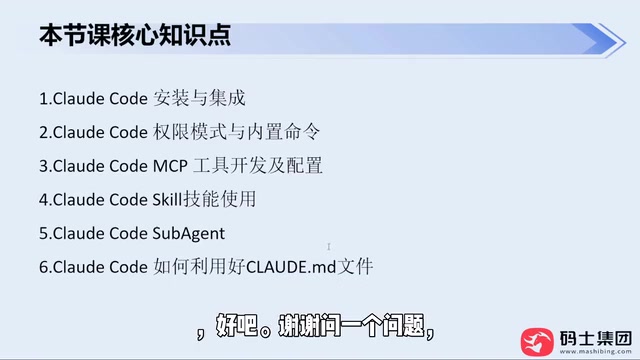
Claude Code Practical Guide: Installation, Permission Modes, and Productivity Tips
Based on a Bilibili creator's hands-on sharing, this guide covers Claude Code installation (NPM recommended), permission modes, slash commands, CLAUDE.md configuration, context management, and practical tips for stable use and avoiding account bans.
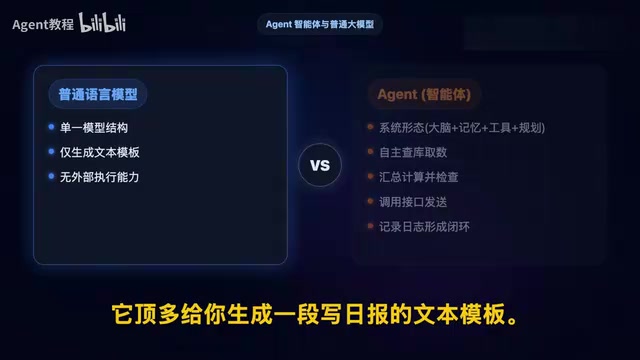
The Essential Difference Between AI Agents and Traditional AI: From Functions to Autonomous Task Executors
What is the essential difference between AI Agents and traditional AI? This article systematically breaks down the nature of Agents from six core components, dynamic decision-making authority, boundaries with Chatbots and Workflows, safety boundaries, and observability, helping you understand key concepts in LLM application development.
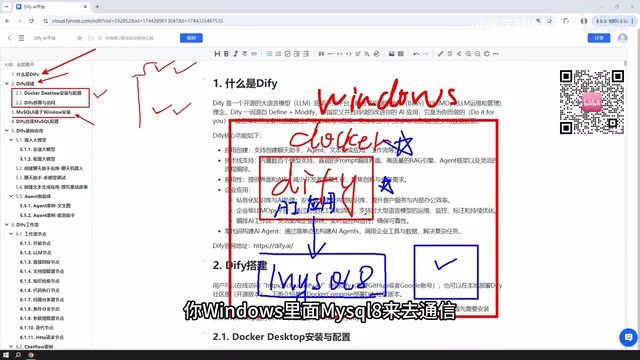
Dify Low-Code AI in Practice: RAG and Agents Made Easy
Based on a Bilibili Dify course, this article systematically covers Dify's five application types (Chat Assistant, Text Generation, Agent, Chat Flow, Workflow), Windows + Docker deployment, MySQL connection configuration, model integration strategies, and application publishing methods, helping beginners quickly build their own intelligent assistants.