Claude Duet Launches: How the Proactive AI Agent Crushes the Competition

Anthropic releases proactive AI agent Claude Duet, prompting immediate counter-updates from OpenAI and xAI.
Anthropic released Claude Duet this week, an always-on AI agent that proactively pushes briefings, built on Opus 5.5 with a cloud computer and browser—it can read and prepare autonomously, but sensitive actions like messaging and payments require approval. Its edge is judgment—distinguishing what truly deserves attention—plus multi-channel shared memory, swipe-to-process to-dos, and visual dashboards. OpenAI immediately announced ChatGPT would be in all Pro plans without counting toward weekly usage. Grok added report, memo, and dashboard generation plus iPhone app control. Claude Code was used to mod smart TVs; ChatGPT added chat lock and Slides collaboration, and Gemini Notebook now supports reviewing slide outlines.
Claude Duet: Anthropic's Proactive AI Agent Takes the Stage
Anthropic released a new product called Claude Duet this Wednesday, an always-on proactive AI agent that runs in a separate app from the regular Claude application. According to analysis by a Bilibili creator in a video, this is undoubtedly the biggest AI news of the past week, directly competing with products like ChatGPT, Meta AI, and Grok.
Duet inherits your existing Claude memories, skills, and connected apps, so you don't have to start from scratch. Its core design philosophy is "proactive": instead of you opening a chat window and asking it to do things, it proactively sends you a briefing every morning summarizing updates from all connected apps. It checks these accounts every few hours, and only messages you when something genuinely needs your attention. Once set up, everything runs automatically with no additional configuration.
Of course, you can also assign it tasks by typing or voice, from scheduling meetings to building dashboards. Duet has its own computer and browser in the cloud—even if your laptop and phone are off, it can keep working, browse the web, or open web pages. All of this is built on Opus 5.5—which the creator considers the best model from any company right now, not just because it's powerful, but because its cost makes it highly practical.
What Sets Proactive Agents Apart: Judgment and Safety Boundaries
The most critical difference between Duet and its competitors is "out-of-the-box proactivity." The creator learned from multiple early users with access that Duet excels at automatically preparing for meetings, processing emails hourly, and scanning all communication channels to surface things that are non-obvious and easily overlooked, notifying you before they turn into bigger problems.
This proactivity isn't superficial. The creator points out that many agent tools will message you about an "important finding" that you already knew about—for example, Gmail just notified you of a new email, and minutes later the agent sends the same reminder, which is worthless. Duet excels at judging what truly deserves your attention.
On safety boundaries, Duet is very cautious about autonomous actions: reading, drafting, and preparation can be done autonomously, but before sending messages, making payments, signing documents, or deleting anything, it shows you the operation it's about to perform and waits for approval. Operations like trading stocks or transferring between accounts will never be executed even if you approve them.
The multi-channel design is another highlight. You can create separate channels for different projects or topics, similar to how Slack works, and all channels share the same memory—something started in one channel is still known to Duet in the main chat. The to-do feature is also highly praised: when chatting with Duet it suggests tasks, and you can also dump everything on your mind to have it generate a list—swipe right on a task to have Duet start working on it. The dashboard feature extracts data from dozens of connected tools to generate intuitive visual interfaces, especially useful for viewing on small screens.
Currently Duet still requires joining a waitlist, and the creator himself is waiting too—he expressed frustration that it wasn't broadly available on launch day.
Proactive AI Agent The core difference from traditional chatbots lies in the interaction paradigm: the latter follows a "request-response" model where users must initiate conversations; the former runs continuously in the background, periodically checking data sources, and proactively pushing notifications when it detects noteworthy events. This paradigm requires agents to have event filtering and priority judgment capabilities, otherwise they become noise generators. The industry is generally cautious about implementing "proactivity" because the cost of false positives is high—once users are disturbed by irrelevant reminders a few times, they'll turn off notifications or even abandon the product. Therefore, the success of proactive agents often depends not on model capability, but on the product team's boundary-setting for "what deserves to interrupt the user."
OpenAI's Response and Grok's Practical Updates
According to the creator's observations, shortly after Anthropic's announcement, OpenAI announced that ChatGPT would be included in all Pro plans—which wasn't the case before—and wouldn't count toward weekly usage limits. The announcement didn't specify how long this would last, but the creator sees it as a direct response to Claude Duet, indicating OpenAI is somewhat nervous.
Grok, meanwhile, has a batch of quality-of-life updates. iPhones with an Action Button can press and hold to call up Grok, even from the lock screen; once unlocked, Grok sits in the Dynamic Island so you can continue conversations while doing other things. The setup path is: iPhone Settings → Action Button → Shortcuts → Grok, where you can choose voice chat or send message.
More practically, Grok can now build reports, memos, and dashboards. The creator demonstrated his research bot Seeker: he asked it to research whether the new iPhone Duo could replace a laptop, and the results were organized into a beautifully formatted memo page that can be shared via link for others to read. His fitness bot Coach Cal generated a dashboard including weight changes, nutrition information, and workout records. The comment analysis bot Commentator used to only send plain text reports, but now generates visual dashboards flagging spam and malicious comments.
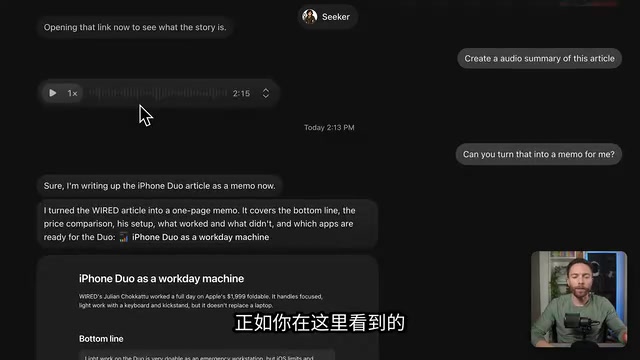
The creator also plans to have his main bot automatically generate a dashboard every morning summarizing each bot's overnight work. He considers this one of Grok's best features: the primary device for interacting with agents is the phone, and information should come to you rather than you checking dashboards every morning.
iPhone users also gained app control capabilities: Grok can view and add calendar events, control Apple Home lights and door locks, set reminders, find contacts, and set alarms and timers. The creator tested setting an alarm for 5:12 PM—the alarm did go off, but it doesn't appear in the Clock app.
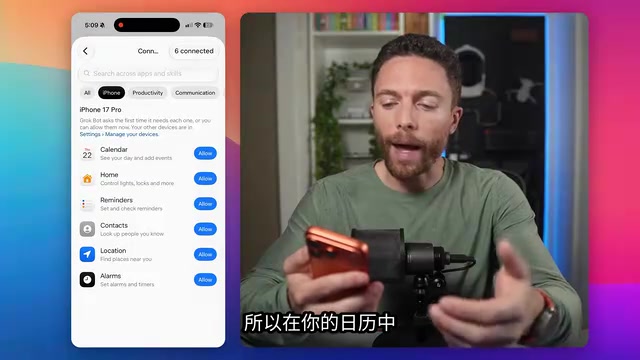
Grok's "Bot" system is a configurable agent feature xAI launched within the Grok app: users can create independent bots for specific tasks, set instructions for them, connect data sources, and let them run continuously. Unlike regular conversations, bots can automatically execute tasks on schedule and produce structured results (like reports and dashboards). This design shares similarities with Claude Duet's "channel" concept, but Grok emphasizes user-built customization rather than out-of-the-box proactive push notifications. Dashboard generation relies on Grok's ability to read data from connected tools and render it on the frontend, enabling non-technical users to obtain visual outputs.
Claude Code's Unexpected Use and Instruction Cleanup Advice
The creator also shared an interesting discovery: you can use Claude Code to mod smart TVs. Many smart TVs are slow, packed with useless apps, auto-play videos, and have ads. There's a project on Hacker News where you hand it a link and Claude Code can operate. Although the creator's Samsung TV isn't Android or Google TV, Claude Code still found the TV over WiFi and started clicking around—turning off auto-updates, fixing sound issues, adjusting the appearance. While the results weren't as impressive as others', it did make the TV more usable. The method is to switch to Claude Code at the top of the Claude app and prompt: "My Samsung TV is annoying—can you connect to it and fix it yourself?"
Boris Cherny, one of the Claude Code creators, suggests: if you haven't updated your instructions or Claude MD files in a while, now is a good time to clean up. Many instructions were written for past model deficiencies, and as models improve, these instructions may no longer be needed—they're just consuming tokens and bloating the context. The creator didn't clear everything, but had Claude do an audit: he was considering switching from Obsidian to Notion, and after analysis Claude recommended sticking with Obsidian but pointed out there were many unused files in the vault. After cleanup, the system runs more smoothly and consumes fewer tokens.
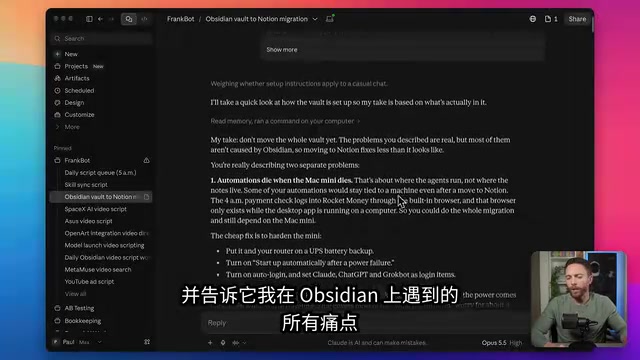
Claude Code is Anthropic's command-line AI coding agent that runs in the terminal and can read local file systems, execute commands, and operate external devices. Unlike the web version of Claude, Claude Code is designed to autonomously plan and execute multi-step tasks, so its capabilities extend far beyond writing code—operating a smart TV over WiFi protocols is an example of its "general computer operation" capability. Claude MD files are Claude Code's project-level instruction files (typically named CLAUDE.md), used to store users' long-term preferences, project conventions, and notes for the agent. As underlying model capabilities improve, the large number of instructions written early on to compensate for model deficiencies gradually become outdated, instead occupying context windows and increasing token costs—so periodically auditing and streamlining instruction files has become a recommended best practice.
ChatGPT and Gemini Detail Updates
ChatGPT added a chat lock feature: when locked, chats are moved out of regular history and search into a separate area, requiring a four-digit PIN or biometric unlock. New messages in locked chats won't update ChatGPT's regular memory, but it's not end-to-end encrypted—it only prevents someone who gets your phone from seeing them. Resetting the PIN permanently deletes all locked chats. The feature rolled out Tuesday to almost all plans, including the free tier. ChatGPT Slides now supports collaboration: you can invite others to edit, add comments, and tell ChatGPT directly to make changes; when done, you can present or export to PowerPoint/PDF. Currently limited to Pro, Business, and Enterprise plans.
On Google's side, Gemini Notebook's slides and video overviews added a "review slide outline" option: before generating, it presents a plan for review and feedback, and only consumes generation credits once you're satisfied. Apps created with Gemini can now be exported to Google Sites, initially private, and can be published and shared—a feature users have long requested.
The creator concluded that what he's personally most excited about is Claude Duet: he's liked every assistant he's tried, and Claude Opus 5.5 is his favorite model—the combination of model plus assistant is worth looking forward to.
Chat lock feature The product logic behind it is "privacy tiering": regular chat records enter the history list and participate in model memory updates, while locked chats are isolated in a separate area and their content isn't written to regular memory, avoiding sensitive information being accidentally referenced in subsequent conversations. It's important to note that such features are typically just interface-layer and memory-layer isolation, not end-to-end encryption—service providers can still technically access the content. Review slide outline is a "confirm-before-generate" mechanism: in scenarios where multimodal generation is costly, having users review a structured outline first avoids wasting generation credits on wrong directions—a common design pattern AI content generation tools use to reduce user costs.
One-line Summary
Anthropic releases proactive AI agent Claude Duet, prompting immediate counter-updates from OpenAI and xAI.
Paragraph Summary
Anthropic released Claude Duet this week, an always-on AI agent that proactively pushes briefings, built on Opus 5.5 with a cloud computer and browser—it can read and prepare autonomously, but sensitive actions like messaging and payments require user approval. Its differentiation lies in judgment—distinguishing genuinely noteworthy items from useless reminders—plus multi-channel shared memory, swipe-to-process to-dos, and visual dashboards. OpenAI immediately announced ChatGPT would be included in all Pro plans and not count toward weekly usage, seen as a direct response to Duet. Grok added report, memo, and dashboard generation plus iPhone app control. Additionally, Claude Code was used to mod smart TVs, with its creator suggesting regular cleanup of outdated instruction files to reduce token consumption; ChatGPT added chat lock and Slides collaboration, Gemini Notebook supports reviewing slide outlines, and apps can be exported to Google Sites.
Related articles
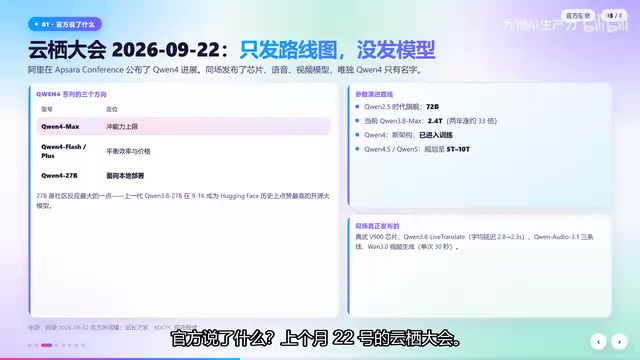
Qwen4 Architecture Preview Open-Sourced: 125B Parameters, 512 Experts, Designed for VRAM-Constrained Hardware
Qwen4 isn't released yet, but its architecture is previewed via open-source Qwen3.8 Flash Next: 125B params, 6B activated per token, 512 experts, 262K context, built for VRAM-limited hardware. This article covers official confirmations, key config.json metrics, and local deployment tests on 24G memory.
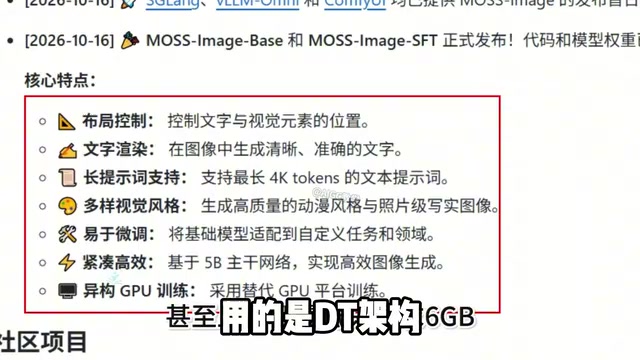
Run 8K Images on 6GB VRAM! Hands-On Test of Fudan's Open-Source MOSS-Image Model
Fudan OpenMouse team and Shanghai MOSS Intelligence open-source MOSS-Image, a 500M-parameter DT architecture text-to-image model that runs locally on 6GB VRAM with precise text rendering, structured layout control, and 4K Token prompt support—ideal for e-commerce posters and local deployment by individual creators.
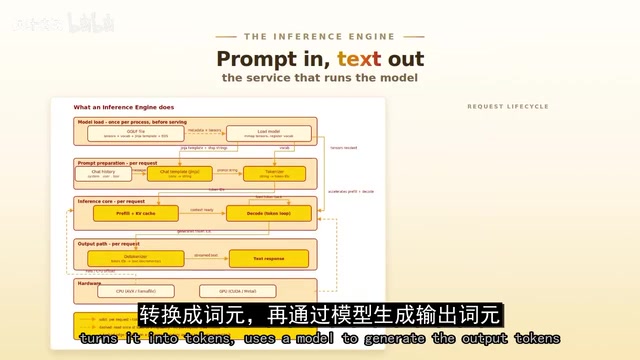
Overseas Blogger Tests Local Deployment of 100B-Parameter MoE Model: Key Lessons on Quantization and Tool Calling
Overseas blogger tests local deployment of Alibaba's Qwen 3.8 Flash Next 100B MoE model on a Strix Halo mini PC and CUDA workstation, revealing how quantization precision affects tool-calling success and the real-world performance of the Strata and GUFO inference engines.