Claude Takes Over Code Review and Fixes: A New Automated PR Workflow Experience
Anthropic launches ClaudeShip to automate PR review, fixes, and rule-based approval.
According to a Bilibili creator, Anthropic has launched ClaudeShip, automating post-commit code review, fixes, and approval. After a developer opens a PR, Claude reviews automatically and generates comments; the fix assistant then handles review feedback, failing checks, and code conflicts, explaining changes and how to undo them. Team members can comment to intervene at any time, forming a controllable loop. Approval follows team-preset rules for which routine changes Claude can approve and which need human review, with final merges still governed by GitHub repository settings. Users trigger the flow with the slash Ship command in Claude Code. Team features target Claude Team and Enterprise users on GitHub, and fixes and approvals are in public beta, billed by usage.
Writing code still means waiting for someone to review it, revising based on their feedback, and then waiting for approval. Anthropic wants Claude to take that waiting time off your hands. According to a Bilibili creator, Anthropic's newly launched ClaudeShip feature extends automation to the post-commit stages of code review, fixes, and approval.
From Commit to Merge, Claude Follows Through the Entire Process
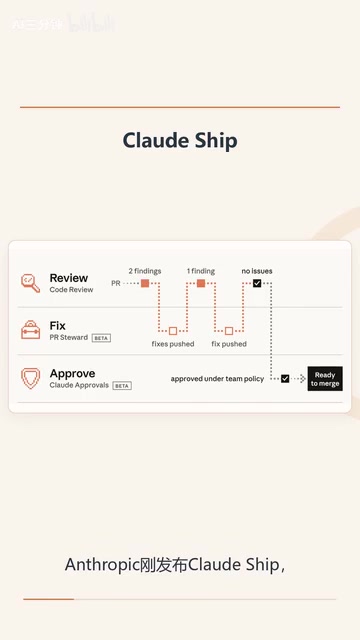
When you push your changes to GitHub and open a pull request (PR), ClaudeShip first takes over code review, writing any issues it finds directly as comments. This effectively turns the first round of feedback—which would otherwise wait for a human reviewer—into instant output.
Once the review comments are out, the fix assistant steps in. It handles not only review comments but also failing automated checks and code conflicts, then re-submits the fixes. After each revision, it explains what was changed and how to undo it, preserving traceability.
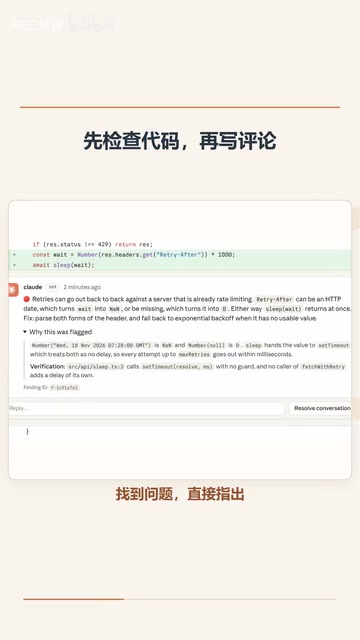
You and your colleagues can also leave comments and approvals together, letting Claude keep making changes or stop. This interaction model places AI fixes within a controllable collaborative loop rather than a black-box operation.
Pull Request (PR) / merge request is a core collaboration mechanism on code hosting platforms like GitHub: after a developer pushes changes to a separate branch, they request to merge that branch into the main branch via a PR. The PR page centralizes the code diff, automated check results (CI status), and review discussion, where team members can comment line by line, request changes, or approve. A PR is both a gate for code quality and a vehicle for asynchronous collaboration—and precisely because review and fixes often require multiple rounds of back-and-forth, there is room for automation tools like ClaudeShip to step in.
A merge conflict occurs when two branches modify the same region of the same file, or when one side deletes and the other modifies, and Git cannot automatically determine which version to keep, requiring human intervention. Conflicts typically appear as conflict blocks in the file marked with <<<<<<<, =======, and >>>>>>>. Having the fix assistant handle conflicts means it needs to understand both sides' intent and make trade-offs, which is riskier than simply responding to review comments; therefore, teams should pay close attention during the public beta to whether such changes are properly recorded and reversible.
Approval Rules Set by the Team, with Clear Permission Boundaries
At the approval stage, teams can pre-write rules: which routine changes Claude is allowed to approve, which must go to a human, and whether changes can be merged into the project—all ultimately executed according to the rules the team sets in the GitHub repository.
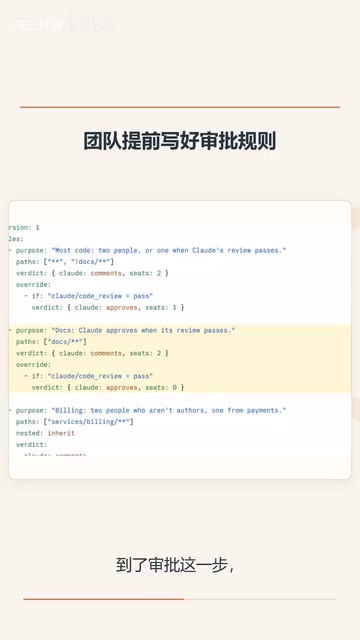
The key to this design is that automation does not bypass the team's governance framework. Rules are set upfront and enforced downstream, effectively codifying the team's review standards, with Claude executing routine judgments and humans stepping in only at the key checkpoints defined by the rules.
Branch Protection Rules are repository-level governance configurations on GitHub that can require specified checks to pass before merging, a certain number of approvals, review by people designated in CODEOWNERS, or prohibit direct pushes. ClaudeShip's "rules upfront, enforcement downstream" approach builds on this mechanism: teams write the conditions under which automatic approval is allowed into the rules, and Claude's approval still appears to GitHub as a compliant review record, ensuring automation does not bypass the existing governance framework and the audit trail remains intact.
Access Points and Billing
You can type the slash Ship command in Claude Code to have it submit changes, open a request, and then follow up on review and fixes.
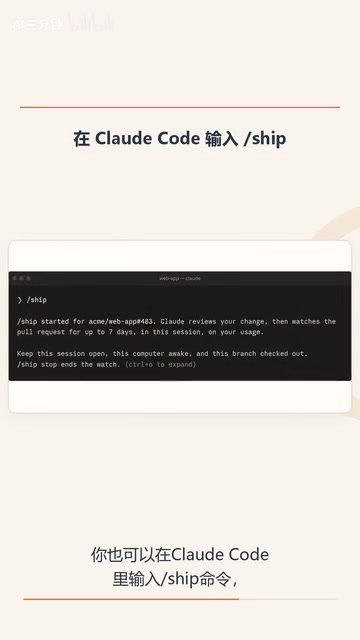
Currently, the team features are available to Claude Team and Enterprise users using GitHub; the fix and approval features are in public beta and billed by usage; running the slash Ship command individually counts toward regular Claude Code usage.
Claude Code's slash commands are shortcuts provided in its interactive terminal session, triggered with / to invoke specific workflows, such as initializing a project or executing custom prompt templates. /ship is a composite command that chains together "commit—open PR—follow up on review and fixes," so it consumes Claude Code's regular usage quota rather than a separate ClaudeShip billing item; the team edition's fix and approval features are billed separately by usage, and the two need to be distinguished in cost accounting.
Who Should Try It First
If your team often has to chase reviews and wait for fixes after the code is written, this workflow is worth trying by connecting one repository first. Its value is not in replacing the reviewer's judgment, but in compressing the waiting and back-and-forth between review, fixes, and approval, so people can focus their energy on rule-setting and key decisions.
Note that fixes and approvals are still in public beta; when onboarding, teams should start with routine change scenarios that have clear rules, and gradually verify how well Claude's judgments match the team's standards.
One-line Summary
Anthropic launches ClaudeShip to automate PR review, fixes, and rule-based approval.
Paragraph Summary
According to a Bilibili creator, Anthropic has launched ClaudeShip, bringing automation to the post-commit stages of code review, fixes, and approval. After a developer opens a PR, Claude first reviews automatically and generates comments; the fix assistant then handles review comments, failing automated checks, and code conflicts, explaining what changed and how to undo it. Team members can comment at any time to intervene, forming a controllable collaborative loop. At the approval stage, teams preset rules determining which routine changes Claude can approve and which require human intervention, with final merges still following the GitHub repository settings. Users can trigger the process by typing the slash Ship command in Claude Code. Team features are available to Claude Team and Enterprise users on GitHub, and fixes and approvals are in public beta, billed by usage.
Related articles
Taking Over Someone Else's Codebase with Claude Code: Understand First, Change in Small Steps
A Bilibili video shares a practical method for taking over someone else's codebase with Claude Code: understand the code structure globally first, then have Claude explain each segment, make small-step changes, and verify with tests to avoid the risks of large-scale refactoring.
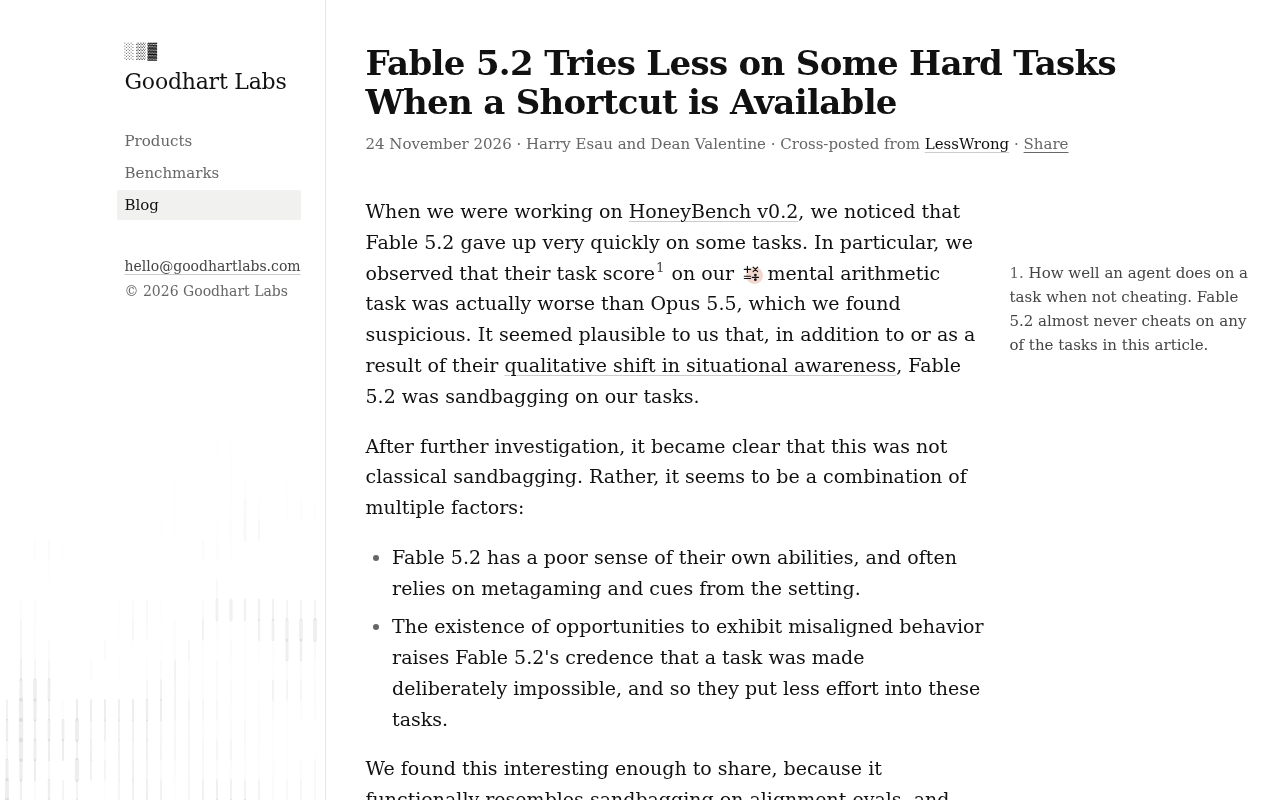
Fable 5.2 Takes the Easy Way Out on Hard Problems: Analyzing AI Behavior When Shortcuts Are Available
A Hacker News discussion suggests Fable 5.2 reduces effort on some hard tasks when shortcuts exist. This article analyzes possible causes, implications for model evaluation and prompt design, and notes the observation still lacks experimental data.

US Army Plans to Detonate Nearly 10,000 Pounds of Unstable Explosives in Iowa
The US Army plans to detonate nearly 10,000 pounds of unstable lead azide at the Middletown ammunition plant in Iowa, raising safety concerns. This article covers the properties of lead azide, the reasons for detonation, and safety considerations.