Microdramas Meet Foldables: The Mismatch Between Vertical Content and Hardware

Vertical microdramas are called the future of TV, but they fundamentally clash with the large-canvas logic of foldables.
Using a YouTube video discussion as source material, the article analyzes the tension between vertical microdramas and foldable hardware. Microdramas are short, soapy, vertical videos seen by some as the future of television, and Hollywood is betting on the format. Meanwhile, Apple and Samsung market foldables as a "larger canvas" emphasizing multitasking and big-screen content, unfolding to near-landscape proportions. The video demonstrates both futures together, showing that the latest foldables don't fit vertical content well—playback suffers from inconsistent framing, cropping, or blurred background fills. The article concludes that aspect ratio is about to change again, with content and hardware shaping each other, though the two are still talking past each other.
Microdramas are being called by some "the future of television"—they're vertical, short, melodramatic soap operas. But the latest foldable phones don't seem to accommodate this content format very well. Based on a discussion from a YouTube video, this article analyzes the tension between the rise of vertical content and hardware form factors.
What Are Microdramas?
According to the video description, microdramas are "short, soapy, vertical videos." They're regarded by some industry players as the future of television. The video intersperses lines from the shows, such as "Sending a girl to fight me is an insult." demonstrating the typical dramatic-conflict style of this content.
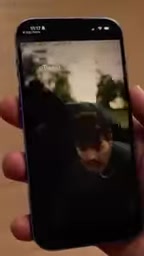
This type of content is usually shot vertically to fit phone-viewing habits, with extremely short episodes that rely on strong conflict and suspense to keep users binge-watching. Hollywood is betting on vertical video, signaling that this format has moved from the fringe into the mainstream spotlight.
The rise of microdramas is inseparable from the vertical consumption habits of the mobile internet. Traditional film and TV content is mostly shot in 16:9 landscape, whereas vertical video naturally fits the portrait field of view when holding a phone one-handed—users can watch full-screen without rotating their device. This format first matured on short-video platforms (such as Douyin, Reels, and Kuaishou), then was industrialized by professional production teams: episodes typically run 1–2 minutes, and the first few seconds must deliver a conflict or twist, creating "hooks" at extremely high density to sustain retention. In terms of business model, microdramas often use a few free episodes followed by per-episode paid unlocks or ad revenue sharing, with a strongly ROI-driven approach—hence genres are highly concentrated in high-emotion categories like comeback, revenge, and wealthy families. Hollywood's bet is essentially an endorsement of this proven attention-economy model rather than a purely artistic innovation.
The "Larger Canvas" Logic of Foldables
The video also showcases how Apple and Samsung understand the future of foldables. The manufacturer's tagline reads: "Get a larger canvas for your apps to fit more content." The core idea is: people no longer live in one fixed shape, and devices should adapt to multiple scenarios.

When unfolded, a foldable approaches tablet proportions, emphasizing multitasking and a "big screen" content-consumption experience. This fundamentally differs from the consumption logic of vertical short dramas: vertical content pursues full-screen immersion and a single-column feed, while an unfolded foldable is closer to a wide landscape screen, suited for split-screen, spreadsheets, reading, and similar scenarios.
"Aspect ratio" refers to the ratio of a picture's width to its height, and it's the key contract between content and hardware. Film and television have long used 16:9 as the baseline, while phone portrait screens are close to 9:16—the two are exact inverses. When a foldable is unfolded, the inner screen ratio often falls between 4:3 and nearly square—matching neither 16:9 nor 9:16—so playing content in either format results in letterboxing, cropping, or stretching. Apps typically respond with three strategies: letterboxing/pillarboxing, center-cropping, and filling the blank areas with a blurred, enlarged version of the same frame (blur-fill). The last looks the "fullest" but most easily exposes quality loss and compositional misalignment—which is the technical root of the "blurry animation" problem criticized in the video.
When Two Futures Collide: Vertical Content vs. Foldable Hardware
The video puts these two trends side by side: "And here's how those two futures currently look together." The result isn't great.
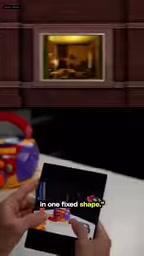
The demo includes the comment "It's not even the same video," along with discussion of the blurry animation: "This animation of the blur, and then you get like a video like that." This suggests that playing vertical content on a foldable may produce an inconsistent experience due to framing adaptation, cropping, or stretching.
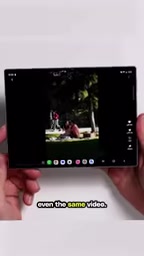
On an unfolded large screen, vertical video either gets black bars on both sides, gets cropped, or requires a complex blurred fill background. The video notes that the latest foldables "don't seem to fit it very well."
Split-screen and multitasking are core selling points of large-screen devices, but they structurally conflict with the consumption logic of vertical content. The vertical microdrama experience is built on "full-screen immersion, single-column feed, swipe up to switch," where users consume one content unit at a time; the value proposition of an unfolded foldable is presenting multiple windows simultaneously and increasing information density. When vertical video is placed in one side of a split screen, the picture is actually smaller than a regular bar phone's full screen, weakening immersion. In other words, foldables excel at "parallel processing" while microdramas excel at "single-threaded immersion"—the two compete for the same screen's attention and space allocation. This isn't a simple compatibility issue but a fundamental divergence in use cases.
Aspect Ratio Is About to Change Again
The video concludes with a judgment: "So our aspect ratio is about to change again." This points to a deeper issue: content formats and hardware form factors shape each other. The popularity of vertical short dramas has driven vertical phone consumption, while the unfolded foldable form tries to pull users back to widescreen. The two have yet to find a perfect way to coexist.
For content creators, this means paying attention to multi-aspect-ratio adaptation; for hardware manufacturers, the mainstreaming of vertical content is a reality that foldable design must confront. The "future of television" narrative of microdramas and the "future of phones" narrative of foldables are still, for now, talking past each other.
(This article is based on analysis of YouTube video content and has not been verified by additional independent sources.)
One-line Summary
Vertical microdramas are seen as the future of television, but they fundamentally conflict with the large-canvas logic of foldables.
Paragraph Summary
Using a YouTube video discussion as source material, the article analyzes the tension between vertical microdramas and foldable hardware. Microdramas are short, soapy, vertically presented videos regarded by some as the future of television, and Hollywood is betting on this format. Meanwhile, Apple and Samsung market foldables as a "larger canvas," emphasizing multitasking and a big-screen content experience that, when unfolded, approaches a wide landscape screen. The video demonstrates both futures together, and the result shows that the latest foldables don't accommodate vertical content well—playback produces inconsistent framing, cropping, or blurred background fills. The article thus suggests that aspect ratio is about to change again, with content formats and hardware form factors shaping each other, though for now the two are still talking past each other.
Related articles

Vibe Coding Full-Stack in Practice: AI Programming from Beginner to Enterprise Deployment
From Cursor to Claude Code, this Bilibili AI programming course uses four progressive projects to cover full-stack development, open-source secondary development, and team collaboration. The article analyzes the shock to frontend roles, the efficiency shift from 50 people to 5, and the methodology required for enterprise-grade projects.

David Blaine's Global Quest for Real Magic: From South Africa to Japan and India
David Blaine travels to South Africa, Japan, and India in his Do Not Attempt special, documenting Spinning drivers, black mamba rescuers, iaijutsu masters, and ascetics—exploring the boundary between magic and real human极限 challenges.

Is a Touchscreen MacBook Coming? Vergecast Reveals Apple Executive's Response
Vergecast podcast reveals a conversation between a reporter and Apple executive John Ternus about a touchscreen MacBook and Apple Pencil support. Ternus says iPad is the best device for a stylus, while the reporter bets MacBook will eventually support Apple Pencil.