Music History Podcast No Dogs in Space Makes a Triumphant Return: Season 4 'Punk 2.0' Is Here
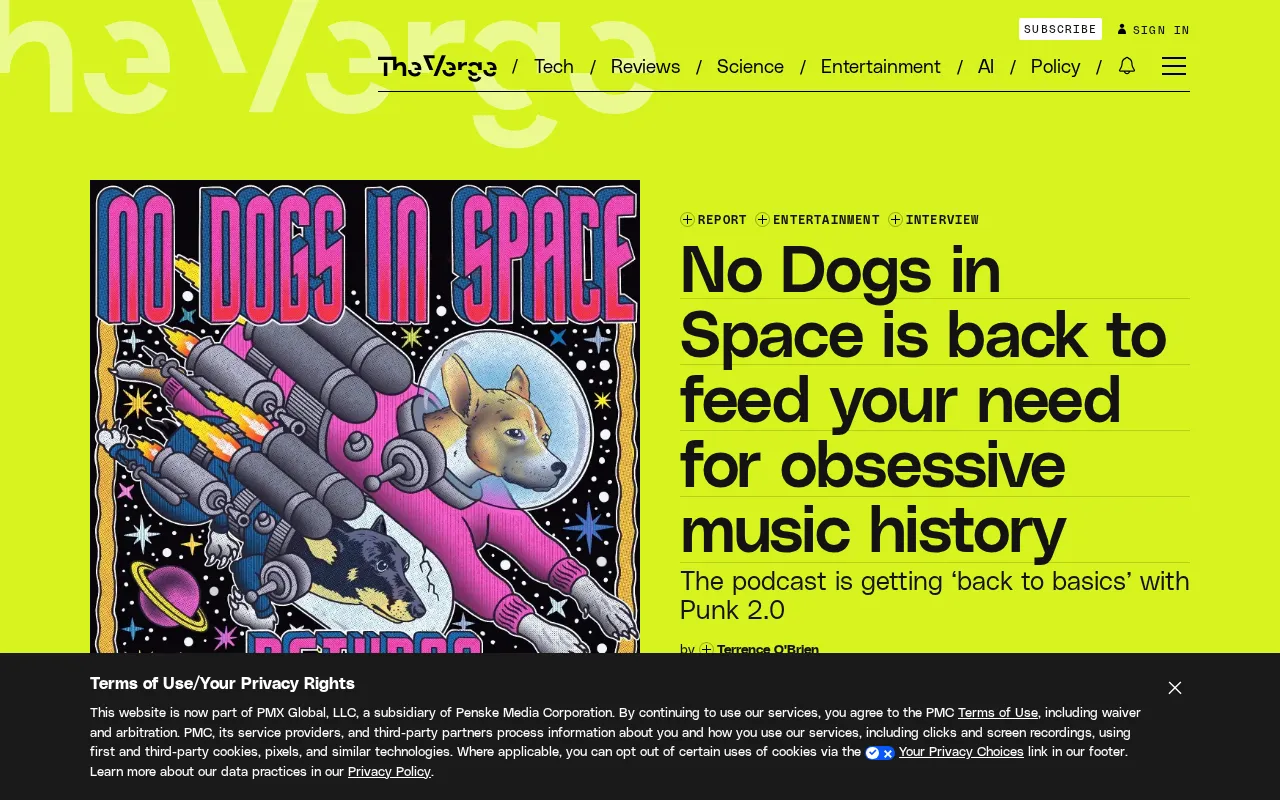
No Dogs in Space ends a 2-year hiatus with Season 4, diving deep into Punk 2.0.
Beloved music history podcast No Dogs in Space has officially returned after more than two years off the air, with a fourth season themed around Punk 2.0. Co-hosted by Carolina Hidalgo and Marcus Parks, the show is known for its deeply researched, long-form storytelling about music history — built for listeners who want to understand the full cultural context behind the music they love. The return comes as a genuine surprise to long-time fans, and signals that deeply committed, niche-focused audio content still has a loyal and lasting audience.
After more than two years of silence, the beloved music history podcast No Dogs in Space has officially announced its return, bringing with it a brand-new fourth season — Punk 2.0. For listeners who love digging deep into the stories behind the music, this is nothing short of cause for celebration.
A Podcast Built for Music Archaeologists
No Dogs in Space is co-hosted by Carolina Hidalgo and Marcus Parks, and has built a reputation for its in-depth, meticulous storytelling about music history. This isn't a casual music recommendation show — it breaks down the full context of a band, a genre, or an era and lays it all out for listeners who genuinely want to understand how music connects and evolves.
As the original writer put it, this is a show that satisfies an obsessive appetite for music history — serving those rare listeners who are willing to spend hours immersed in a band's rise and fall, studio secrets, and cultural backdrop. That kind of content is increasingly rare in today's fragmented podcast landscape.
Both hosts bring serious credentials to the table. Marcus Parks is a core member of the dark history podcast Last Podcast on the Left, known for his rigorous research and immersive storytelling style. Bringing that same depth to music history gives No Dogs in Space a distinct tone — less casual music chat, more culturally grounded documentary-style narrative. Understanding this background helps explain why episodes tend to run long and pack in dense material, and why the gaps between seasons can stretch — the real cost of this kind of show lies in the field-research-style archival work and scripting, not the recording itself.
An Unexpected Return After Two Years of Silence
Back in August of this year, the original writer penned a piece expressing their love for the podcast — while also noting with some sadness that it had gone more than two years without a new episode. For devoted listeners, that kind of silence often signals a show has quietly come to an end.
As it turned out, that concern was premature. Even as the writer was reflecting on the show's apparent absence, Carolina Hidalgo and Marcus Parks were already deep in preparations for its comeback. For long-time followers, that kind of twist — thinking something was over, only to find a new chapter waiting — is a welcome surprise.
Punk 2.0: The Focus of the New Season
The fourth season takes Punk 2.0 as its central theme. The name alone signals that this season will dig deep into punk culture and its evolution. Punk, as a complex cultural phenomenon spanning music, fashion, and political attitude, has always been extraordinarily rich territory for music history storytelling — and it's a perfect fit for No Dogs in Space's signature approach.
For fans of punk music and its subcultures, having two hosts known for serious music history research guide you through this terrain is well worth the wait.
Punk music emerged in the mid-1970s in both the UK and the US, with bands like The Sex Pistols, The Clash, and the Ramones leading the charge — pitting raw, stripped-down music and anti-establishment politics against the polished excess of glam rock and progressive rock. The label "Punk 2.0" typically points to the evolution and splintering of the punk spirit through the 1980s and 1990s, encompassing Hardcore Punk, Post-Punk, Pop Punk, the Riot Grrrl movement, and more. These offshoots each inherited the DIY ethos of original punk while heading in wildly different musical and cultural directions. Framing the new season as "2.0" suggests the show will focus on how punk transformed, spread, and was reinterpreted after its first wave — rather than retreading the familiar origin story. That's entirely in keeping with No Dogs in Space's trademark approach of seeking out the corners that mainstream narratives tend to overlook.
Why Deep-Dive Music Podcasts Still Matter
In an era dominated by algorithmic recommendations and ever-shorter content, a podcast like No Dogs in Space — one that invests serious time and effort into long-form music history — represents a real commitment. It's not built for instant gratification; it's built for listeners who hunger for knowledge and context. The show's return is also quiet evidence that this kind of slow-burn, deeply researched content still commands a loyal and dedicated audience.
If you're the type of person who hears a song and immediately wants to know where it came from and why it sounds the way it does, then Punk 2.0 just might have been made for you.
Related articles

Open-Source DeepSeek Harness Plugin Lets QQ Group Bots Understand Bilibili Videos
An open-source DeepSeek Harness plugin lets QQ group bots slice Bilibili videos into storyboards with subtitles and danmaku to 'understand' them, browse on their own, and run scheduled visits—with write actions like comments and likes off by default.
How Jetpack Compose Extends Input Interaction Beyond Touchscreens
Jetpack Compose team explains extending input beyond touchscreens: the six-stage pointer event pipeline, trackpad fake-finger interception and reinterpretation, 1D gesture navigation for smart glasses, and companion testing APIs.

Google Zero Backfires on Google: AI Search Struggles to Monetize as the Moat Collapses
Google's earnings show AI search monetizes worse than traditional search, pressuring its stock. This article explains how "Google Zero" is backfiring on Google: homogenized AI Overviews and the end of traffic to the web are eroding its indexing advantage, and the traditional search moat is disappearing.