October Prime Day Kicks Off Early: A Look at Amazon's Early Bird Deals

Amazon's October Prime Day begins October 6, with early bird deals already live on hardware and third-party products.
Amazon's October Prime Big Deal Day officially kicks off at 3:00 AM ET on October 6 and runs through October 8 — about two days of deals. Before the sale even begins, Amazon has released early bird discounts on its own ecosystem devices like Echo speakers, Fire TV, Kindle, and Ring, plus a wide range of third-party bestsellers. The early access strategy is designed to extend the promotional window and capture purchase intent ahead of the main event. Note that deals are Prime-member exclusive, and early bird prices may differ from peak sale prices — use price history tools to shop smart.
October Prime Day Isn't Here Yet — But the Deals Already Are
With October still a little ways off, Amazon couldn't wait — the company has already dropped a wave of early Prime Big Deal Day discounts. These early bird offers span Amazon's own hardware lineup as well as a wide range of popular third-party products, with one clear goal: building buzz ahead of the official October Prime Day.
According to Amazon's official announcement, this year's October Prime Day will kick off at 3:00 AM ET on October 6 and run through 3:00 AM ET on October 8, giving Prime members roughly two days of concentrated deals.
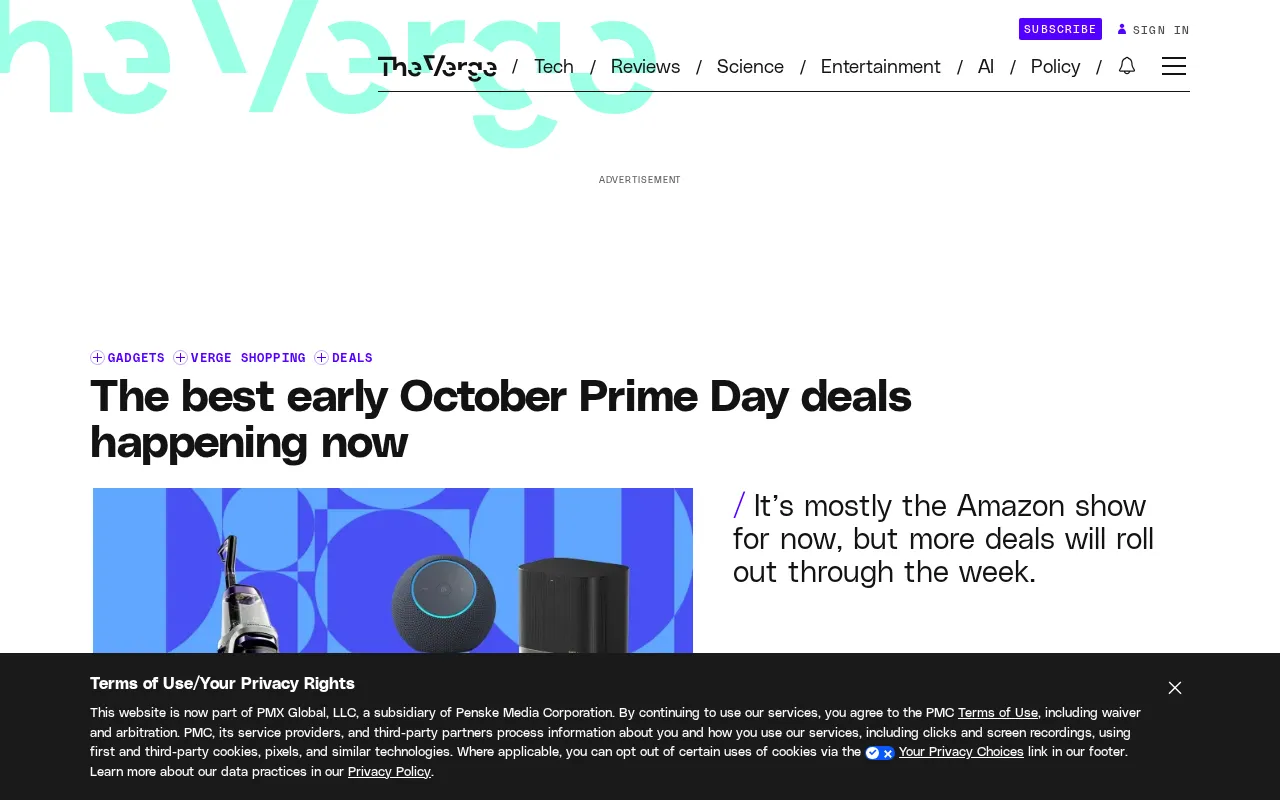
What's Worth Watching in the Early Bird Deals
Based on what's been revealed so far, the early discounts are focused on two main categories:
Amazon's Own Hardware
Amazon traditionally slashes prices on its own ecosystem devices during Prime Day. That typically includes Echo smart speakers, Fire TV streaming devices, Kindle e-readers, and Ring security products. For anyone looking to build out a smart home or dive deeper into the Amazon ecosystem, these sales often represent some of the lowest prices of the year.
Echo speakers are the core entry point into Amazon's smart home ecosystem, with the built-in Alexa voice assistant capable of controlling lights, thermostats, and other smart devices. The Fire TV lineup includes streaming sticks and smart TVs with support for Prime Video, Netflix, and other major platforms. Kindle is the world's leading e-ink reader brand, known for its eye-friendly display and battery life that lasts weeks. Ring, a well-known name in video doorbells and home security, was acquired by Amazon in 2018 and has since been deeply integrated into its smart home ecosystem. Together, these devices form a key part of Amazon's "flywheel" strategy — hardware draws users into the ecosystem at low prices, which Amazon then monetizes through content subscriptions and shopping services.
Popular Third-Party Products
Beyond its own hardware, the early bird deals also cover a large selection of top-selling third-party products on the platform. That means shoppers don't have to wait until the official sale dates to lock in discounts on items they've had their eye on.
Why Amazon Launches Deals Early
Releasing promotions ahead of the main event is a well-established e-commerce playbook. By introducing an "early bird" buffer period, Amazon can:
- Extend the overall promotional window, easing the concentration of traffic and orders into just two days;
- Capture purchase intent early, creating a "buy now or wait" mindset among shoppers;
- Gauge market interest, using early sales data to fine-tune strategy for the main event.
For consumers, the upside is more time to browse and decide — but there's a caveat. Early bird prices and Prime Day peak prices aren't always identical. Some items may see steeper discounts when the sale hits its highest gear.
A Few Things to Keep in Mind Before You Shop
It's worth noting that Prime Day and its early deals are typically exclusive to Prime members. Non-members who want to participate will need to sign up first — new users can usually access the sale through a free trial period.
Beyond that, staying rational during big sales events is still key. Before placing an order, it's a good idea to check the item's price history to verify how real the discount actually is, and avoid being swayed by a "sale" label into buying something you don't genuinely need.
Amazon Prime is a paid subscription service — in the US, it runs about $139 per year — and includes benefits like free fast shipping, Prime Video streaming, Prime Music, and more. Prime Day is, at its core, a member-growth initiative that Amazon has run since 2015. It now takes place twice a year: once in summer (July) and once in fall (October). To check whether a deal is genuinely good, tools like CamelCamelCamel can show you an item's historical price lows, helping you spot artificially inflated "original prices" that make ordinary discounts look more impressive than they are.
Wrapping Up
The official curtain on October Prime Day rises on October 6, but Amazon has already warmed up the atmosphere with early bird deals. Whether you're eyeing Amazon's own smart home hardware or tracking a popular third-party product, now's a good time to do your research, compare prices, and shop with a clear head.
Related articles

Vibe Coding Full-Stack in Practice: AI Programming from Beginner to Enterprise Deployment
From Cursor to Claude Code, this Bilibili AI programming course uses four progressive projects to cover full-stack development, open-source secondary development, and team collaboration. The article analyzes the shock to frontend roles, the efficiency shift from 50 people to 5, and the methodology required for enterprise-grade projects.

David Blaine's Global Quest for Real Magic: From South Africa to Japan and India
David Blaine travels to South Africa, Japan, and India in his Do Not Attempt special, documenting Spinning drivers, black mamba rescuers, iaijutsu masters, and ascetics—exploring the boundary between magic and real human极限 challenges.

Is a Touchscreen MacBook Coming? Vergecast Reveals Apple Executive's Response
Vergecast podcast reveals a conversation between a reporter and Apple executive John Ternus about a touchscreen MacBook and Apple Pencil support. Ternus says iPad is the best device for a stylus, while the reporter bets MacBook will eventually support Apple Pencil.