SnorkelAI Paid Research Experience Goes Wrong: ML PhD Calls Process Unprofessional
PhD researcher complains about SnorkelAI paid research: frequent reminders, website chaos, cumbersome payment paperwork, advises to avoid.
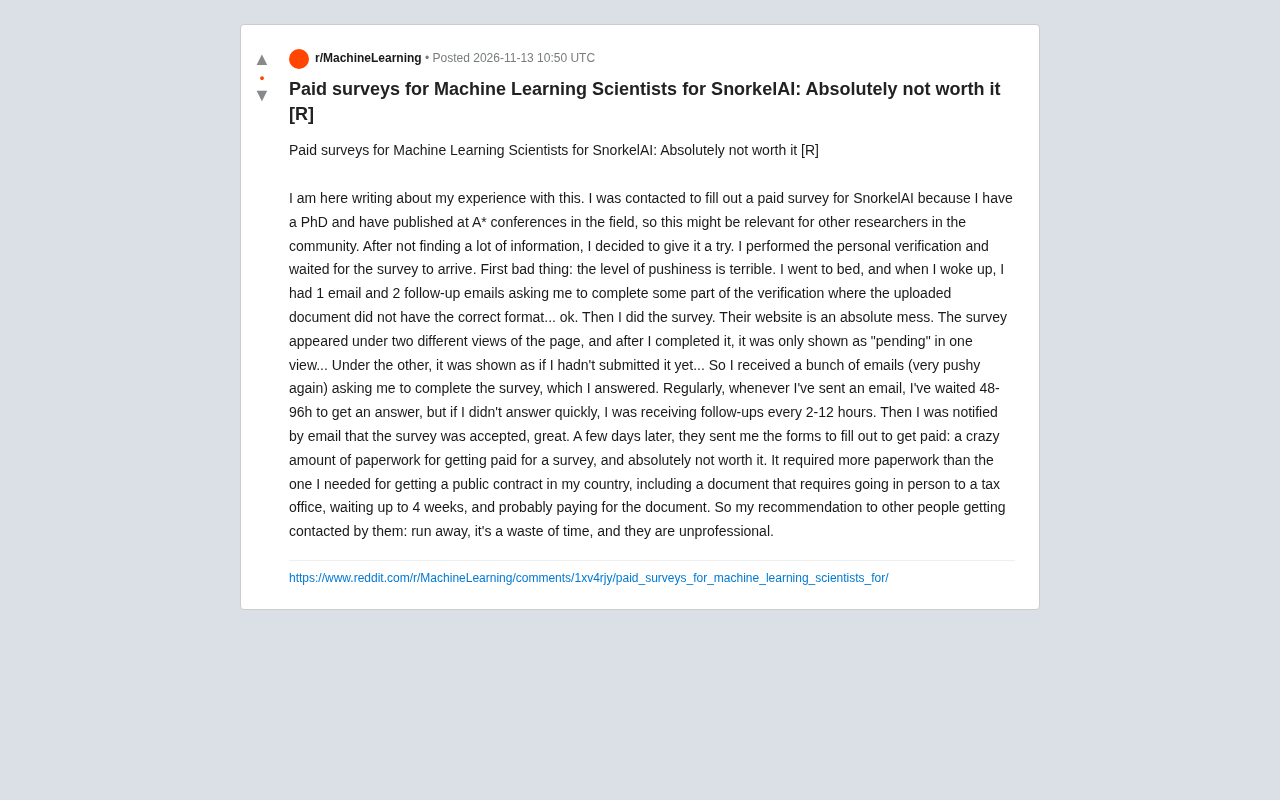
A machine learning researcher with a PhD and A* conference publications shared on Reddit their bad experience with a SnorkelAI paid research study. The inviter valued their academic background, but problems started from day one: multiple reminder emails during sleep, contradictory status displays for the same task on different views causing erroneous reminders; inquiry emails took 48 to 96 hours for replies, while reminders came every 2 to 12 hours. After acceptance, the payment stage required extensive forms, one of which required personal visits to the tax office with up to 4 weeks wait and possible fees. The author advises other researchers to avoid such invitations and reminds them to evaluate public reviews and payment process complexity in advance.
A machine learning researcher with a PhD and publications at A* conferences shared on Reddit their terrible experience participating in a paid research study with SnorkelAI. The post quickly sparked community discussion because it touches on a scenario many researchers encounter: receiving what looks like a legitimate paid research invitation, only to find the actual experience far below expectations.
High Barrier to Invitation, but Problems from Day One
When the author was contacted by SnorkelAI, the other party explicitly valued their academic background—a PhD plus A* conference publication record. This gave the research invitation weight and explains why the author was willing to try: lacking public information, he decided to verify it firsthand.
After completing personal verification, problems began to surface. The author described the other party's urging as "extremely uncomfortable": during sleep, they received 1 email and 2 follow-up emails, simply because the uploaded file format was incorrect. This communication pace is uncommon in professional collaboration and feels more like an automated marketing system driving it.
A* conference is a common term in computer science for top-tier academic conferences, originating from the "A-star" grading used in early computer science conference rankings. It typically refers to flagship conferences in the field with low acceptance rates, high influence, and rigorous review. In machine learning, NeurIPS, ICML, ICLR, etc., are often considered A* level. Having an A* conference paper means the researcher has passed strict peer review screening, so in paid research such as data annotation and model evaluation, inviters often use this as a signal to screen highly qualified participants. However, academic qualifications do not necessarily correlate with the professionalism of the research process; the inviter valuing credentials does not mean their backend operations, payment, and communication mechanisms are equally reliable.
Website Chaos, Contradictory Submission Status
The design issues of the research platform itself further amplified the friction. The author found that the same study appeared in two different page views on the website. After completion, one view showed "pending" while the other showed not yet submitted. This data inconsistency directly led to more reminder emails—the system seemed unaware that the user had already completed the task.
More asymmetric was the communication efficiency: when the author emailed for inquiries, it usually took 48 to 96 hours for a reply; but when the other party urged him, follow-ups came every 2 to 12 hours. This one-way high-pressure communication pattern made the entire collaboration seem highly unprofessional.
Payment Stage: Absurd Amount of Paperwork
After the research was accepted, the author thought the process was near the end, but the payment stage became the last straw for patience. He had to fill out numerous forms, which in his words required more paperwork than obtaining a public contract in his country.
One requirement was particularly discouraging: he had to personally go to the tax office to process a document, with a wait time of up to 4 weeks and possible fees. For the compensation of a research study, such time and administrative costs were, in the author's words, "absolutely not worth it."
paperwork here refers to the administrative documentation required to participate in paid research, including identity verification, tax information forms, payment authorization, invoices, or receipts. In cross-border or inter-institutional payments, such paperwork often involves compliance review and anti-money laundering requirements, so the volume can far exceed individual expectations. For small research compensation, the time cost of paperwork can easily exceed the compensation itself, which is the core reason the author considered it "absolutely not worth it." Before accepting such invitations, researchers can first ask for a list of required payment materials, whether offline processing is involved, and the expected payment cycle, then judge the input-output ratio accordingly.
Advice to Other Researchers: Just Avoid It
At the end of the post, the author gave clear advice: if you receive a similar invitation from SnorkelAI, just run. His judgment is that it wastes time and the other party is not professional enough.
The value of this case lies in providing a concrete decision reference. For researchers receiving paid research invitations, the match of the inviter's academic background, communication pace, platform reliability, and complexity of the payment process are all dimensions worth evaluating in advance. The author's experience shows that even if the inviter values your qualifications, it does not mean the backend process is worthy of your time.
So far, there has been no official response from SnorkelAI under the post, and some community users have said they received similar invitations but have not yet participated. For such paid research, it is recommended to search for public reviews before investing time, or directly ask the inviter about the specific requirements of the payment process to avoid falling into the same predicament.
One-line Summary
PhD researcher complains about SnorkelAI paid research: frequent reminders, website chaos, cumbersome payment paperwork, advises to avoid.
Paragraph Summary
A machine learning researcher with a PhD and A* conference publications shared on Reddit their bad experience with a SnorkelAI paid research study. The inviter valued their academic background, but problems started from day one: multiple reminder emails during sleep, contradictory status displays for the same task on different views causing erroneous reminders; inquiry emails took 48 to 96 hours for replies, while reminders came every 2 to 12 hours. After acceptance, the payment stage required extensive forms, one of which required personal visits to the tax office with up to 4 weeks wait and possible fees. The author advises other researchers to avoid such invitations and reminds them to evaluate public reviews and payment process complexity in advance.
Related articles
Claude Code Practical Guide: Installation, Permission Modes, and Productivity Tips
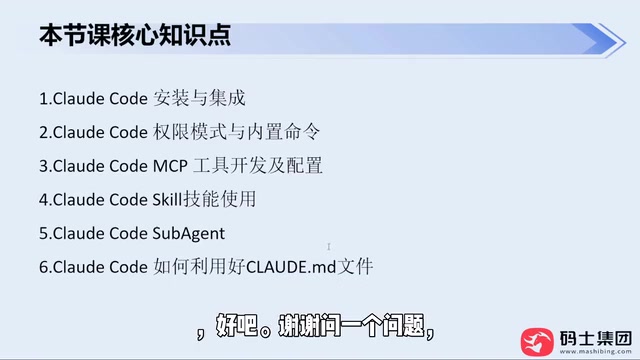
Based on a Bilibili creator's hands-on sharing, this guide covers Claude Code installation (NPM recommended), permission modes, slash commands, CLAUDE.md configuration, context management, and practical tips for stable use and avoiding account bans.
The Essential Difference Between AI Agents and Traditional AI: From Functions to Autonomous Task Executors
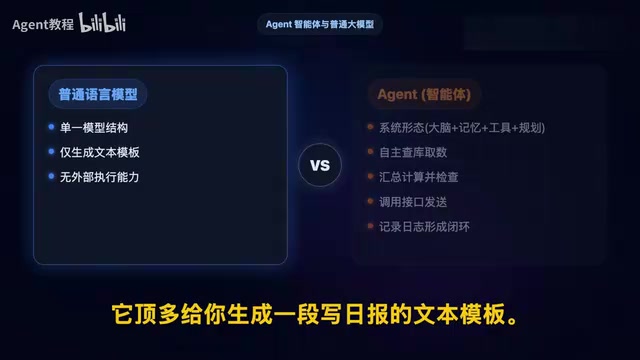
What is the essential difference between AI Agents and traditional AI? This article systematically breaks down the nature of Agents from six core components, dynamic decision-making authority, boundaries with Chatbots and Workflows, safety boundaries, and observability, helping you understand key concepts in LLM application development.
Dify Low-Code AI in Practice: RAG and Agents Made Easy
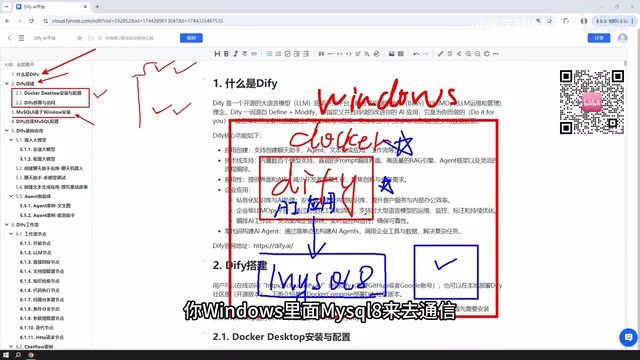
Based on a Bilibili Dify course, this article systematically covers Dify's five application types (Chat Assistant, Text Generation, Agent, Chat Flow, Workflow), Windows + Docker deployment, MySQL connection configuration, model integration strategies, and application publishing methods, helping beginners quickly build their own intelligent assistants.