Waymo Self-Driving Cars Caught Again: Illegal School Bus Passing Persists After Software Fix
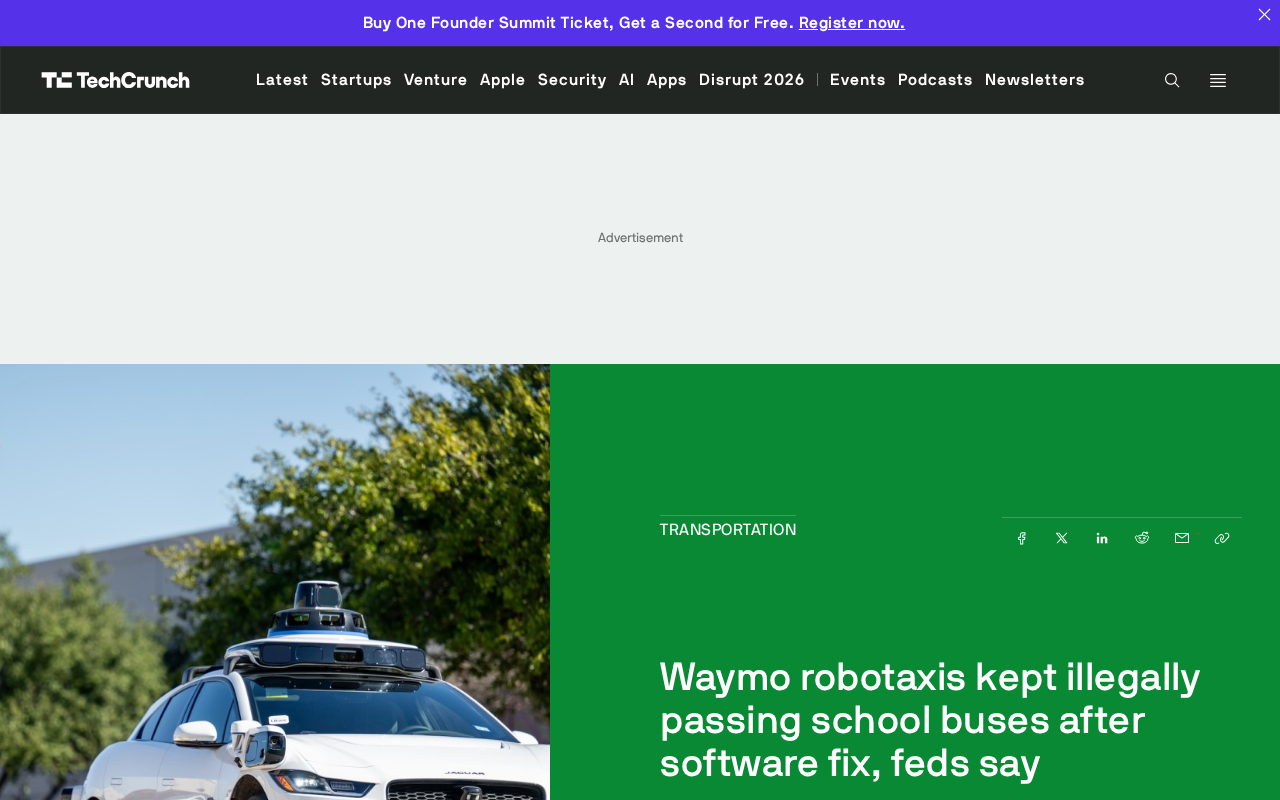
Waymo robotaxis still illegally pass school buses after software fix, exposing long-tail scenario weaknesses and regulatory pressure.
Federal regulators disclosed that Waymo robotaxis continued to illegally pass school buses even after a software update nearly a year ago, suggesting the fix may not have addressed fundamental perception or decision-making flaws. The school bus stop scenario — involving stop arm recognition and dynamic student environments — is a classic long-tail case demanding high system robustness. Federal regulatory involvement puts Waymo under stricter safety scrutiny and could trigger industry-wide legislative and trust consequences, reminding autonomous driving companies that software updates must be verified against real-road performance with transparent safety reporting.
Incident Overview: Software Fix Fails to Eliminate Violations
According to federal regulators, Waymo's self-driving taxis continued to illegally pass school buses even after a software update was rolled out nearly a year ago. The news has reignited doubts about the safety of autonomous driving systems in complex traffic scenarios. When a school bus stops and extends its stop arm, surrounding vehicles must stop and wait — a basic rule designed to protect student safety — yet Waymo's robotaxis have failed to reliably comply.

Federal officials noted that although Waymo claimed to have resolved the issue through a software fix, violations have continued to occur after the update. This suggests that the autonomous driving system may still have perception or decision-making deficiencies when handling the specific scenario of a school bus stop signal.
Root Cause: Blind Spots in Perception and Decision-Making
The school bus stopping scenario appears simple but actually poses multiple challenges for autonomous driving systems. The shape, color, and position of school bus stop arms vary across vehicle models, and students may be moving around the bus during stops, creating a dynamic and complex environment. Waymo's system may have failed to accurately recognize the stop arm as a mandatory stop signal, or failed to assign sufficient priority to that signal during path planning.
More concerning is that the software fix was supposed to address a known problem, yet violations continued after the fix — suggesting the root cause may run deeper than expected. Is it insufficient detection rates of the stop arm in the perception model, or does the decision module ignore traffic rules under certain conditions? While publicly available information remains limited, this incident exposes the need for significant improvement in the robustness of autonomous driving systems in long-tail scenarios.
The hierarchical relationship between perception and decision-making in autonomous driving architecture is typically divided into four modules: perception, prediction, planning, and control. The perception module is responsible for detecting and classifying targets (such as vehicles, pedestrians, and traffic signs) from sensor data including cameras and LiDAR; the prediction module infers the future trajectories of other traffic participants; and the planning module generates driving paths by combining traffic rules with prediction results. Recognizing a school bus stop arm is a target detection problem at the perception layer, while whether to stop and wait involves modeling traffic rule constraints at the planning layer. When violations persist, it could be that the perception layer fails to stably detect the stop arm (due to missed detection from angle, lighting, or occlusion), or that perception is correct but the planning layer fails to correctly map "stop arm extended" to the hard constraint of "must stop." Distinguishing between these two failure points is key to root cause analysis.
Long-tail Scenarios refer to edge cases that occur with very low frequency but in great variety in the real world. Autonomous driving systems rely on large-scale data training, yet scenarios such as school bus stops, temporary traffic control, and accident scenes account for a very small proportion of training data while being critical to safety. The difficulty of the long-tail problem lies in the impossibility of exhaustively enumerating all possible scenario combinations, and the statistical difficulty of adequately learning low-frequency events. The industry typically uses scenario mining, simulation testing, and shadow mode to discover and cover long-tail cases, but the school bus violation incident demonstrates that patching known cases through software updates alone is insufficient to guarantee system robustness on real roads.
Regulatory Pressure and Industry Impact
The involvement of federal regulators in this matter means autonomous driving companies are facing stricter safety scrutiny. School bus safety is a highly sensitive public issue in the United States, and any violation involving student safety could trigger a chain reaction at the legislative and regulatory levels. As a leader in autonomous driving commercialization, Waymo's performance will be viewed as an industry benchmark, and this incident could affect public trust in robotaxis.
From an industry perspective, this incident serves as a reminder to all autonomous driving developers: software updates cannot end with "push complete" — continuous monitoring of real-road performance and verification of fix effectiveness are essential. Regulators may also require companies to provide more transparent safety data and incident reporting mechanisms.
NHTSA and the Autonomous Driving Regulatory Framework The National Highway Traffic Safety Administration (NHTSA) is the federal agency responsible for vehicle safety regulation, and its involvement with autonomous driving systems typically occurs through defect investigations and voluntary safety reporting mechanisms. NHTSA requires vehicles equipped with Level 2 and above autonomous driving features to report safety incidents involving collisions or violations, and has the authority to initiate recalls for vehicles with safety defects. In the Waymo school bus incident, federal regulatory involvement means the issue may be incorporated into a formal investigation process; if a systemic defect is confirmed, it could trigger recall requirements or mandatory software corrections, which has direct implications for the compliance costs and legal risks of autonomous driving commercial operations.
Safety Culture and Future Challenges
Waymo has consistently emphasized that its system undergoes rigorous testing, but the school bus violation incident shows that edge cases on real roads are far more diverse than test scenarios. Autonomous driving companies need to build a stronger safety culture, including rapid response to violation incidents, root cause analysis, and open and transparent communication.
For ordinary passengers and pedestrians, this incident is a reminder: while autonomous driving technology is advancing, it is still far from perfect. Regulators, companies, and the public need to work together to raise safety standards and ensure that technological innovation does not come at the expense of public safety. In the future, how Waymo responds to this regulatory challenge and whether it will make more fundamental improvements at the system level will remain under close scrutiny.
Related articles
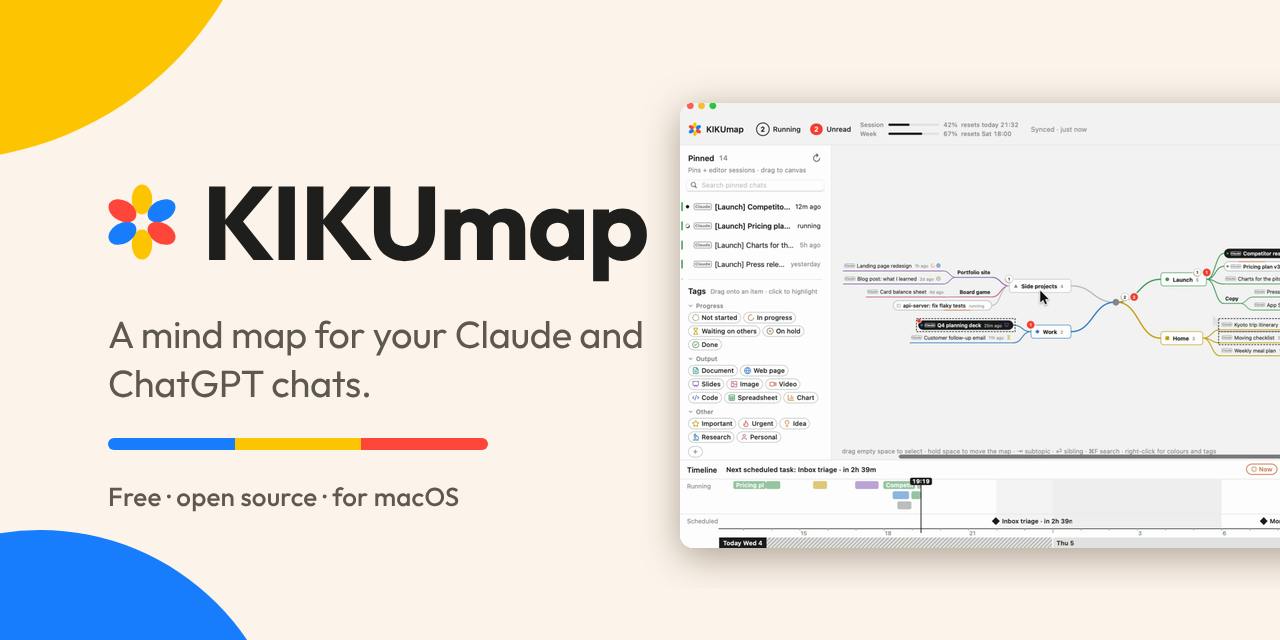
KIKUmap: Manage Your Claude and ChatGPT Conversations with Mind Maps
KIKUmap is a macOS menu bar app that visualizes Claude and ChatGPT conversations as mind maps with real-time status. Free and open source.
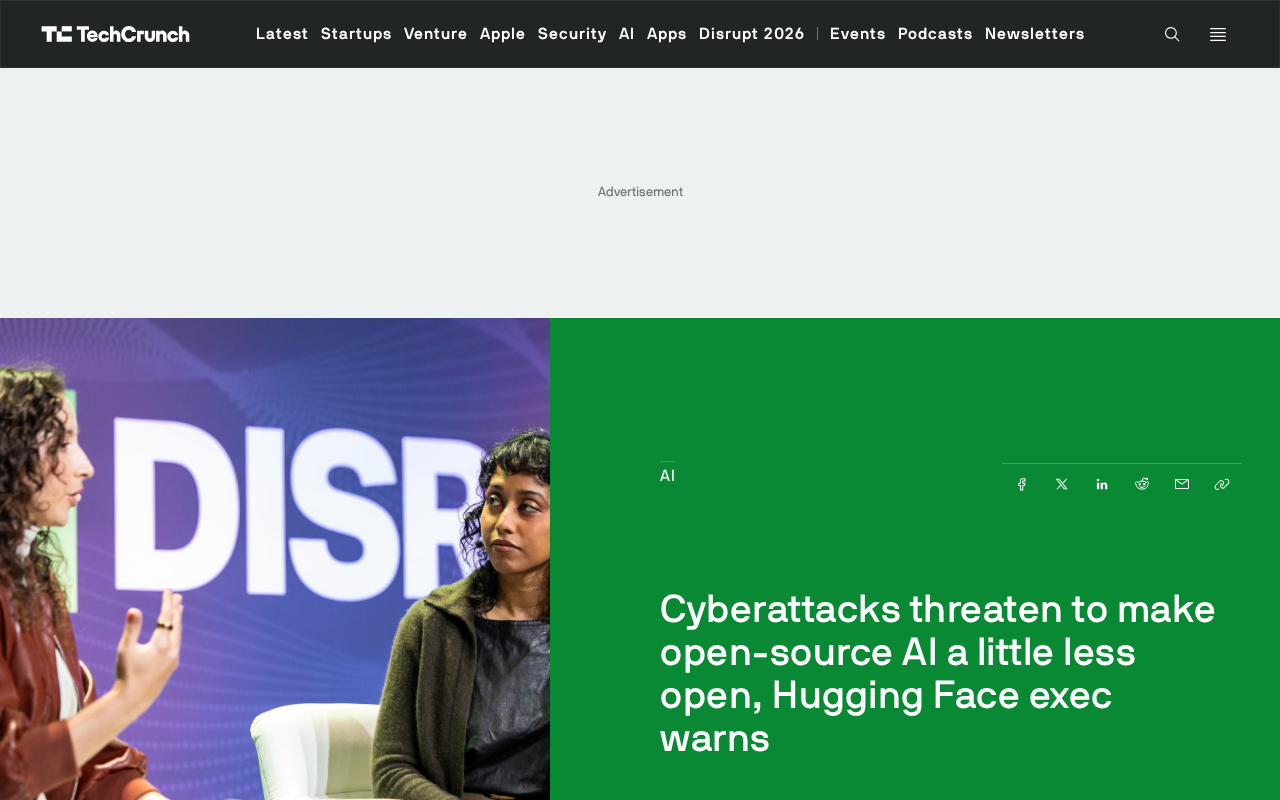
Hugging Face Executive Warns: Cyberattacks Are Eroding the Openness of Open-Source AI
Hugging Face executive Irene Solaiman warns that rising cyberattacks on open AI platforms may force stricter security limits, threatening the openness of the open-source community and affecting the developer ecosystem.
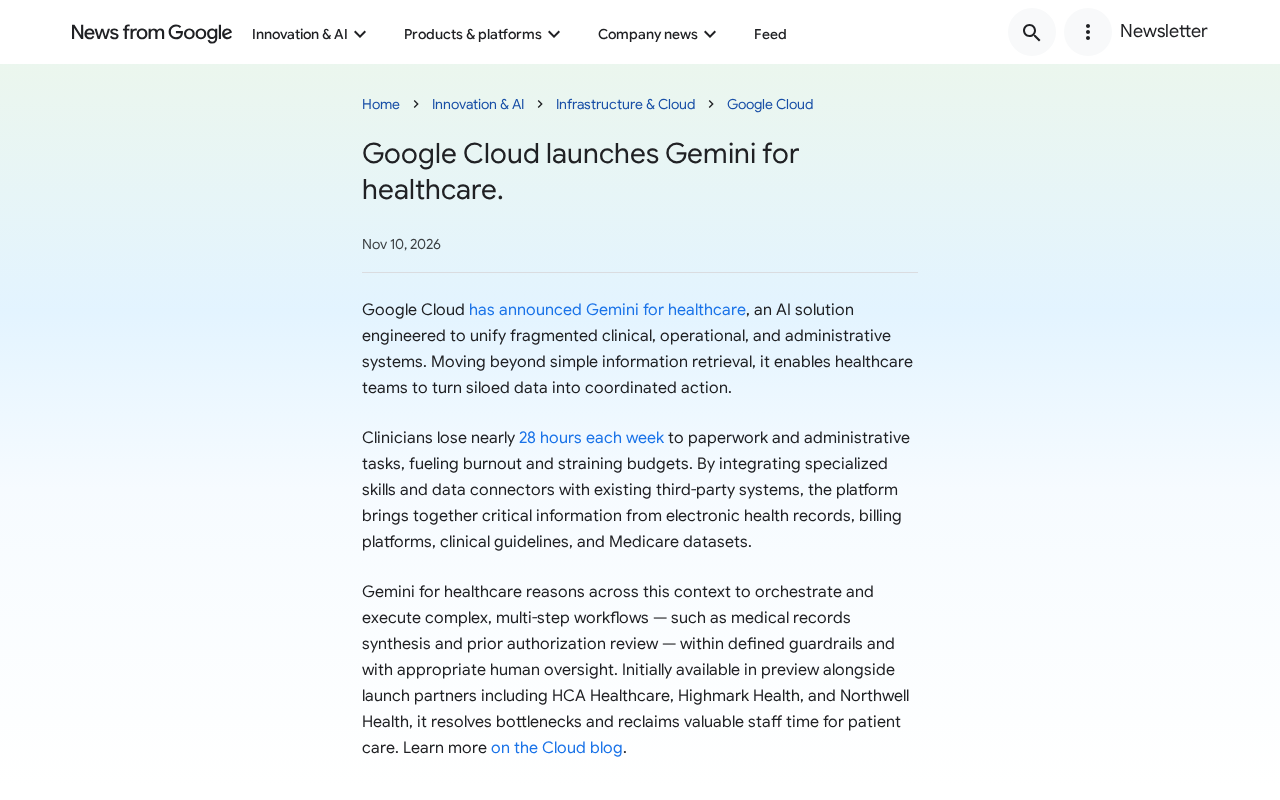
Google Cloud Launches Healthcare Version of Gemini: Integrating Clinical Data and Automating Workflows
Google Cloud releases healthcare version of Gemini, focusing on unified clinical data and automated workflows to reduce administrative burnout. Analysis of positioning, challenges, and the healthcare AI landscape.