Will Using Colored Highlights in an ICLR Rebuttal Get You Rejected?
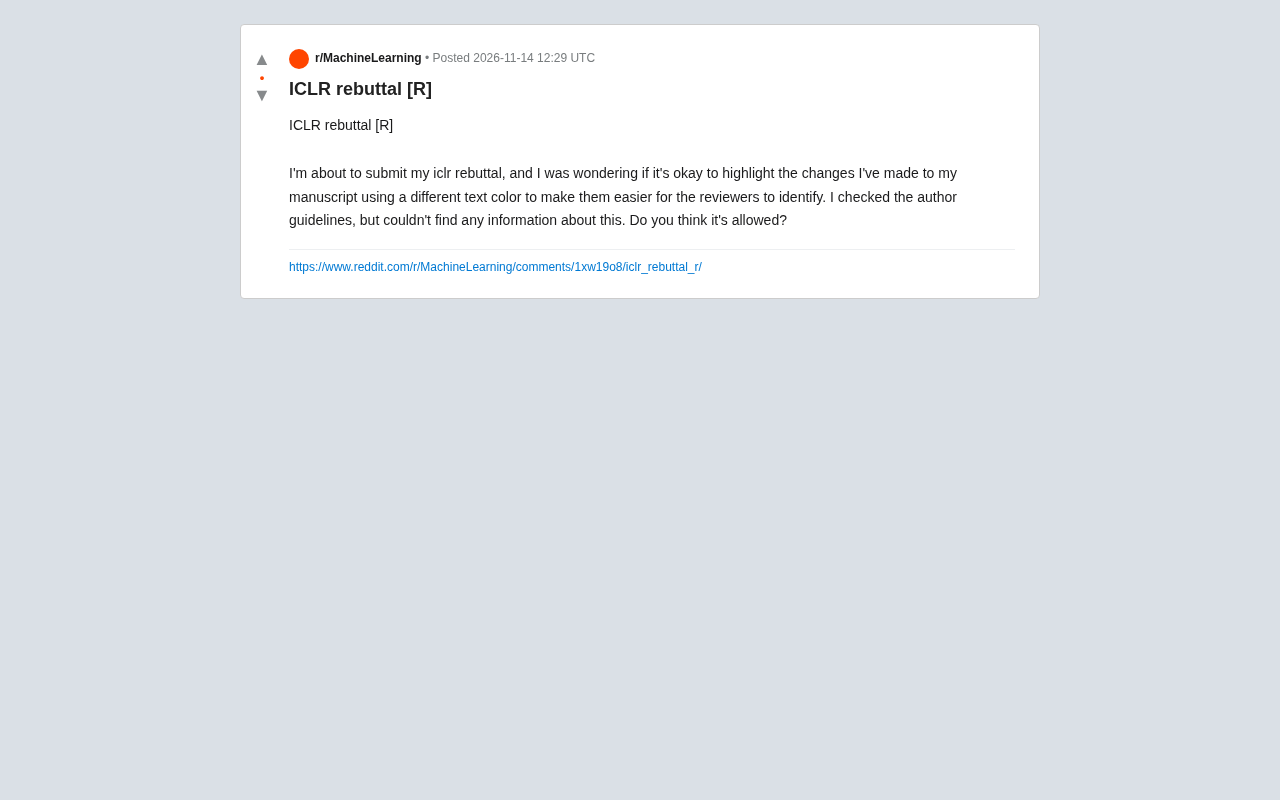
Is colored annotation in an ICLR rebuttal acceptable? With rules silent, weigh reviewer experience—clear communication beats format.
This article examines whether colored text annotations are allowed during ICLR rebuttals. Author guidelines usually don't specify such operational details; silence doesn't mean prohibition, but authors must assess the risk themselves. From a reviewer's perspective, colors can reduce the cost of locating revisions, but light colors or large colored areas may backfire and even affect the review impression. More important than color are point-by-point responses, traceable revision locations, and a restrained tone. Practically, use high-contrast colors, annotate only key revised sentences, and explain the color meaning in the rebuttal letter; a conservative alternative is precise page references. The core conclusion: clarity always matters more than aesthetics, and communication always matters more than format.
A Small Question That Leaves Authors Torn
A Reddit user raised a seemingly simple question before submitting an ICLR rebuttal that has left many people conflicted: can you use differently colored text to mark revisions in the manuscript so reviewers can identify them more easily? They checked the author guidelines but found no explicit rule, so they posted for help (see image below).
This question actually involves two levels: first, whether the conference's official rules permit it, and second, how reviewers actually experience it. For authors going through a top-conference rebuttal for the first time, these details often cause more anxiety than the technical content itself.
Why the Official Guidelines Are "Silent"
ICLR's author guidelines typically spell out page limits, formatting, and anonymity in detail, but they rarely address operational specifics like "whether colored annotations are allowed during rebuttal." This silence does not equal prohibition, nor does it equal encouragement.
From the organizers' perspective, guideline writers focus more on hard rules that could affect review fairness—such as exceeding page limits, violating double-blind review, or supplementary material formatting. Colored annotations are a matter of expression style and generally are not listed as a separate violation. But precisely because of this, authors must judge the risk themselves: if the guidelines don't explicitly allow it, might reviewers see it as "overstepping"?
A pragmatic standard for judgment: as long as it doesn't change the main text, introduce new information, or affect anonymity, purely visual annotations usually won't be considered a violation. The premise is that the annotation method is clear enough not to confuse reviewers.
ICLR (International Conference on Learning Representations) is one of the top conferences in machine learning, and its review process uses an open review model where all reviewer comments and author responses (rebuttals) are public on the OpenReview platform. The rebuttal phase typically lasts 1-2 weeks, during which authors respond point by point to each reviewer's comments and may submit a revised version of the paper. Because ICLR's review process is highly transparent, authors' expression choices in rebuttals (including whether to use colored annotations) are visible to all reviewers and the public, so formatting choices affect not only the review experience but also the author's professional image.
The Reviewer's Perspective: Helpful or Distracting?
From a reviewer's perspective, during rebuttal they need to quickly locate the author's response to each comment. If the author marks changes with colored text in the revised manuscript, it can indeed reduce the cost of searching. Especially when revisions are scattered across multiple paragraphs, color annotations are more intuitive than text pointers like "see page 3, paragraph 2."
But improper use of color can backfire. For example, light-colored text (such as yellow or light green) has low contrast on screen and is nearly invisible when printed; or coloring entire large sections can bury the key points in color. A safer approach is to annotate only the key revised sentences, and simultaneously state in the rebuttal letter that "colored text indicates revisions made in this round."
Another potential risk: some reviewers may feel that colored annotations make the manuscript look less formal, especially if colors shift during PDF rendering or printing. Although this subjective impression doesn't constitute a rule violation, it may subtly affect the review impression.
In academic paper PDF production, color management is an easily overlooked detail. Most conference templates use LaTeX's color or xcolor packages; if the color space is not set correctly (e.g., using RGB instead of CMYK), noticeable color differences may appear when printing. In addition, about 8% of men have red-green color blindness, for whom red and green annotations may be difficult to distinguish. Therefore, even when using high-contrast colors, other visual cues (such as bold, underline, or textual notes) should be added to ensure information isn't conveyed through a single color channel.
Three Things More Important Than Color
Rather than agonizing over color, first make sure the rebuttal itself is clearly structured. Based on practices shared by several experienced authors in the discussion, the following three points matter more than the annotation method:
First, respond point by point. Each reviewer comment should have a clear corresponding reply; avoid vague statements like "we have revised."
Second, make revision locations traceable. Whether you use color, bold, or page references, the core goal is to let reviewers quickly find the corresponding content in the revised manuscript. Color is only one means, not the only option.
Third, keep the tone restrained. A rebuttal is for clarification and supplementation, not a debate competition. Even when facing misunderstandings, first restate the reviewer's concern, then explain the revision or reasoning.
Practical Suggestions
If you decide to use colored annotations, consider the following practices:
- Use high-contrast colors (such as blue or red) and avoid light colors;
- Annotate only revised sentences or phrases, not entire paragraphs;
- State the meaning of the colors in one sentence at the beginning of the rebuttal letter;
- Before submitting, do a print preview of the PDF to confirm the colors remain distinguishable in grayscale (or at least don't hinder reading).
If you are more risk-sensitive, you can also skip color and instead precisely cite revision locations (page number, paragraph, line number) in the rebuttal letter. This approach is more conservative but equally effective.
Beyond the Rules, Communication Comes First
Back to the original post's question: the guidelines don't say whether it's allowed. From a conference rules perspective, the absence of a prohibition usually means it's permissible, but the final effect depends on how reviewers receive it. Colored annotations themselves aren't the problem; the question is whether they serve the goal of "making it easier for reviewers to understand your revisions."
If annotations make the response clearer, they are a plus; if they make the manuscript look flashy or hard to read, the loss outweighs the gain. In the high-pressure context of a top-conference rebuttal, clarity always matters more than aesthetics, and communication always matters more than format.
Related articles
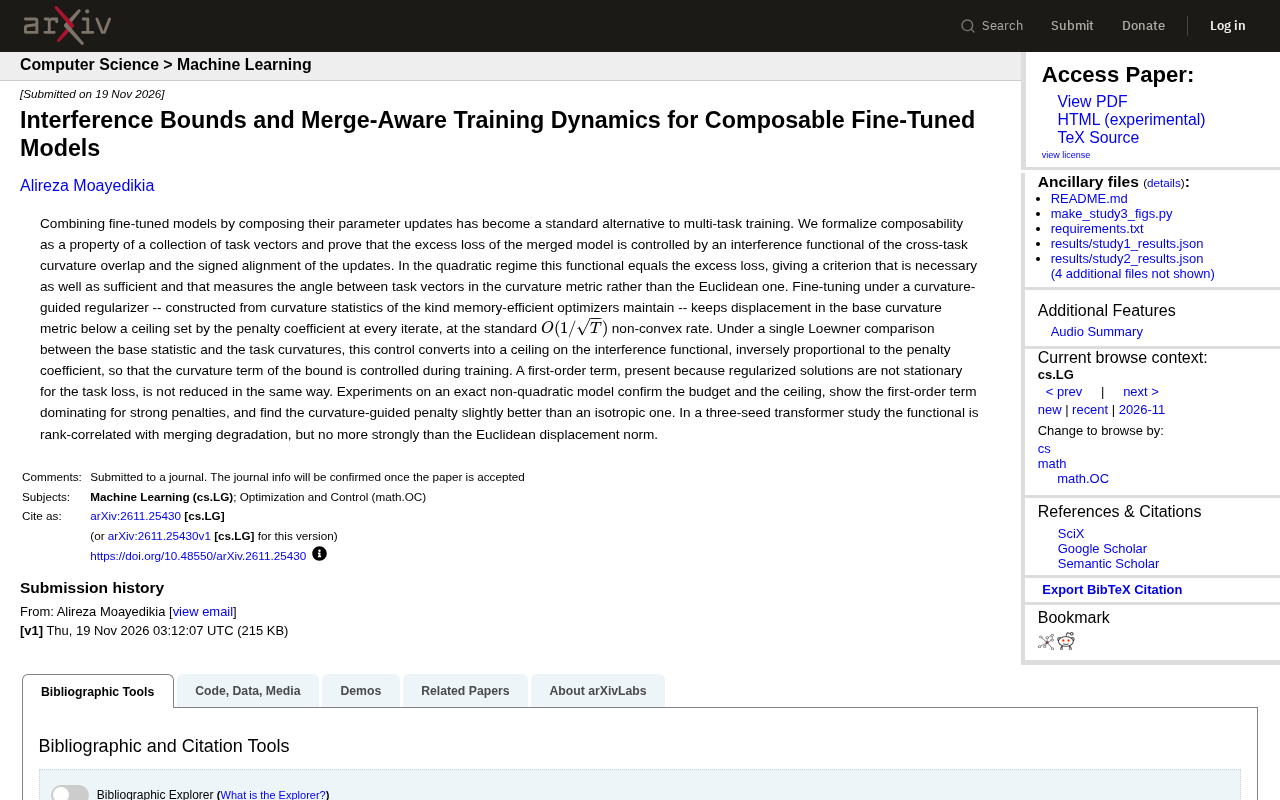
New Breakthrough in Model Merging: Interference Bounds and Curvature-Guided Training
This article interprets new theoretical advances in model merging: characterizing merging excess loss via an interference functional, proposing curvature-guided regularized training, and analyzing its experimental performance and limitations on Transformers.
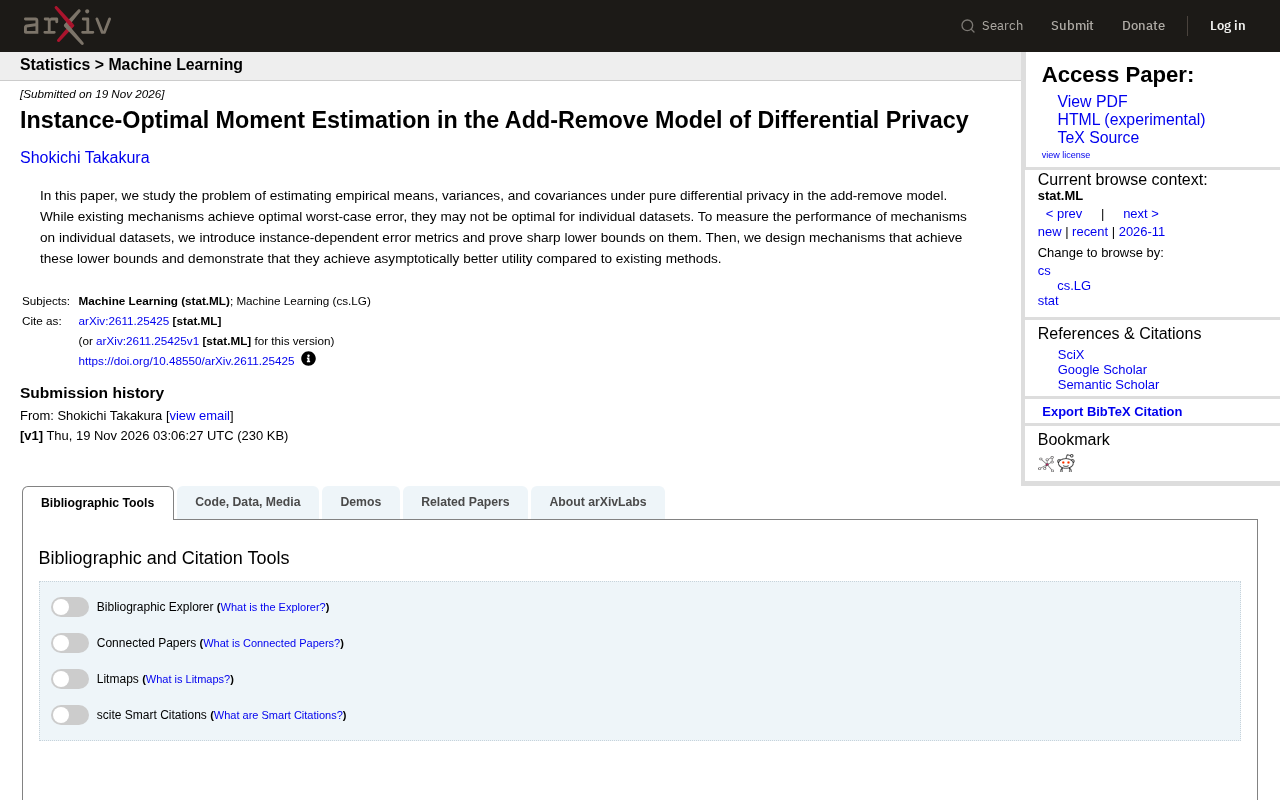
A New Breakthrough in Differential Privacy: How to Achieve Instance-Optimal Moment Estimation?
This article interprets research on instance-optimal moment estimation under the add-remove model of differential privacy, covering instance-dependent error metrics, tight lower bound proofs, and new mechanism design, comparing with existing methods to show utility gains and discussing implications for privacy-preserving practice.
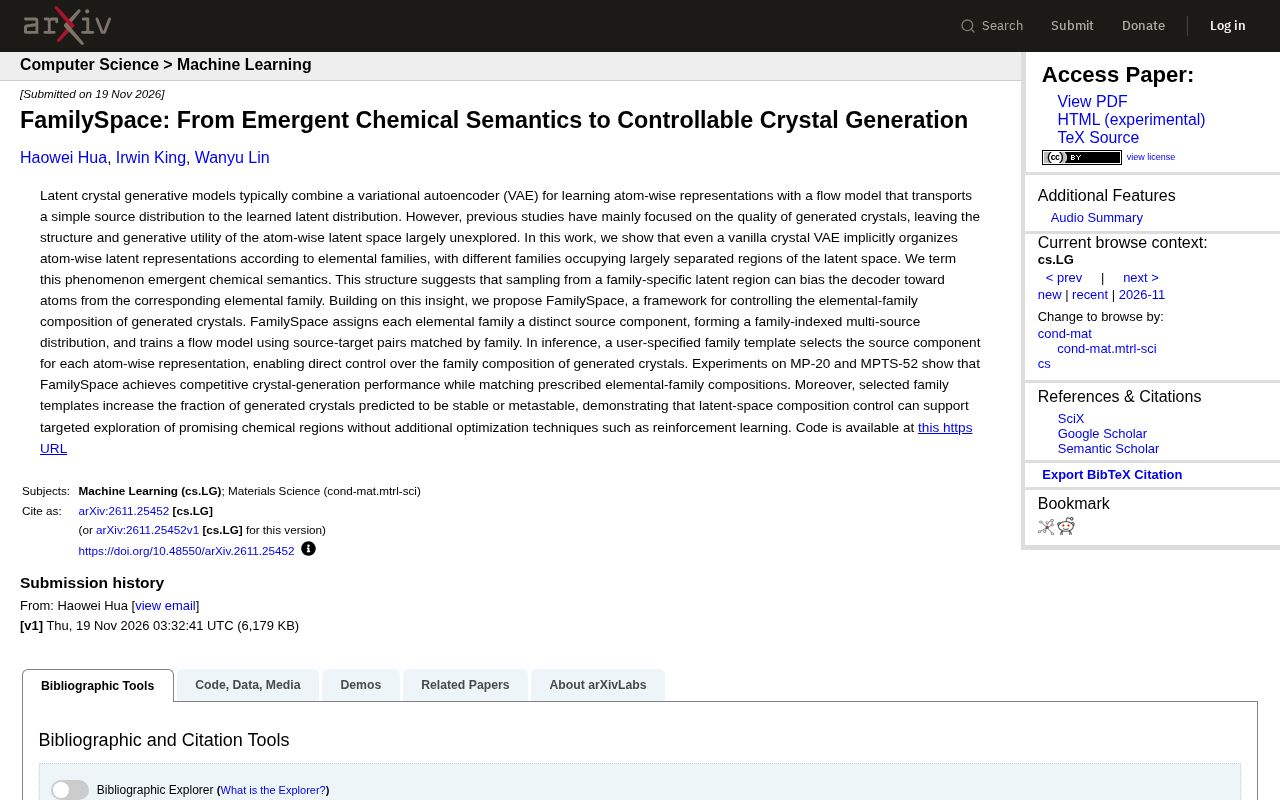
FamilySpace: From Emergent Chemical Semantics to Controllable Crystal Generation
Crystal generation latent spaces spontaneously cluster by elemental family? FamilySpace leverages this emergent chemical semantics to enable composition-controllable crystal generation via multi-source flow models, balancing quality and stable exploration on MP-20 and MPTS-52.