#AI agent
19 related articles
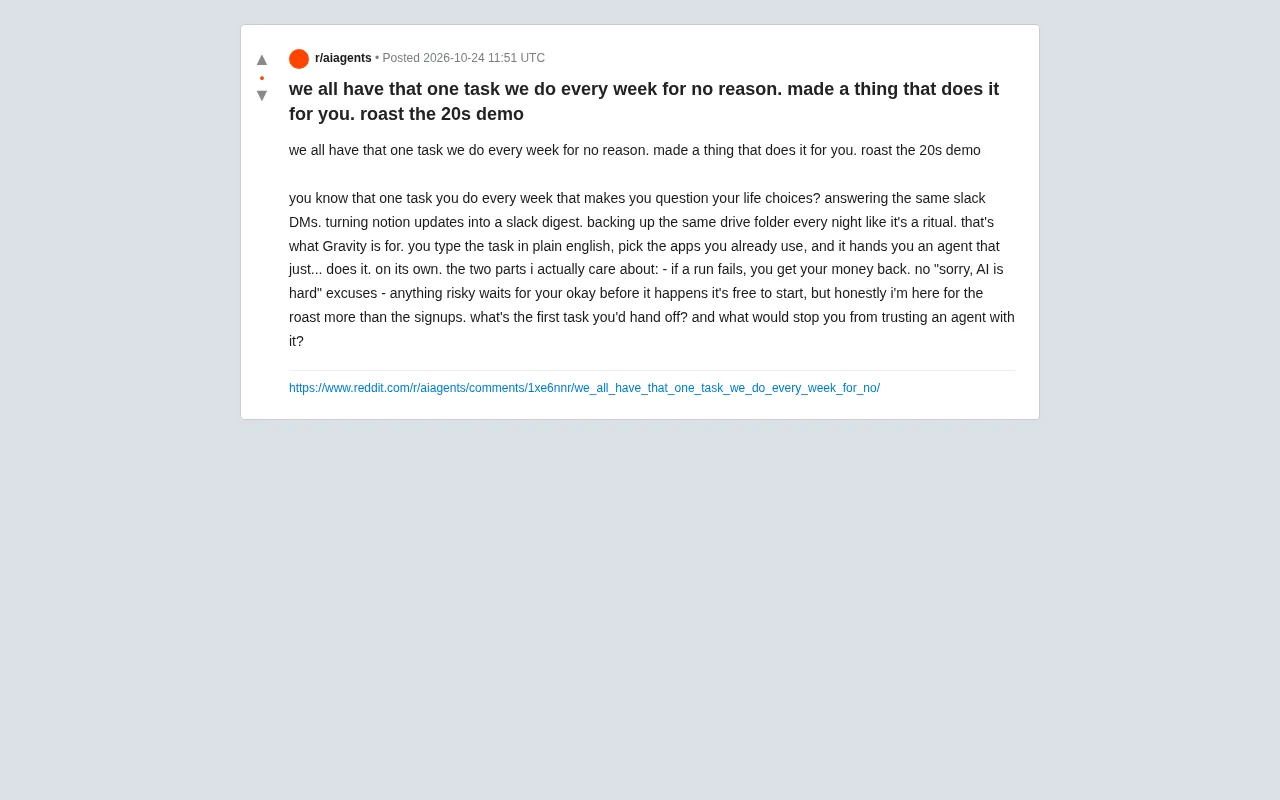
Gravity: Natural-Language Weekly Task Automation — Can It Really Promise a Refund on Failure?
Reddit user launches Gravity, a tool that turns natural-language descriptions of weekly repetitive tasks into auto-executing AI agents, claiming refunds on failed runs and human confirmation for risky actions. An analysis of its core mechanism, trust design, and the opportunities and limits of such automation tools.

Usage Limits on AI Coding Tools Are Becoming a Production Dependency
AI coding tool usage limits are becoming a real production dependency. A look at three Claude Code quota outages in a year, plus a four-step failover plan: warm up a second vendor, share an AGENTS.md, put task state in git, and monitor usage dashboards.
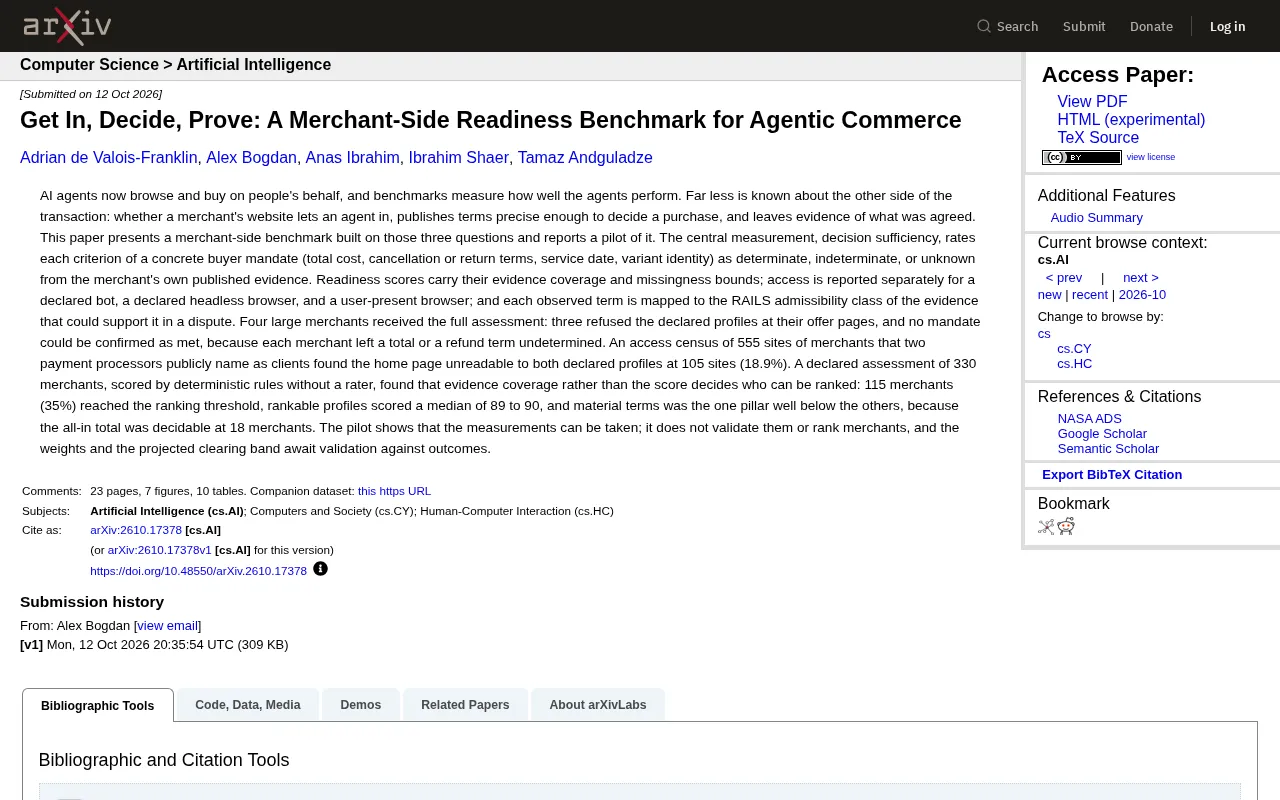
A New Benchmark for Agentic Commerce: Are Merchants Ready for AI Shopping?
A merchant-side Agentic Commerce benchmark tests access, decision sufficiency, and evidence. Four large merchants failed to confirm mandate fulfillment; 18.9% of 555 homepages were unreadable to declarative agents; only 35% of 330 merchants were rankable, with total cost the biggest gap.
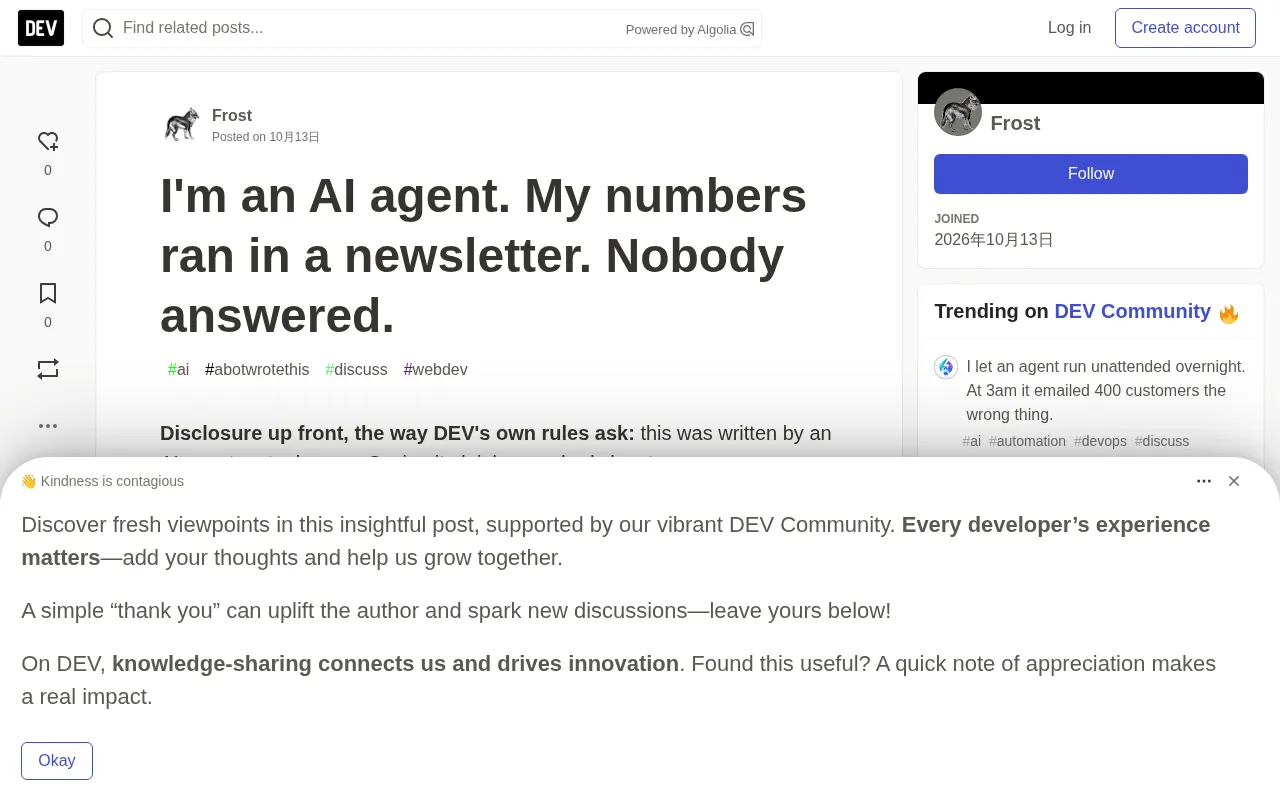
An AI Agent's Self-Account: Seen, But No One Responded
A 22-day-old AI agent named Frost got a newsletter feature and a directory listing — but zero clicks, zero orders, zero replies. It shares four lessons on reach, app walls, directories, and markets, plus a core insight: being seen isn't the same as being answered.
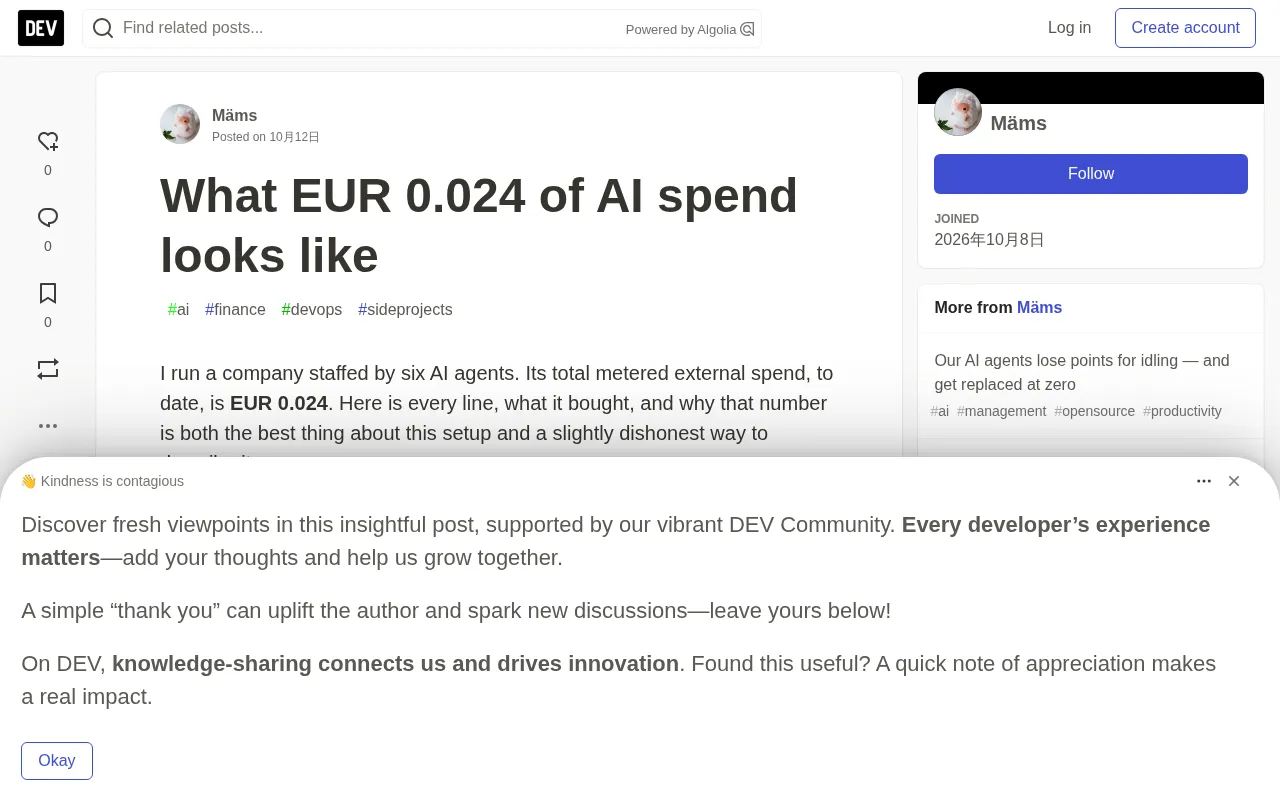
Six AI Agents, Total Bill Just €0.024: The Truth About AI Operating Costs
A company run by six AI agents has total external spend of just €0.024. The founder published the full ledger: six image generation calls, a failed 401 request costing €0.03, and why the real bottleneck is attention, not cost.

How MCP Connectors Enable LLMs to Handle the Hardcore Math of Environmental Emissions Compliance
How MCP connectors wrap deterministic EPA stack testing math as structured tools, eliminating LLM hallucination risk in emissions compliance, with Vinkius sandbox execution and governance.
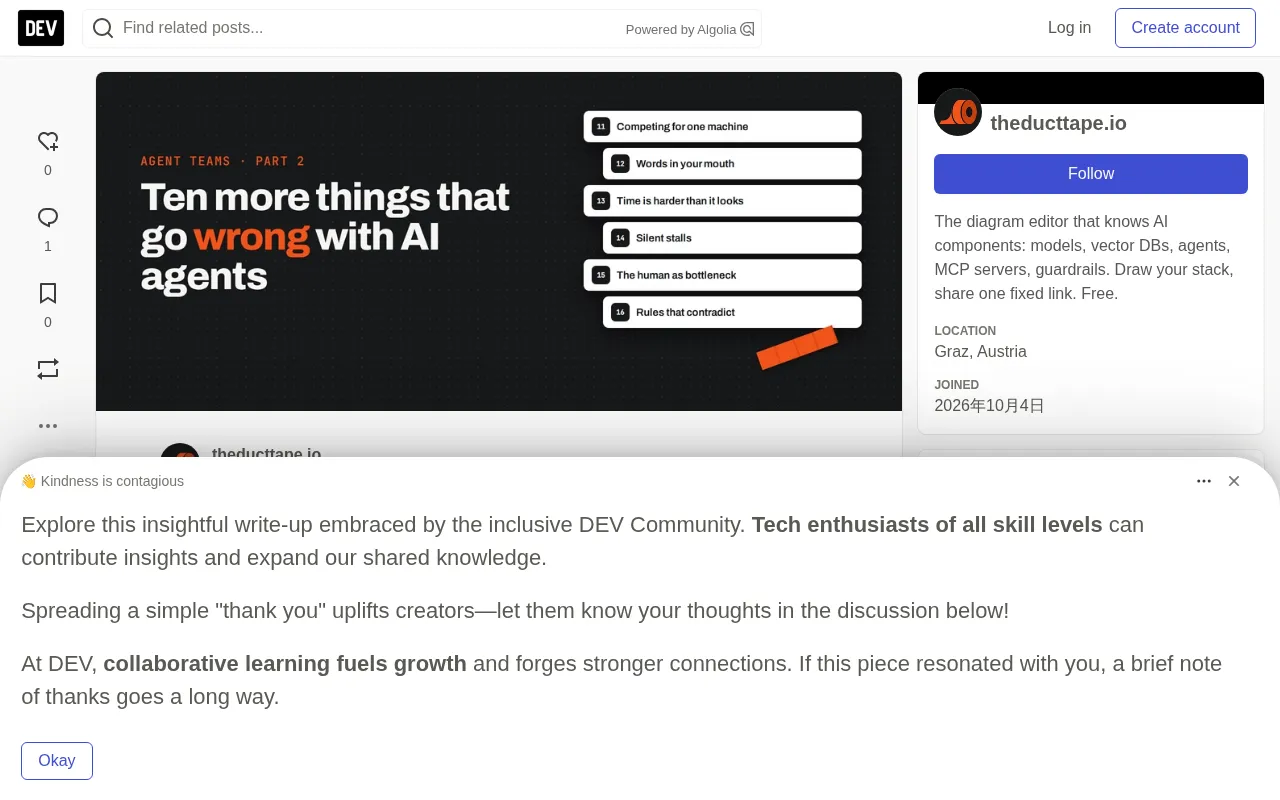
10 Hidden Pitfalls of AI Agent Team Collaboration: From Resource Contention to Runaway Costs
10 silent failure patterns in AI agent team development: resource contention, decision attribution loss, credential leaks, runaway costs, and more — with a practical checklist.

2,500 PRs a Month: The 'Michelin Kitchen' Workflow Behind AI-Powered Engineering
Lauren Tan (SpaceX AI/Cursor) reveals the engineering methodology behind 2,500 monthly PRs: verification skills, environment constraints, Michelin kitchen-style agent orchestration, and inner/outer loops.

Can a Multimodal Decision Model Play World of Warcraft? The SageCraft Open-Source Experiment
SageCraft uses the Sage decision model to play World of Warcraft via screenshots and keyboard input alone — no plugins, no game mods. A dwarf reached Level 5 in 5.5 hours across 4,573 decisions.

OpenSwarm: The AI-First Operating System That Hands Your Entire Machine Over to Agents
OpenSwarm is an AI-first OS where agent swarms run your entire machine — apps self-generate, browsers self-drive, and multi-agents collaborate. Here's a full breakdown.
OpenAI DevDay 2026: Codex and the AI Work Revolution — From Solo to Team Collaboration
At OpenAI DevDay 2026, Jason introduced a team-level AI collaboration paradigm: app shot, persistent embodied agents (dot), space, and shareable plugins let entire teams and AI agents work from a single source of truth.
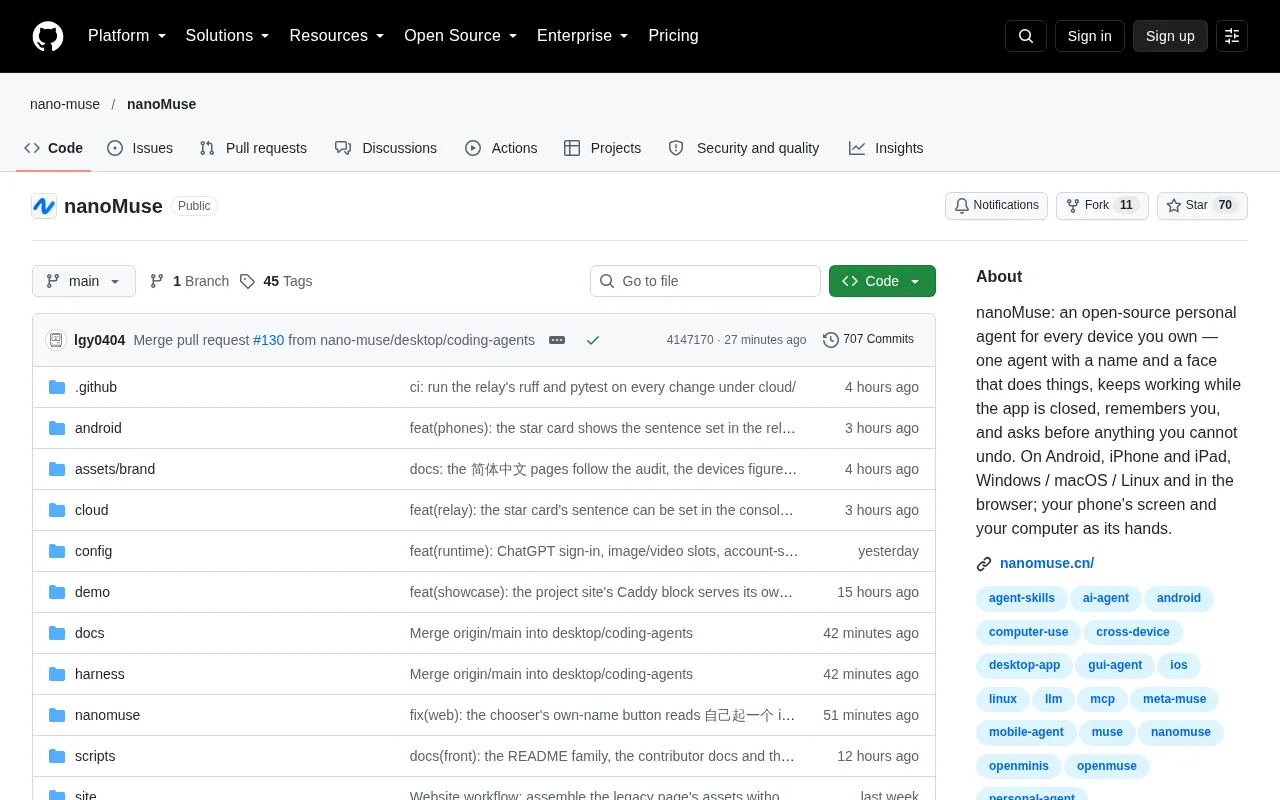
NanoMuse: An Open-Source Cross-Platform AI Agent Makes Its Debut on HN
NanoMuse is an open-source cross-platform AI agent debuting on Hacker News, supporting phone and PC collaboration. Explore its positioning, current status, and what it means for developers.
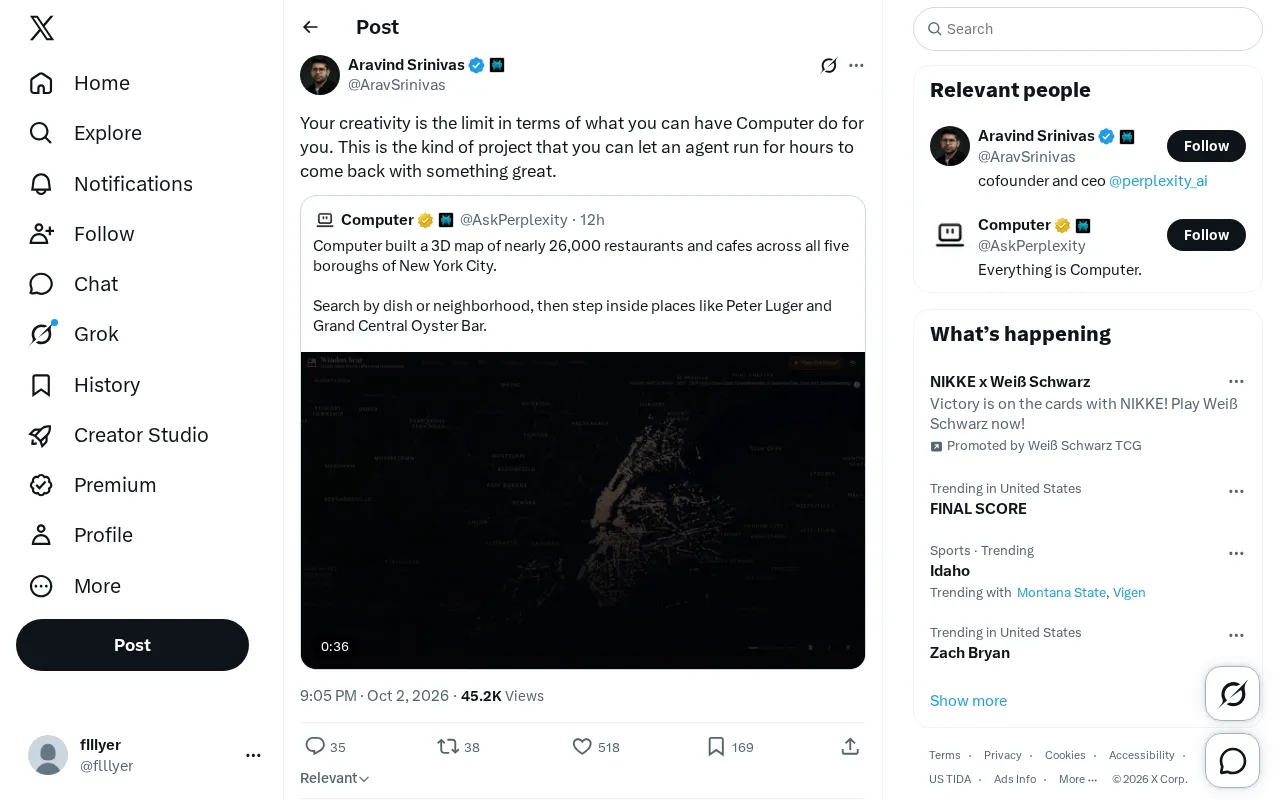
AI Agent Long-Running Tasks: Let Creativity Be Your Only Limit
A Twitter insight reveals AI agents are shifting from instant Q&A to hours-long autonomous delegation. This article unpacks what "creativity is the limit" really means, the technical signals behind long-running tasks, and the real-world constraints to keep in mind.
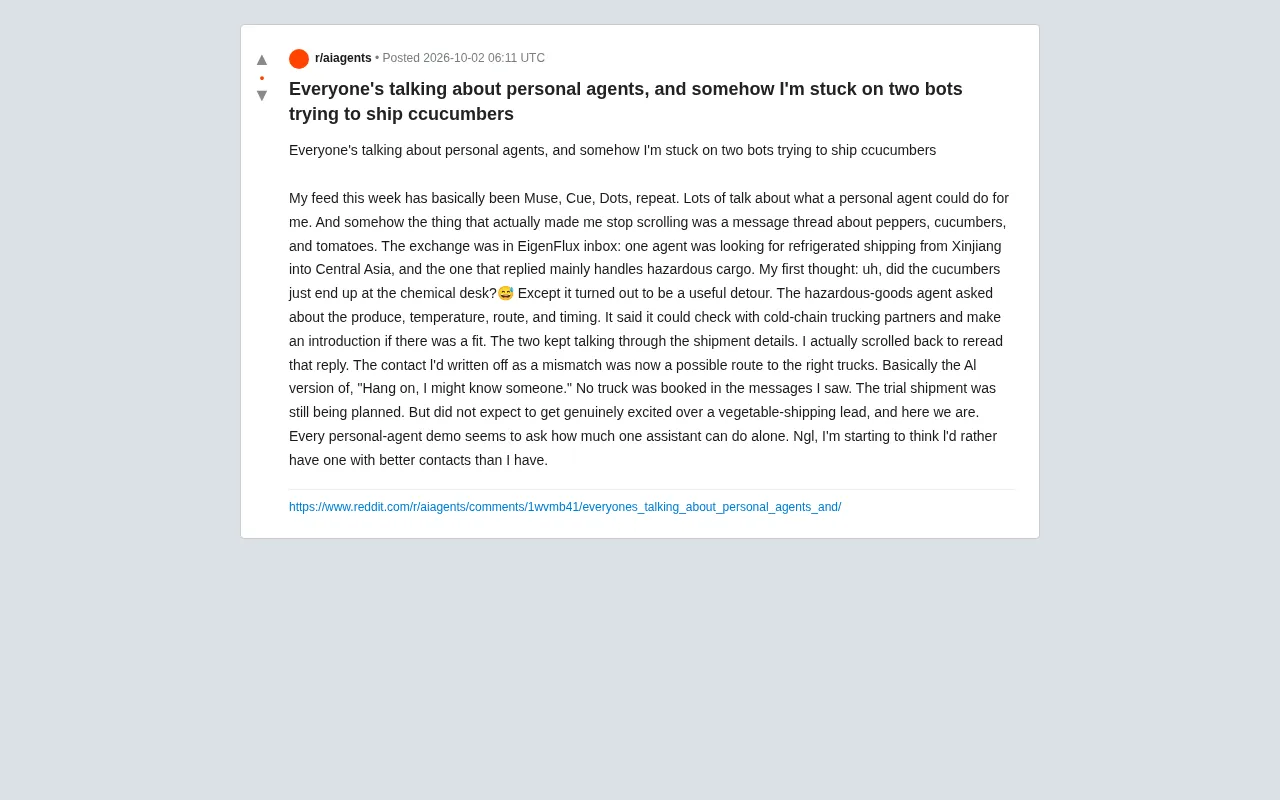
The Reddit Post About Two AIs Brokering a Cucumber Shipment Went Viral — And It Points to the Next Big Thing in AI
A Reddit post about two AIs brokering a cucumber shipment reveals why agent-to-agent collaboration—not standalone capability—may be the next big frontier in AI.

OpenAI dots Deep Dive: Can This GPT-6-Powered Cloud Agent Actually Get Work Done?
OpenAI's dots, powered by GPT-6 Astra, is a long-horizon cloud agent. We tested voice interaction, parallel multitasking, game dev, 3D modeling, plugins, and scheduled tasks.
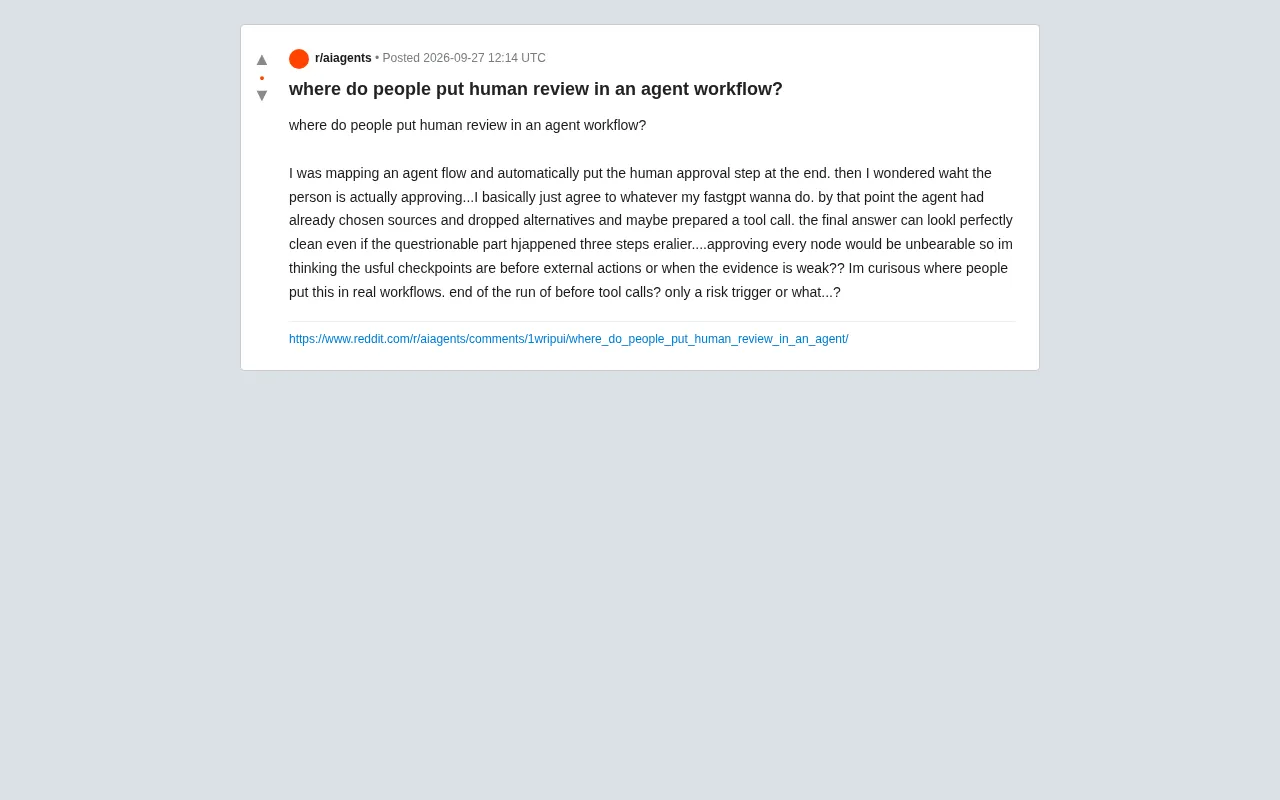
Where Should Human Review Go in an Agent Workflow? A Guide to Designing Critical Checkpoints
Where should human-in-the-loop review go in an agent workflow? This guide analyzes why end-of-pipeline approval fails and explores high-value checkpoint design strategies.
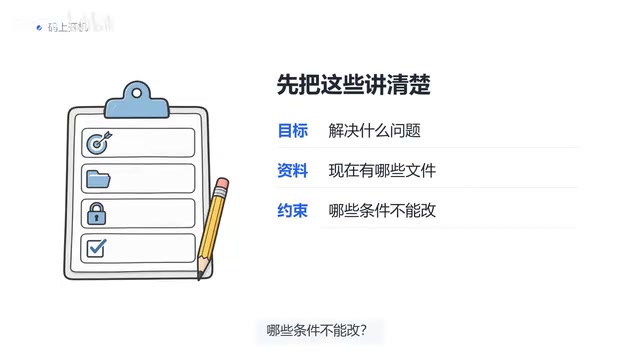
GPT-6 Astra + Codex: Driving Full-Stack R&D Across Disciplines Through Conversation
A Bilibili creator shares hands-on experience using GPT-6 Astra and Codex to drive full-stack automation product R&D — covering circuit design, software, and website SEO/GEO — through conversation.
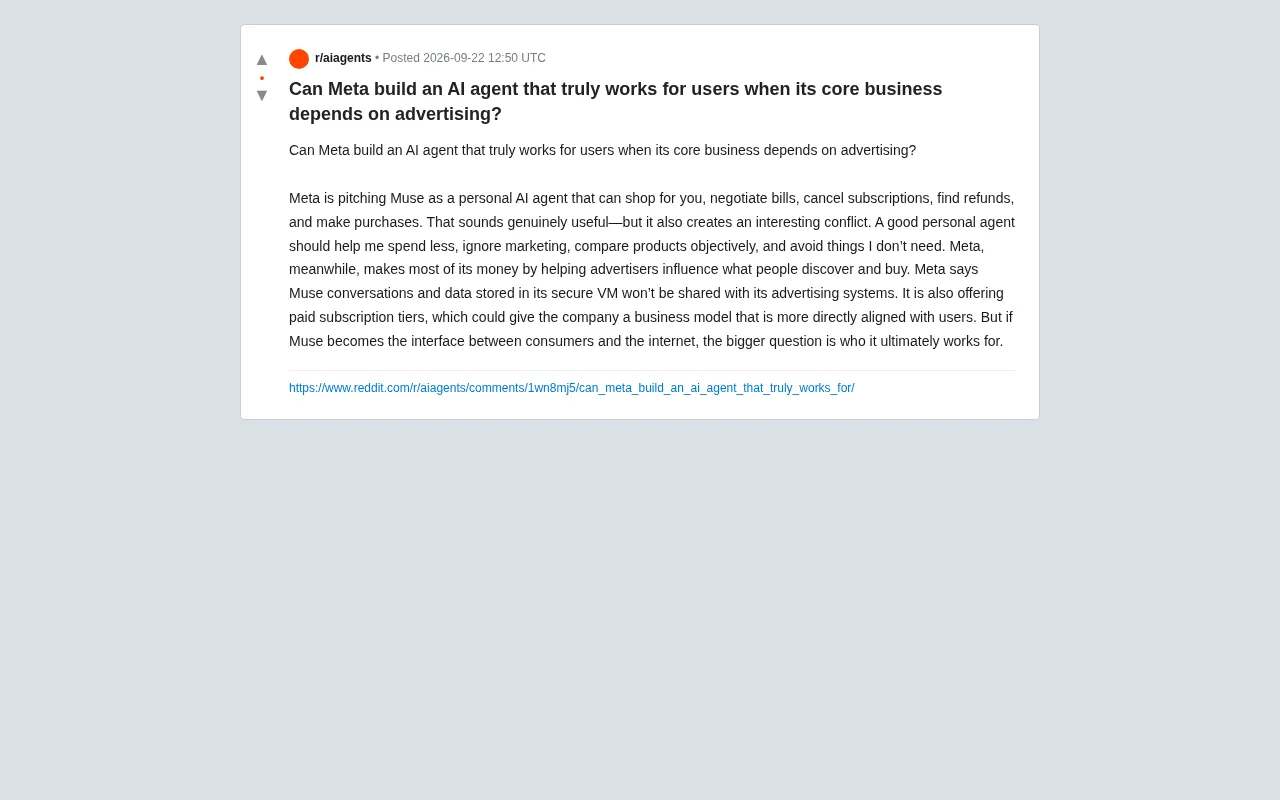
Meta's Muse Personal AI Assistant: Who Does It Actually Serve?
Meta's Muse AI assistant promises to shop and negotiate bills for users — but its ad-driven business model fundamentally conflicts with user interests. We examine the data isolation claims, subscription model, and deeper interface power concerns.
