AI-Powered Website Design: Can It Really Put You Years Ahead of Competitors?
AI-Powered Website Design: Can It Real…
Lu Songsong uses AI to redesign his website backend, revealing both AI's efficiency gains and cognitive moats.
Lu Songsong shared his practice of using AI to redesign the Songsong Cloud backend, employing a progressive strategy of validating on small projects before scaling up. While current AI tools (Cursor, V0, Midjourney, etc.) have dramatically improved development efficiency, true design leadership depends on the user's industry knowledge and product intuition — AI is a capability amplifier, not a creator.
When AI Meets Website Design, Can Efficiency Really Leap Generations?
Lu Songsong, a well-known Chinese internet blogger and veteran of the webmaster community, recently shared his process of using AI to redesign the Songsong Cloud backend. In his video, he confidently stated: "Through my ideas combined with AI execution, the design philosophy of Songsong Cloud's backend will definitely be years ahead of our competitors."
This statement attracted considerable attention. How much transformation can AI-assisted website design really bring? Can one person's vision combined with AI's execution truly achieve a generational lead in design philosophy?

Lu Songsong's Complete AI Website Building Practice
Late-Night Debugging: From Blog University to Songsong Toolbox
The video documents an ordinary work night — at 10:30 PM, Lu Songsong and his colleague were still debugging the "Blog University" website, a previously revamped project in its testing phase.
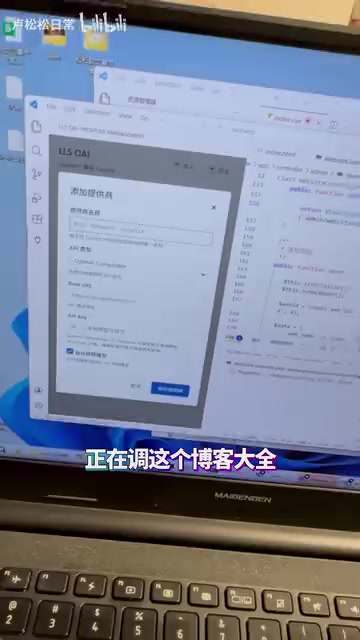
From his description, this wasn't an isolated website redesign but rather a systematic upgrade strategy. He repeatedly adjusted the "Songsong Toolbox" site to lay the groundwork for the overall upgrade of Songsong Cloud. In other words, the current work was about using AI to validate design concepts, accumulate experience, and prepare for more complex system overhauls.

Progressive Validation: A Small-Steps-Fast-Iterations Methodology
Lu Songsong's approach reflects a pragmatic technology implementation mindset with solid methodological foundations. This strategy corresponds to the iterative delivery philosophy of Agile development in software engineering, as well as the MVP (Minimum Viable Product) validation method from Lean Startup methodology. In AI-assisted development scenarios, this strategy is particularly important — AI-generated code and design solutions carry inherent uncertainty. Validating on low-risk small projects first effectively identifies the capability boundaries and potential issues of AI tools, then replicating verified workflows to core systems significantly reduces the risk of large-scale overhauls.
Specifically, Lu Songsong's implementation path consists of three steps:
- Validate with small projects first: Test AI-assisted design effectiveness on relatively simple sites like Songsong Toolbox
- Accumulate reusable experience: Document and preserve validated design patterns and AI workflows
- Gradually extend to complex systems: Eventually apply to core products like the Songsong Cloud backend
This "small steps, fast iterations, progressive refinement" approach is far more reliable than immediately overhauling core systems.

The Real Capabilities and Boundaries of AI in Website Building
AI Is Indeed Changing Website Building Efficiency
Indeed, AI tools are profoundly changing the efficiency of website design and development. Current AI-assisted website building tools have formed a complete ecosystem: Cursor is an AI programming IDE based on VS Code that understands the entire codebase context and intelligently generates and modifies code; V0 is Vercel's AI UI generation tool that can directly generate usable React components and complete pages from natural language descriptions; Midjourney provides powerful AI image generation capabilities at the visual design level. The combined use of these tools enables an experienced developer or product person to complete in hours what previously took weeks of design and development work. It's now a reality that one person or a small team can accomplish with AI what previously required a large team.
For someone like Lu Songsong with rich industry experience, AI's value lies in rapidly transforming the design concepts in his mind into working products. The "ideas + AI execution" combination can indeed dramatically shorten the cycle from conception to implementation.
What Does It Actually Take to Be "Years Ahead"?
However, the claim of being "years ahead of competitors" requires more careful consideration. Design philosophy leadership typically depends on several factors:
- Deep understanding of user needs: This is the part AI cannot replace, depending on the founder's industry insight
- Forward-looking technical architecture: AI can assist with implementation, but architectural decisions still require human judgment
- Ability to iterate continuously: AI lowers iteration costs, but directional judgment remains key
- Competitors' response speed: When everyone can use AI, the tools themselves are no longer a moat
True leadership doesn't come from whether you use AI, but from whether the person using AI has sufficiently deep industry knowledge and product intuition.
Implications for Webmasters and Independent Developers
Lu Songsong's practice sends an important signal to webmasters and independent developers: AI is leveling the playing field in technical capability, making "ideas" themselves more valuable.
In the past, a good website design concept might never be realized due to insufficient development resources. Now, with AI programming tools and AI website building platforms, experienced practitioners can turn ideas into reality much faster. For small teams and individual webmasters, this represents a rare window of opportunity.
But it's equally important to recognize that AI is an amplifier, not a creator. This "amplifier" property has been widely discussed in both academia and industry: AI excels at efficient combination and generation within existing patterns, but cannot create new industry knowledge or user insights from nothing. The user's existing cognitive level determines the quality ceiling of AI output — a product person with deep understanding of user needs can guide AI to produce high-quality solutions through precise prompts; while those lacking industry experience, even using the same tools, often only get results that look polished on the surface but lack practical value. This characteristic makes industry experience and product intuition even more scarce and precious in the AI era. Without deep industry understanding, even the most powerful AI tools can only produce mediocre results.
Conclusion: AI Is a Tool, Cognition Is the Moat
Lu Songsong, still debugging websites at 10:30 PM, demonstrates not just confidence in AI tools, but a veteran webmaster's dedication to product quality. Whether AI-powered website design can truly put you years ahead of competitors — time will tell. But one thing is certain: practitioners who embrace AI while maintaining deep thinking will definitely gain an advantage in this wave of technological transformation.
Key Takeaways
- Lu Songsong uses AI to assist in redesigning the Songsong Cloud backend, employing a progressive validation strategy — testing on small projects first before extending to complex systems
- AI tools represented by Cursor, V0, and Midjourney have formed a complete website building ecosystem, dramatically improving design and development efficiency, enabling individuals and small teams to accomplish what previously required large teams
- True design leadership doesn't depend on whether you use AI, but on the user's industry knowledge and product intuition — this determines the quality ceiling of AI output
- AI is a capability amplifier, not a creator; for webmasters, the value of ideas and experience is being further amplified by AI tools
Related articles
 Industry Insights
AI Product Development in Practice: Model Selection, Building Moats, and Paths to Commercialization
Practical strategies for AI product development: why not to train models from scratch, when to use APIs vs. fine-tuning, building product moats, and the full path from evaluation systems to commercialization.
 Industry Insights
No Product Fits Your Needs? Building It Yourself Is the Best Starting Point for Indie Developers
Can't find a product that fits? Building from personal pain points is the best entry for indie developers. Niche needs + AI tools = rapid product creation.
 Industry Insights
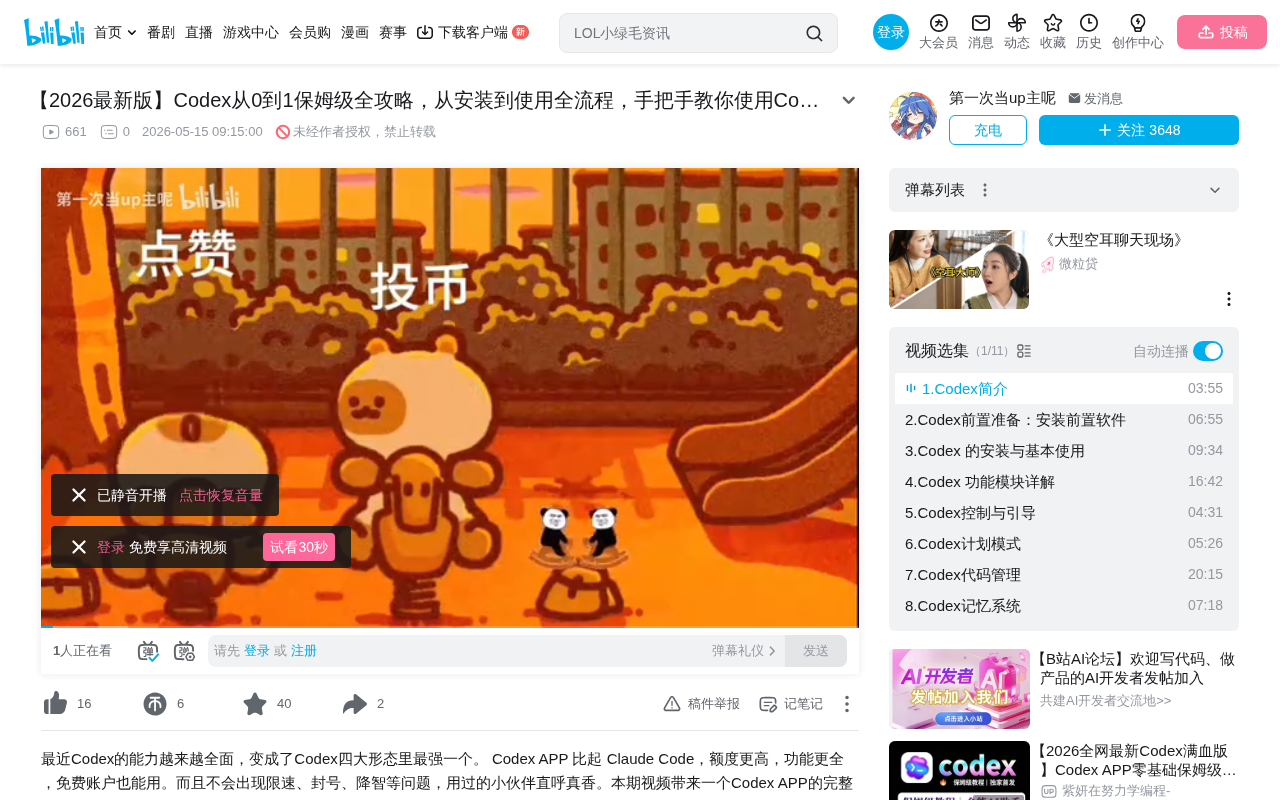
OpenAI Codex Tutorials Mass-Copied on Bilibili, Highlighting AI Content Farm Problem
At least 9 Bilibili accounts mass-published identical OpenAI Codex tutorial videos, exposing content farm operations in the AI tools space.