Apple AI's Dim Prospects in China: Chinese Users Risk Becoming an AI Island
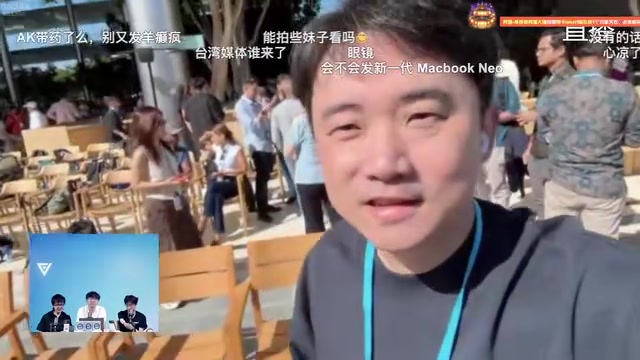
Apple Intelligence faces dim prospects in China as regulatory and compliance hurdles threaten to leave Chinese users behind.
Ahead of WWDC 2025, signs suggest Apple Intelligence may not reach China anytime soon. Reduced Chinese media invitations, unresolved regulatory compliance issues, and the emergence of Hong Kong-version workarounds all point to Chinese Apple users being excluded from the AI revolution. The two potential paths — Apple's own models or partnerships with domestic AI providers — both face significant obstacles, raising concerns about a new AI-era digital divide.
Collective Anxiety on the Eve of WWDC
On the eve of the WWDC 2025 keynote, Peng Lin, founder of Aifaner Technology, connected live from the US venue with his team for a candid broadcast conversation. Throughout the exchange, one topic kept resurfacing — whether Apple Intelligence can enter the Chinese market. Peng Lin's attitude was notably conflicted: "The more we discuss it, the more hopeless it seems, but you never know until the very end — we can't just give up hope."
This contradictory mindset perfectly reflects the collective anxiety of the entire Chinese Apple user community. While iPhone users in other global markets are already enjoying or about to enjoy the intelligent experiences brought by Apple AI, Chinese users may face the awkward predicament of being isolated from the AI wave.



Reduced Chinese Media Invitations Send Ominous Signals
Peng Lin revealed a noteworthy detail: the number of Chinese media outlets invited to this year's WWDC has been reduced from approximately 45 in previous years to around 30. He speculated the reason was that "the content being announced this time probably doesn't have much to do with the China region."
This data shift itself is a strong signal. Apple has always been meticulous about media invitations, and a reduction in the invite list typically means the company has already predicted that the announcement's direct impact on that market will be limited. If Apple Intelligence truly cannot land in China, then for Chinese media, the reporting value of this keynote is indeed significantly diminished.
Peng Lin even stated bluntly: "If it can't enter China, we really won't have much to talk about." While this remark carries a touch of helpless humor, it reveals a harsh reality — the narrative space for Apple products without AI capabilities is rapidly shrinking in the Chinese market.
Two Paths for Apple AI's Entry into China and the Real-World Dilemma
During the broadcast, Peng Lin and his team discussed two possible paths for Apple AI to land in China:
Path One: Direct Deployment of Apple's Proprietary Models
Apple would use its own large language models to directly provide AI services in China. The biggest obstacle on this path is regulatory compliance — large model services in China require filing and approval, and data storage and processing must meet localization requirements. As a foreign enterprise, navigating this path is no easy feat for Apple.
Path Two: Integration with Chinese Domestic AI Models
Apple would act as a platform, integrating Chinese domestic AI models such as Baidu's ERNIE, Tongyi Qianwen, and WeChat into the Apple Intelligence framework. This model is technically feasible but involves complex business negotiations and user experience consistency issues. Peng Lin mentioned Qianwen and WeChat among other models, suggesting the industry has already been discussing this type of collaboration.
Both paths have their difficulties, and Apple's prolonged failure to provide a clear answer itself indicates that the complexity of the problem far exceeds expectations.
Subscription Model Speculation: AI Services Bundled into iCloud+
The team also discussed the potential future business model for Apple Intelligence. Peng Lin believes Apple will likely adopt a subscription model similar to Google One, bundling AI services into iCloud+, with different subscription tiers corresponding to different AI usage quotas.
This speculation has its merits. Apple has been continuously pushing service revenue growth in recent years, and making AI capabilities a value-added service for iCloud+ would both enhance subscription appeal and establish a sustainable business model. But for Chinese users, if they can't even access basic AI features, discussions about subscription models feel somewhat luxurious.
The Hong Kong Version: Chinese Users' Reluctant Alternative
An interesting detail from the broadcast was that team members had already prepared Hong Kong-version iPhones, planning to use them as alternatives for testing Apple Intelligence if it cannot land on mainland China devices. This "roundabout" approach precisely reflects the predicament facing Chinese Apple users.
When a global technology platform has feature gaps in an important market, users must either tolerate a castrated experience or seek full functionality through various unofficial channels. Neither choice represents what a healthy market ecosystem should look like.
Expectations and Doubts in the Cook Era
Peng Lin expressed his expectations for Apple CEO Tim Cook during the broadcast: "I hope he can draw a perfect conclusion, not like two years ago when he painted a big picture and then just left it." These words directly address Apple Intelligence's previous delays in feature delivery.
The deeper expectation is: hoping Apple can set an industry benchmark for mobile AI applications. Peng Lin said: "If we truly become world-leading in mobile large models, it somehow still doesn't feel great." Here, "we" refers to the possibility of the Chinese market being excluded, while "world-leading" implies that once Apple AI succeeds, its influence will reshape the entire mobile ecosystem.
The AI Era Is Creating a New Digital Divide
Whether Apple AI can enter China is superficially a business decision, but at a deeper level it involves the risk of technological decoupling under the global AI governance framework. When the AI capabilities of the world's major tech platforms cannot fully land in certain markets, a new type of digital divide is forming — not a divide in internet access, but a divide in access to AI capabilities.
For the hundreds of millions of Apple users in China, they have purchased hardware at the same price or even higher, yet may not be able to obtain equivalent intelligent software experiences. This sense of disparity will only intensify as AI's penetration rate in daily life continues to rise.
As Peng Lin said: "You never know until the very end." We still hope Apple can find a compliant and viable solution so that Chinese users don't become an island in the AI era. But if the final outcome is disappointing, the entire industry may need to seriously consider: between AI globalization and localized regulation, how exactly do we find that delicate balance?
Related articles
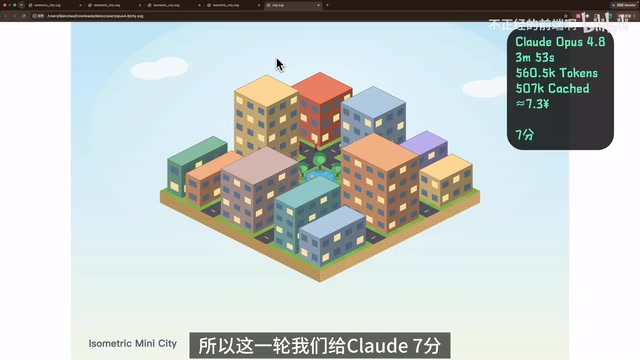
5 Models Coding Showdown: Claude, GPT, DeepSeek, M3 — Who's the Best Engineering Tool?
Hands-on comparison of Claude Opus 4.8, GPT 5.5, MiniMax M3, DeepSeek V4 Pro, and Mimo 2.5 Pro across SVG drawing, 3D game generation, elevator scheduling, and real bug fixing.
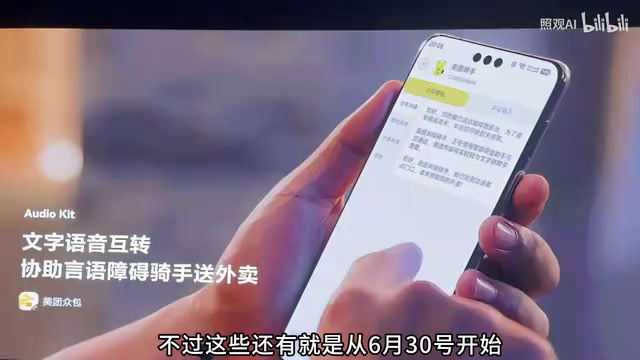
Huawei HDC Deep Dive: Pangu 2.0 Goes Open Source and HarmonyOS 7 Agents Reshape the Mobile AI Ecosystem
Huawei HDC unveils Pangu 2.0 full open source and HarmonyOS 7 system-level Agent capabilities. Deep analysis of sparse architecture efficiency, on-device 30B models, and the Agent gateway battle.
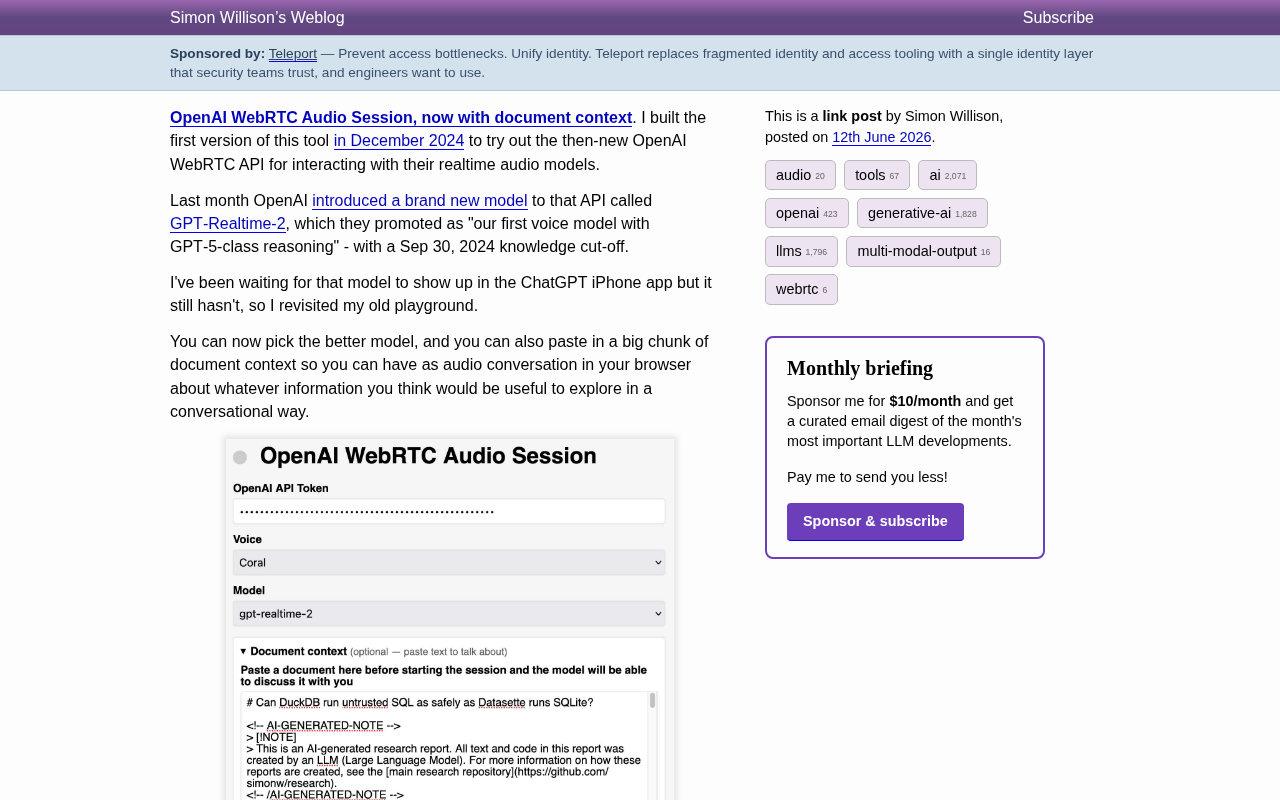
Simon Willison Updates WebRTC Voice Tool: Now Supports Document Context Conversations and GPT-Realtime-2
Simon Willison updates his OpenAI WebRTC voice tool with document context support and GPT-Realtime-2, enabling low-latency voice conversations grounded in specific documents.