Nanning Opens First 10 AI OPC Startup Communities — How Solo Developers Can Seize the Opportunity
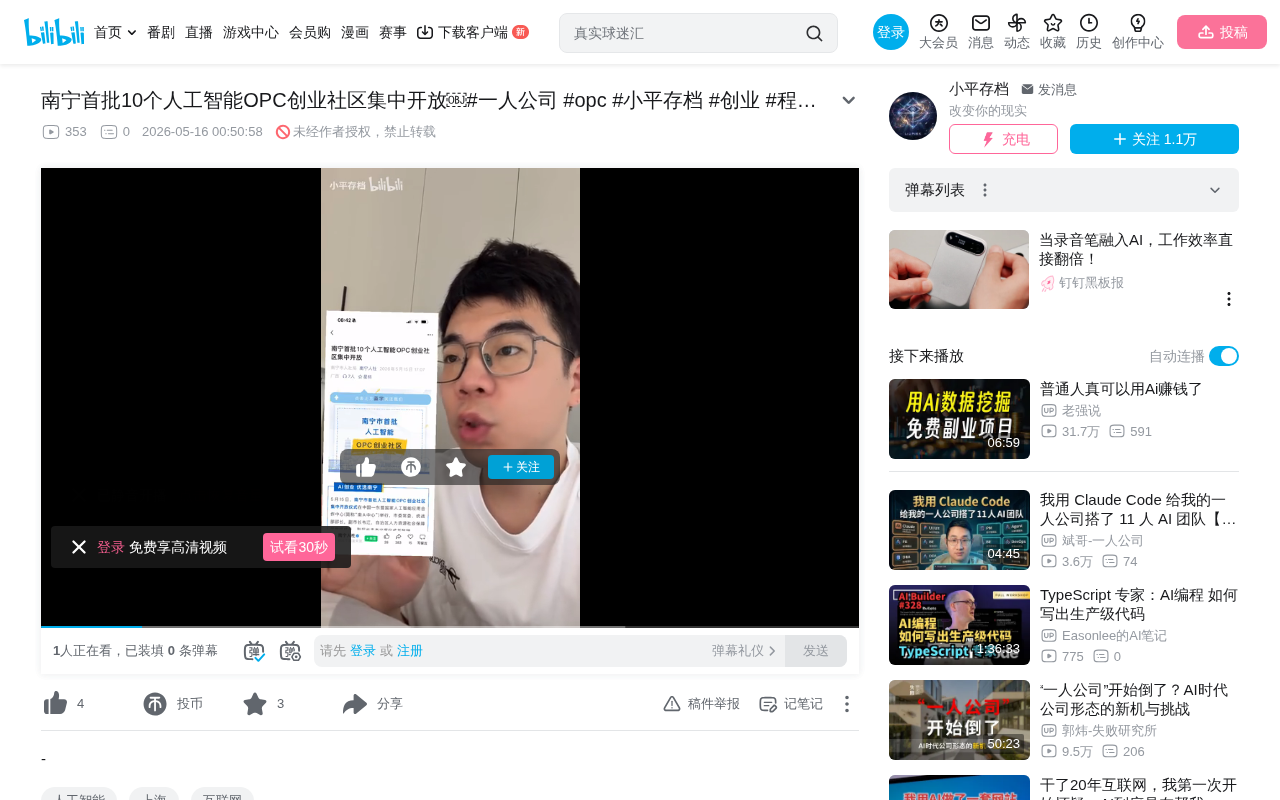
Nanning opens 10 AI one-person company startup communities with computing power and office space support.
Nanning has officially opened its first batch of 10 AI OPC (One Person Company) startup communities, offering computing power support and office space for AI indie developers. Unlike traditional incubators, these communities emphasize low barriers and high flexibility, helping solo entrepreneurs leverage AI tools to quickly validate business viability. This move represents a differentiated strategy by second-tier cities to build AI industry ecosystems by supporting numerous small-scale AI entrepreneurs.
Nanning's Push to Build an AI Startup Ecosystem
Recently, Nanning officially opened its first batch of 10 AI OPC (One Person Company) startup communities, sparking widespread interest among indie developers and solo entrepreneurs. The OPC startup community concept has been gaining traction in recent years, aiming to provide systematic support services for small startup teams — especially solo founders.
According to a Bilibili creator's post, these startup communities will offer computing power support and office space, among other services. For indie developers working in AI, this is a significant positive signal worth paying close attention to.
What Is an OPC Startup Community?
The Rise of the OPC Model
OPC stands for "One Person Company" — a new entrepreneurial model that has rapidly evolved alongside the proliferation of AI tools. The concept originally emerged from corporate law — India pioneered the one-person company legal entity in its 2013 Companies Act amendment, allowing a single shareholder to establish a limited liability company. In today's startup context, however, OPC more broadly refers to an AI-empowered "super individual" entrepreneurial model.
With large language models, AI coding assistants, and automated design tools, a single person can now accomplish what previously required an entire team. From product design and code development to marketing, AI is redefining the minimum viable unit of entrepreneurship. Since 2023, with the capability leaps of models like GPT-4 and Claude, and the maturation of AI coding and design tools like Cursor, Replit, and v0, building a complete product from zero to one as a solo developer has become reality. Silicon Valley investor Sam Altman famously predicted the emergence of "billion-dollar one-person companies" — a prediction increasingly validated by real-world examples, from SaaS products generating tens of thousands of dollars in monthly revenue to AI apps with over a million users, often built by just one or two developers.
Core Value of Community-Based Operations
Gathering OPC entrepreneurs in dedicated communities offers several distinct advantages:
- Resource Sharing: Shared infrastructure like computing power and office space dramatically reduces startup costs
- Ecosystem Synergy: Indie developers can form complementary partnerships, compensating for the weaknesses of solo teams
- Policy Access: Centralized management makes it easier for governments to deliver targeted support policies and improve resource allocation efficiency
Notably, OPC startup communities are fundamentally different from traditional tech incubators. Traditional incubators typically require teams of a certain size (3-5+ people), exchange equity for services, and operate on longer cycles (usually 6-12 months per cohort). OPC startup communities are designed more as a hybrid of co-working spaces (like WeWork) and developer communities (like the well-known Indie Hackers community), emphasizing low barriers to entry, high flexibility, and community atmosphere. Rather than trying to nurture "the next unicorn," this model aims to help numerous small AI projects quickly validate commercial viability and build sustainable "small but beautiful" businesses.
Practical Implications for Indie Developers
Computing Power Support Is the Core Attraction
For indie developers in the AI space, computing costs are often one of the biggest barriers. Whether it's model fine-tuning, inference deployment, or daily development testing, GPU resource costs are substantial.
At current market prices, renting a single NVIDIA A100 GPU in the cloud costs approximately $2-3 per hour, and fine-tuning a medium-scale large language model may require hundreds to thousands of GPU hours. Even during the inference deployment phase, running an AI service continuously can cost thousands to tens of thousands of RMB per month in computing expenses. For indie developers, this means bearing considerable infrastructure costs before the product generates any revenue.
If these startup communities can provide substantive computing power support, it would dramatically lower the barrier to AI entrepreneurship, allowing more developers to focus on the product itself. Several computing subsidy models already exist domestically for reference, including "computing voucher" programs already implemented in Beijing and Shanghai, shared computing pool schemes, and special discounts through partnerships with cloud service providers. The specific subsidy format in Nanning is worth following up on.
Office Space Reduces Fixed Costs
While one-person companies can operate remotely, having a formal office space still provides practical value in several ways:
- Compliance requirements for company registration addresses
- Professional image when meeting with clients
- Opportunities for offline networking and resource sharing among entrepreneurs
Key Questions Worth Watching
Policy Details Still Need Confirmation
Specific policy details for this batch of OPC startup communities are not yet fully clear, including: What are the admission requirements? What's the quota and format of computing power support? Are there restrictions on industry or project direction? These critical details need to be confirmed by entrepreneurs through official channels.
The Demonstration Effect of Local Policy
Nanning's move may represent a new approach for second and third-tier cities in AI industry development — rather than pursuing large tech company acquisitions, building an industry ecosystem by supporting numerous small AI entrepreneurs.
This differentiated strategy has deep underlying logic. Unlike first-tier cities like Beijing, Shanghai, and Shenzhen that focus on attracting major AI labs and leading companies, second and third-tier cities face real challenges in AI industry competition, including insufficient talent density and weak industrial foundations. Nanning's choice of OPC startup communities as an entry point is essentially a "light-asset, broad-coverage" industry cultivation strategy. Similar approaches have appeared to varying degrees in cities like Chengdu, Changsha, and Hefei — attracting distributed talent to return or remotely join by lowering entrepreneurial barriers, using quantity advantages to compensate for the lack of individual scale.
Furthermore, as Guangxi serves as a gateway to ASEAN, AI entrepreneurs may have unique geographic and policy advantages in areas like cross-border e-commerce intelligence, multilingual NLP services, and Southeast Asian market localization — representing Nanning's differentiated competitive edge in developing its AI startup ecosystem.
If this model proves successful, it will likely be adopted and replicated by more cities.
Action Items for Indie Developers
For AI indie developers who are interested, here are some recommended steps:
- Proactively Reach Out: Obtain first-hand policy information through official channels and confirm the admission process and requirements
- Prepare Project Materials: Organize your AI project direction and business plan, and prepare application materials in advance
- Assess Your Actual Needs: Clarify whether you most need computing power, office space, or other resource support
- Follow Subsequent Developments: The operational performance of the first batch of communities will directly influence future policy direction and expansion plans
As AI tools grow increasingly powerful, the one-person company model is transitioning from concept to reality. If local government policy support can be effectively implemented, it will provide crucial fertile ground for this emerging entrepreneurial model. For indie developers, seizing the policy window and choosing the right support platform could be the key step in accelerating project launch.
Related articles
 Industry Insights
AI Product Development in Practice: Model Selection, Building Moats, and Paths to Commercialization
Practical strategies for AI product development: why not to train models from scratch, when to use APIs vs. fine-tuning, building product moats, and the full path from evaluation systems to commercialization.
 Industry Insights
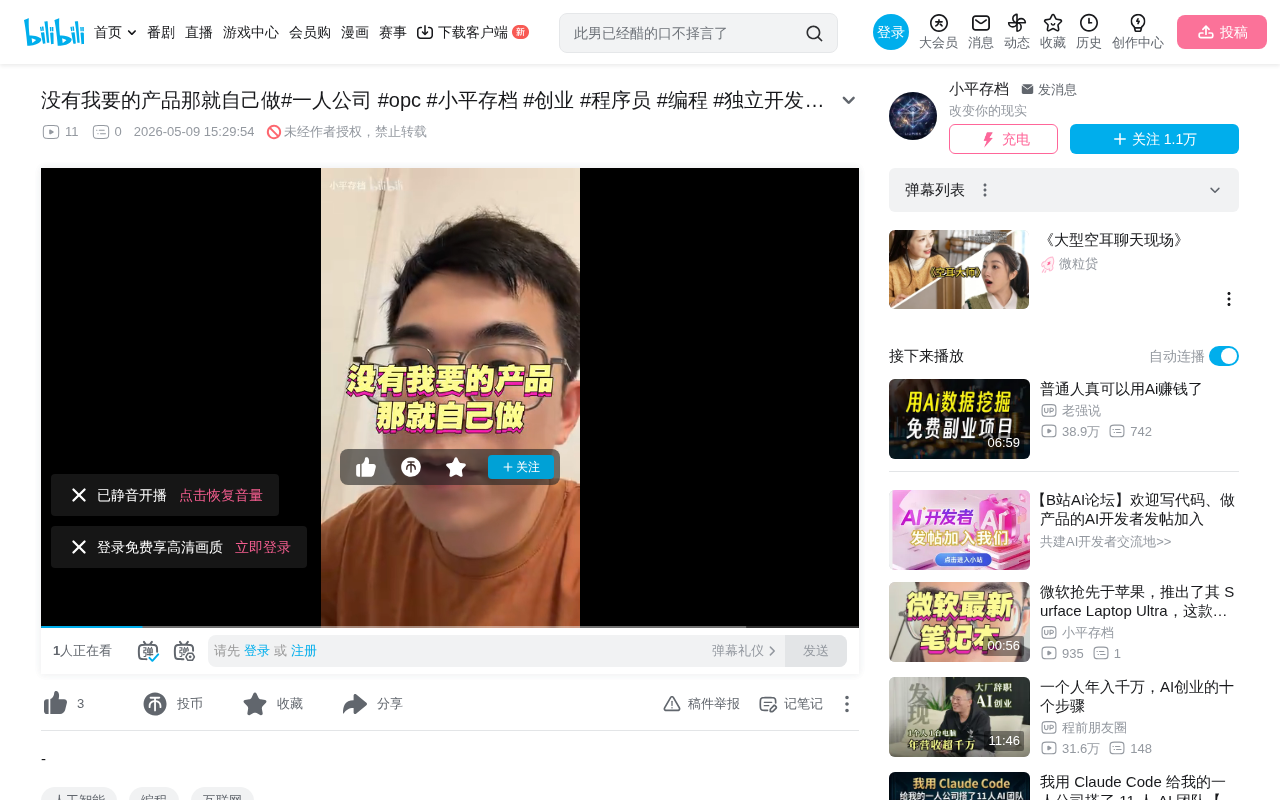
No Product Fits Your Needs? Building It Yourself Is the Best Starting Point for Indie Developers
Can't find a product that fits? Building from personal pain points is the best entry for indie developers. Niche needs + AI tools = rapid product creation.
 Industry Insights
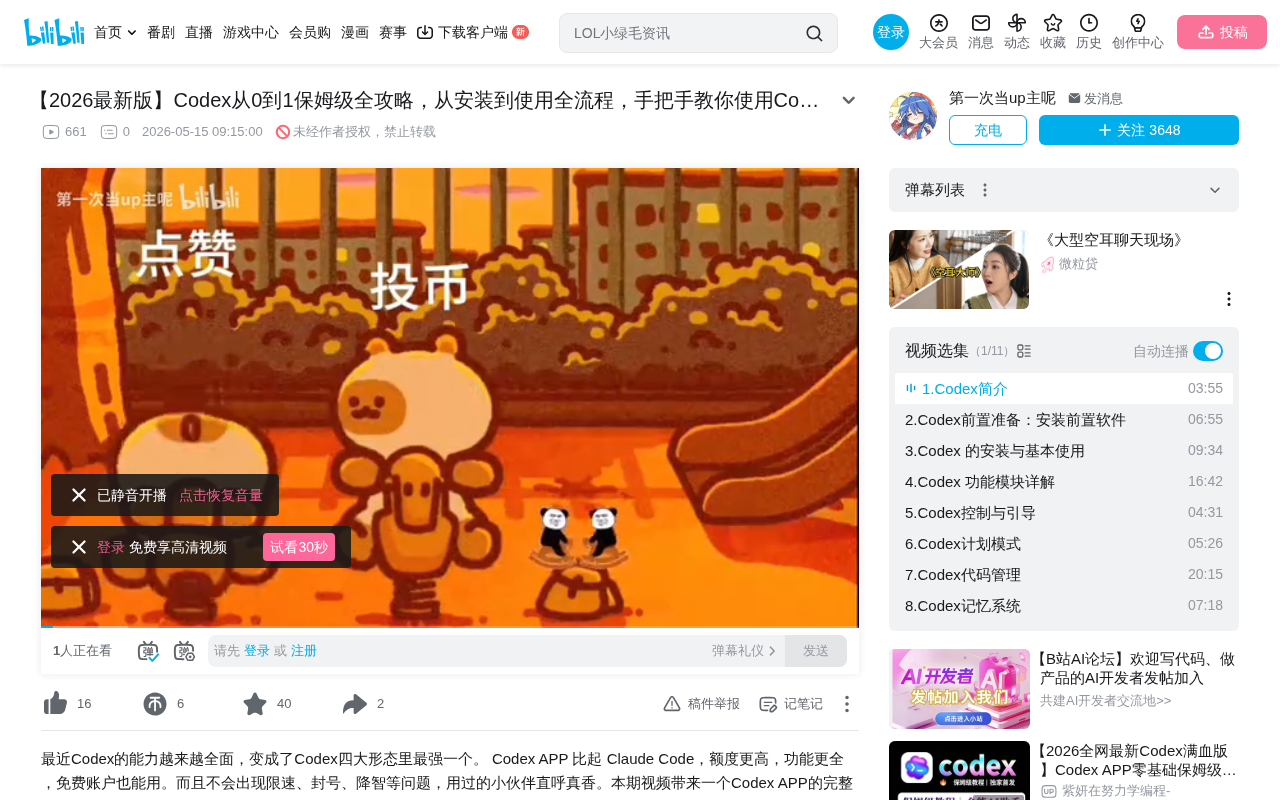
OpenAI Codex Tutorials Mass-Copied on Bilibili, Highlighting AI Content Farm Problem
At least 9 Bilibili accounts mass-published identical OpenAI Codex tutorial videos, exposing content farm operations in the AI tools space.