Practical Guide to Kiro Registration and Claude Plus Activation
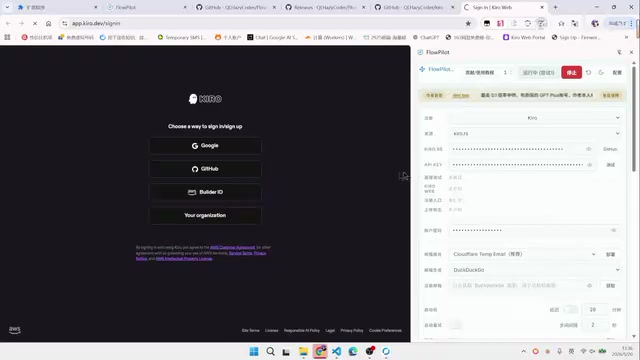
A practical guide covering Kiro registration, Claude Plus activation, and risk control strategies.
This article details the latest updates to an open-source project (Codex), including Kiro registration and upload, Claude Plus five-card activation mode, execution scope control, and email query upgrades. It covers deployment tips, IP detection avoidance strategies, account import methods, and recommendations for navigating increasingly strict risk control environments.
Introduction
For AI tool enthusiasts, efficiently registering and managing accounts has always been a key concern. Recently, an open-source project (Codex) received a major update, adding several new features including Kiro registration and upload, Plus five-card activation mode, execution scope control, and more. This article covers the core aspects of these new features, helping you understand their usage logic and important considerations.
Kiro Registration: The Core New Capability
Project Deployment and Basic Configuration
The most important addition in this update is Kiro registration and upload. This feature is built on a third-party open-source project, but since the original author hasn't updated it since March 1st and the interface was quite messy, the project maintainer released their own adapted version.
Deployment isn't complicated — users can simply copy the deployment documentation to an AI assistant and let it help complete the setup process. One important note: the project has two different keys:
- Admin login key: Used for backend management
- API Key: Used for interface calls
It's recommended to set both to the same value to reduce the memory burden.
Critical Considerations: IP Detection and Health-Check Strategy
Kiro has very strict IP detection for reverse proxies — this is the most important issue to be aware of during use. The maintainer offers several key recommendations:
- Always remember to switch nodes to avoid IP flagging
- Avoid frequent health checks to minimize unnecessary requests
- Never enable load-balancing mode — use priority mode instead
Regarding account tiers, newly registered accounts default to Free with only 50 uses. As for upgrading to Pro, the maintainer admits that finding a working payment card is currently quite difficult — it's not as simple as just using a US card. He specifically warns: Don't trust tutorials claiming "one dollar is enough to pass verification" — they're likely just card-selling schemes. The maintainer himself tried over a dozen cards without successfully activating Pro.
Important Updates to Claude Plus Mode
Five-Card Activation Mode
This was a highly requested feature from the community. Although the maintainer hadn't originally planned to include it in this update, persistent user feedback led him to pull an all-nighter to complete the development.
Using the five-card mode requires:
- Purchasing a US virtual card
- Not including the country code prefix when entering the phone number
- Entering the verification code to obtain the address
This feature was integrated from another developer's forked repository, and most of the process runs automatically without manual intervention.
Importing and Using Plus Accounts
After activating Plus mode, a phone number verification step may appear. Users simply need to stay logged in, then click the "Import Current" button to directly import the account into sub2api for use.
Important limitations:
- This method only works with Plus mode — Free accounts cannot use it
- Imported accounts have no RT (Refresh Token) and will automatically expire after 8 to 10 days
- After expiration, you'll need to log in again to refresh
Compared to traditional SMS verification methods, this approach has a time limit but is much more convenient to operate.
Other Useful Feature Updates
Execution Scope Control
The new execution scope feature allows users to precisely control which steps of the automation process run, for example:
- Execute only registration, not login
- Execute only login, not registration
This is extremely useful for batch operation scenarios, allowing flexible configuration based on actual needs.
Email Query Method Upgrade
A new method for querying emails via the registration email address has been added. The original method forwarded emails to a fixed mailbox and then searched via CFT (Cloudflare Workers). The new method allows users to directly input their registration email to retrieve email details.
To use this feature, you'll need to redeploy CFT using the project maintainer's repository version, as the backend now includes a required new field. This feature is particularly useful for users who need to set up relay stations or provide account services.
CPI Login Issue Fix
For older CPI users who reported that authentication files stopped working, a new solution has been added: first log in via phone number, then bind an email, then go back and re-login via email. This additional login-switching step resolves the issue of authentication files becoming invalid after CPI upload.
Minimum Purchase Price Mechanism
A minimum purchase price setting has been added to avoid purchasing cards at the 0.01 price level. The maintainer tested with 5-6 accounts and achieved roughly a one-third success rate, concluding that this mechanism effectively reduces trial-and-error costs.
Risk Control Trends and Recommendations
The maintainer repeatedly mentioned in the video that the current risk control environment is continuously tightening. Specific manifestations include:
- The probability of CAPTCHA appearing during email registration has increased dramatically
- Even phone number registration mode is now encountering risk control blocks
- Users are advised to abandon email registration and switch to phone number registration, which significantly reduces the probability of triggering risk controls
Additionally, the project repository name has been changed, so users need to re-pull the code. It's strongly recommended to manage code via Git to avoid manually downloading ZIP packages every time.
Conclusion
This update delivers significant feature enhancements across three areas: Kiro registration, Plus activation optimization, and process control. For users who want stable access to Claude, the core advice is: reduce health-check frequency, use phone number registration, and keep the project code updated promptly. As risk control strategies continue to escalate, maintaining timely tool updates and cautious usage habits will become increasingly important.
Related articles

Huawei HDC Deep Dive: Pangu 2.0 Goes Open Source and HarmonyOS 7 Agents Reshape the Mobile AI Ecosystem
Huawei HDC unveils Pangu 2.0 full open source and HarmonyOS 7 system-level Agent capabilities. Deep analysis of sparse architecture efficiency, on-device 30B models, and the Agent gateway battle.
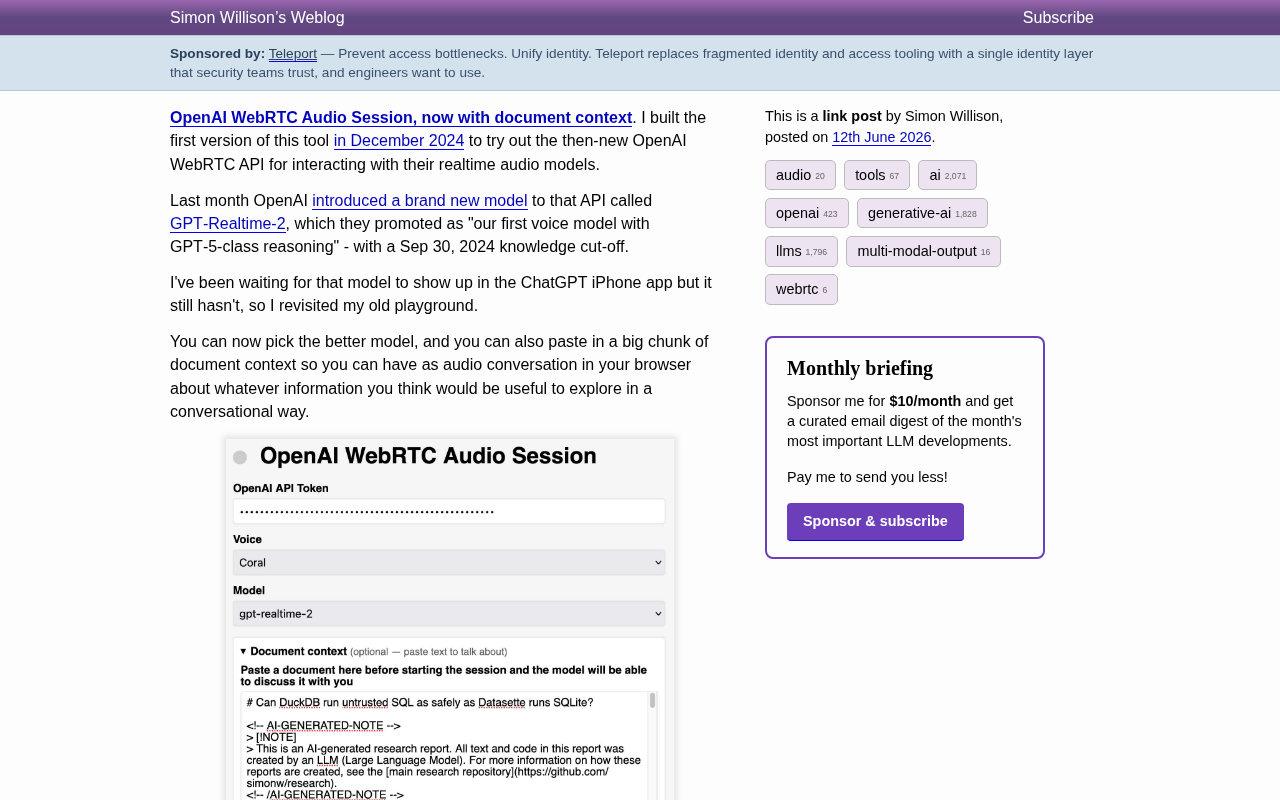
Simon Willison Updates WebRTC Voice Tool: Now Supports Document Context Conversations and GPT-Realtime-2
Simon Willison updates his OpenAI WebRTC voice tool with document context support and GPT-Realtime-2, enabling low-latency voice conversations grounded in specific documents.
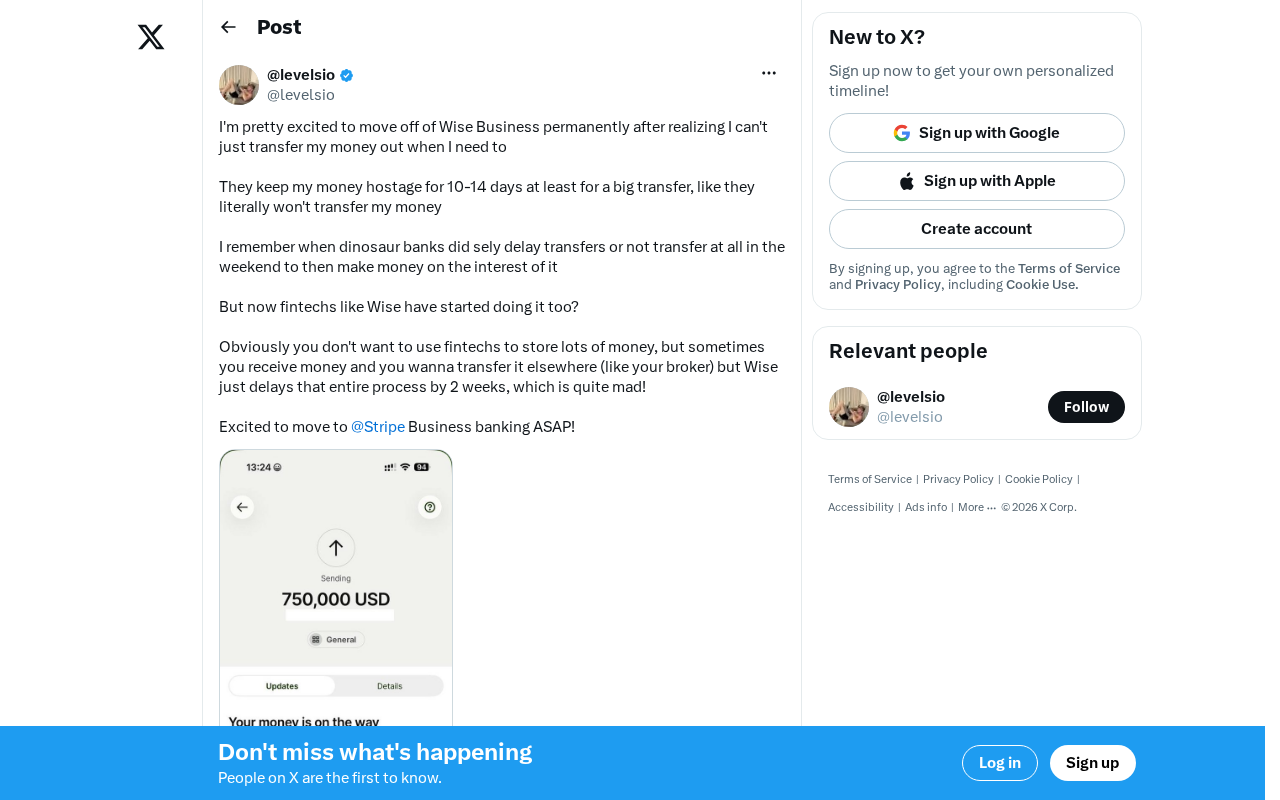
Wise Large Transfer Delayed Two Weeks: How Should Cross-Border Entrepreneurs Respond?
Wise Business users face 10-14 day delays on large transfers, sparking debate on whether fintech is repeating traditional banking mistakes. Analysis and practical tips for cross-border entrepreneurs.