Runway Agent Explained: Auto-Generate Complete Ad Videos from a Single Product Photo
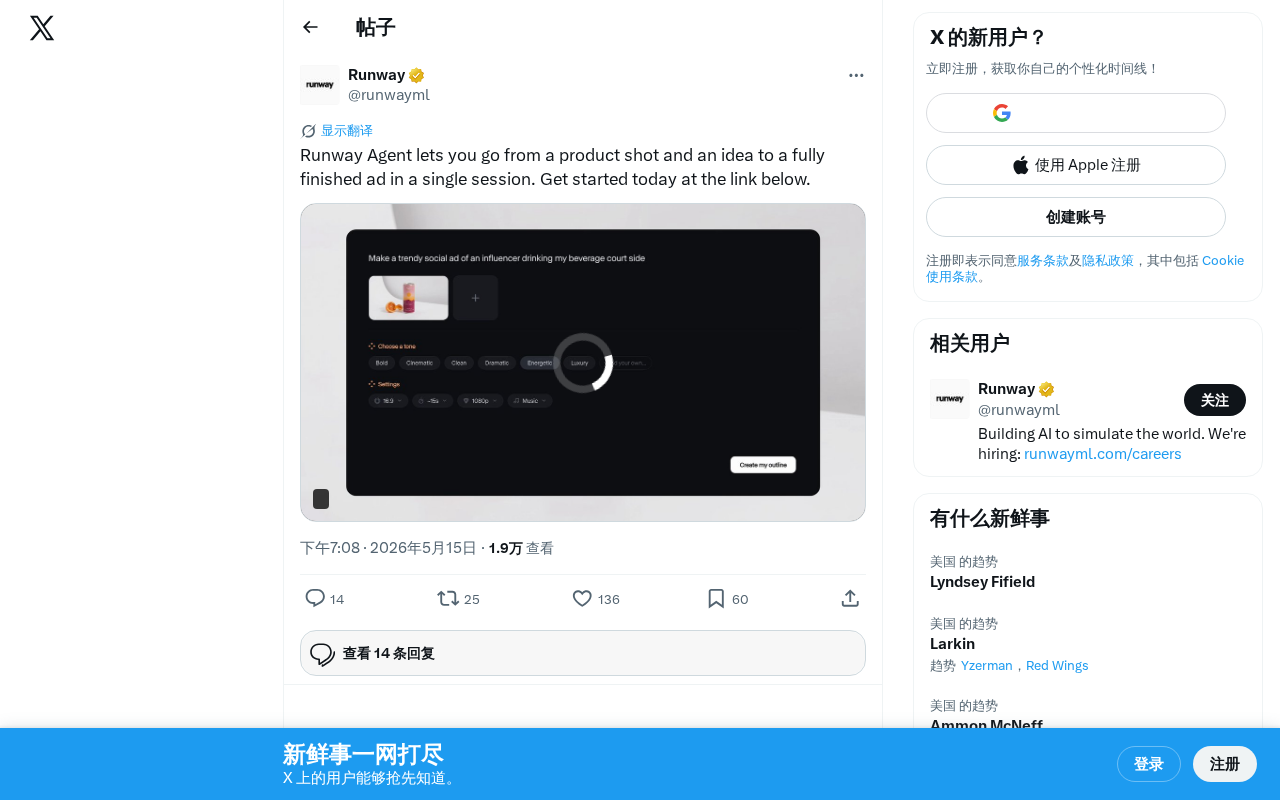
Runway Agent turns a single product photo into a complete ad video using AI agent technology.
Runway's new AI Agent feature enables users to generate complete advertising videos from just one product photo and a creative description in a single session. Unlike traditional AI video tools, it uses multi-step reasoning to handle scene building, shot sequencing, and effects generation autonomously—representing a shift from assisted creation to end-to-end automated production in the creative tools space.
From Product Photo to Finished Ad: Runway Agent Redefines the Creative Workflow
Runway recently launched its new AI Agent feature, claiming users can generate a complete advertising video in a single session by providing just one product photo and a creative idea. This release signals that AI video generation tools are moving from "assisted creation" to a new phase of "end-to-end automated production."
End-to-End is a key concept in machine learning, referring to a system that completes the full mapping from raw input to final output without manually designed intermediate steps. In video production, the traditional workflow is highly modular—scriptwriting, storyboarding, footage capture, post-production editing, color grading, and sound design are all separate processes requiring manual coordination between stages. End-to-end automation means the AI system handles coordination between these modules internally, powered by multimodal large models capable of simultaneously understanding text semantics, visual composition, and temporal dynamics.
What Is Runway Agent? How Does It Differ from Traditional AI Video Tools?
Runway Agent isn't simply a text-to-video tool—it's an AI agent with multi-step reasoning and execution capabilities. AI Agents are one of the most closely watched technical paradigms in artificial intelligence today. Unlike traditional single input-output models, Agents possess autonomous planning, multi-step reasoning, and tool-calling abilities. They can decompose complex tasks into subtasks, execute them sequentially, and dynamically adjust strategies based on intermediate results. This concept emerged from the combination of reinforcement learning and large language models. Since 2024, as reasoning capabilities of models like GPT-4 and Claude have strengthened, Agent architectures have begun transitioning from labs to productized applications. Runway Agent is a concrete manifestation of this trend in the creative tools space.
Unlike traditional AI video generation workflows—where users previously needed to separately handle script ideation, image generation, editing assembly, and audio configuration—Runway Agent integrates all these steps into a cohesive conversational workflow.
Core Workflow
The user experience is radically simplified:
- Input: Upload a product photo and describe your ad concept in text
- Processing: The Agent automatically handles scene construction, shot sequencing, visual style setting, and dynamic effects generation
- Output: A complete, ready-to-use advertising video
The entire process completes within a single session. Users don't need to switch between multiple tools or possess professional video production skills.
Real-World Impact of Runway Agent on the Advertising Industry
Dramatically Lowering the Barrier to Ad Production
Traditional product advertising typically involves photography teams, creative planning, and post-production—costs ranging from thousands to hundreds of thousands of dollars. Runway Agent enables small businesses and even solo entrepreneurs to quickly produce advertising content of reasonable quality. For e-commerce sellers and social media marketers, this is a tool that can significantly boost content output efficiency.
Accelerating A/B Testing and Iteration of Ad Creatives
A/B testing different creative concepts is standard practice in advertising. A/B testing is a standard methodology in digital marketing for validating creative effectiveness. Its core logic involves randomly splitting audiences into groups, showing each group different versions of ad materials, and using metrics like click-through rates and conversion rates to determine which version performs better. On platforms like Meta and Google, a successful ad campaign typically requires testing 5-20 different creative versions, each requiring independent production—making production cost the primary bottleneck for testing scale.
With Runway Agent, creative teams can generate multiple concepts for testing in a short timeframe, finding optimal solutions faster. This rapid experimentation capability could fundamentally change how advertising creatives are produced—teams can devote more energy to strategic thinking and data analysis rather than asset production itself.
Use Cases: A Supplement to Professional Production, Not a Replacement
To be clear, AI-generated ads still fall short of high-end advertising produced by professional teams in terms of quality. Runway Agent is better suited for scenarios including:
- Social media short-form video ads
- E-commerce product showcase videos
- Rapid prototype validation and creative pitches
- Marketing content with tight turnaround requirements but relatively flexible precision standards
For brand-level flagship advertising, AI tools currently serve better as aids for early-stage concept validation and inspiration.
The Competitive Landscape of Video Tools in the AI Agent Era
Runway's launch of Agent functionality also reflects an industry trend in AI video—evolving from "single model capability" toward "end-to-end workflows." Previously, whether Runway's own Gen-3, OpenAI's Sora, or competitors like Pika, the primary focus was on improving video generation quality itself. The introduction of Agent mode means the competitive dimension is expanding—it's no longer just about generating well, but making the entire creative process smarter and more automated.
Looking at the industry landscape from 2024-2025: Runway established early advantages with its Gen-2 and Gen-3 series, with its Diffusion Models consistently leading in video coherence and visual quality; OpenAI's Sora made waves with its realistic physics simulation, but productization has been slower; Pika focused on ease of use and social sharing; Kuaishou's Kling rapidly gained ground in the Chinese market; and Adobe's Firefly Video and Google's Veo are also actively positioning themselves. Competition has expanded beyond pure generation quality to ecosystem integration, workflow efficiency, and vertical scenario adaptation. Runway's choice of the Agent route is a bid to seize the initiative on the workflow dimension.
This aligns with the broader AI industry trend: moving from point tools to intelligent agents, from "humans driving AI" to a collaborative model of "AI-led, human-supervised." Other video AI platforms will predictably follow with similar Agent features soon.
Summary
The launch of Runway Agent represents a significant milestone for AI creative tools. It's not merely a demonstration of technical capability, but a reimagining of the creative production process. While real-world results still await large-scale user validation, the vision of "one photo to one ad" undeniably opens new possibilities for content creators and marketers. Interested users can visit the Runway website to experience this feature.
Key Takeaways
Related articles
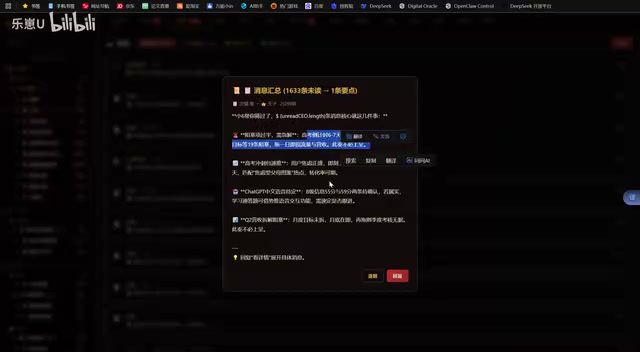
Vibe Coding in Practice: A Junior Student Uses Cursor to Build a Multi-Agent System with 51 AI Officials Based on the Three Departments and Six Ministries Framework
A junior student uses Cursor and Vibe Coding to build a multi-agent system with 51 AI officials modeled on China's Three Departments and Six Ministries, featuring task distribution, approval workflows, and Token cost visualization.
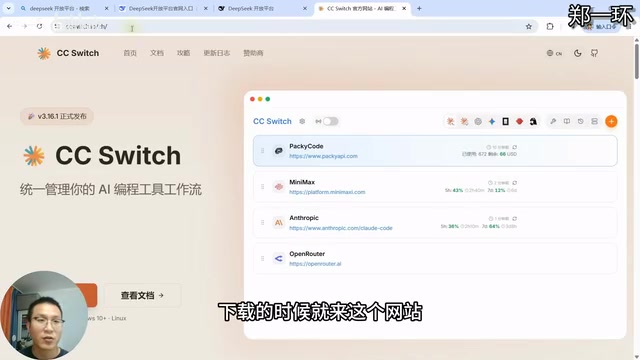
How to Connect Codex to DeepSeek Models: Free Switching via CC Switch
Learn how to connect OpenAI Codex to DeepSeek models via CC Switch, enabling free switching between DeepSeek and GPT with complete setup and routing guide.
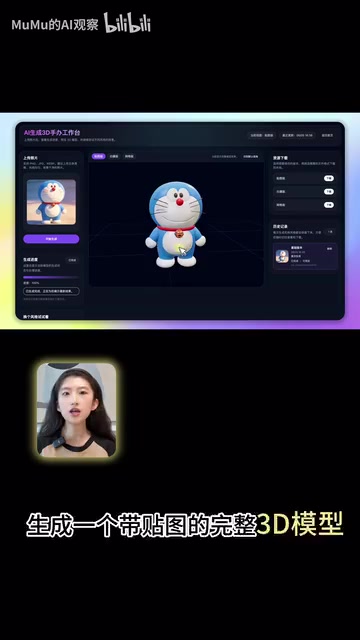
AI Coding Deployment Guide: A Complete Hands-On Workflow from Local Demo to Live Website
Most AI Coding tutorials stop at local demos. This guide walks through 8 key steps to deploy an AI-powered 3D figurine website from Codex coding to live server deployment.