AI SDK Workflow Harness Releases 1.0.172 Patch Update
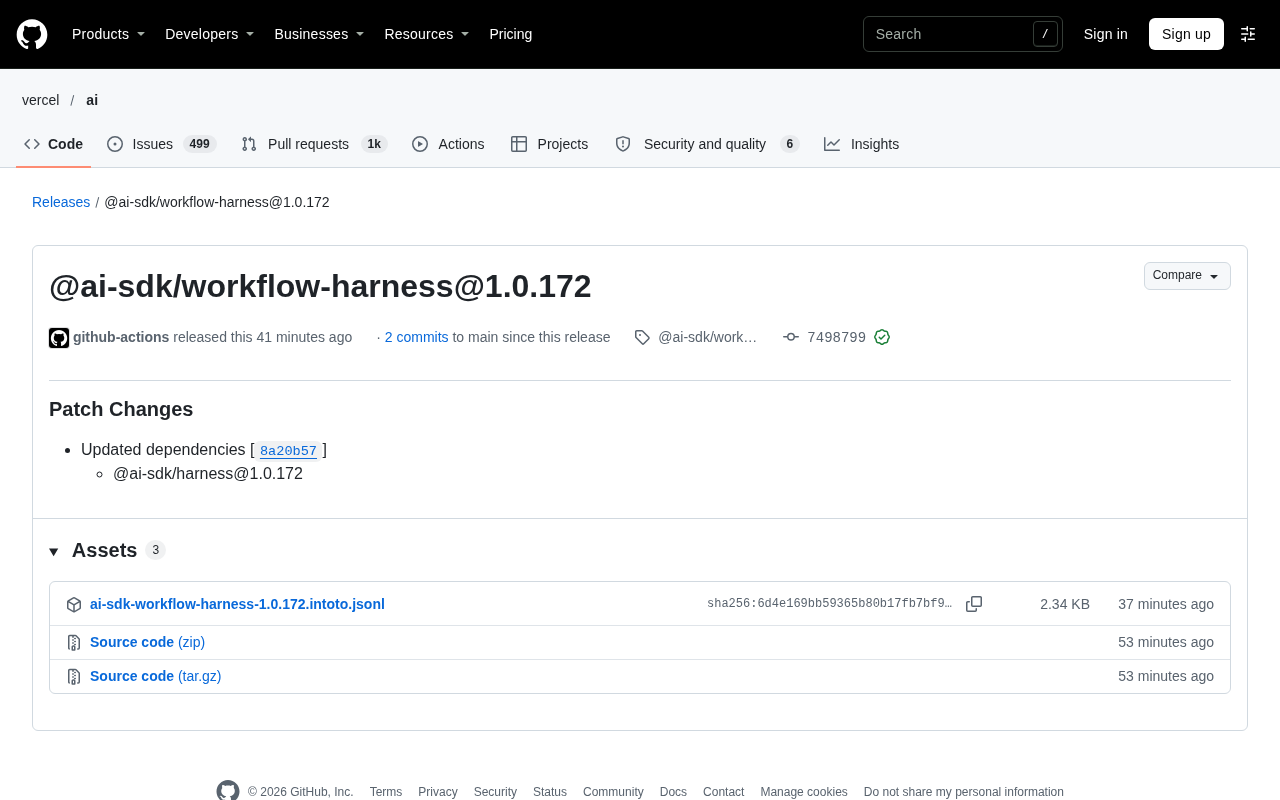
@ai-sdk/workflow-harness releases 1.0.172 patch, syncing the underlying harness dependency.
The @ai-sdk/workflow-harness package in the AI SDK ecosystem releases patch version 1.0.172, auto-published by GitHub Actions with GPG-signed commits. The core change upgrades the @ai-sdk/harness dependency to the same 1.0.172 version, keeping upper- and lower-layer packages aligned in version and interface. The release notes list no behavioral changes, making this a maintenance update rather than a feature milestone. Projects locked to 1.0.x should upgrade via the regular patch process, confirm dependency version consistency, and run existing workflow tests to verify orchestration logic; teams not yet using the package need not adopt it because of this release.
The @ai-sdk/workflow-harness package in the AI SDK ecosystem has released version 1.0.172. This is a patch-level update, with the core change centered on synchronizing dependency upgrades.
Version Update Contents
According to the GitHub release record, this update was automatically published by github-actions, and the corresponding commit 7498799 has passed GitHub verified signature checks. The release notes are labeled as Patch Changes, which typically fix defects or synchronize downstream dependencies rather than introducing new features.
Dependency Sync: @ai-sdk/harness Upgraded to 1.0.172
The changelog explicitly states that this release updated the dependency @ai-sdk/harness to version 1.0.172, with the associated commit being 8a20b57. This means workflow-harness and the underlying harness package maintain aligned version numbers, so developers upgrading can get consistent interfaces and fixes between the two.
For projects that rely on the AI SDK to build workflow orchestration capabilities, keeping up with such patch versions helps avoid potential issues caused by unsynchronized fixes in the lower-level harness. Since this is a patch release, the upgrade risk is relatively manageable.
In the npm ecosystem, patch versions (the third digit) under semantic versioning conventions should only contain backward-compatible bug fixes. When an upper-layer package precisely aligns its dependency version to the same patch number, it often means the two have been jointly verified on that version and the interface contract remains consistent. If a project uses a package manager that locks the dependency tree, you need to confirm whether the lock file has also updated @ai-sdk/harness to 1.0.172, to avoid version mismatch caused by the upper-layer package being upgraded while the lower layer remains on an older patch number.
Release Process and Verification
This version was published through a GitHub Actions automated pipeline, and the commit carries GPG signature verification (the key ID is identified as B5690EEEBB952194). This automated plus signed release approach has become a common practice in the open-source npm package ecosystem to ensure supply chain integrity.
In the npm package publishing chain, GPG signature verification means the publisher signs the commit or release artifact with a private key, and users can verify the source and integrity with the corresponding public key. The key ID mentioned in the article is the last segment of the GPG fingerprint, usually represented as 16 hexadecimal digits. When GitHub Actions automates releases, the signing private key is typically injected via repository Secrets, so that commits produced by the automated process also carry verifiable signatures. For downstream projects, the signature itself does not guarantee the code is free of defects, but it can confirm that the package indeed comes from a trusted release pipeline, reducing supply chain risks from third-party tampering or impersonated releases.
Developer Recommendations
If a project has already locked @ai-sdk/workflow-harness to the 1.0.x version range, this update can be handled through the regular patch upgrade process, with the focus on confirming version consistency of @ai-sdk/harness. Since the release notes do not list behavioral change details, it is recommended to run existing workflow test cases after upgrading to verify that the orchestration logic is unaffected.
For teams that have not yet adopted this package, this release itself is not a reason to introduce it—it is a maintenance update, not a feature milestone. Evaluating whether to adopt workflow-harness should still be based on the project's actual needs for AI workflow orchestration.
Summary
1.0.172 is a routine patch version, with the core action being synchronizing the @ai-sdk/harness dependency to the same version number. The release went through an automated pipeline and signature verification, reflecting the ongoing maintenance cadence of the AI SDK series packages. For users, this is a low-risk version follow-up.
Related articles

Skykea Showdown: A Hilarious Variety Show Experience of a Minecraft Airship Building Competition
Skykea Showdown is a Minecraft airship building racing variety show. This article analyzes its two-phase build + hole race format, airship mod lift physics, secret mission design, and team confrontation dynamics—ideal for game content creators.
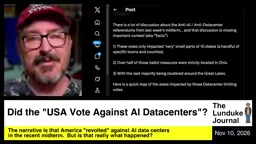
Did the US Midterms Vote No to AI Data Centers? A Map Reveals the Truth
After the US midterms, media claimed voters rejected AI data centers, but a map shows restrictive votes are concentrated in a few Ohio townships, affecting less than 1% of US towns—the national anti-AI wave is exaggerated.
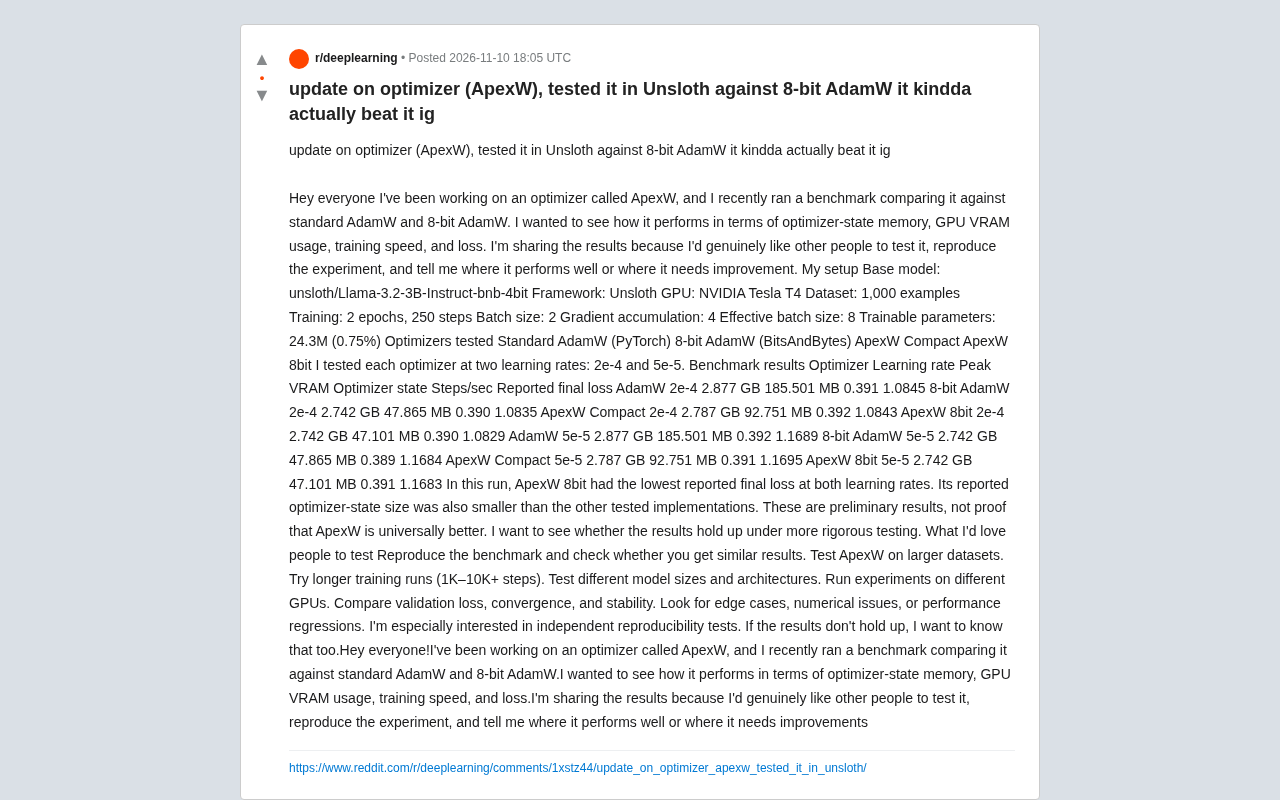
ApexW Optimizer Benchmark: Matches 8-bit AdamW in Unsloth with Lower Memory Usage
Developer shares benchmark of ApexW optimizer in Unsloth: ApexW 8bit has lower optimizer state memory (47.101 MB) and slightly better final loss than 8-bit AdamW, but similar speed. Needs independent reproduction.