Android Earthquake Alerts System Expands to 200 Countries, Over 1 Billion Alerts Sent

Android Earthquake Alerts System expands from 98 to nearly 200 countries and regions, doubling its coverage.
Google announced that its Android Earthquake Alerts System has expanded from 98 countries and regions to nearly 200 worldwide, nearly doubling coverage. Since launching in 2021, it has sent over 1 billion alerts. The system uses smartphone accelerometers as a distributed sensor network, rapidly analyzing simultaneous shaking reports to determine epicenters and push warnings. Google highlighted alerts sent to millions during the Venezuela earthquake, while noting limitations such as sparse-area coverage and the need for local calibration. It supplements official warning networks.
Google's Android Earthquake Alerts System has sent over 1 billion alerts since its launch in 2021. Now, the system has announced an expansion from its original coverage of 98 countries and regions to nearly 200 countries and regions worldwide. The news was announced by Google on social media, marking a new phase of mass adoption for the smartphone-based disaster warning network.
From 98 to 200: Coverage Nearly Doubles
According to Google's official tweet, the Android Earthquake Alerts System's expansion is nearly twofold. Previously, the system was primarily deployed in select countries along seismically active zones; now it covers the vast majority of countries and regions worldwide. This means more users can receive alerts before earthquake waves arrive without downloading an additional app—simply by using an Android phone with the relevant settings enabled.
This expansion is not merely about map coverage. It relies on a distributed sensor network composed of accelerometers built into smartphones. Every Android phone can act as a miniature seismometer. When a large number of phones simultaneously detect earthquake-like shaking, the system rapidly analyzes the data to determine the epicenter and pushes alerts to surrounding areas that may be affected.
How It Works: Turning Phones into Earthquake Sensors
The core logic of the Android Earthquake Alerts System is to leverage the collective sensing of massive numbers of devices. When a phone is charging, locked, and connected to Wi-Fi, it continuously collects accelerometer data. Once multiple phones in a given area simultaneously report abnormal shaking, the system initiates algorithmic analysis to rule out false triggers or human-induced movement from individual devices.
The advantage of this crowdsourced model is low cost and rapid deployment. Traditional earthquake monitoring requires densely deployed professional seismometers, whereas smartphones are nearly ubiquitous. Google notes in its official documentation that the system's alert speed can give people anywhere from seconds to tens of seconds of warning time before earthquake waves reach farther areas.
Accelerometer is a miniature sensor in smartphones used to detect device motion and orientation, commonly found in features such as auto-rotate screen, step counting, and game controls. It can sense linear acceleration changes across three axes, with sensitivity sufficient to capture faint ground shaking caused by earthquakes. The Android Earthquake Alerts System leverages this characteristic to turn phones that are charging, locked, and connected to Wi-Fi into distributed seismic sensing nodes. When a large number of devices report accelerometer anomalies with similar patterns within the same time window, the system uses algorithmic comparison to rule out single-device false triggers (such as a phone dropping or being shaken by a person), thereby inferring the occurrence of an earthquake and its epicenter. The key challenge of this crowdsourced sensing model is signal-to-noise ratio: the accelerometer accuracy of a single phone is far lower than that of a professional seismometer, but the statistical redundancy of massive devices can compensate for the lack of per-unit precision.
Real-World Validation: Performance in the Venezuela Earthquake
Google specifically mentioned in its tweet the destructive earthquake that occurred in Venezuela this year. At the time, millions of people outside the epicenter received alerts before the shaking began, allowing them to take cover in advance. This was an important validation of the system in a real disaster scenario.
According to the tweet, these alerts covered a large area around the epicenter, giving people far from the epicenter—but still able to feel the shaking—precious reaction time. Google stated that this is precisely an example of the technology "working when it matters most."
Earthquake Early Warning System (EEW) works on the principle of the time difference in seismic wave propagation: the more destructive S-waves and surface waves travel more slowly, while electromagnetic signals can arrive almost instantaneously. After detecting P-waves (primary waves) near the epicenter, the system quickly estimates the magnitude and epicenter, and sends alerts through communication networks to areas not yet hit by strong shaking, thereby gaining seconds to tens of seconds of warning time. Traditional EEW relies on densely deployed professional seismometer networks, which are costly to build and maintain, making coverage difficult in many developing countries. Smartphone-based crowdsourced warning significantly lowers the deployment threshold, but its warning time window is limited by device density and network latency, and its effectiveness is limited in sparsely populated areas. The performance in the Venezuela earthquake demonstrates that the system can effectively function in densely populated urban areas, providing valuable reaction time for people far from the epicenter.
Limitations and Challenges of the Alert System
Despite the significant expansion of coverage, phone-based earthquake early warning is not a panacea. Its accuracy depends on a sufficient number of active devices participating in data collection; in sparsely populated areas, it may fail to trigger alerts in time. Additionally, the system needs to be calibrated in cooperation with local seismic monitoring agencies; otherwise, false alarms or missed alerts may occur.
Google also emphasizes that the system is a supplement to, not a replacement for, official earthquake early warning networks. Users should still pay attention to authoritative information released by local governments and prepare for emergencies in their daily lives.
Future Outlook: Broader Coverage and Faster Response
From 98 to nearly 200 countries and regions, the expansion of the Android Earthquake Alerts System means more Android users worldwide will be included in this distributed warning network. As the number of devices increases and algorithms iterate, the system's detection speed and accuracy are expected to improve further.
For users in earthquake-prone areas, ensuring their phone's operating system is updated to the latest version and enabling location services and alert notifications are prerequisites for accessing this feature. Google included a detailed information link in its tweet for users to learn about support in their region and how to set it up.
One-line Summary
Android Earthquake Alerts System expands from 98 countries and regions to nearly 200, doubling its coverage.
Paragraph Summary
Google announced that its Android Earthquake Alerts System has expanded from its original coverage of 98 countries and regions to nearly 200 worldwide, nearly doubling its reach. Since its launch in 2021, the system has sent over 1 billion alerts. Its core principle uses accelerometers built into Android phones to form a distributed sensor network; when a large number of phones simultaneously detect abnormal shaking, the system rapidly analyzes the data to determine the epicenter and pushes alerts to surrounding areas. Google specifically highlighted that the system provided alerts to millions of users outside the epicenter during the Venezuela earthquake. However, limitations remain, including insufficient coverage in sparsely populated areas and the need for calibration with local agencies. Google emphasizes that it supplements rather than replaces official warning networks.
Related articles
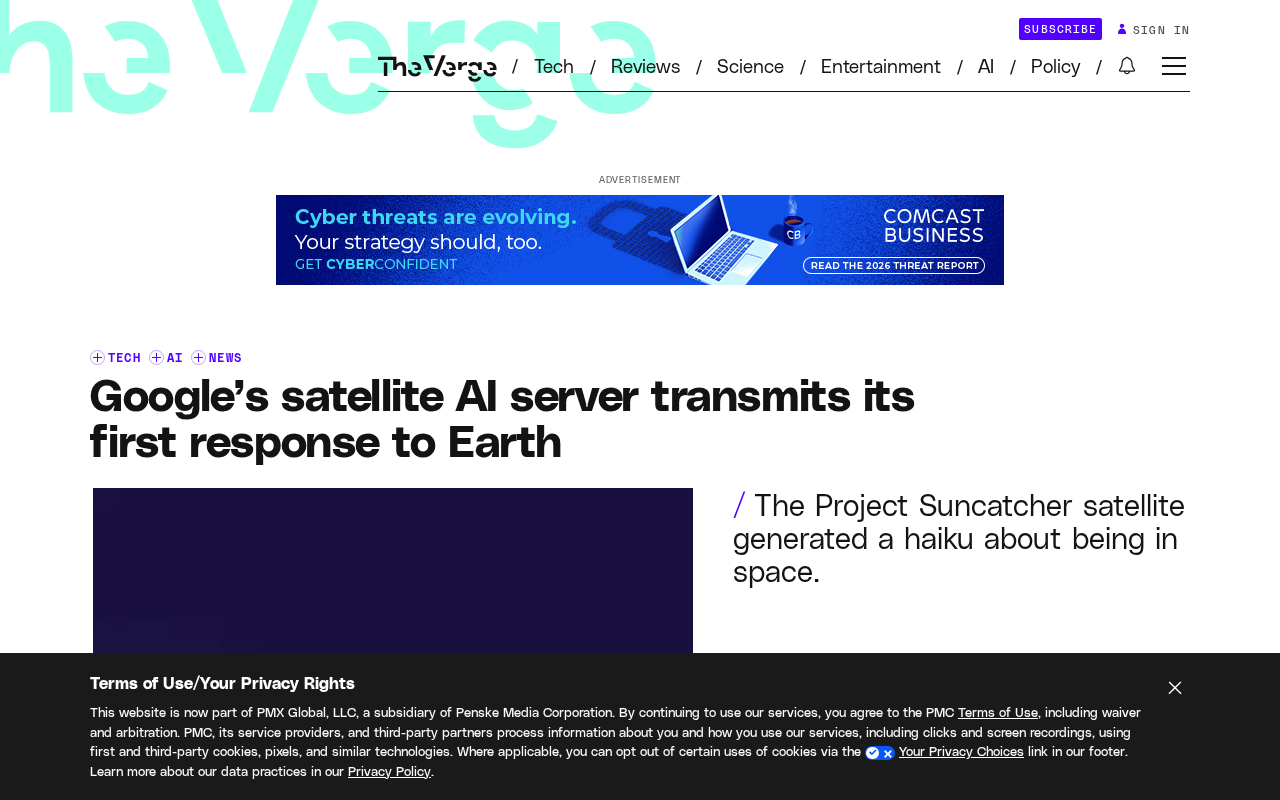
Google's Satellite AI Server Reaches Orbit: Gemma Model Generates First Reply in Space
Google's TPU-equipped satellite powers up in orbit, with the onboard Gemma 4 model generating the first reply from space. This article analyzes the technical path, real-world constraints, and implications for edge computing and satellite remote sensing.
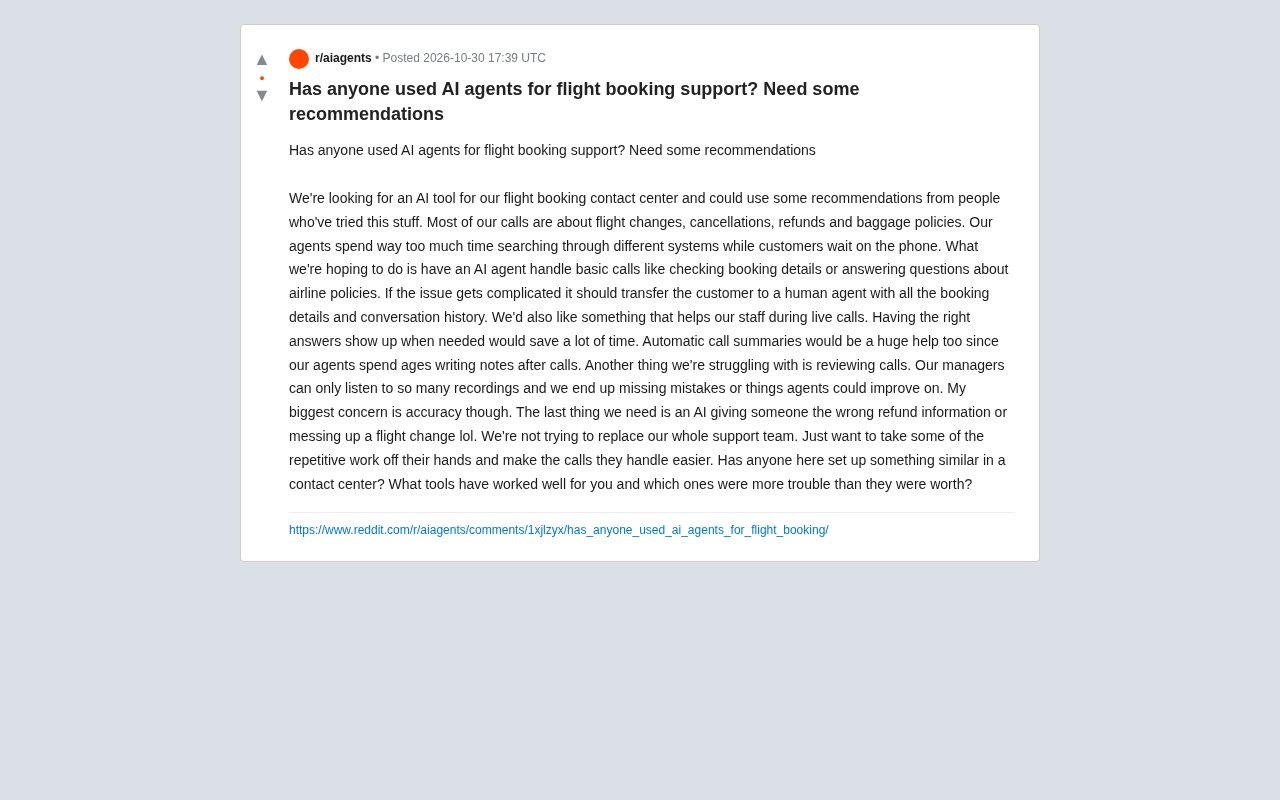
AI Agents for Flight Booking Customer Support: Real Needs and Implementation Challenges
Starting from a real Reddit question, this article breaks down four needs for introducing AI Agents into flight booking call centers: basic Q&A, agent assist, call summarization, and quality inspection, and analyzes accuracy concerns and handoff boundary design.
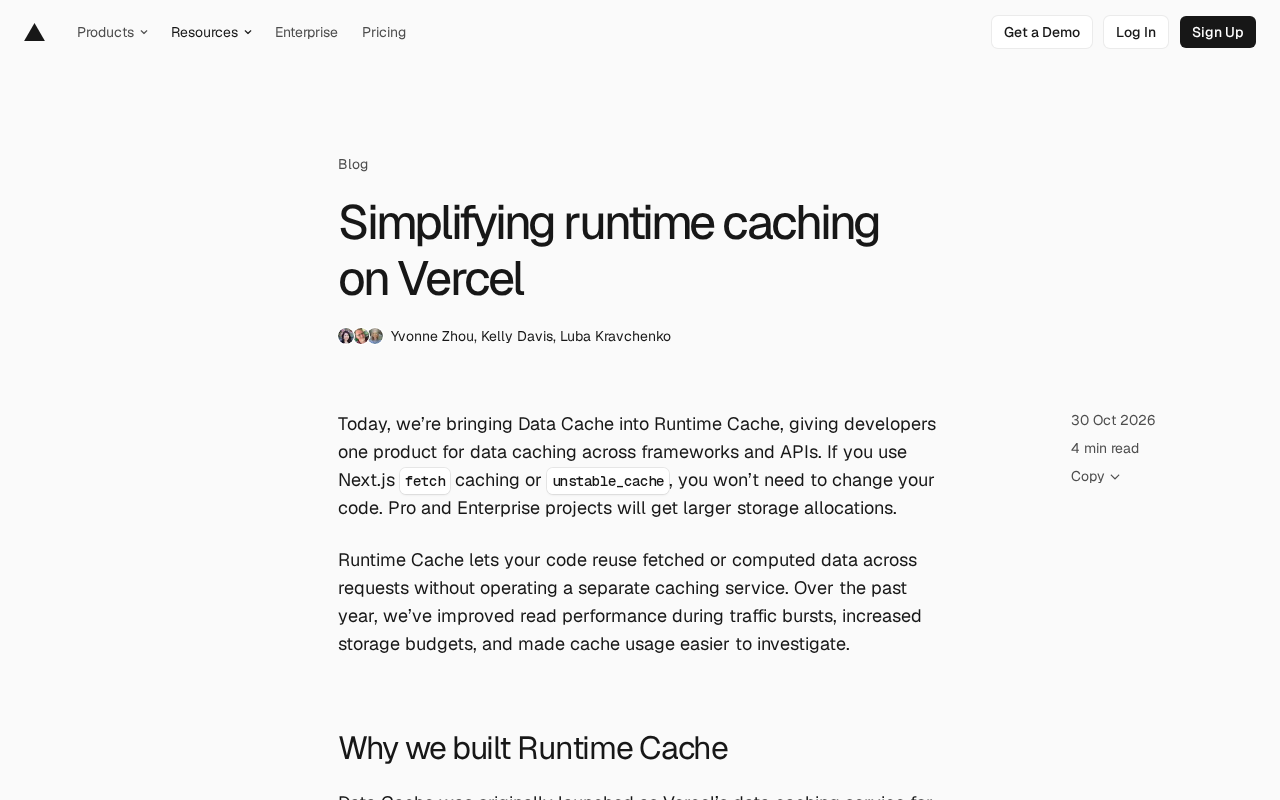
Vercel Unifies Runtime Cache: Data Cache Merges into Runtime Cache
Vercel merges Data Cache into Runtime Cache, unifying storage quotas and billing for Next.js fetch cache, unstable_cache, getCache, and use cache: remote. Pro and Enterprise projects get more storage, and cache reads/writes are now billed at Runtime Cache pricing.