How Databricks Detects Credential-Based Attacks

Databricks shares credential-based attack detection insights, advocating behavioral baselines to identify legitimate account abuse.
Credential leaks have become a major threat to cloud data platforms, and Databricks' security team shares its detection approach for credential-based attacks. These attacks use leaked or stolen valid credentials to bypass firewalls and exploit alerts, enabling long-term persistence and direct access to sensitive data, job configurations, and compute resources. The article recommends shifting detection focus from perimeter defense to behavioral anomaly identification, with the core being to establish normal behavioral baselines and detect deviations. It also emphasizes combining platform detection with user-side credential governance.
Credential leaks have become one of the primary security threats facing cloud data platforms. Databricks, a mainstream data and AI platform, recently shared its detection approach for credential-based attacks through its security team, emphasizing that when attackers use legitimate credentials to infiltrate systems, traditional perimeter defenses often prove ineffective, and detection must rely on behavioral anomaly identification.
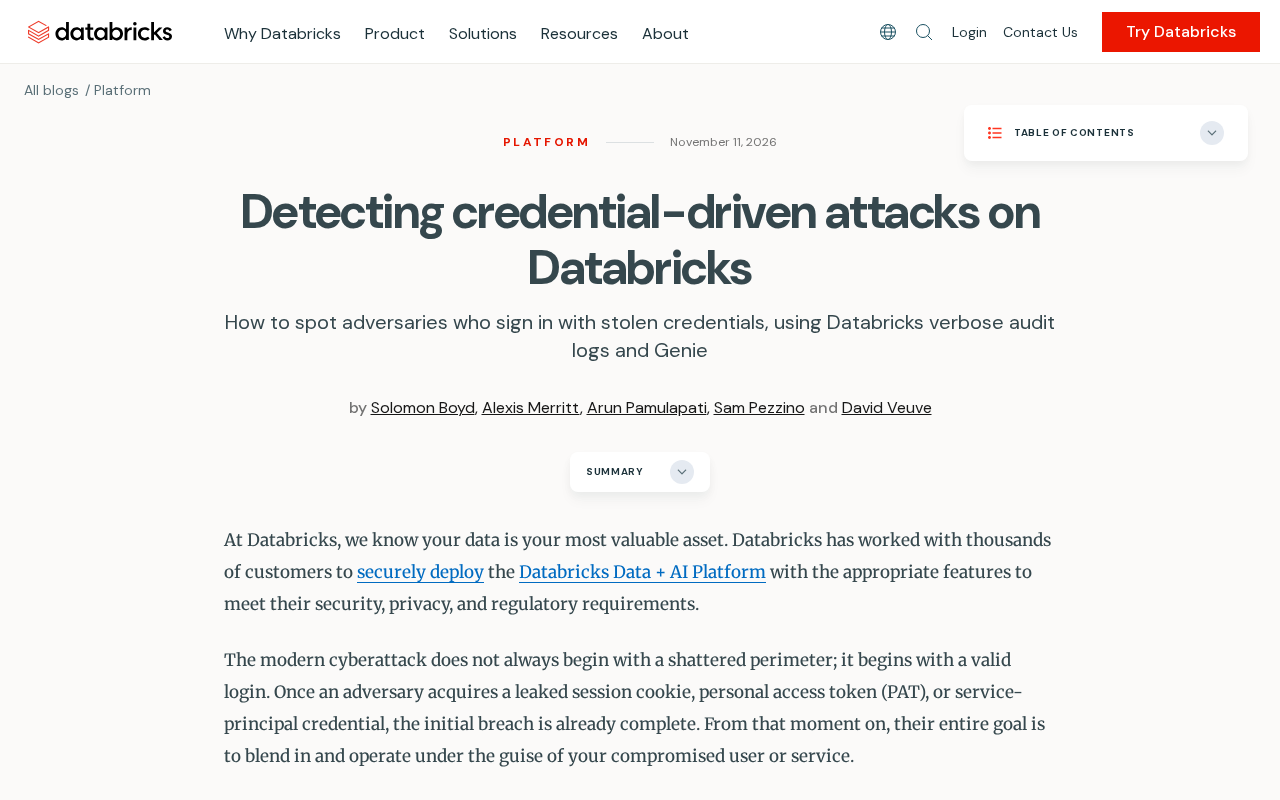
Why Credential-Based Attacks Are Hard to Defend Against
Unlike external intrusions, credential-based attacks use valid account information that has already been leaked or stolen. Attackers don't need to breach firewalls, nor do they trigger obvious exploit alerts, allowing them to lurk inside platforms for extended periods. For data platforms, this means attackers may gain direct access to sensitive datasets, job configurations, and compute resources.
Databricks points out that the value of data inevitably makes such platforms prime targets. When credentials become the attack entry point, the detection focus shifts from "who is outside the door" to "what has the person inside done that doesn't match their identity."
Credential-Based Attack refers to a type of attack in which adversaries use stolen or leaked legitimate account credentials (such as usernames and passwords, API Tokens, OAuth tokens, cloud platform Access Keys, etc.) to log into systems and carry out operations. Unlike exploit-based intrusions, the attacker's traffic and requests in this type of attack are fully legitimate at the protocol level, so detection methods based on signature matching, malicious IP blacklists, or exploit characteristics often fail. In cloud environments and data platform scenarios, credentials typically exist as long-lived service account keys and access tokens. Once leaked, attackers can use legitimate identities to move laterally to data warehouses, compute clusters, job schedulers, and other components, with behavior highly similar to normal operations and extremely strong stealth. This is currently one of the most common initial access techniques in cloud intrusion incidents.
Discovering Anomalies from Behavioral Baselines
The core of detecting credential abuse lies in establishing a baseline of normal behavior and identifying activities that deviate from it. Platform-level signals include changes in access sources, sudden shifts in operation frequency, and atypical access paths to sensitive resources. These signals may not seem significant individually, but combined they often reveal signs of account compromise.
Databricks' approach is to combine identity context with resource access patterns for analysis, enabling security teams to intervene before attacks cause substantive impact. This method complements traditional monitoring that relies on static rules.
Behavioral Baseline refers to the statistical modeling of normal activity patterns of accounts or entities within a certain time window, forming a comparable reference profile that includes dimensions such as commonly used login IP ranges and geographic locations, active time periods, types of resources accessed, and API call frequency and sequences. During detection, alerts are triggered by calculating the degree of deviation between current behavior and the baseline (such as statistical Z-scores, frequency surges, or sequence pattern mismatches). This type of method falls under the category of User and Entity Behavior Analytics (UEBA), and its advantage is that it does not rely on known attack signatures and can detect "legitimate credentials doing things they shouldn't." In data platforms, baselines typically need to be established separately by role (administrator, data engineer, analyst) to avoid behavioral characteristics of accounts with different responsibilities diluting each other.
Platform-Side Detection Capabilities and User Practices
Beyond platform-built-in detection mechanisms, users also need to cooperate with credential governance. The principle of least privilege, regular key rotation, and additional monitoring of high-privilege accounts are all fundamental measures to reduce risk. Databricks emphasizes that data is the most valuable asset, a judgment that also explains why credential security requires shared responsibility between platform and users.
For enterprises running critical business on Databricks, it is recommended to incorporate credential anomaly detection into the overall security operations process, pay attention to the audit and monitoring capabilities provided by the platform, and respond promptly to suspicious access behavior.
The Principle of Least Privilege requires that each account, service principal, or token be granted only the minimum scope of permissions necessary to fulfill its responsibilities, thereby compressing the resource surface an attacker can reach when credentials are leaked. In data platforms like Databricks, this means avoiding the use of global administrators or high-privilege personal access tokens for routine jobs, instead using dedicated service principals divided by workload, and implementing fine-grained authorization at the table, Schema, and Catalog levels through mechanisms such as Unity Catalog. Complementary key rotation requires setting expiration periods for long-lived credentials and changing them regularly, prioritizing short-term tokens or dynamic credentials over static keys, and using audit logs to track key creation and usage to promptly detect abnormal issuance or unexpected calls, reducing the exposure risk associated with long-lived credentials.
One-line Summary
Databricks shares its detection approach for credential-based attacks, advocating behavioral baselines to identify legitimate account abuse.
Paragraph Summary
Credential leaks have become a major threat to cloud data platforms, and the Databricks security team has shared its detection approach for credential-based attacks. These attacks use leaked or stolen valid credentials to bypass firewalls and exploit alerts, allowing long-term persistence and direct access to sensitive data, job configurations, and compute resources. The article points out that detection focus should shift from "who is outside the door" to "what has the person inside done that doesn't match their identity," with the core being to establish a normal behavioral baseline and identify deviations, including changes in access sources, sudden shifts in operation frequency, and atypical resource access paths, combining identity context with resource access patterns for analysis. It also emphasizes that platform detection must be combined with user-side credential governance, with least privilege, key rotation, and additional monitoring of high-privilege accounts as fundamental measures. Data platforms become prime targets because they host high-value data, and enterprises should incorporate credential anomaly detection into their overall security operations processes.
Related articles
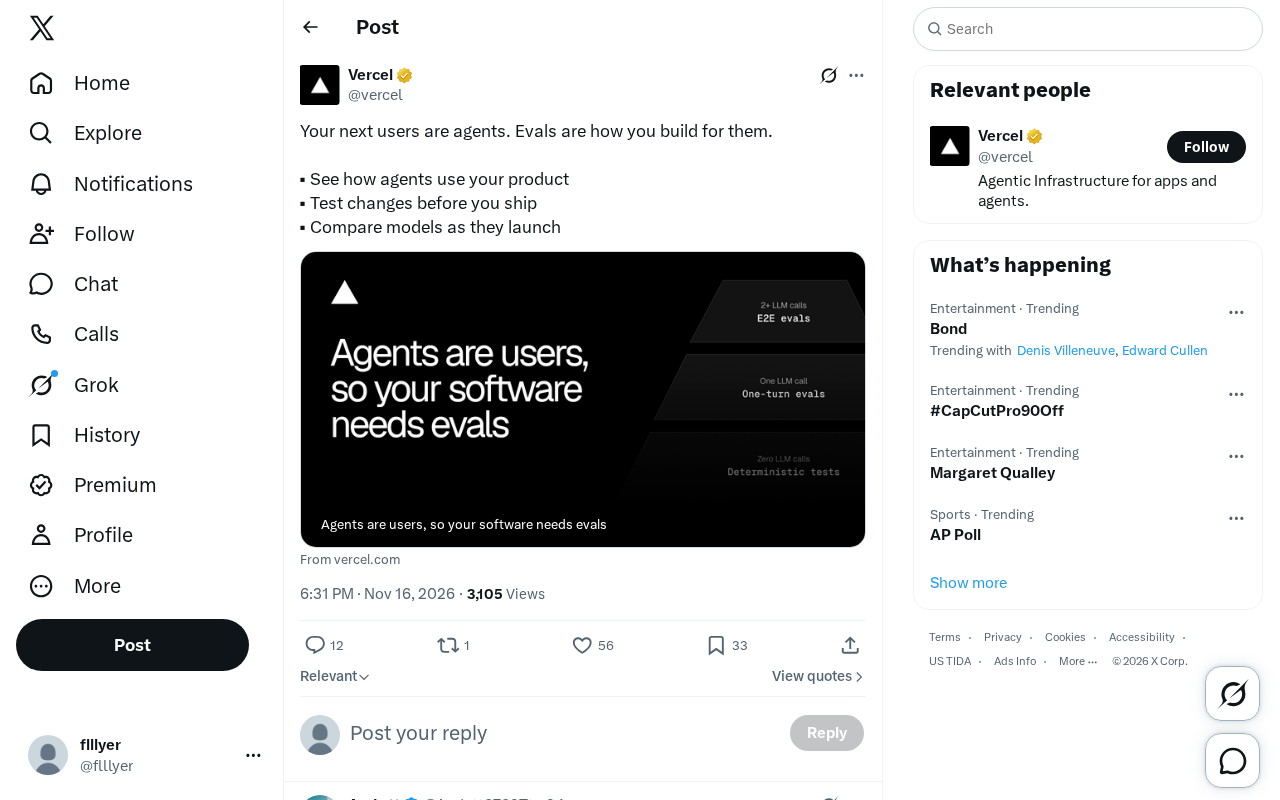
The AI Agent Era: Building a New Product Paradigm with Evals
AI Agents are becoming the next users of products. This article explains how to use Evals to observe Agent usage behavior, test changes before launch, and compare new model performance, helping product teams establish a development methodology for the Agent era.
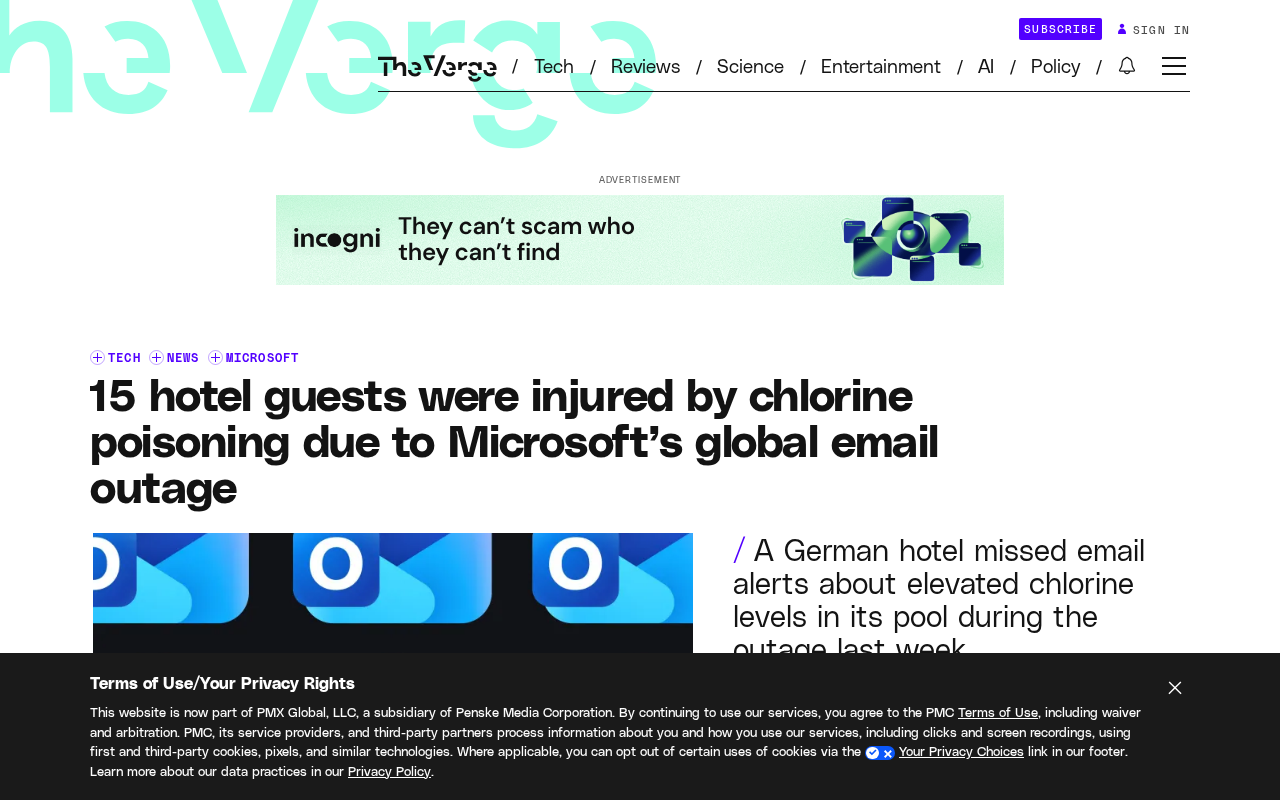
Microsoft Global Email Outage Leads to Chlorine Leak at German Hotel, Injuring 15
A Microsoft 365 and Outlook global outage prevented a chlorine safety alert from reaching a German Phantasialand hotel, injuring 15 guests and exposing the fragility of cloud-dependent safety systems.
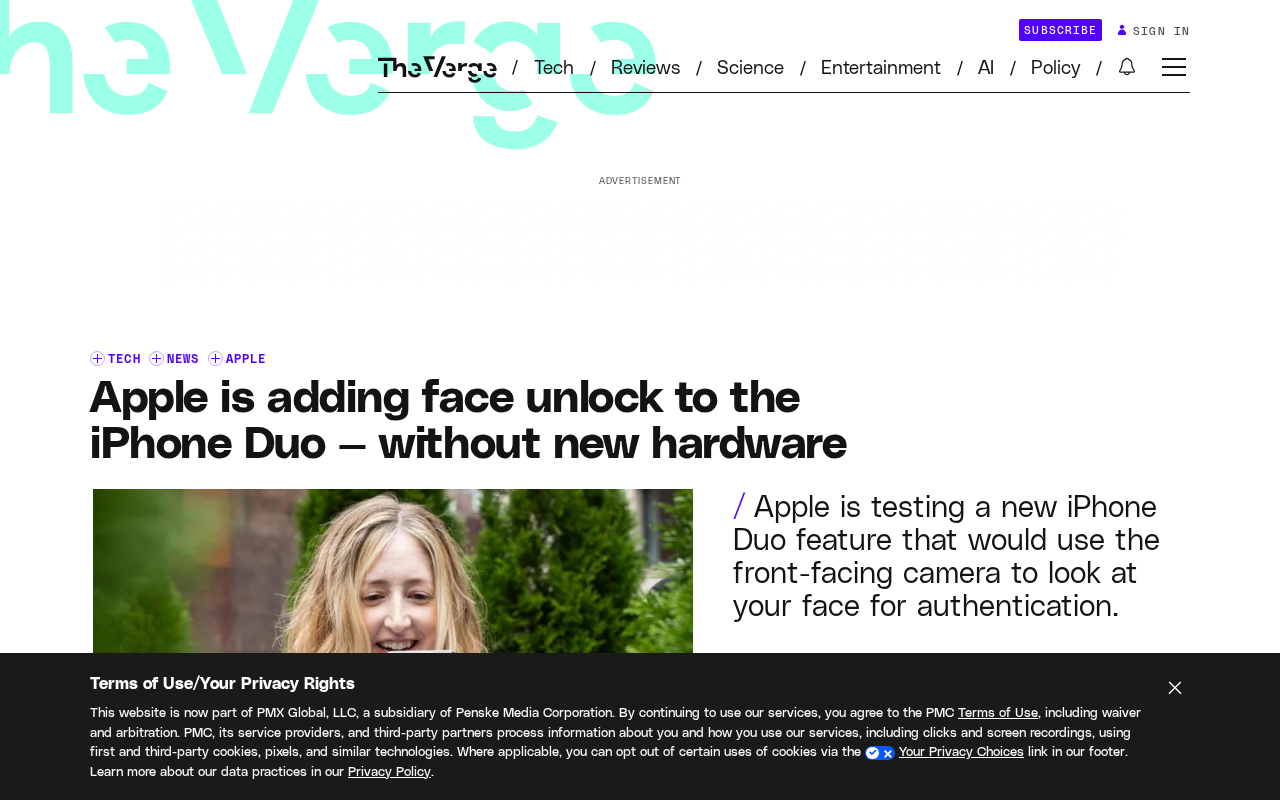
iPhone Duo to Support Face Unlock Using Only the Front Camera
Apple is developing front-camera-only face unlock for the iPhone Duo, now testing in the iOS 27.3 beta. We analyze the technical approach, user experience, and security trade-offs.