James Gunn Steps Down as DC Studios Co-CEO, Marvel Veteran Takes Over

James Gunn and Peter Safran step down as DC Studios co-CEOs, with former Marvel exec Jeremy Latcham taking over after Skydance's integration.
According to Deadline, James Gunn and Peter Safran will no longer serve as co-CEOs of Skydance-owned DC Studios, with former Marvel SVP of Production and Development Jeremy Latcham stepping in. The two led DC since 2022 and spearheaded the DC Universe reboot plan, and will remain involved in multiple projects as producers. The change is tied to strategic adjustments after Skydance's takeover, suggesting DC may move toward a more industrialized production process. Latcham's Marvel background raises questions about DC-M arvel talent flow, and whether Gunn's DC Universe blueprint will be adjusted will be a key point of interest.
End of an Era: Gunn and Safran Depart DC Leadership
According to Deadline, James Gunn and Peter Safran are set to step down as co-CEOs of DC Studios under Skydance. The two have led DC Studios since 2022 and will now hand the reins to former Marvel Senior Vice President of Production and Development Jeremy Latcham. However, Gunn and Safran will remain involved in multiple DC projects as producers.
This personnel change marks the first major leadership shakeup at DC Studios since its restructuring. During their tenure, Gunn and Safran spearheaded the reboot planning for the DC Universe, including numerous film and series projects. While the report did not detail the specific reasons for their departure, sources say it is related to strategic adjustments following Skydance's takeover.

Skydance is an American film and television production company founded in 2010 by David Ellison. It has invested in and produced numerous blockbusters, including Mission: Impossible, Star Trek, and Top Gun: Maverick. In 2024, Skydance reached a merger agreement with Paramount Global, becoming Paramount's new owner and thereby indirectly gaining control of DC Studios. DC Studios was originally a subsidiary of Warner Bros. Discovery, but the Paramount-Skydance merger significantly changed DC Studios' ownership. This leadership change is taking place against the backdrop of that corporate restructuring, with Skydance looking to use the opportunity to adjust DC's operational strategy.
The New Boss: Who Is Jeremy Latcham?
Jeremy Latcham's résumé is concentrated in Marvel Studios. He served as Senior Vice President of Production and Development at Marvel Studios, participating in the production of numerous Marvel films. His move to DC means he will bring the franchise management experience he accumulated at Marvel to the competitor's camp.
Latcham's appointment also suggests that Skydance wants to inject a more industrialized production process into DC. Unlike Gunn's creator-driven style, Latcham's background leans more toward overseeing large franchises and coordinating multiple production resources. This shift could affect the development pace and stylistic direction of future DC projects.
James Gunn and Peter Safran's DC Universe Reboot Plan: Since taking office in 2022, the two have led a reboot initiative called "DC Universe Chapter One: Gods and Monsters," aimed at building a unified and coherent DC film and television universe spanning films, series, and animation. Announced projects include Superman: Legacy (later renamed Superman), The Brave and the Bold, Supergirl: Woman of Tomorrow, and a Green Lantern series. Gunn leans toward a creator-driven narrative style, while Safran excels at production coordination and budget management, forming a complementary leadership pair. The plan was seen as a systematic reshaping of DC after years of directional drift.
Transition Arrangements and Impact
The report notes that after stepping down, Gunn and Safran will continue to be involved in DC projects as producers. This means that in the short term, DC's established projects will not see dramatic shifts, but in the long run, the new leadership may reassess the priorities of certain projects.
For fans and industry observers, the biggest question is whether Gunn's DC Universe blueprint will be adjusted. Multiple projects currently known to be in development, and Latcham's first decisions in office will send key signals.
The Difference Between Producer and CEO Roles: In Hollywood, a producer typically handles the creative development, budget management, and production coordination of a single project, while a CEO must oversee the strategic direction, project portfolio, and resource allocation of an entire brand. Gunn and Safran retaining their producer titles after stepping down means they will continue to be deeply involved in specific projects already launched (such as Superman, which Gunn personally directed), but will no longer determine DC's overall strategic priorities. This arrangement ensures project continuity during the transition while leaving room for the new CEO, Latcham, to make adjustments — a common buffer mechanism in power transitions at film and television companies.
Industry Perspective: Talent Flow Between DC and Marvel
This personnel change once again highlights the talent circulation in the superhero film sector. The mutual flow of executives and creators between DC and Marvel is not uncommon, but a Marvel executive directly taking over a DC leadership position is still relatively rare.
From an industry perspective, after completing the integration of DC Studios, Skydance clearly hopes to leverage Latcham's experience to improve DC's output efficiency. In recent years, DC has seen significant fluctuations in both box office and critical reception, and the new leadership faces considerable pressure.
Future Outlook: DC's Next Step
It is not yet clear what specific plans Latcham has after taking office, but it is expected that DC Studios will gradually adjust its strategic direction while keeping existing projects moving forward. Whether Gunn and Safran's legacy projects can be realized as originally planned will be a key point of interest in the period ahead.
For audiences following DC, there is no need to worry about projects stalling in the short term, but long-term plans may face uncertainties. With the new leadership in place, DC's film and television universe may be in for another round of reshaping.
Related articles

Anthropic's New Model Fable 5.2 Tested: Performance Surpasses Opus 5.5
Anthropic releases Fable 5.2, tested to outperform Opus 5.5. Higher per-token price but lower cost per task. Release highlights, public benchmarks, custom benchmarks, three hands-on tests, and model selection advice.
OpenAI on the Data Center PR Crisis and AI Regulation Through Self-Restraint
OpenAI executive interview: why AI data centers face a PR crisis, and why OpenAI supports a "speed limit" framework to regulate recursive self-improvement, stressing humans must control AI.
Apple's New Mac App Harbor: Local AI Inference and Thunderbolt 5 Clustering
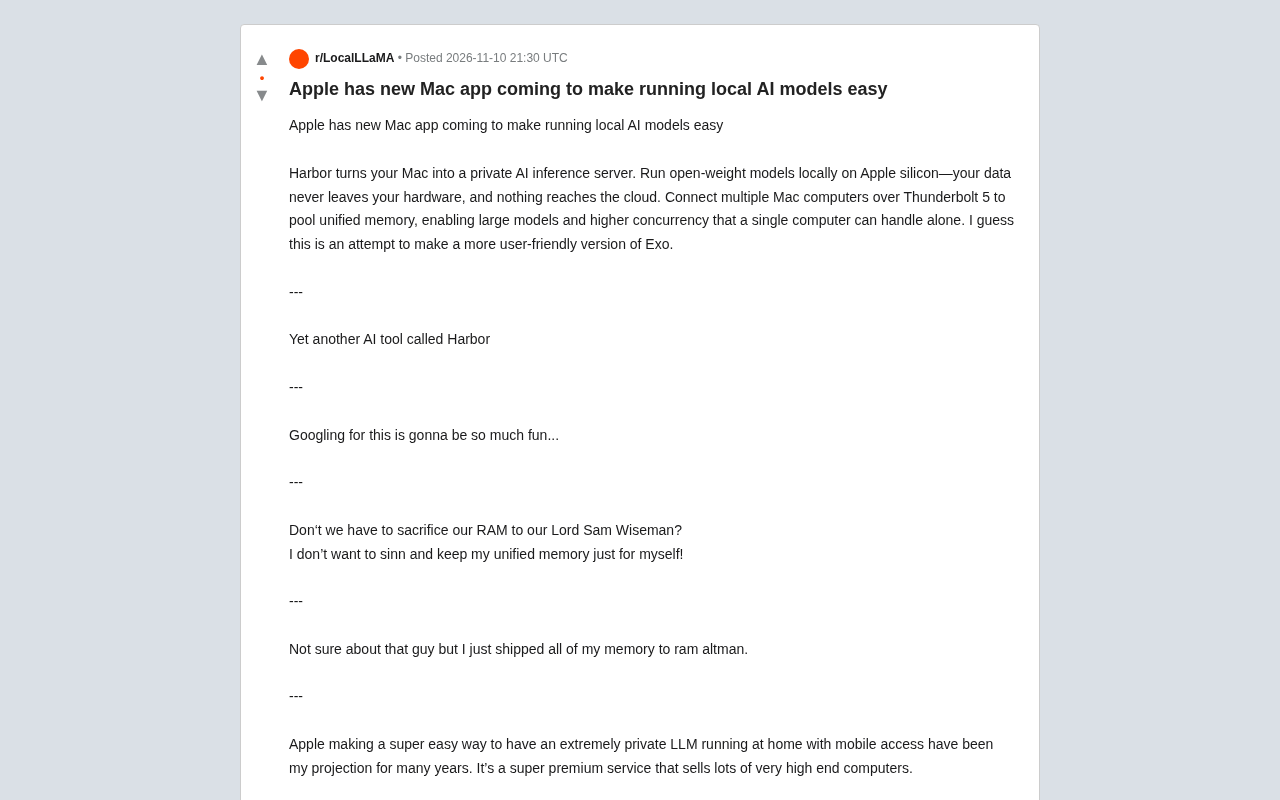
Apple's new Mac app Harbor exposed: turning Macs into private AI inference servers, pooling unified memory across multiple Macs via Thunderbolt 5 to run large models. This article analyzes its features, differences from Exo and LM Studio, and impact on the local AI ecosystem.