Microsoft's Accelerating AI Transformation: The Layoff Logic Behind 60,000 Employee Buyouts

Microsoft offers voluntary buyouts to ~60,000 staff, signaling Nadella's AI workforce prophecy is entering execution.
Microsoft this week offered voluntary buyouts to about 60,000 employees across the US, UK, Canada, and other regions—an unusually large move seen as the clearest signal that CEO Nadella's long-standing claims that AI will fundamentally change work and organizational scale are being realized. Voluntary buyouts typically serve as a softer layoff alternative, reducing legal and reputational risks while enabling targeted workforce restructuring; repetitive engineering, customer service, and operations roles are first in line. Buyouts are often just step one—if acceptance falls short, forced layoffs may follow. The multi-country rollout shows Microsoft's workforce planning is now AI-first, signaling that even cash-rich giants are cutting headcount to free up compute and data center investment.
Microsoft this week offered voluntary buyouts to approximately 60,000 employees in the United States, United Kingdom, Canada, and other locations—widely seen as the clearest signal yet that CEO Satya Nadella's years of remarks about AI reshaping the workforce are finally being put into action. According to RSS sources, the move spans multiple countries and is unusually large by Microsoft's historical standards.
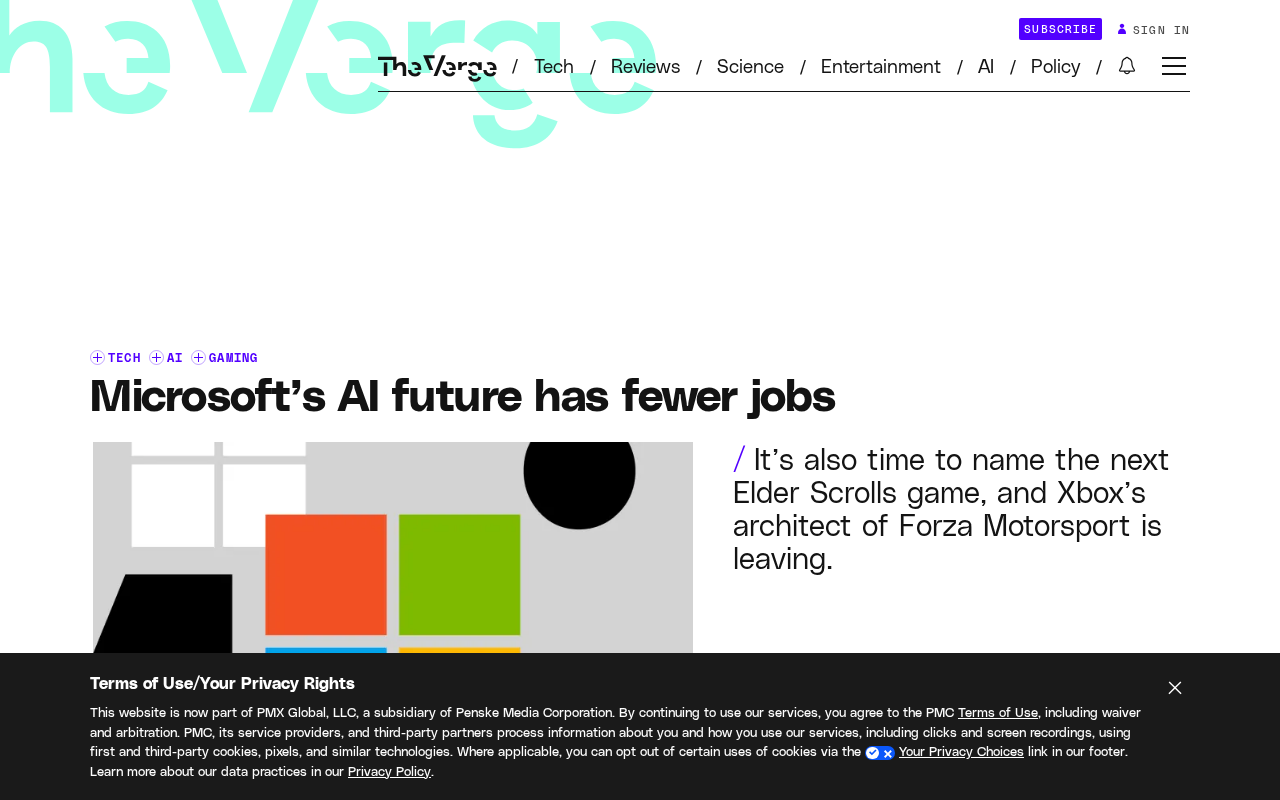
Nadella's AI Prophecy Is Coming True
Over the past two years, Nadella has repeatedly stated publicly that AI will fundamentally change the nature of work and the scale of organizations. This buyout program is not an isolated event but a marker that this strategic judgment has entered the execution phase. Voluntary buyouts are typically used as a softer alternative to layoffs—they reduce the reputational and legal risks of direct layoffs while allowing the company to proactively restructure its workforce in specific business lines.
Given Microsoft's scale, a buyout window covering 60,000 people means the company is making room for an AI-driven new operating model. This is not merely cost control but likely a systematic replacement of job types: repetitive engineering, customer service, operations support, and similar functions are first in line.
Voluntary Buyout / Voluntary Severance is a flexible tool in corporate workforce adjustment: the company offers a group of eligible employees the option to leave voluntarily within a specified window in exchange for a compensation package (commonly N+X months of salary, extended health insurance, accelerated stock vesting, or outplacement support). The key difference from direct layoffs is who holds the initiative—employees decide for themselves whether to accept, while the company avoids the labor law disputes, union negotiations, severance litigation, and employer brand damage that forced layoffs can bring.
Whether a buyout program succeeds depends on three variables: whether the compensation package is generous enough, whether the external job market is favorable, and whether employees believe staying is safe. When compensation is low or employees expect further sweeteners later, acceptance rates tend to fall short, leaving the company with no choice but to resort to forced layoffs. That is why the industry generally treats buyout windows as a leading indicator of layoffs rather than a substitute for them. Microsoft's synchronized rollout across multiple countries must also navigate differences in national labor laws—for example, the UK and some EU countries mandate collective consultation procedures, which itself suggests that its workforce planning has involved long-term preparation.
Buyouts Are Not the End Point but the Start of Structural Restructuring
Voluntary buyouts are often just the first step. When the number of buyout participants falls short of the target, forced layoffs usually follow. Microsoft's choice to proceed simultaneously across multiple countries indicates that its workforce planning has been recalibrated around an AI-first logic. For employees, the compensation terms offered will directly affect willingness to accept, and currently disclosed public information has not yet revealed specific terms.
This move also sends a signal to the entire tech industry: even giants with abundant cash reserves are proactively shrinking their workforce to free up room for AI infrastructure investment. Capital expenditure on compute, model training, and data center construction is squeezing traditional personnel budgets.
The phrase capital expenditure crowding out personnel budgets reflects a real change in the financial structure of tech companies. In accounting terms, investments in data centers and GPU clusters are capital expenditures (CapEx), which are amortized as depreciation over several years; employee salaries are current operating expenses (OpEx). When a company shifts a large share of its new budget toward AI infrastructure, the short-term income statement faces dual pressure from rising depreciation and rigid personnel costs, making workforce reduction the most direct adjustment valve.
This also explains why cash-rich giants are likewise cutting headcount: the problem is not that they "can't afford salaries" but that the same money is judged to yield higher marginal returns when invested in compute. For investors, revenue per employee is a closely tracked metric—maintaining equivalent output with fewer people directly pushes this number up, thereby supporting the valuation narrative. In other words, buyouts are both a cost action and a signal to capital markets of commitment to an "AI-first" strategy.
Practical Implications for Tech Workers
Microsoft's move reinforces a trend—AI will not eliminate jobs evenly but will hit first those tasks that can be standardized and automated. For workers, the buyout window is both an exit opportunity and a reminder to reassess their skill portfolios. On the corporate side, companies are testing a new balance: maintaining or even increasing output with fewer people paired with more powerful AI tools.
The time lag between Nadella's words and Microsoft's actions is shrinking. When a CEO repeatedly talks about AI changing how work gets done, a buyout program is the most direct footnote.
One-line Summary
Microsoft is offering voluntary buyouts to roughly 60,000 employees across the US, UK, Canada, and other locations, marking the start of execution for Nadella's prophecy that AI will reshape the workforce.
Paragraph Summary
Microsoft this week offered voluntary buyout packages to approximately 60,000 employees in the US, UK, Canada, and other locations—an unusually large move by its historical standards, seen as the clearest signal yet that CEO Nadella's years of remarks that "AI will fundamentally change the nature of work and organizational scale" are being put into practice. The article argues that voluntary buyouts typically serve as a softer alternative to layoffs, reducing reputational and legal risks while enabling companies to proactively adjust workforce structure in specific business lines; standardized functions such as repetitive engineering, customer service, and operations support are first in line. Buyouts are often just the first step—if acceptance numbers fall short, forced layoffs may follow. The synchronized multi-country rollout indicates that Microsoft's workforce planning has been recalibrated around AI-first logic, while signaling to the industry that even cash-rich giants are shrinking headcount to free up investment space for compute and data centers.
Related articles

LangChain Retry Middleware Configuration: Practices and Selection Guide
Based on Reddit community discussion, this article analyzes LangChain ModelRetryMiddleware retry parameter configuration practices, covering the selection logic and alternatives for key options like max_retries, backoff_factor, and jitter.

Texas Senate Race in Trouble: Why Are Republicans Nervous?
Texas Senate race stirs Republican anxiety. Based on street interviews, this article analyzes the Democratic offensive in funding, organization, and running everywhere, and how Republicans are defending "Texas, Texas" amid the political pendulum effect.

Gemini Chat Now Generates and Edits Google Docs Directly, a New Breakthrough in Office Productivity
Google Gemini's chat interface now generates and edits PDF, Google Docs, Sheets, Slides, Markdown, TXT, and code files. Available to all users; web supports all formats, mobile only PDF for now.