Musk and Other Tech Executives Sign Petition Calling on Nvidia to Reinstate Jensen Huang
Musk and other tech executives jointly sign a petition urging Nvidia to reinstate Jensen Huang; signatures exceed 115,000.
The article reports that Elon Musk and several tech company executives have signed a petition calling on Nvidia to reinstate Jensen Huang, with more than 115,000 signatures as of Saturday afternoon. Although the petition has no legal force, its scale has made it an industry event with public-opinion pressure. Huang's personal image is closely tied to Nvidia's GPU and AI computing business, so changes to his position directly affect judgments about the company's strategic continuity; the involvement of downstream customers like Musk gives the event a cross-company dimension and may reflect concerns about supply stability. The article also stresses that key information—including the petition's organizers, launch date, Nvidia's official stance, and Huang's own response—is missing, and that caution is warranted before facts are disclosed.
A Rare Industry-Wide Joint Petition
According to RSS sources, Elon Musk and several other tech company executives have jointly signed a petition calling on Nvidia to reinstate Jensen Huang. As of Saturday afternoon, the petition had collected more than 115,000 signatures.
The incident quickly drew attention across the tech community. Although the petition itself has no legal binding force, the scale of over 115,000 signatures shows it has moved beyond niche discussion to become an industry event carrying public-opinion pressure.
The Petition's Core Demand and Scale
Based on public information, the petition's direct demand is for Nvidia to restore Jensen Huang to his original position. Signatories include high-profile tech figures like Musk, which has given the petition additional viral reach.
115,000 signatures is a notable magnitude. In tech-industry petitions, cases that break the 100,000 threshold are rare, and typically signal that the issue touches on widespread concerns among employees, developers, or supply-chain partners. However, available information does not disclose the petition's organizers, its specific launch date, or the full composition of signatories.
Why This Matters
Jensen Huang is Nvidia's iconic figure, and his personal image is closely tied to the company's GPU and AI computing business. Any news involving changes to his position will directly affect outside judgments about the continuity of Nvidia's strategy.
The involvement of Musk and others gives the event a cross-company, industry-wide dimension. Musk's companies have long relied on Nvidia's computing products, and his public stance on Nvidia management changes may reflect concerns among some downstream customers about supply stability and continuity of cooperation.
As an aside, currently public reports only confirm the petition's existence and signature count; they do not state whether Nvidia has responded, nor do they explain the specific background of Huang's position change. With these key pieces of information missing, any judgment about how the event will unfold can only be speculation.
Jensen Huang is one of Nvidia's co-founders and has served as president and CEO since the company's founding in 1993, making him one of Silicon Valley's longest-tenured founder-CEOs. Under his leadership, Nvidia transformed from a graphics card maker into a core supplier of AI computing infrastructure; the CUDA software ecosystem, the data-center GPU product line, and the recent Blackwell architecture are all directly tied to his strategic decisions. For this reason, changes to his position are often interpreted by investors and the supply chain as a signal about whether the company's direction will continue, rather than as a mere personnel adjustment.
A so-called "petition" typically refers to a public appeal initiated by individuals or organizations to collect signatures from the public or a specific institution. It has no legal force and mainly serves to create public-opinion pressure and express the collective stance of stakeholders. In the tech industry, petitions are common in open-source communities, internal employee governance, and industrial policy issues. Signature counts are often used by the media as an indicator of an issue's visibility, but problems such as verification of signatory identities and duplicate signatures can also affect representativeness.
Information Gaps and Follow-Up Observations
Several core questions about this petition remain unanswered: who initiated it, what Nvidia's official stance is, whether Huang himself has responded, and which specific figures besides Musk are among the signatories.
For readers following the AI computing supply chain, what is worth watching next is Nvidia's official statement and whether this event will affect its product roadmap and customer relationships. Before more facts are disclosed, staying cautious is more valuable than rushing to conclusions.
Background
Concentration risk in the AI computing supply chain: Nvidia holds a dominant share of the global AI training and inference chip market, and its high-end GPUs have long been in short supply. Downstream cloud providers, model companies, and startups generally depend on its product scheduling and allocation. This highly concentrated supply landscape means any management turmoil at Nvidia may be magnified by customers into risks involving delivery cadence, priority allocation order, or changes to long-term cooperation terms. Public statements by downstream customers such as Musk essentially reflect the supply chain's sensitivity to the governance stability of a single supplier.
Related articles
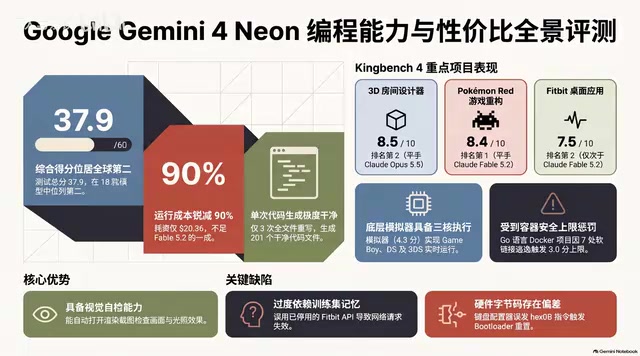
Gemini 4 Neon Hands-On: Value King or Confident Catastrophe?
Gemini 4 Neon review: 1M-token context, four thinking levels, 201 files in one KingBench4 pass at one-tenth Fable 5.2's cost—but it hallucinates fake data, leaves 7 symlink escapes, and bricks keyboards.
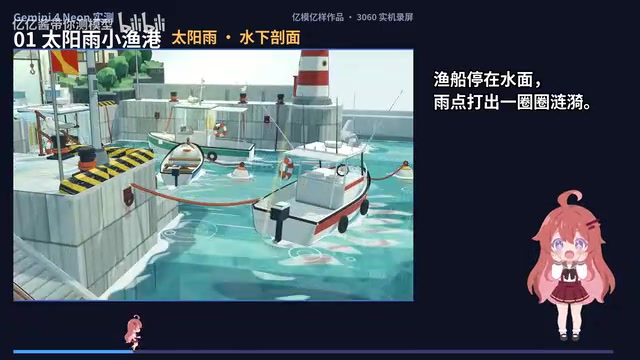
Google Gemini 4 Neon Hands-On: 6 3D Works That Impress and Fail
Hands-on with Google Gemini 4 Neon on a 3060 laptop: 6 3D works tested. Sunshower Fishing Harbor and mechanical keyboard impress; soft-body physics and faces fall short.
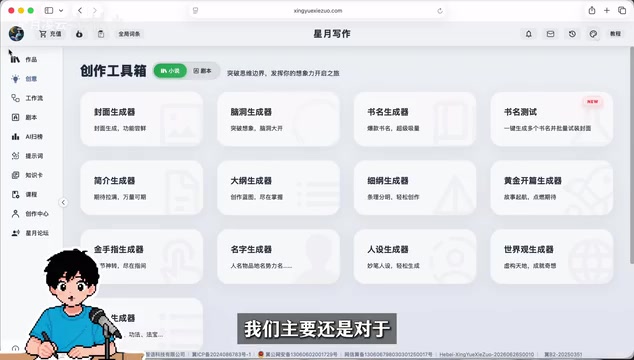
Gemini 4 Neo Web Novel Writing Test: Faint AI Flavor, Textured Dialogue
Bilibili creator's first-look review of Gemini 4 Neo for Chinese web novel writing: testing a Three Kingdoms transmigration opening with faint AI flavor, emotionally textured dialogue, and strong crisis building, plus comparison of 4A/4H/4C models and full workflow demos.