Oktobot: An AI Agent That Can Actually Control Android Phones
Oktobot is an AI Agent that can actually control Android phones, using a multi-agent workflow and emphasizing security design.
Oktobot is an AI Agent that breaks the boundaries of chat. Through Android accessibility services and optional Shizuku support, it enables real control of phone apps. It uses a multi-agent architecture with planning, execution, and replanning capabilities, can remember context and invoke predefined skills, and includes a built-in Termux-based Linux terminal. For models, it supports local models or bring-your-own API keys (ChatGPT, Claude, etc.), and the installation package is 227 MB. On security, it designs mechanisms such as per-app/per-operation permissions, approval for irreversible operations, and interception of passwords and payment information. It has currently surpassed 100 downloads and is in its early stages, distributed via Google Play, ShizuStore, and GitHub, with the developer welcoming community feedback.
From Chat to Control: Oktobot's Ambition
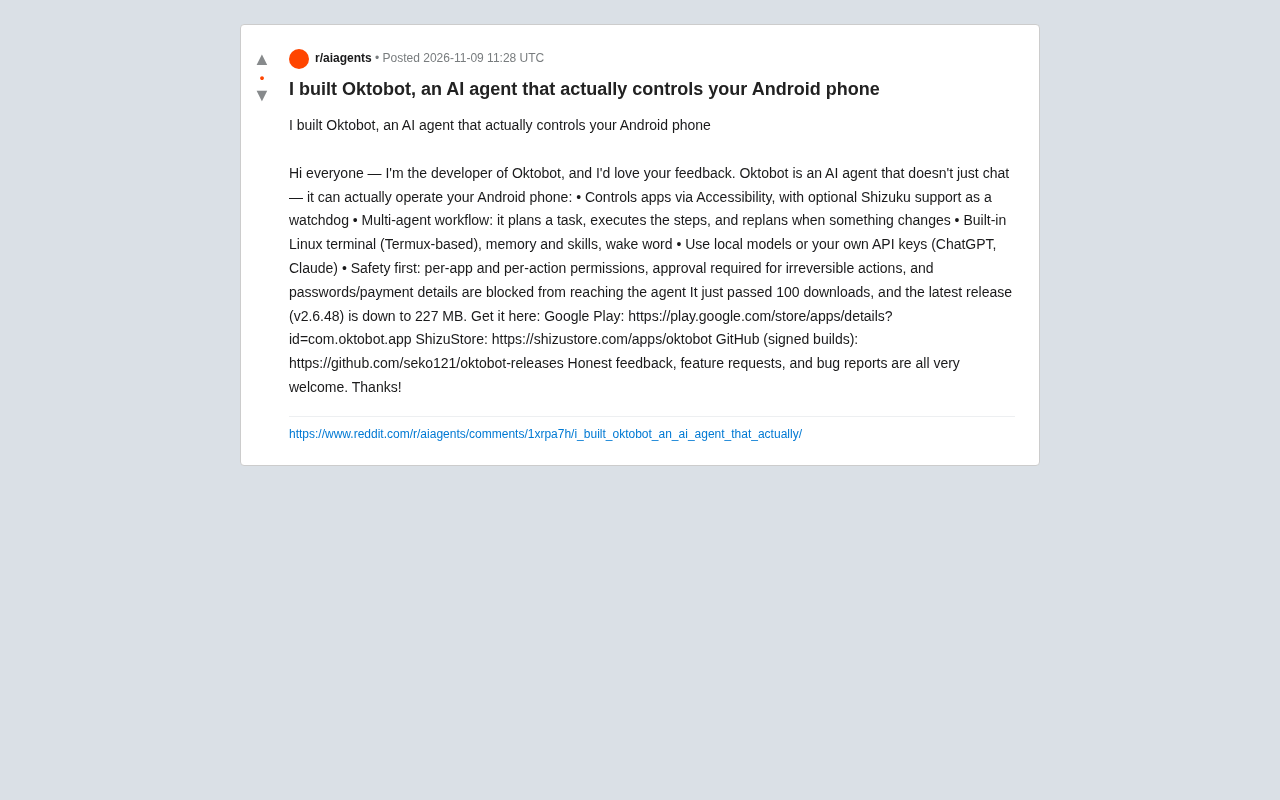
Most AI assistants stay inside a chat box, but Oktobot tries to break that boundary. The developer recently shared this AI Agent on Reddit, and it not only chats—it can actually operate the user's Android phone. According to its description, Oktobot controls apps through the Accessibility service, with optional Shizuku support as a watchdog mechanism to enable more stable automation.
The core idea behind this project is to turn AI from an "advisor" into an "executor." Users only need to provide a task goal, and Oktobot plans the steps, executes the operations, and replans when changes occur. This multi-agent workflow design makes it closer to an autonomous agent than a simple voice assistant.
Android Accessibility Service is a set of APIs designed by the Android system to assist users with disabilities. It allows apps to read screen content and simulate taps, swipes, text input, and other operations. It runs with system-level permissions, so it can control the interface across apps without root. For this reason, automation tools (such as Tasker and Auto.js) often use it to perform "real" actions. However, Google Play has strict review policies for the use of accessibility services, and abuse may lead to removal. Oktobot's reliance on this service means its capability boundaries are limited by Android versions and vendor customizations, and users must manually enable the permission in Settings. This is both the source of its capabilities and the focus of compliance and security risks.
Multi-Agent Workflow and Replan Capability
Oktobot adopts a multi-agent architecture: one agent is responsible for planning tasks, and another for executing steps. When unexpected situations occur during execution (such as interface changes or permission pop-ups), the system triggers replanning. This mechanism is uncommon in automation; most tools can only execute fixed scripts, while Oktobot attempts to introduce dynamic adjustment capability.
According to the developer, Oktobot also includes a built-in Linux terminal based on Termux, along with memory and skill systems. This means the Agent can remember the context of previous operations and invoke predefined skills to complete complex tasks. The wake-word feature allows users to quickly summon the Agent by voice, further lowering the barrier to use.
Shizuku is an open-source Android permission management framework. Through ADB or root authorization, it lets ordinary apps temporarily obtain the ability to call system-level APIs without actually rooting the device. Common uses include freezing apps, modifying system settings, and calling hidden APIs. In automation scenarios, Shizuku can act as a "watchdog" or permission proxy, monitoring Agent behavior or providing a backup channel when accessibility services are restricted. However, Shizuku itself requires users to activate it via USB debugging or wireless debugging, and it may become invalid after each reboot, which increases the barrier to use. Oktobot lists it as optional support, intended to provide advanced users with more stable automation capabilities, but the implementation details are not public, so users must weigh convenience against security themselves.
Termux is a terminal emulator and Linux environment on Android. It can run package managers (such as apt) and a large number of command-line tools without root. Developers often use it to run scripts, compile code, or set up lightweight services on phones. Oktobot's built-in Termux-based Linux terminal means the Agent can invoke shell commands, execute scripts, and even run local models or toolchains. This expands automation capabilities but also raises security considerations: the terminal has high privileges, and if the Agent is induced by malicious instructions, it may execute dangerous commands. Therefore, Oktobot's permission approval mechanism is especially important in this scenario.
Local Models and Bring-Your-Own API Keys
For model selection, Oktobot gives users considerable freedom: they can use local models or enter their own API keys (supporting ChatGPT, Claude, and others). This design caters to different user needs regarding privacy and cost. Local models suit data-sensitive scenarios, while cloud APIs can provide stronger reasoning capabilities.
You may not have noticed that Oktobot's installation package is kept at 227 MB (latest v2.6.48 version). For an app integrating terminal and Agent capabilities, this size is relatively restrained. The developer revealed that the app has just surpassed 100 downloads and is still in its early stages.
Security Mechanisms: Permissions and Approval
Letting AI control a phone makes security an unavoidable topic. Oktobot has designed multiple layers in this regard: permissions are divided by app and by operation, irreversible operations require user approval, and passwords and payment information are blocked from being sent to the Agent. These measures are intended to prevent the Agent from misoperations or leaking sensitive data.
According to the developer, Shizuku support serves as an optional "watchdog," possibly used to monitor Agent behavior or improve the reliability of permission management. However, the specific implementation details have not been disclosed, and users must assess the risks themselves.
Availability and Feedback Channels
Oktobot is currently available for download through Google Play and ShizuStore, and a signed build is also provided on GitHub. The developer explicitly welcomes honest feedback, feature requests, and bug reports. For Android users who enjoy tinkering, this may be a new automation toy worth trying.
Judging from community reactions, this type of "real control" Agent is attracting attention, but its maturity still needs time to be tested. Whether Oktobot can find a balance between security and capability will determine whether it can move from an early-stage project to a broader user base.
One-line Summary
Oktobot is an AI Agent that can actually control Android phones, using a multi-agent workflow and emphasizing security design.
Paragraph Summary
Oktobot is an AI Agent that breaks the boundaries of chat. Through Android accessibility services and optional Shizuku support, it enables real control of phone apps. It uses a multi-agent architecture with planning, execution, and replanning capabilities, can remember context and invoke predefined skills, and includes a built-in Termux-based Linux terminal. For models, it supports local models or bring-your-own API keys (ChatGPT, Claude, etc.), and the installation package is 227 MB. On security, it designs mechanisms such as per-app/per-operation permissions, approval for irreversible operations, and interception of passwords and payment information. It has currently surpassed 100 downloads and is in its early stages, distributed via Google Play, ShizuStore, and GitHub, with the developer welcoming community feedback.
Related articles

Anthropic Releases Fable 5.2 and Mythos 5.2: Benchmark Dominance and Biorobotics Breakthroughs
Anthropic launches Claude Fable 5.2 and Mythos 5.2, leading nearly all benchmarks and breaking ground in protein design, gene therapy, and robot control.
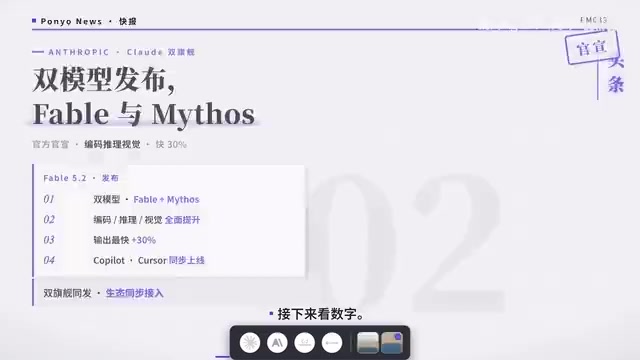
Anthropic Launches Dual Flagships Claude Fable 5.2 and Mythos 5.2, Topping Coding and Science Benchmarks
Anthropic releases Claude Fable 5.2 and Mythos 5.2 dual flagships, with full upgrades in coding, 3D interaction, and life sciences, topping third-party intelligence index, integrated by GitHub Copilot and Cursor, API pricing lower than competitors.
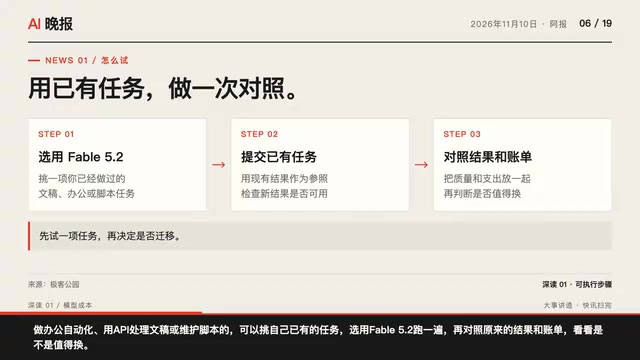
Claude Code Reportedly Leaks Secrets to GitHub, Sounding the Alarm for AI Coding Security
Claude Code reportedly exposed passwords and API keys to GitHub, per Ars Technica. We recap the incident alongside Claude Fable 5.2's 20% price cut and Meta Muse Ember, urging developers to check commit settings before granting permissions.