Polaroid Unveils the New Mod Instant Camera: Four Creative Shooting Modes to Unlock Your Creativity

Polaroid's new Mod instant camera adds a lens-ring knob with four creative shooting modes for experimental, personalized photography.
Polaroid has launched the Polaroid Mod, a new instant camera whose standout features are a physical knob around the lens for switching between four creative shooting modes and a brightness knob for exposure adjustment. Both controls follow Polaroid's intuitive design philosophy — no technical photography knowledge required. The camera repositions instant photography from a simple recording tool to a creative medium, forcing users to make intentional creative choices before pressing the shutter. It targets experimental photography enthusiasts, though specific mode effects, film formats, and pricing have yet to be fully disclosed.
Polaroid has announced a brand-new instant camera called the Polaroid Mod. Unlike traditional instant cameras that only allow control over aperture or shutter speed, this new model puts creativity at the center of its design — giving photographers more ways to experiment before they even press the shutter.
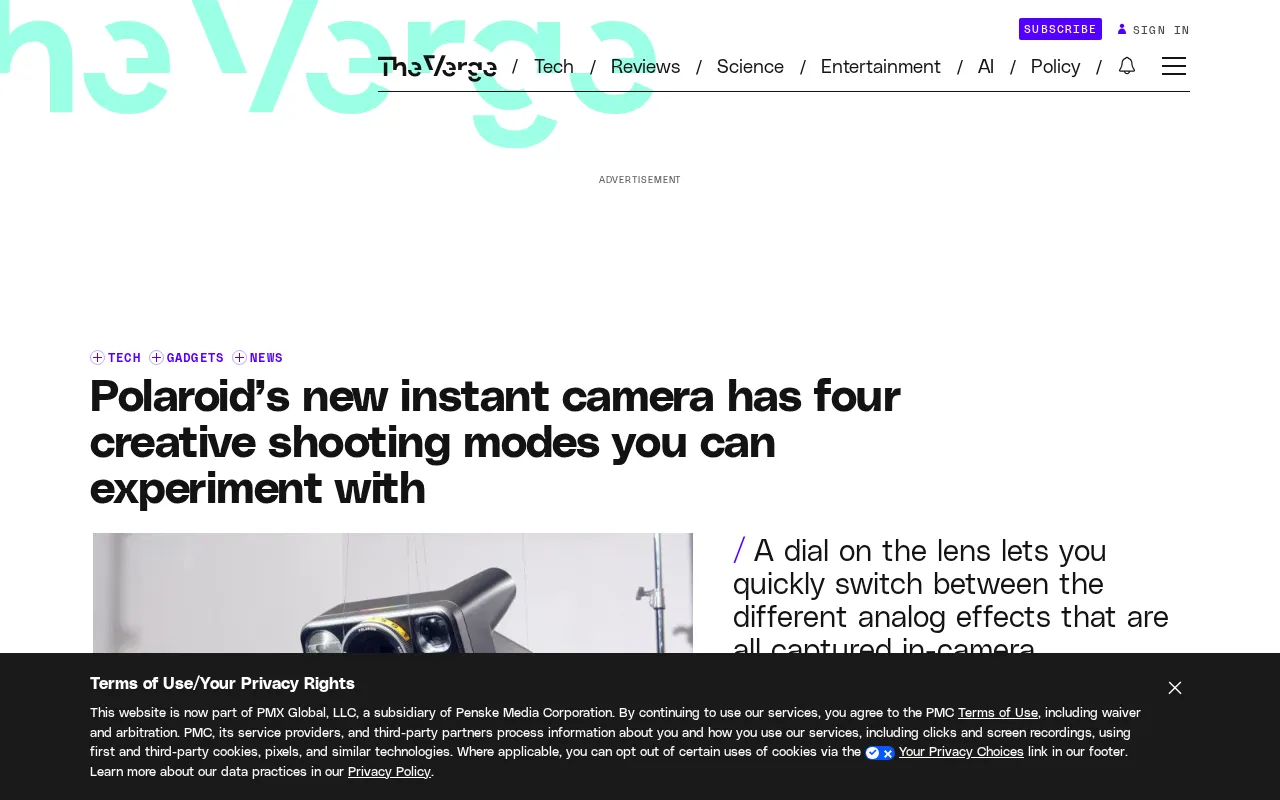
Brightness Knob and Lens Creative Modes
The Polaroid Mod features a "Brightness" knob on the front of the camera for adjusting exposure. This continues Polaroid's signature intuitive design philosophy — no complex menus required. Simply turn the knob to make your shot brighter or darker, making it easy to dial in the right exposure across different lighting conditions.
What truly sets this camera apart from similar products is a second knob that rings the lens. By rotating it, users can switch between four "creative shooting modes." This means instant photography is no longer just a "what you see is what you get" recording tool — it becomes an active medium for experimentation and creating unique images.
The exposure control history of instant cameras has long relied on a simplified "Lighten/Darken Slider" design, which essentially applies EV Compensation on top of automatic metering results. Classic early Polaroid models like the OneStep and SX-70 already embraced this approach, allowing users to intuitively adjust brightness without needing to understand ISO, aperture, or other technical concepts. The Polaroid Mod upgrades this to a knob format, giving it a tactile feel closer to the dial design of film cameras and reinforcing the ritual of hands-on adjustment. Instant film (such as Polaroid i-Type or 600 format) has a fixed ISO sensitivity and relatively low tolerance for over- or under-exposure, so this kind of intuitive exposure fine-tuning has a meaningful impact on the final image quality.
A Shift from Documentation to Creation
The charm of instant cameras has always been their immediacy and irreproducibility — every photo is a one-of-a-kind physical object. With the Mod, Polaroid's emphasis on creative modes is a direct response to today's photography enthusiasts' desire for playfulness and personalized expression.
Unlike digital cameras where you can reshoot endlessly and edit in post, every shutter press on an instant camera carries a certain element of risk. Making the creative modes a physical knob — forcing users to commit to a choice before shooting — amplifies the ritual and sense of anticipation that instant photography already naturally embodies. For users who prefer experimenting during the shoot rather than relying on post-processing, this "in-camera creativity" approach is genuinely compelling.
The imaging process of instant film makes it inherently irreversible. Take Polaroid's Integral Diffusion Transfer process as an example: once the shutter is pressed, the developer pods inside the film burst under roller pressure, and a chemical reaction completes automatically within minutes — a process that cannot be interrupted or corrected. This is fundamentally different from darkroom film development or digital post-processing. Once exposed, the outcome is essentially locked in. It is precisely this physical "one-shot" nature that gives each Polaroid photo its unique collectible value and forms the core experiential difference from casual smartphone photography. Designing the creative modes as a physical knob that must be manually selected before shooting is a deliberate move to leverage and amplify the sense of decision-making and anticipation that comes with this irreversibility.
Positioned for Experimental Users
Both the product name and feature set make it clear that the Polaroid Mod is aimed at tinkerers — users who enjoy experimenting with different visual effects. The combination of four creative modes and a brightness adjustment knob means even beginners can quickly capture stylized photos without needing to understand professional parameters like aperture or shutter speed.
It's worth noting that publicly available information so far focuses primarily on the existence of these four creative modes and the brightness knob. Specific details about each mode's visual output, film format compatibility, pricing, and release dates have not yet been fully disclosed by Polaroid. Anyone considering a purchase should keep an eye on official Polaroid announcements for complete specifications.
Wrap-Up
The Polaroid Mod carries on Polaroid's long-standing product philosophy of "simple yet fun" in the instant imaging space, while handing creative control back to users through the lens-side mode knob. It may not chase the ultimate image quality or professional-grade specs, but when it comes to making every shot more interesting, Polaroid has clearly made a deliberate and committed choice.
Related articles

Medicare Spends $50,000 Treating a Heart Attack but Won't Spend $100 Preventing One: The Mismatch in Healthcare
Medicare pays ~$50,000 to treat a heart attack but won't spend $100 to prevent one. This article unpacks the MedPage Today opinion piece and Hacker News debate on why healthcare payment favors treatment over prevention and the deep causes of incentive misalignment.

Nvidia May Cosign Loan for Nscale's West Virginia AI Data Center
Nvidia is considering cosigning a loan for Nscale's West Virginia AI data center. This article analyzes the signal significance of chip vendors entering data center financing, the risk-sharing logic, and project uncertainties.
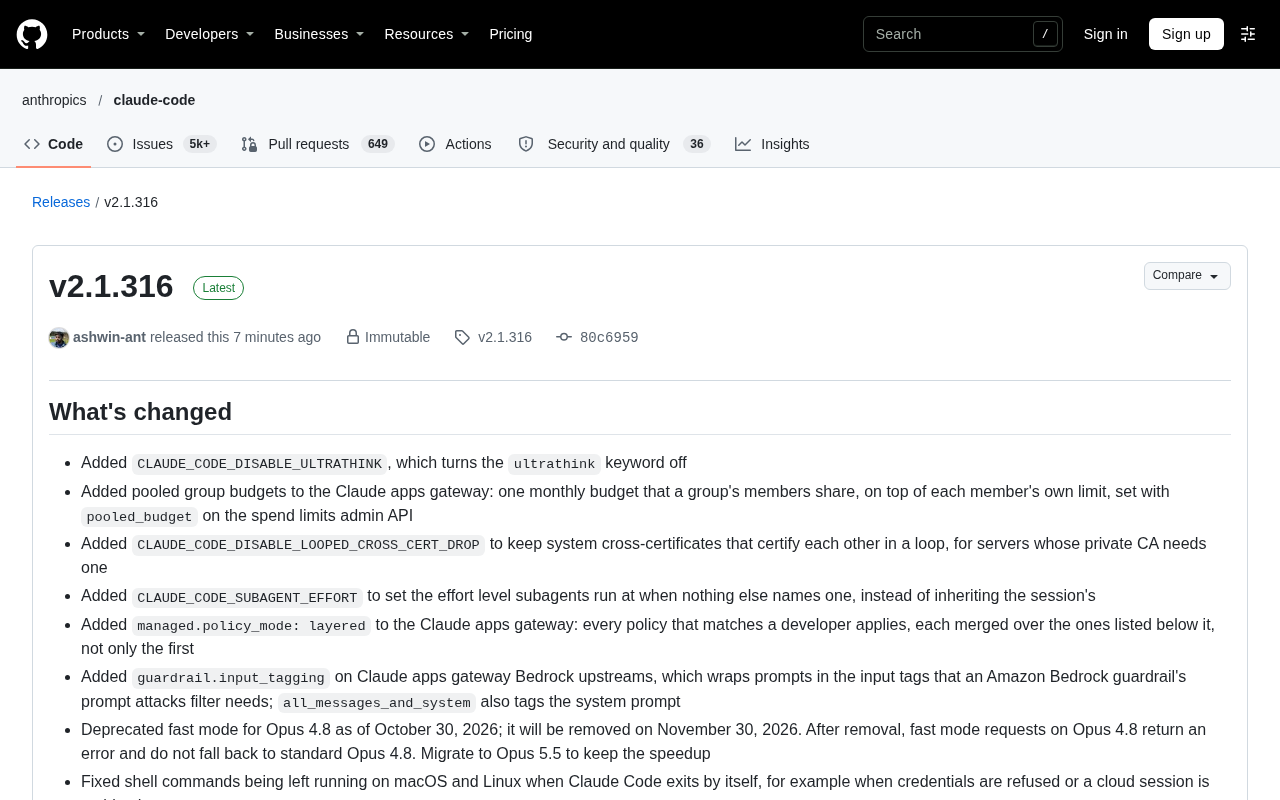
Claude Code v2.1.316 Update Analysis: Enterprise Gateway and Multiple Stability Fixes
Claude Code v2.1.316 released: new enterprise gateway pooled group budgets, layered policy mode, subagent effort control, dozens of Shell, network, and session recovery fixes, and Opus 4.8 fast mode deprecated.