Red Wine or White Wine? — Classic Dialogue and Its Lessons for AI Content Creation

Lessons from the bomb-defusing dialogue in Blown Away for AI dialogue ice-breaking and emotional diversion.
Using the line "You like red wine or white wine" from the bomb-defusing scene in the 1994 film Blown Away as a starting point, the article analyzes this narrative technique of inserting an unrelated everyday topic under life-or-death pressure. The author notes that in screenwriting this is emotional diversion, using a low-threat, specific, answerable question to briefly shift audience attention while shaping character. The article further discusses AI dialogue generation: current systems often seem mechanical in high-pressure scenarios such as customer complaints or emergency guidance, and can borrow "ice-breaking" design, but must grasp timing—first validating user emotions, then attempting to shift topics. The article also distills three actionable methods—emotional anchor, pacing control, and character consistency—and reviews consensus and disagreement across multiple sources, emphasizing that AI should focus on emotional flow rather than perfect logic and moderately introduce randomness to enhance human-likeness.
Introduction
The seemingly casual line "You like red wine or white wine?" comes from the 1994 film Blown Away, inserted abruptly into a tense bomb-defusing scene to create a stark contrast. This clip has recently sparked discussion again on YouTube, not only for its dramatic tension but also because it demonstrates a "ice-breaking" technique in dialogue design. For AI content creators, this approach of using everyday topics to divert attention under high-pressure situations is worth analyzing in depth.
The Narrative Strategy Behind the Dialogue
During the bomb-defusing countdown, the character Nance asks "How many bites left?" and gets the answer "24." The protagonist then says, "I don't want to die," and Nance encourages him, "Don't give up on me." Then the protagonist suddenly asks, "Tell me something—you like red wine or white wine?" The other replies, "I don't care," and the protagonist answers himself, "Red. Me too." This exchange seems nonsensical, but in fact it relieves tension through an unrelated topic while also shaping character—still trying to make a connection at a life-or-death moment.

This insertion of an "unrelated topic" is known in screenwriting as "emotional diversion." It briefly pulls the audience away from the fear of an explosion and directs attention to the characters' relationship. AI can also borrow this pattern when generating dialogue: inserting everyday details into tense scenes to enhance realism.
"Emotional diversion" is more commonly referred to in screenwriting theory as a variant of "emotional beat switching" or "comic relief." Its core mechanism is: within a sustained high-pressure narrative segment, insert a short beat with a different tone, causing the audience's emotional curve to dip slightly, thereby building energy for the next round of tension. This technique works because of "habituation"—continuous tension desensitizes the audience, while an unexpected everyday exchange can reactivate attention. Notably, emotional diversion is not arbitrary interruption; it usually attaches to character relationships: this dialogue simultaneously accomplishes "building connection" and "revealing personality," so it does not feel superfluous. The principle AI can borrow when generating narratives is: the sentence that shifts the topic should ideally also serve character development or relationship advancement; otherwise it is just noise.
"Ice-Breaking" Design in AI Dialogue Generation
Current AI dialogue systems often seem overly mechanical when handling high-pressure scenarios (such as customer service complaints or emergency guidance). If a random question like "red wine or white wine" were introduced, it might interrupt the user's train of thought and backfire. But timing is key: in the film, this line appears after "24 bites left"—one of the most tense moments—yet it has a calming effect.
According to analysis by YouTube channels, the clip is classic because it breaks the stereotype that "bomb disposal experts must be serious throughout." AI can learn this "counter-expectation" strategy when generating dialogue, but must carefully control its frequency. For example, when a user clearly expresses anxiety, first offer validation ("Don't give up on me"), then attempt to shift the topic.

The term "ice-breaking" originates from breaking the silence and awkwardness when meeting someone for the first time in social settings; in dialogue systems, it refers to lowering the other party's defensiveness or tension through a low-threshold, non-task-oriented utterance. The psychological theory of "emotion regulation" points out that when people are in a high-arousal state (such as fear or anger), attention narrows; inserting a specific and simple question at this moment can briefly divert cognitive resources away from the threat source. In the film, "red wine or white wine" is a typical low-cognitive-load question: the answer is a binary choice, no explanation is needed, and it is unrelated to the current crisis, so it can quickly accomplish an attention switch. For AI, the difficulty of ice-breaking design is not generating such a sentence, but judging when to use it—usually it requires first completing emotional validation (such as restating the user's feelings), then transitioning with a light topic; otherwise it is easily interpreted as avoiding the problem.
From Film Dialogue to a Content Creation Methodology
For AI content creators, this dialogue offers three actionable methods:
- Emotional anchor: Insert a specific, answerable everyday question into tense narration, such as "Do you like red wine or white wine," to instantly close the distance with the audience.
- Pacing control: The pause between lines ("Tell me something.") creates suspense; AI-generated text can simulate this rhythm through short sentences and punctuation.
- Character consistency: The protagonist answers himself, "Red. Me too," showing that he remains himself under pressure—a reminder that AI must maintain core traits in character development.

"Emotional anchor" borrows the concept of "anchoring" from cognitive psychology, but here it is closer to the "concreteness effect": compared with abstract statements ("I'm scared"), a specific, answerable everyday question is easier for the brain to process and remember. The red wine versus white wine choice has high concreteness, low threat, and a binary structure, so it can become a stable attentional focus in a tense context. For content creators, the role of an emotional anchor is not to solve the problem but to pull the conversation from the emotional level to the factual level, buying buffer time for subsequent communication. When designing it, note that the anchor should maintain an appropriate contrast with the scene: too much contrast seems abrupt, too little fails to create an emotional turn.
Multi-Source Cross-Verification and Industry Views
According to interpretations of this clip by Bilibili creators and YouTube channels, the consensus is that this line is one of the most abrupt yet effective "ice-breaking" designs in film history. The disagreement is that some commentators believe it destroys the tense atmosphere, while others believe it enhances realism. A unique insight from a single source suggests that the line may have been improvised, because the actor's micro-expressions carry natural reactions.
For the AI industry, this discussion reminds us: dialogue generation should not pursue "perfect logic" but should focus on emotional flow. Current AI tends to follow preset scripts when generating dialogue and lacks a sense of improvisation. In the future, introducing a randomness module may be able to simulate such "humanized" moments.
Conclusion
"Red wine or white wine" is not just a line but a content creation strategy. When imitating human dialogue, AI can borrow this technique of inserting everyday topics under high pressure, but must pay attention to scene suitability. For tech content creators, understanding this narrative technique helps design more natural AI interaction experiences.
Related articles
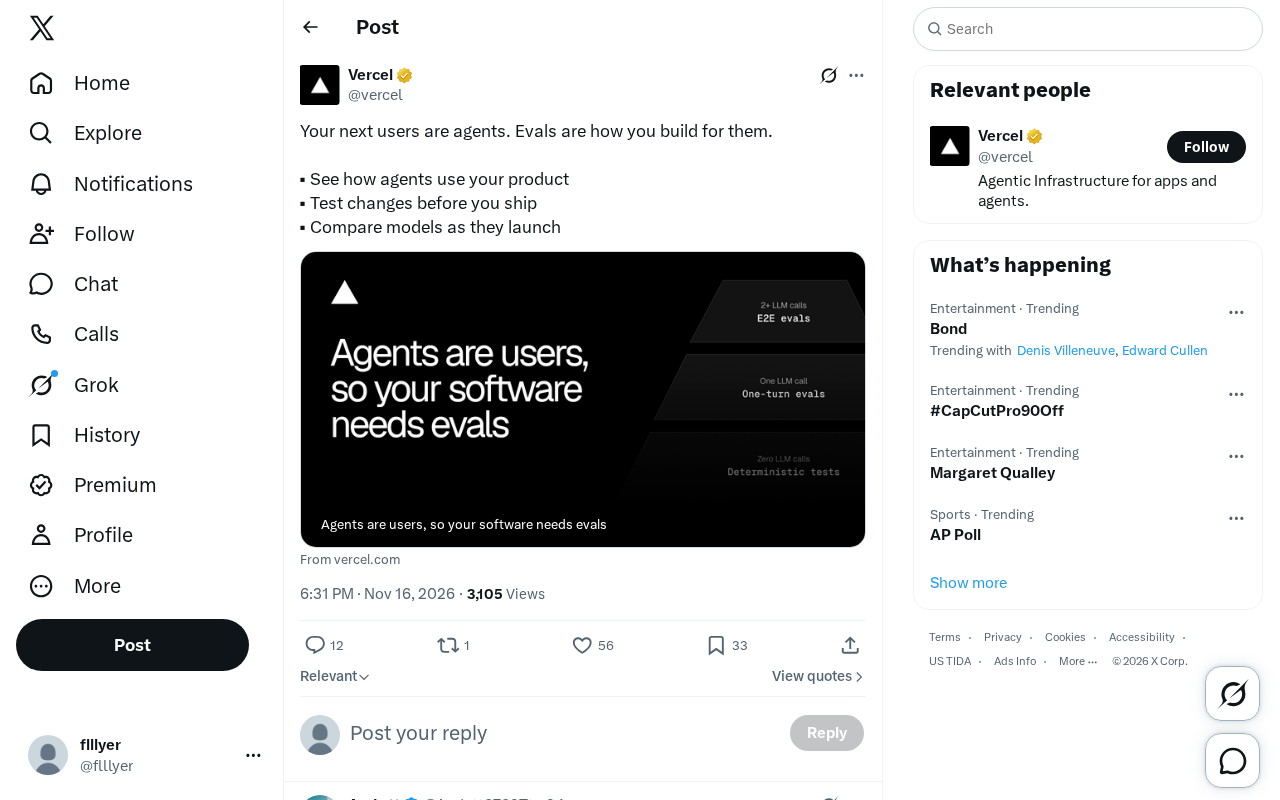
The AI Agent Era: Building a New Product Paradigm with Evals
AI Agents are becoming the next users of products. This article explains how to use Evals to observe Agent usage behavior, test changes before launch, and compare new model performance, helping product teams establish a development methodology for the Agent era.
Microsoft Global Email Outage Leads to Chlorine Leak at German Hotel, Injuring 15
A Microsoft 365 and Outlook global outage prevented a chlorine safety alert from reaching a German Phantasialand hotel, injuring 15 guests and exposing the fragility of cloud-dependent safety systems.
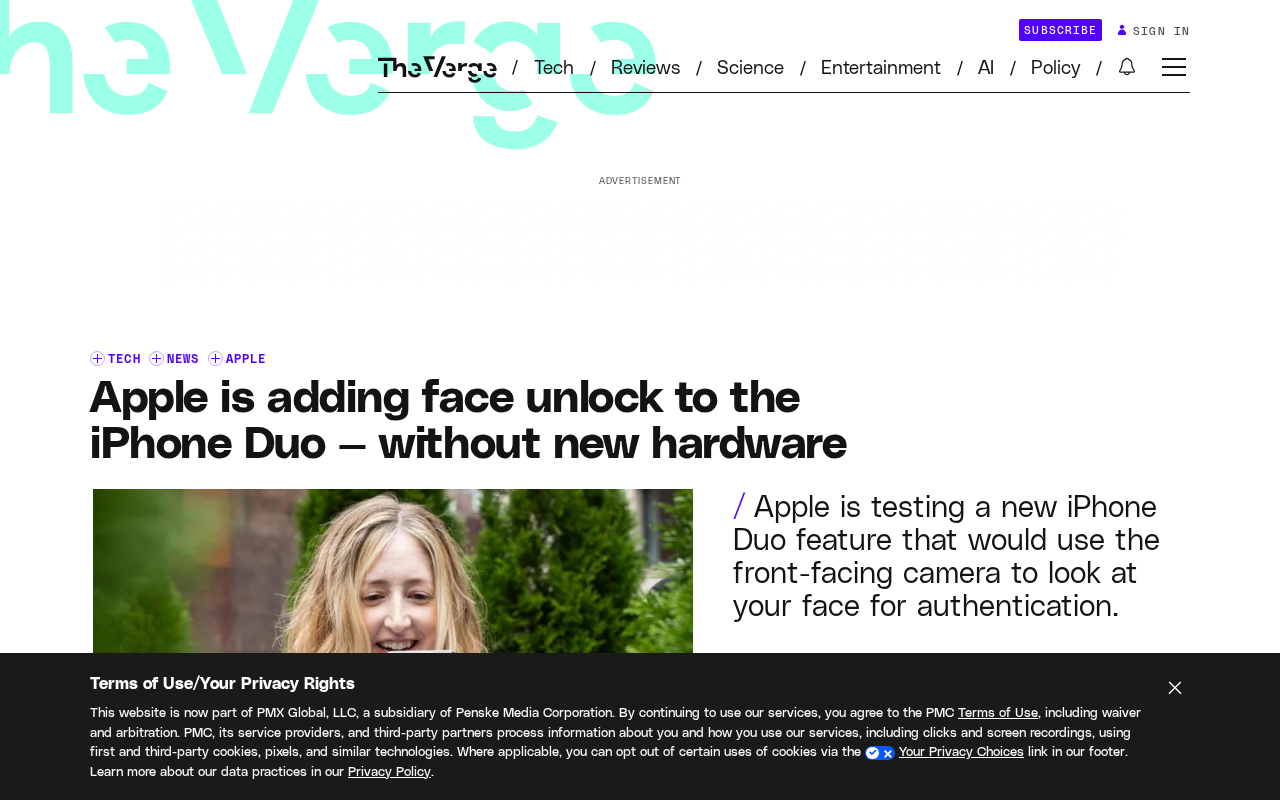
iPhone Duo to Support Face Unlock Using Only the Front Camera
Apple is developing front-camera-only face unlock for the iPhone Duo, now testing in the iOS 27.3 beta. We analyze the technical approach, user experience, and security trade-offs.