TechCrunch Summit Introduces Braindate: Skip the Small Talk, Match for Deeper Connections

TechCrunch Founder Summit introduces Braindate, replacing random networking with topic-based matching.
TechCrunch Founder Summit 2026 will be held on November 4 at SoWa Power Station in Boston, with the highlight being the official networking tool Braindate. It uses a "match first, meet later" logic: attendees post discussion topics in advance, the system recommends potential matches, and after confirmation, 1:1 or small-group meetings are arranged. Compared with random small talk, topic anchors make founders clearer about what others can offer and concentrate their time. Early registration can save up to $100 and includes an extra pass. The success of such structured networking depends on participation rates; without enough density in the matching pool, the tool may become a niche appointment channel.
TechCrunch Founder Summit 2026 will be held on November 4 at SoWa Power Station in Boston. This founder-focused event has made a notable change to its networking format: it is introducing Braindate as the official networking tool, replacing traditional random small talk with a structured approach.
How Braindate Changes Summit Networking
Braindate's core logic is "match first, meet later." Attendees post the topics they want to discuss on the platform in advance, the system recommends people who may be interested, and after both sides confirm, a 1:1 or small-group meeting is arranged. TechCrunch's official description says this approach makes valuable conversations "easier to find," rather than relying on chance encounters in the venue.
Networking at traditional summits often depends on random conversations while waiting in the coffee line or during lunch breaks, which is inefficient and tends to stay superficial. Braindate uses topics as the anchor for matching, so attendees know before they meet what the other person can offer. For founders, this means more concentrated use of time and a greater likelihood of reaching genuinely useful resources or partners.
Braindate was developed by the Canadian company e180 and initially took shape in collaborative learning scenarios before being adopted by a large number of technology and creative events. It does not rely on "black box" algorithmic recommendations; instead, it uses the discussion topics attendees write themselves as matching signals—topics are both a statement of personal interest and a kind of searchable "social currency." The platform usually also provides meeting location guidance and a topic board, allowing initiators to be discovered by multiple people at once and thereby forming lightweight one-to-many discussion groups. For organizers, another value of Braindate is the data it accumulates: which topics are hot and which groups are densely connected can feed back into agenda design and sponsor matching.
Time, Location, and Registration Incentives
The event is scheduled for November 4 at SoWa Power Station in Boston. TechCrunch's registration policy is: register before the event starts to save up to $100 on a pass and receive an additional free pass. This incentive is clearly intended to push attendees to complete registration early, giving them more time to post topics and book meetings on the Braindate platform—the tool's value depends on early use, and matching after arriving at the last minute will be less effective.
SoWa Power Station is located in the SoWa Arts and Design District in Boston's South End. It was formerly an industrial power station and has now been converted into a multifunctional venue capable of hosting large events, known for its high ceilings and industrial feel. Boston itself is a global hub for biotech, healthcare, and university research, with a large concentration of research institutions and early-stage startup teams nearby, giving local founder-oriented events a natural base of attendees. Choosing this kind of nontraditional conference venue also fits the trend among technology events toward venues that offer "experience" and an "informal networking atmosphere."
Can Structured Networking Become a Standard for Summits?
Summit networking has long had a contradiction: the more attendees there are, the higher the cost of finding the right people. Tools like Braindate attempt to solve the matching problem in a productized way, turning "who to meet" into a searchable, bookable process. TechCrunch's choice to adopt it at Founder Summit also shows that the organizer is making networking quality one of the event's selling points.
The success of this model depends on participation rates. Only if enough attendees seriously post topics will the matching pool have density; if only a few people use it, the tool will degenerate into a niche appointment channel. For founders planning to attend, registering early and proactively filling in topics is the prerequisite for making this kind of mechanism truly work.
One-line Summary
TechCrunch Founder Summit introduces Braindate, replacing random networking with topic-based matching.
Paragraph Summary
TechCrunch Founder Summit 2026 will be held on November 4 at SoWa Power Station in Boston, with the highlight being that the official networking tool is now Braindate. The tool follows a "match first, meet later" logic: attendees post the topics they want to discuss in advance, the system recommends people who may be interested, and after both sides confirm, a 1:1 or small-group meeting is arranged. Compared with random small talk in the coffee line, topic anchors make it clearer to founders what the other person can offer and make time use more concentrated. The organizer is also using incentives—saving up to $100 with early registration and an extra free pass—to encourage attendees to post topics and book meetings as early as possible. The article notes that the success of this kind of structured networking depends on participation rates; when the matching pool lacks density, the tool will degenerate into a niche appointment channel.
Related articles

Medicare Spends $50,000 Treating a Heart Attack but Won't Spend $100 Preventing One: The Mismatch in Healthcare
Medicare pays ~$50,000 to treat a heart attack but won't spend $100 to prevent one. This article unpacks the MedPage Today opinion piece and Hacker News debate on why healthcare payment favors treatment over prevention and the deep causes of incentive misalignment.

Nvidia May Cosign Loan for Nscale's West Virginia AI Data Center
Nvidia is considering cosigning a loan for Nscale's West Virginia AI data center. This article analyzes the signal significance of chip vendors entering data center financing, the risk-sharing logic, and project uncertainties.
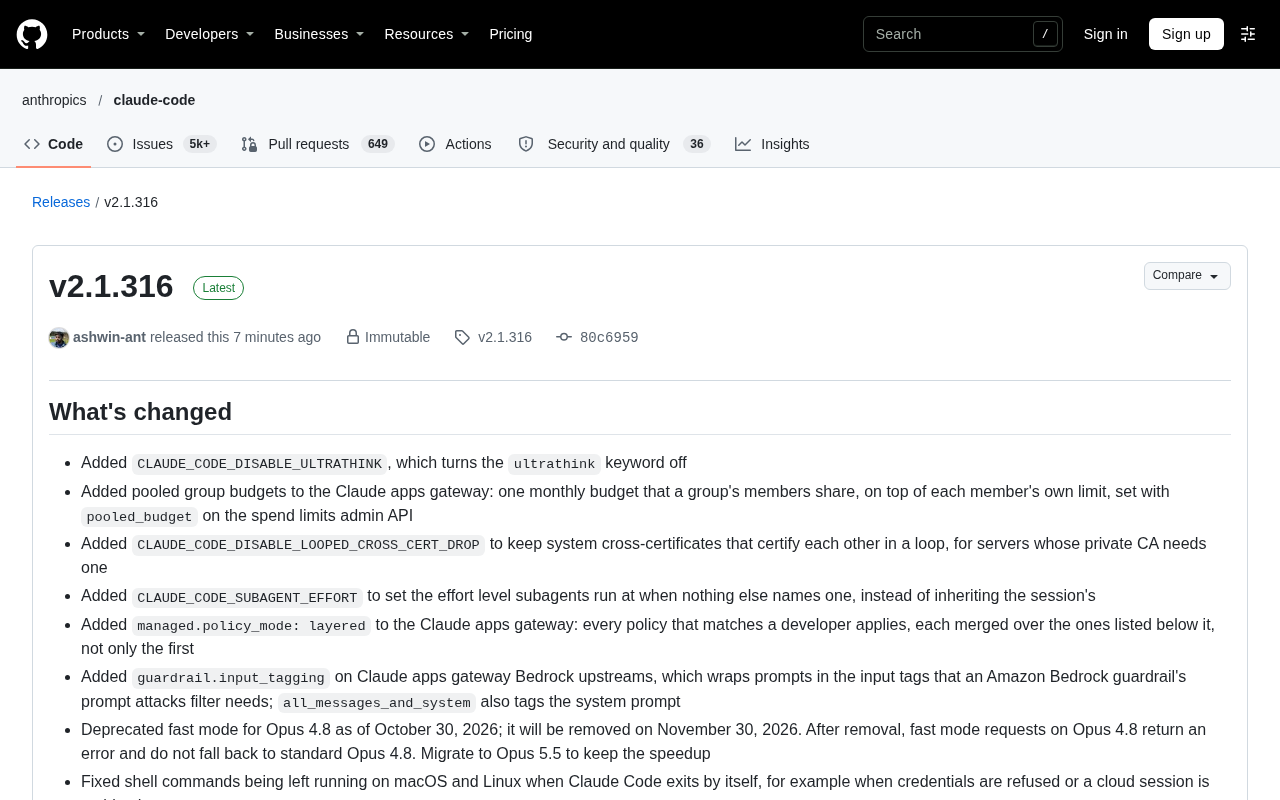
Claude Code v2.1.316 Update Analysis: Enterprise Gateway and Multiple Stability Fixes
Claude Code v2.1.316 released: new enterprise gateway pooled group budgets, layered policy mode, subagent effort control, dozens of Shell, network, and session recovery fixes, and Opus 4.8 fast mode deprecated.