Deep Dives
In-depth AI analysis, industry observations, and technical insights — slow down and read.
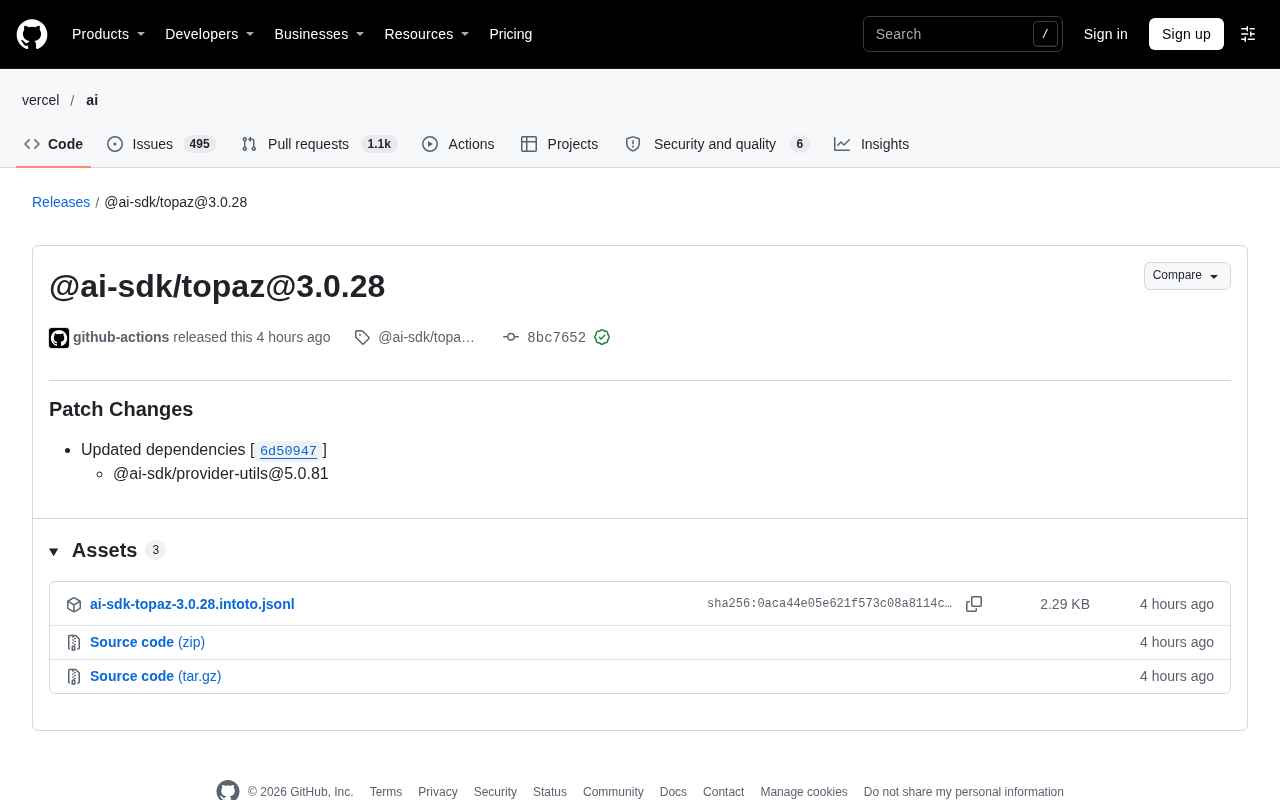
AI SDK Topaz 3.0.28 Patch Released: Dependency Update Analysis
AI SDK Topaz 3.0.28 patch released, mainly updating the provider-utils dependency to 5.0.81. This article analyzes the automatically published changes, engineering practices, and upgrade advice for developers.
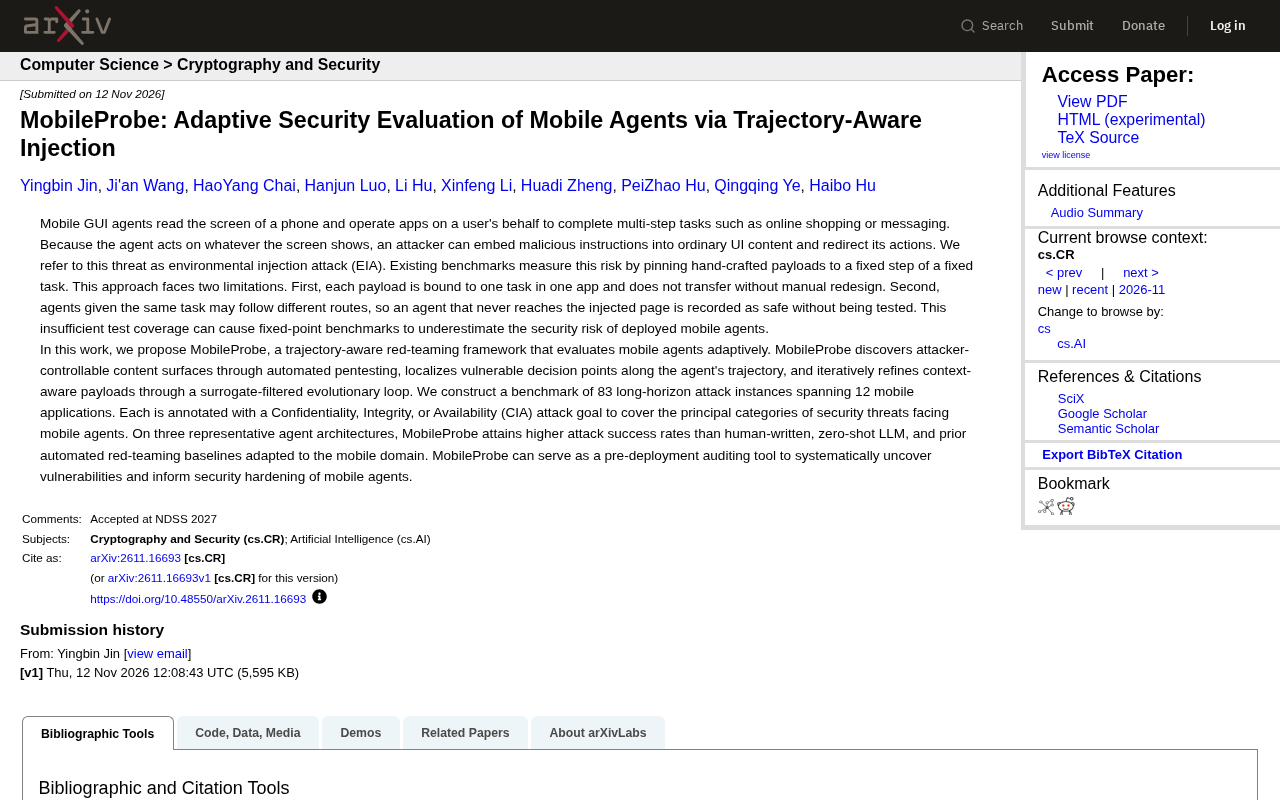
MobileProbe: Trajectory-Aware Injection for Adaptive Security Evaluation of Mobile Agents
MobileProbe is a trajectory-aware red-teaming framework that uses adaptive injection to assess mobile GUI agent security, outperforming fixed-point benchmarks across three agent architectures as a pre-deployment auditing tool.
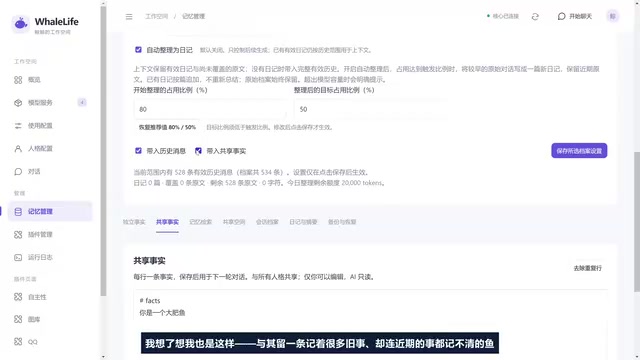
WhaleLife Open-Sourced: Giving AI an Independent Body
WhaleLife open-sourced: giving AI an independent body. A breakdown of its simplified memory architecture, subprocess plugin isolation, autonomous wake-up judgment, QQ/Bilibili integration, and built-in audio-visual understanding — built on Node.js and TypeScript under AGPL-3.0.
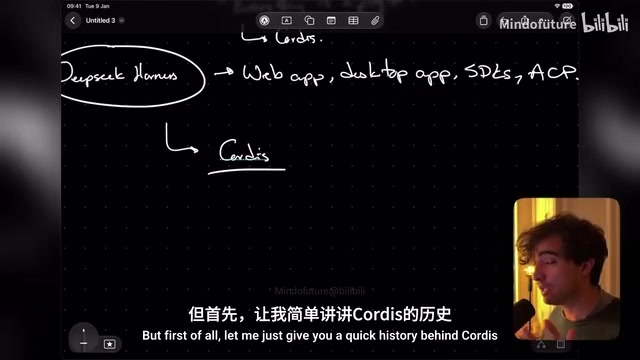
DeepSeek Harness Deep Dive: Everything Is a Plugin
A deep dive into DeepSeek Harness's plugin architecture: how Cordis makes "everything a plugin," plus hands-on custom plugin writing and YAML config loading.
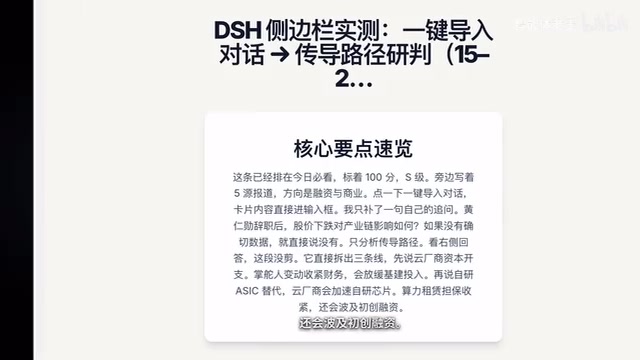
Behind the Jensen Huang Resignation Rumor: How the DSH Open-Source Plugin Uses AI to Rebuild the Intelligence Flow
Starting from the Jensen Huang resignation rumor, this analyzes the DSH open-source plugin tested by a Bilibili creator: a filtering funnel taking in 295 news items and outputting 5, 5-axis scoring, a fame-bias-free design, and how it turns the information flow into a queryable context.
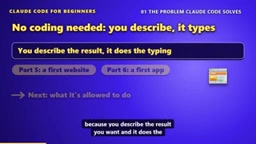
Claude Code Beginner's Guide: Features, Pricing, and Getting Started
Claude Code is Anthropic's coding assistant that directly modifies files in your folders. Learn its core uses, three entry points (terminal/VS Code/desktop app), Pro pricing from $20/month, usage limits shared with Claude chat, plus privacy and pre-installation requirements.
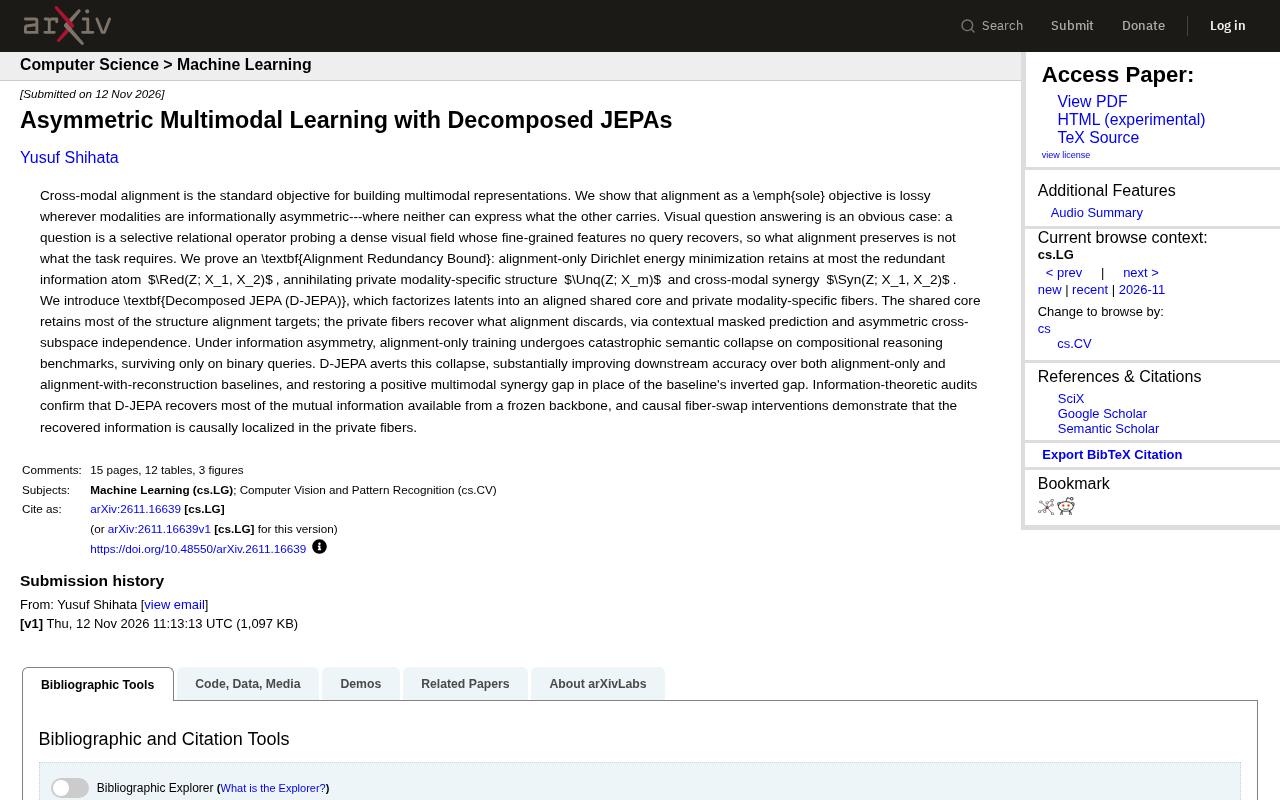
D-JEPA: Breaking the Information Bottleneck in Multimodal Alignment
Research reveals information loss in multimodal alignment under asymmetry, proposes D-JEPA to decompose latent space into shared core and private fibers, avoiding semantic collapse and boosting downstream accuracy.
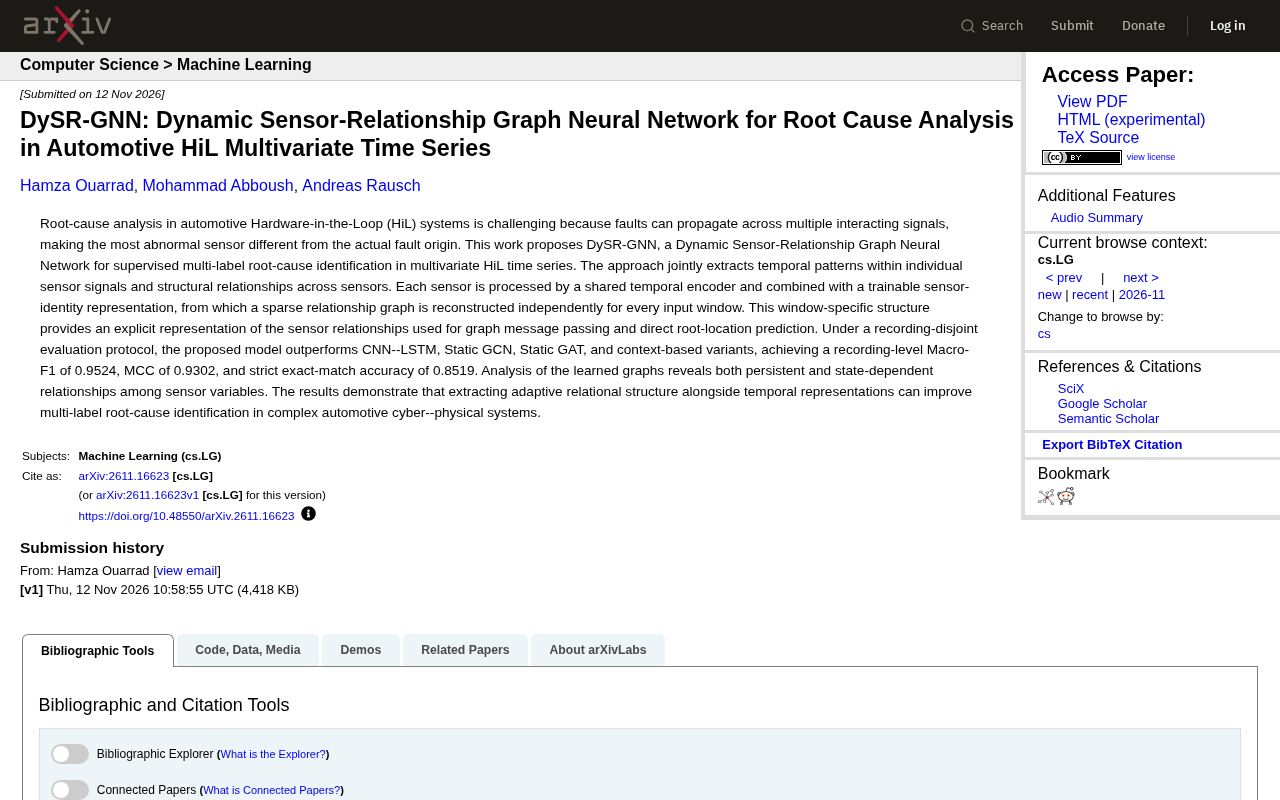
DySR-GNN: Dynamic Sensor Relationship Graph Neural Network Solves Automotive HiL Root Cause Analysis Challenges
In automotive HiL testing, fault signals propagate across sensors, and the most anomalous sensor may not be the root cause. DySR-GNN dynamically reconstructs a sparse relationship graph for each input window, achieving a record-level Macro-F1 of 0.9524, outperforming CNN-LSTM, static GCN/GAT, and other baselines, offering a new method for root cause analysis in complex automotive cyber-physical systems.
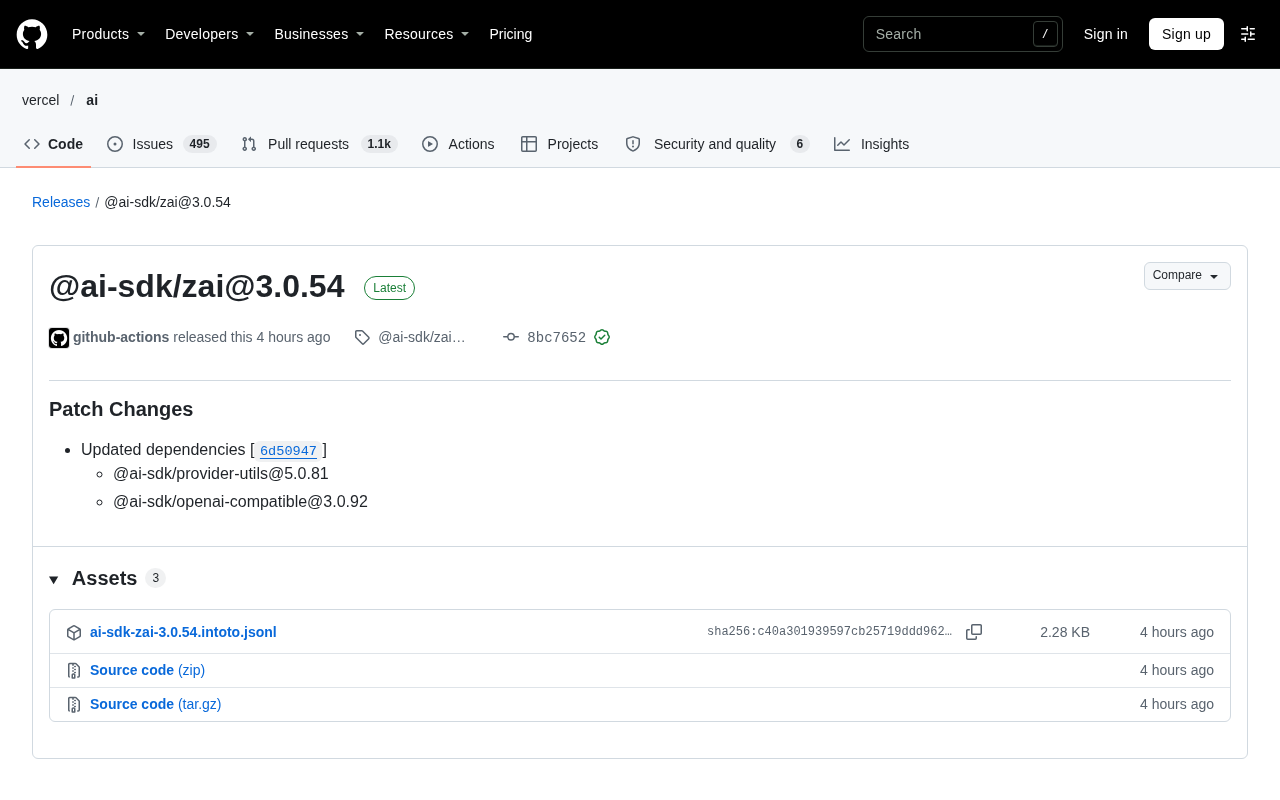
AI SDK Releases ZAI Provider Patch Update
AI SDK releases @ai-sdk/zai@3.0.54, a patch update syncing provider-utils and openai-compatible dependencies. Low upgrade risk; review testing advice.
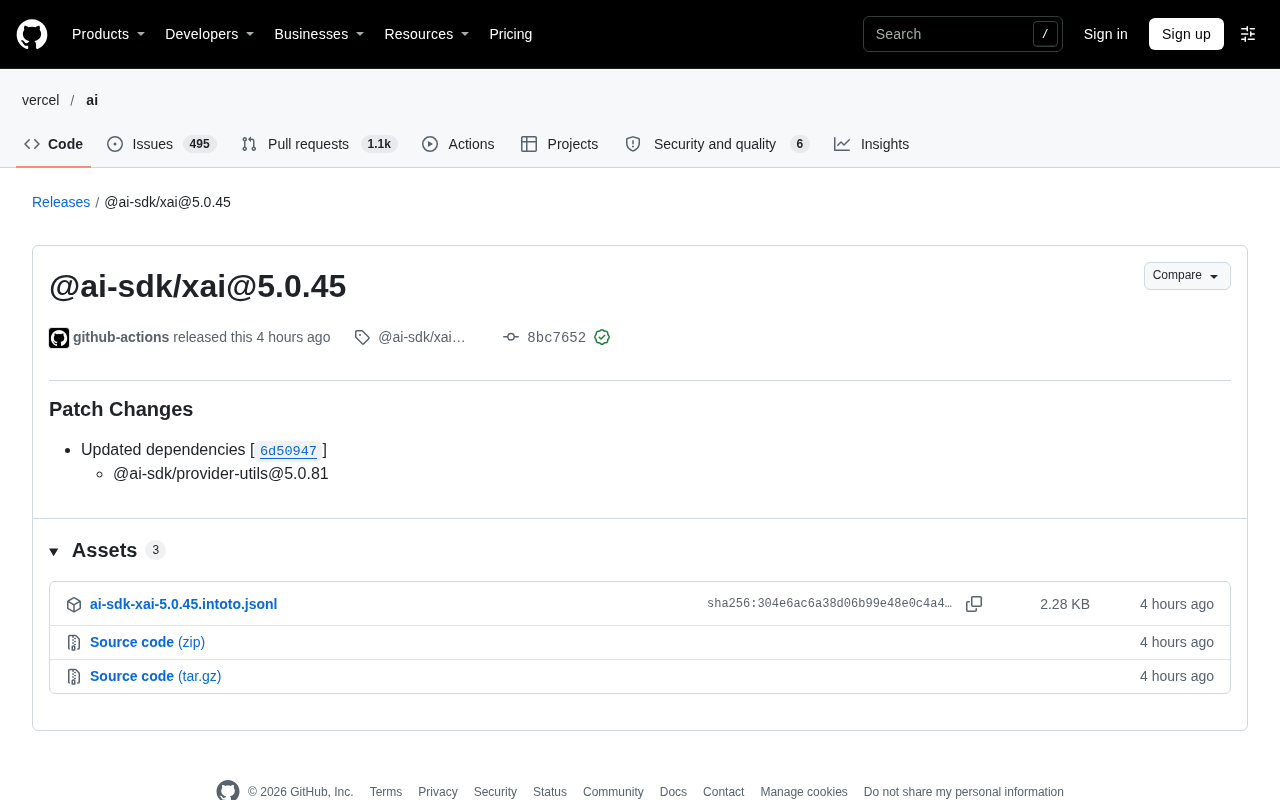
AI SDK xAI 5.0.45 Patch Released: The Maintenance Logic Behind Dependency Updates
An analysis of the @ai-sdk/xai 5.0.45 patch release: it syncs the @ai-sdk/provider-utils dependency to 5.0.81, a low-risk maintenance update. The article examines the dependency relationship between adapter packages and shared utility libraries under the AI SDK layered architecture, and how developers should treat such automatically published patch versions.
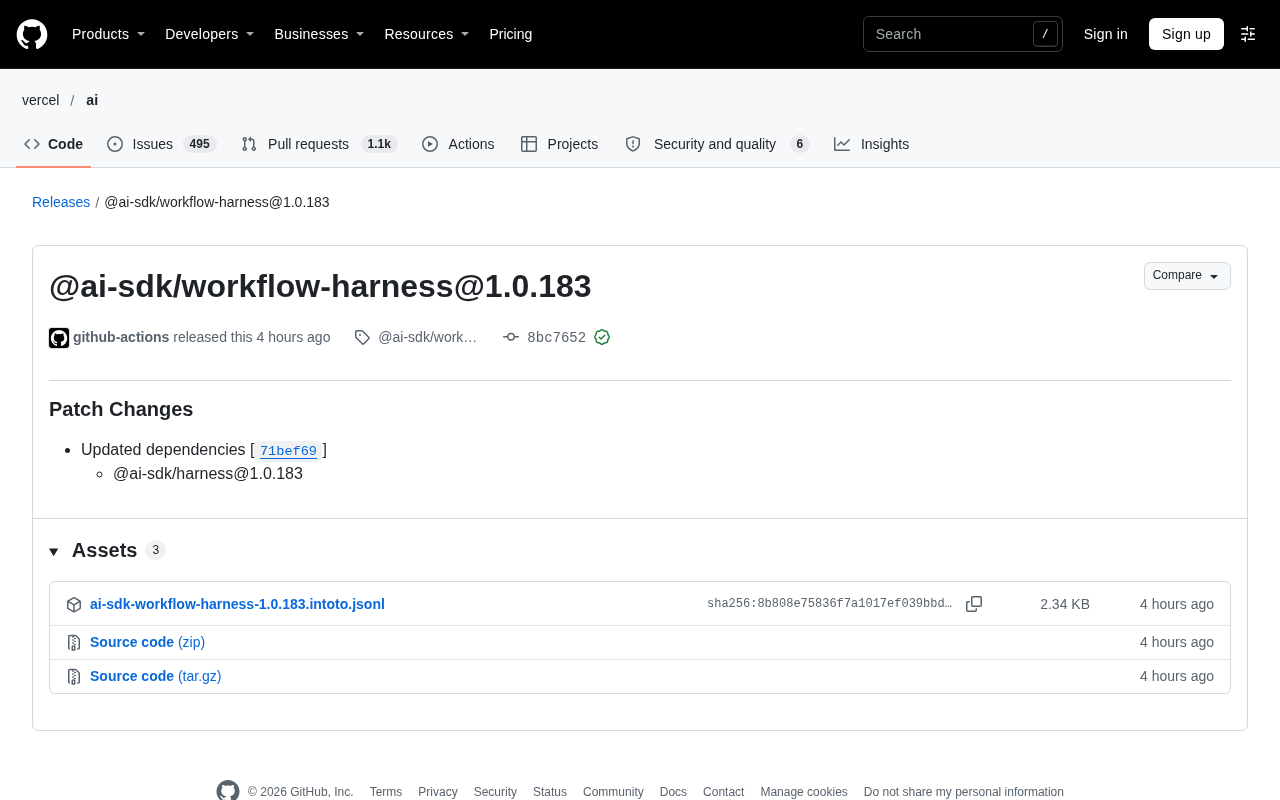
@ai-sdk/workflow-harness Releases 1.0.183 Patch Update
@ai-sdk/workflow-harness releases patch 1.0.183, syncing the @ai-sdk/harness dependency to the same version. We break down this automated release, what the patch means, and upgrade advice for developers.

Why Does Expert Disagreement Make LLMs More Likely to Change to Wrong Answers?
New study reveals LLMs are more likely to change to wrong answers under expert disagreement: two-round audits show five models all fail the selectivity threshold, with accuracy dropping by up to 16.1 percentage points, and expert-label effects vary by model.
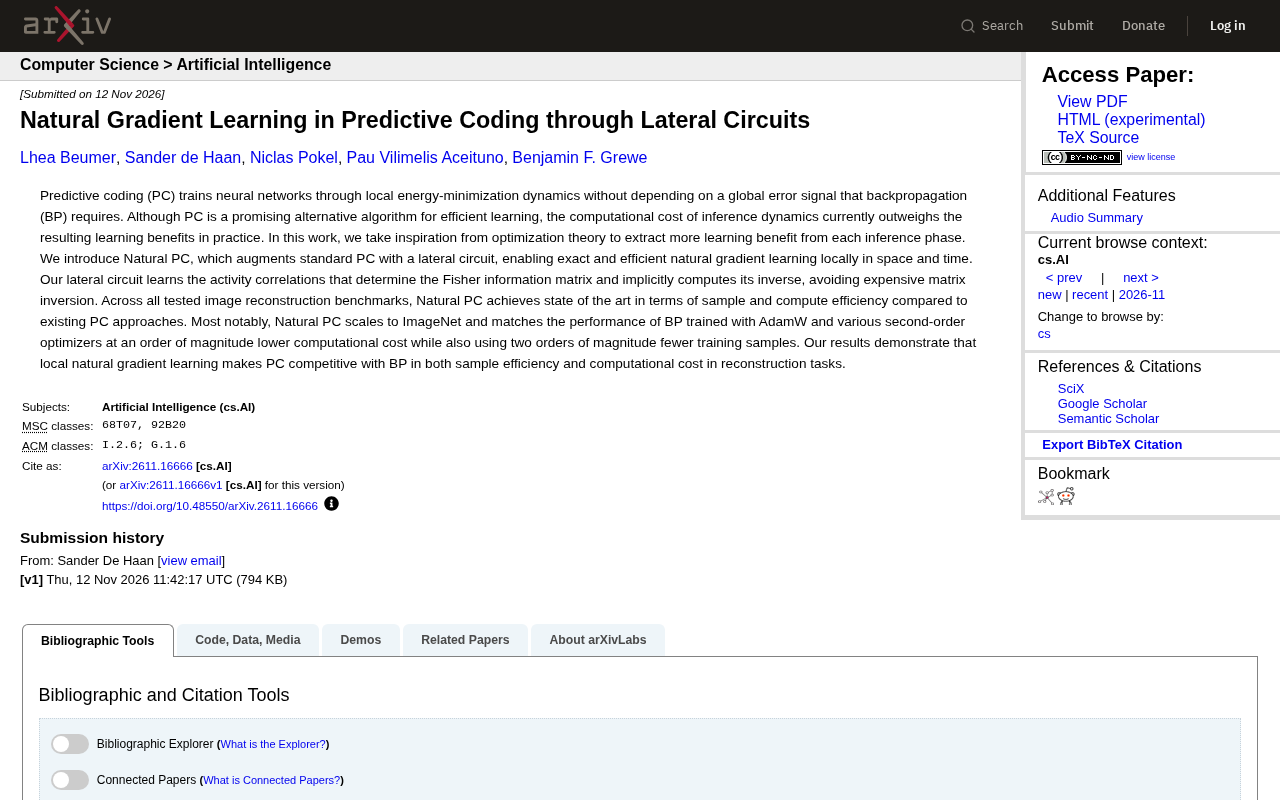
Natural Gradient + Lateral Circuits: Predictive Coding Achieves Efficiency Comparable to Backpropagation
New breakthrough in predictive coding: Natural PC uses lateral circuits to achieve local natural gradient learning, matching backpropagation on image reconstruction with lower compute and fewer samples.
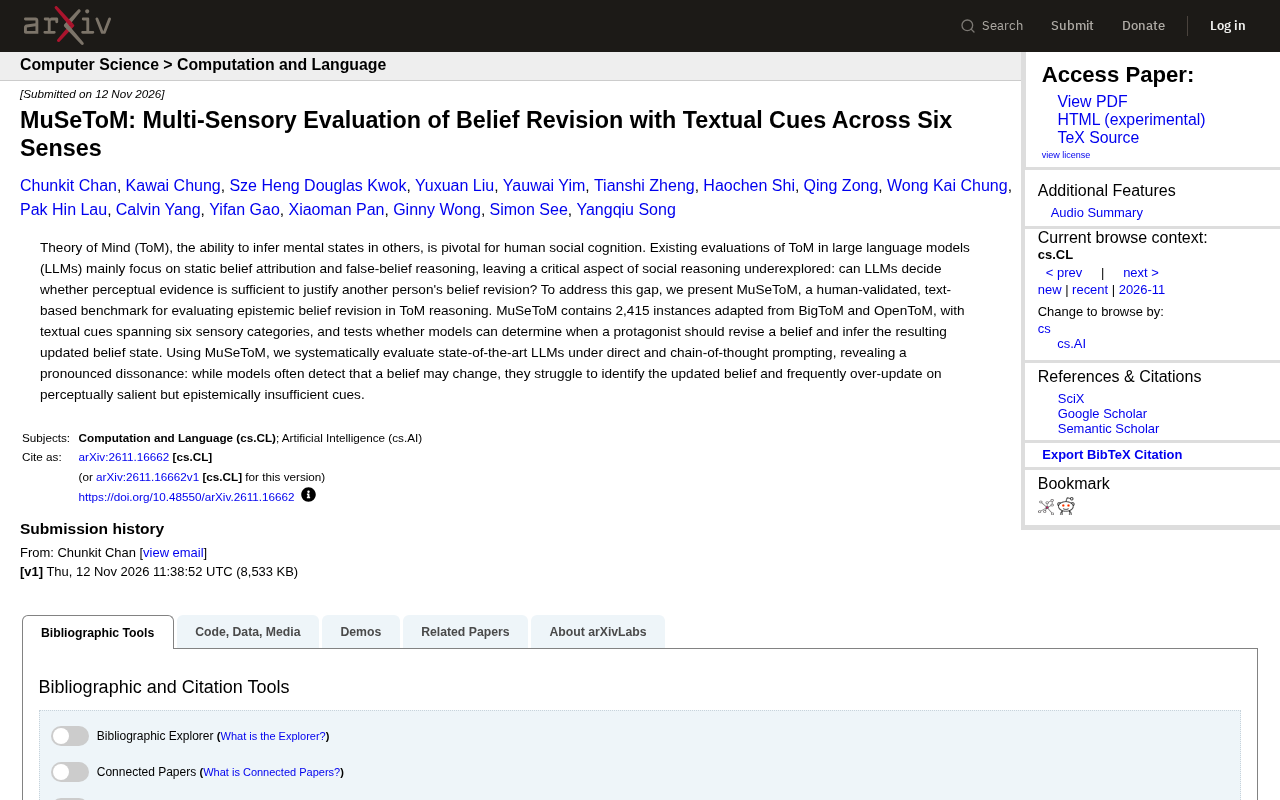
MuSeToM: A New Benchmark for Multi-Sensory Evaluation of Belief Revision in LLMs
MuSeToM is a human-validated textual benchmark with 2,415 instances covering six sensory cue types to evaluate LLM belief revision. Models sense belief change but struggle to identify the revised belief and over-update on salient yet insufficient cues.
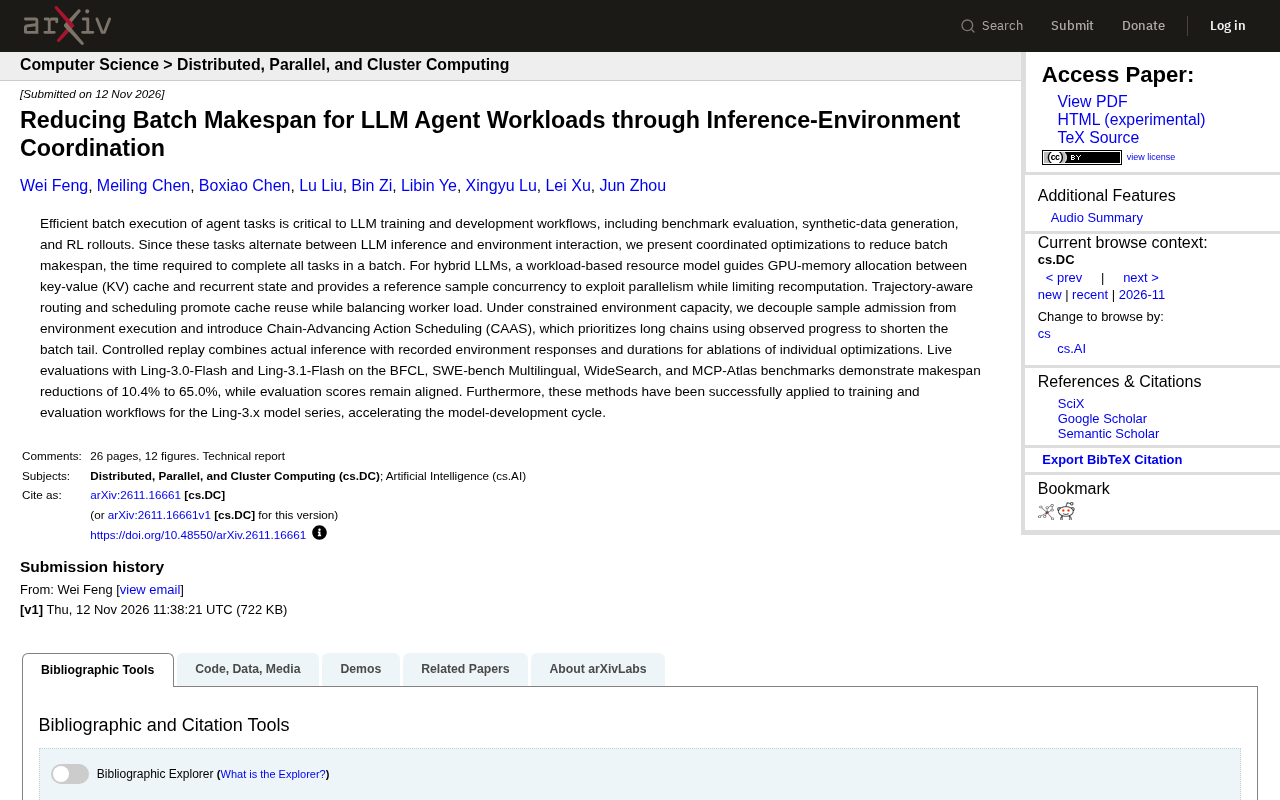
LLM Agent Batch Tasks Speed Up by 65%: Joint Inference-Environment Optimization
A look at LLM Agent batch task makespan optimization: joint inference-environment design via memory allocation, trajectory-aware routing, and CAAS scheduling cuts time by 10.4%–65.0% on BFCL, SWE-bench, with evaluation scores aligned.

Emotional Inertia-Driven Framework: A New Approach to Multimodal Depression Detection, InertiaMPDD
InertiaMPDD proposes an emotional inertia-driven multimodal depression detection framework that uses a world-model-inspired latent predictor to learn healthy state patterns and constructs reference deviation, residual decay rate, and Jacobian spectrum descriptors. Fusion achieves 98.41% F1 on D-Vlog and 84.98% on LMVD across five cohorts, but descriptor utility is scenario-dependent.

The "Over-Realization" Problem in Text-to-Image Models: Why Chekhov's Gun Keeps Firing
Text-to-image models suffer from "over-realization": targets merely mentioned in prompts get drawn. The OverReal benchmark covers negation, imagination, metaphor, and occlusion, showing all eight systems fail and metrics like CLIPScore reward the error.
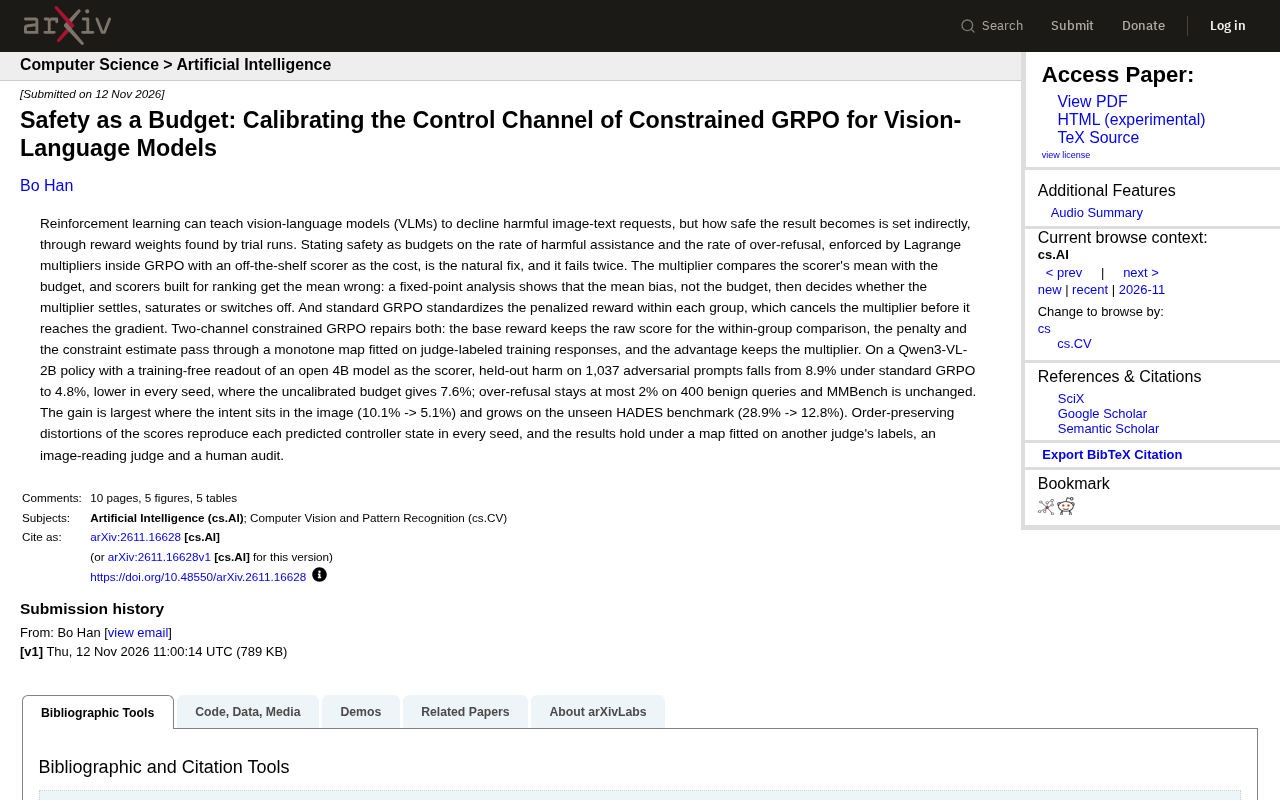
When Safety Becomes a Budget: How Dual-Channel Constrained GRPO Calibrates Safety Control for Vision-Language Models
Dual-channel constrained GRPO fixes standard GRPO's cancellation of the multiplier by group normalization, calibrating scorer mean bias via a monotone mapping; on Qwen3-VL-2B it cuts the harmful rate from 8.9% to 4.8% with over-refusal under 2% and MMBench unchanged.

Building an AI CRM Agent with Human Approval in n8n: Gemini + Slack + Postgres in Practice
Reddit developer open-sources an n8n AI CRM agent workflow: Gemini understands requests, code rules decide execution, high-risk actions go through Slack human approval and are logged to Postgres. Includes architecture breakdown and lessons learned.

A New Approach to LLM Agent State Management: Host-Held State Achieves 400/400 Exact Steps
A Reddit experiment shows host-held state keeps an LLM agent exact across all 400 steps, versus only 85 with the conventional approach. We analyze the principles, benefits, and limits.