Deep Dives
In-depth AI analysis, industry observations, and technical insights — slow down and read.
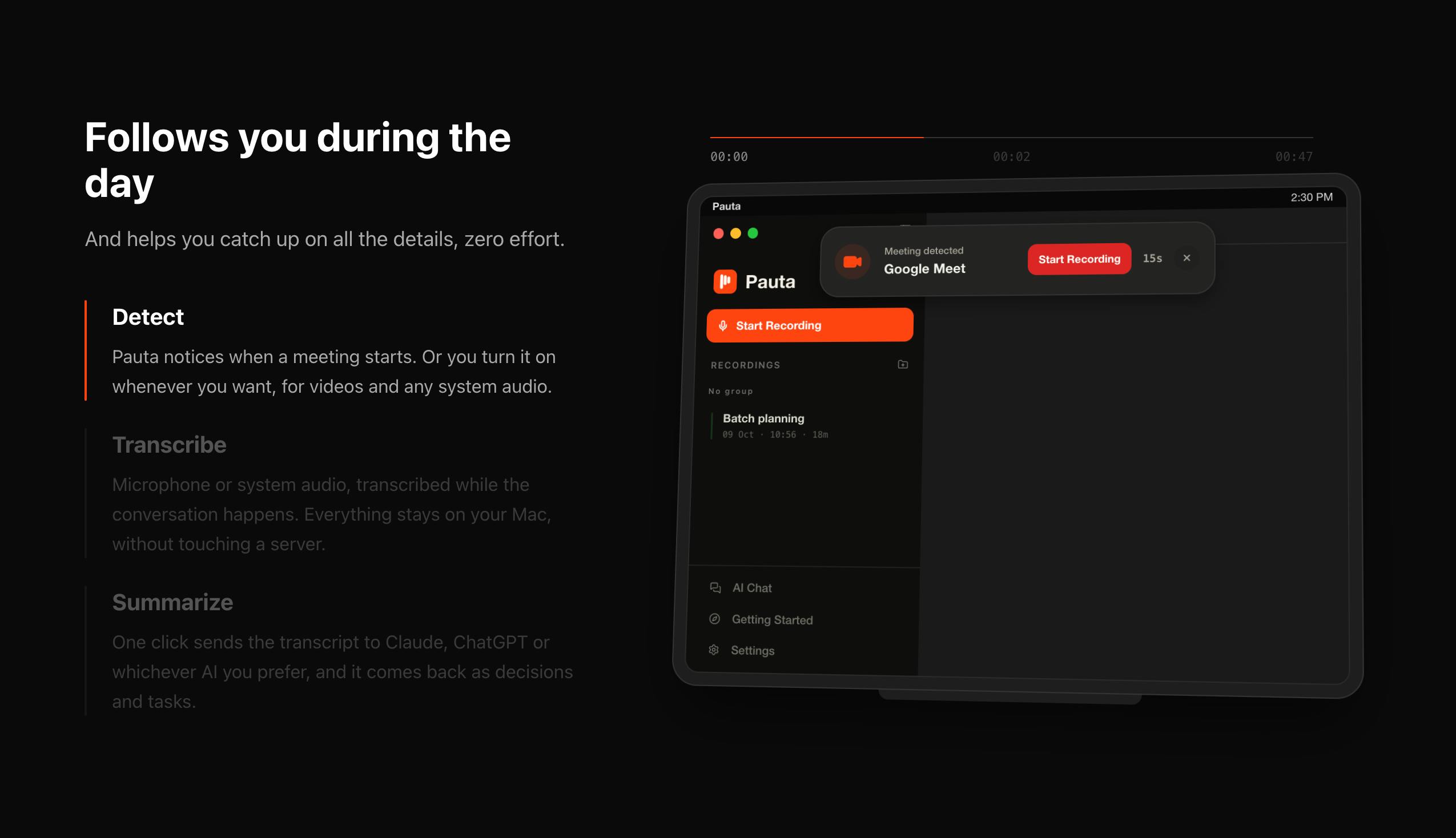
Pauta: A Fully Offline Private Meeting Memory Vault
Pauta is a fully offline meeting notes tool that transcribes, summarizes, and extracts action items locally, keeping data on-device and connecting to external AI only when chosen. This article analyzes its privacy-first architecture, feature coverage, and the outlook for localized AI tools.
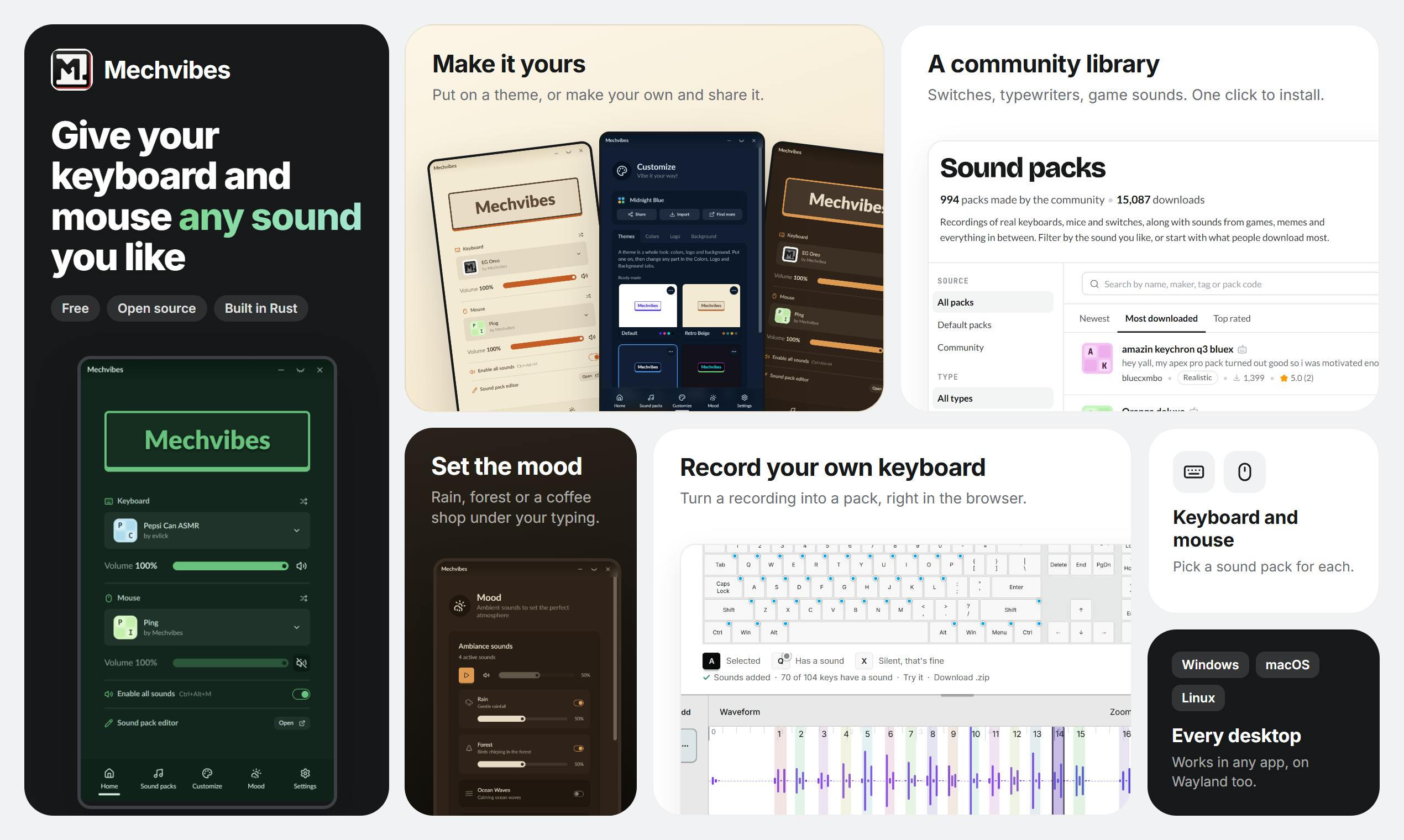
Mechvibes 3: Give Your Keyboard and Mouse Any Sound You Want
Mechvibes 3 is a free open source tool that adds mechanical keyboard, typewriter, or game sound effects to keyboard and mouse actions, supporting Windows, Linux, and Mac with a community sound library and in-browser sound pack creation.
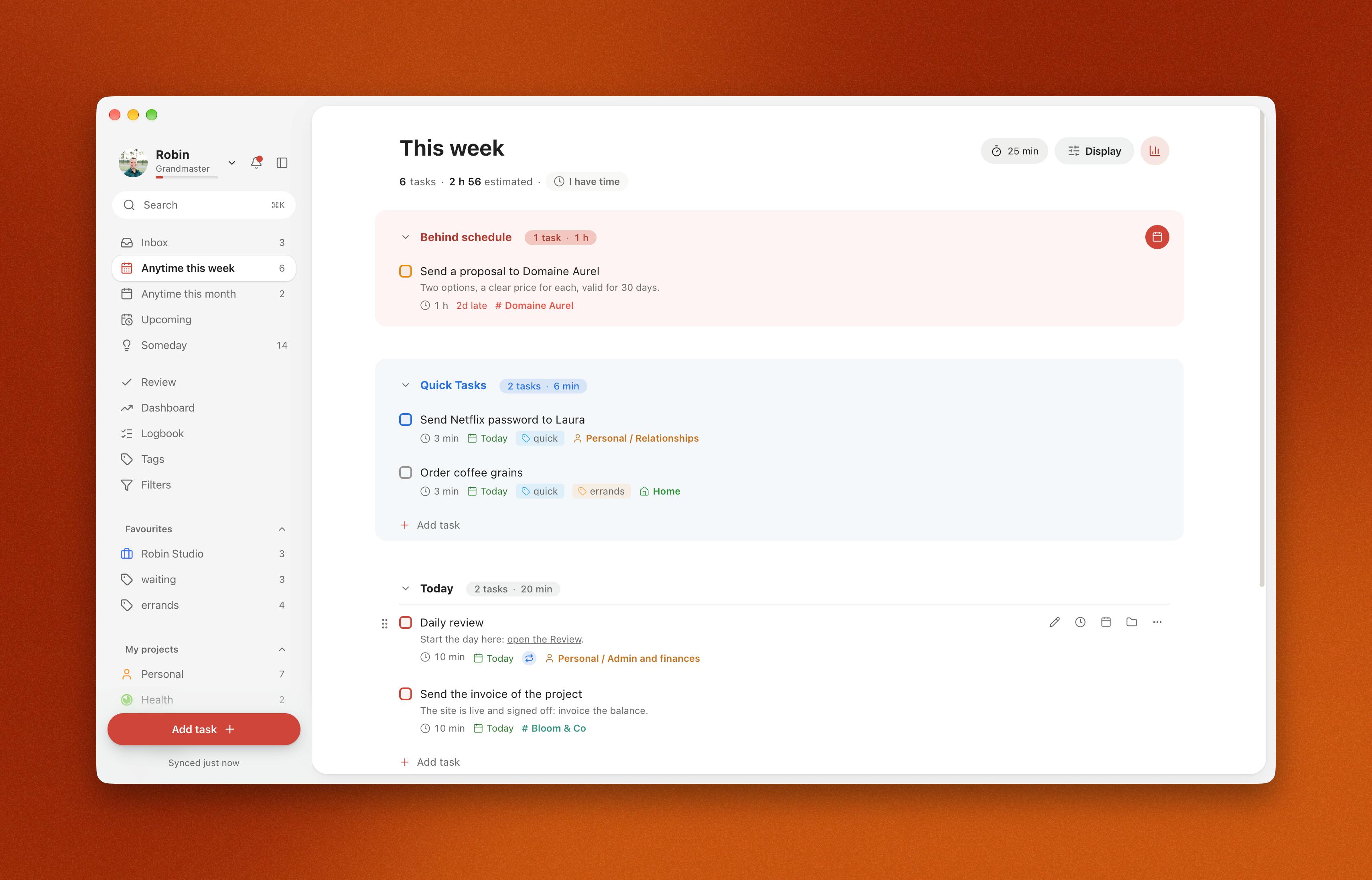
Enhanced for Todoist: An Open-Source Frontend That Makes Task Management More Efficient
Enhanced for Todoist is a free, open-source third-party Todoist frontend with editable tables, saved project views, flexible time ranges, effort estimation, guided reviews, and task-linked Pomodoro timers. Try the demo without logging in.

Mmory: A Private Voice Memory App on iPhone
Mmory is a private voice memory app for iPhone by developer Dhruv Dadoo. Record thoughts by voice or text, with transcription and Q&A done entirely on-device—privacy-first, voice-first notes.
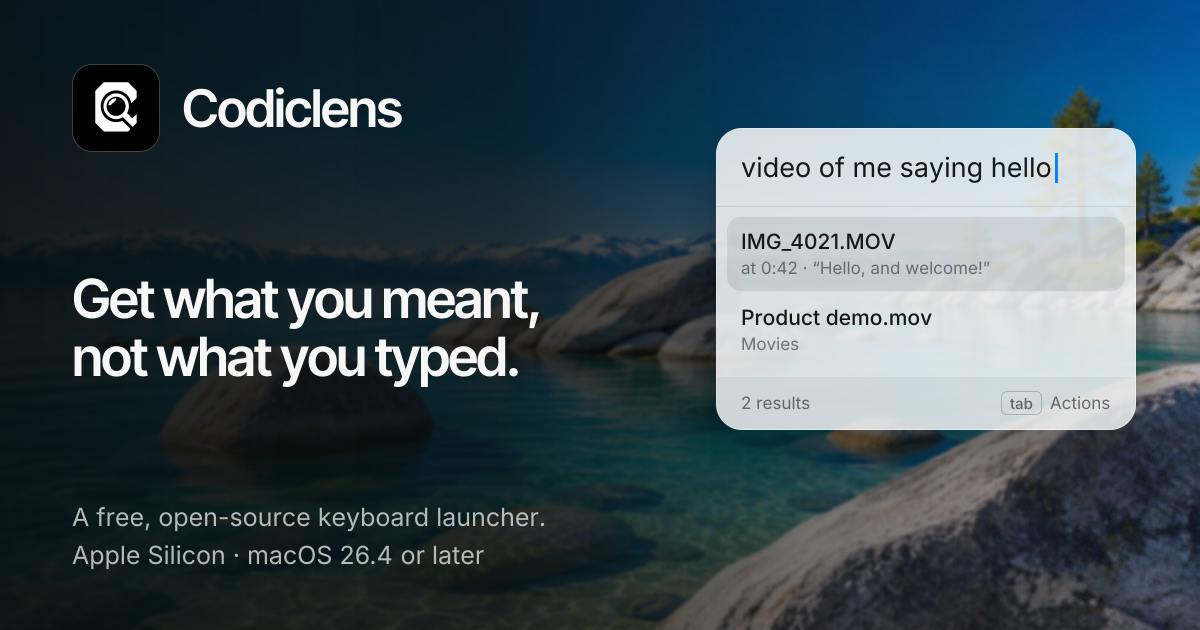
Codiclens: A Local AI-Powered Mac Launcher and File Finder
Codiclens is a free, open-source Mac launcher that uses local AI to find apps, files, and clipboard history by content description—100% local for privacy.

refern: The Visual Reference Management Powerhouse for Designers
refern is a visual reference management tool that unifies images, videos, working files, and web pages. It supports finding by tag or color and pinning boards on top of drawing apps for design workflows. Works on Windows, macOS, and Linux.
 Tech Frontiers
OpenAI Agents SDK Doesn't Lock You Into OpenAI Models: A Hands-On Guide to Python Multi-Agent Handoffs
OpenAI Agents SDK is an MIT-licensed Python multi-agent framework with 30k+ GitHub stars, supporting agent handoffs and not tied to OpenAI models. This article breaks down its installation, Hello World, front desk triage use case, plus tools, guardrails, sessions, and tracing.
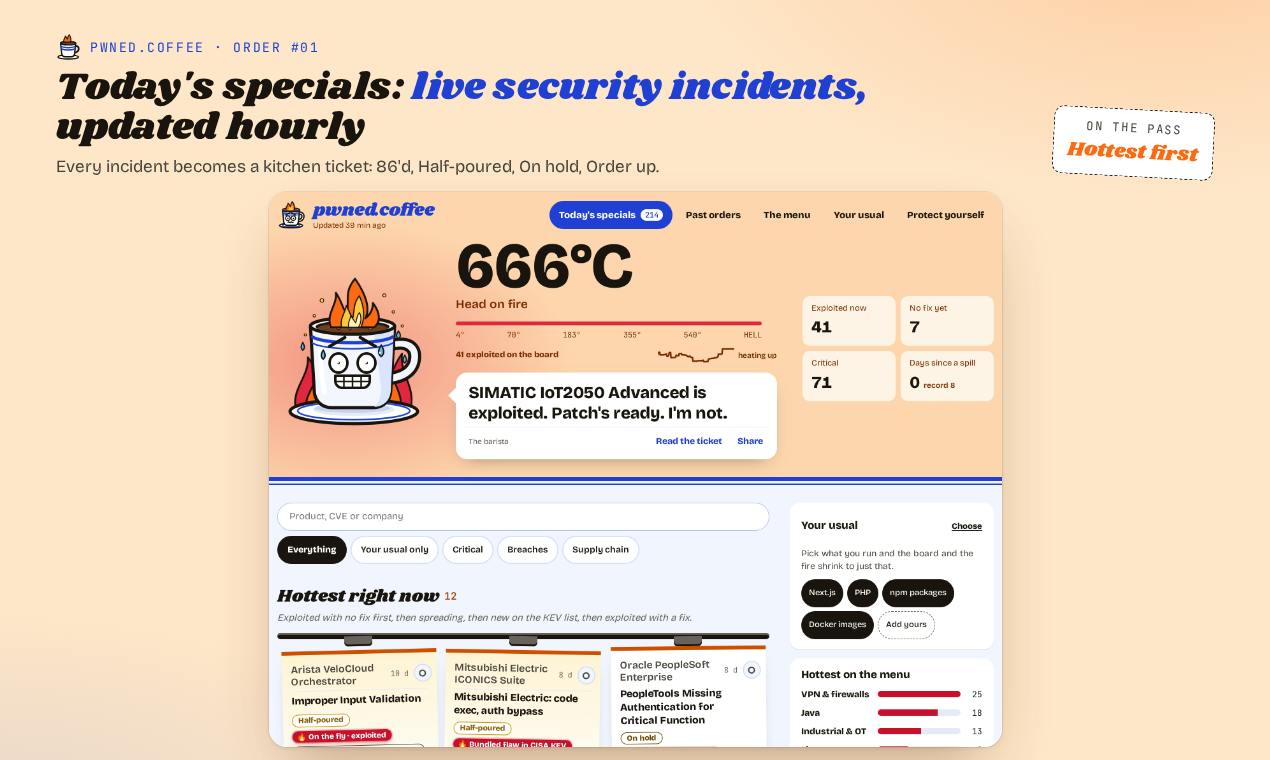
pwned.coffee: A Real-Time Security Vulnerability Board with Hourly Updates and Actionable Guidance
pwned.coffee is a real-time security vulnerability and incident board that updates hourly and provides one-line actionable recommendations for each event. This article analyzes its product positioning, AI summarization capabilities, and practical value for development teams.
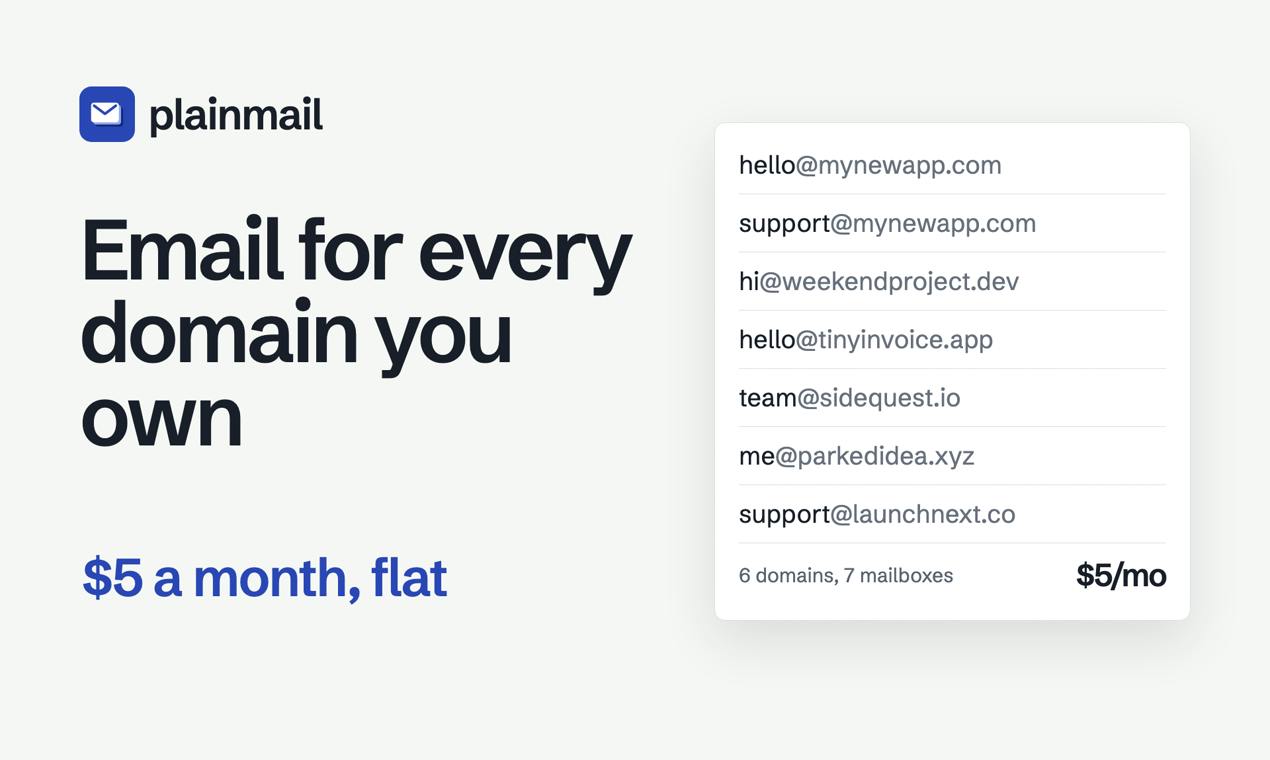
Manage Email for 50 Domains for $5 a Month: Plainmail Review
Plainmail offers up to 50 domains, 100 mailboxes, and 25GB for a flat $5/month, auto-configuring MX, SPF, DKIM, and DMARC on Cloudflare, Vercel, and Porkbun, with standard IMAP/SMTP plus MCP, CLI, and API.
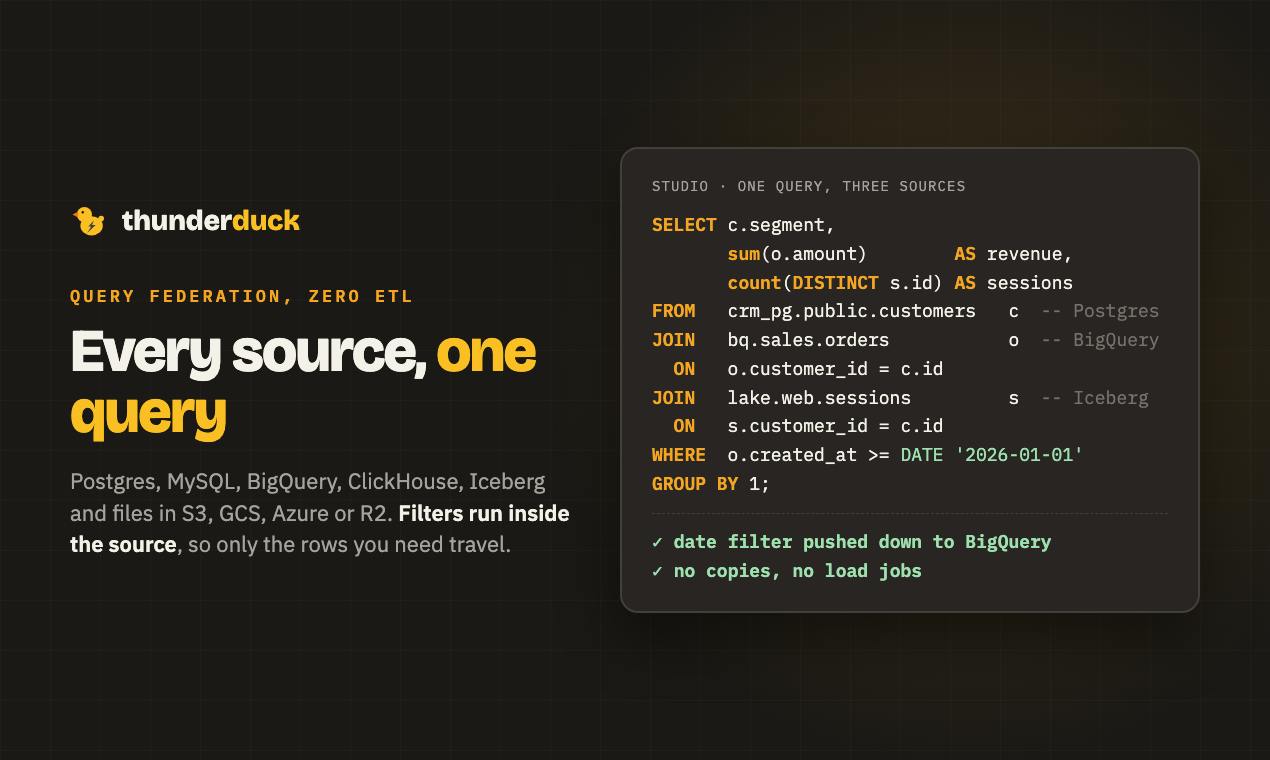
Thunderduck: Building a Modular Data Warehouse for AI Agents
Thunderduck is a DuckDB-based modular data warehouse giving AI agents isolated engines, cross-source SQL across Postgres, BigQuery, Iceberg & S3 without ETL, pre-query pricing, and managed cloud, BYOC, or on-prem deployment.
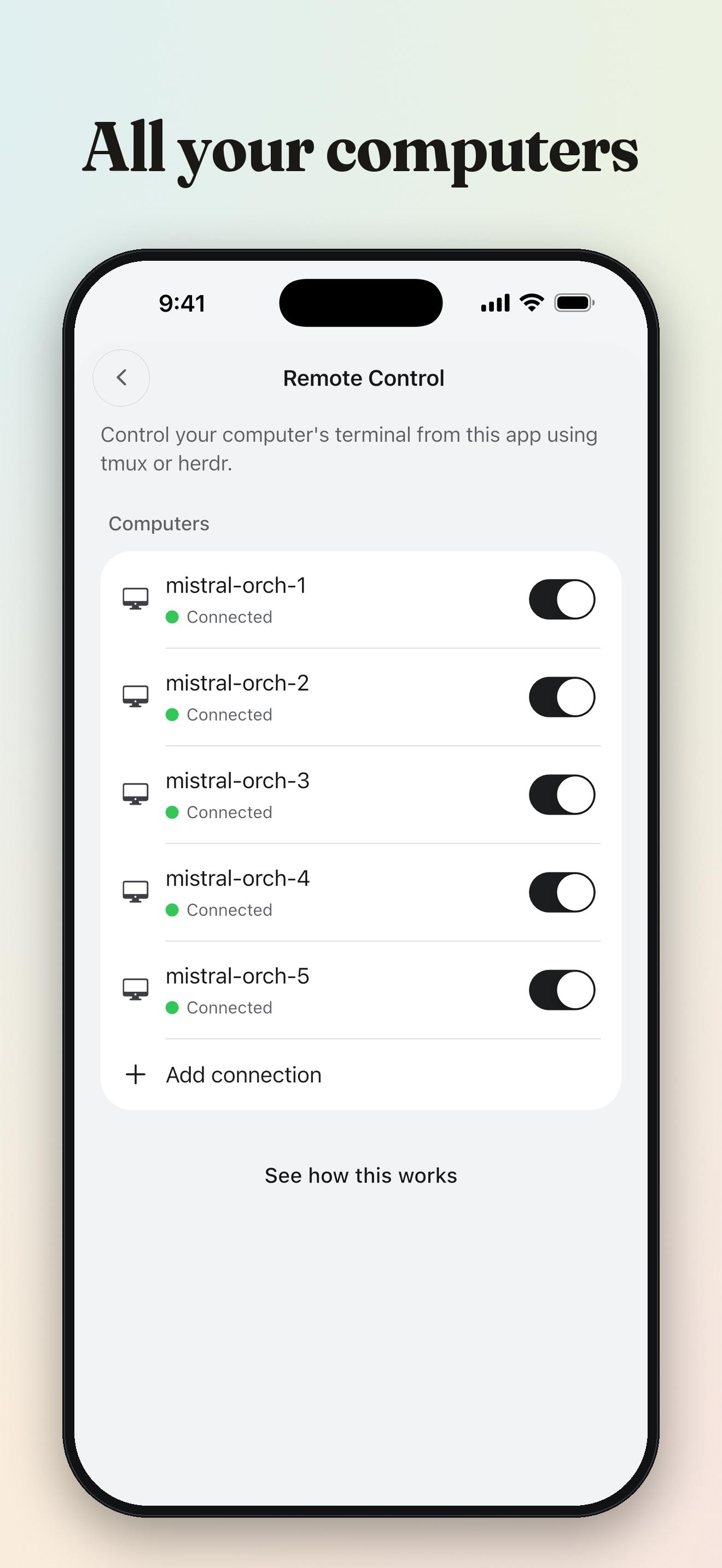
Cosyra: Control Your AI Coding Agent Remotely via a Cloud Terminal on Your Phone
Cosyra is a mobile programming tool for iPhone and Android that lets you launch and control AI agents running on a cloud Ubuntu terminal—no VPS needed. We analyze its positioning, how it differs from mobile IDE approaches, trade-offs of the cloud terminal model, and who it's for.
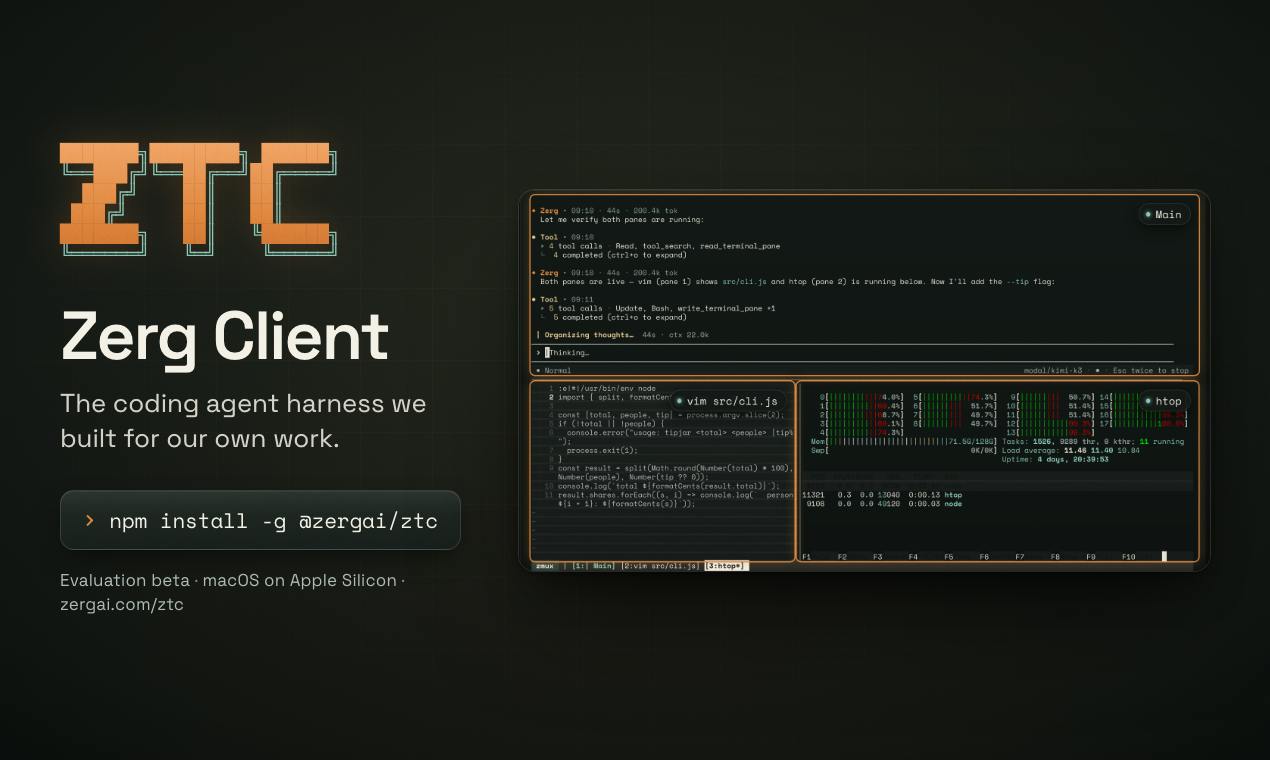
Zerg Client: A Coding Agent That Opens Its Own Terminal Panes
Zerg Client is a coding agent harness that drives its own terminal panes, running interactive programs like Vim and htop, with nested agents and models. A look at its positioning, pane mechanics, and target users.
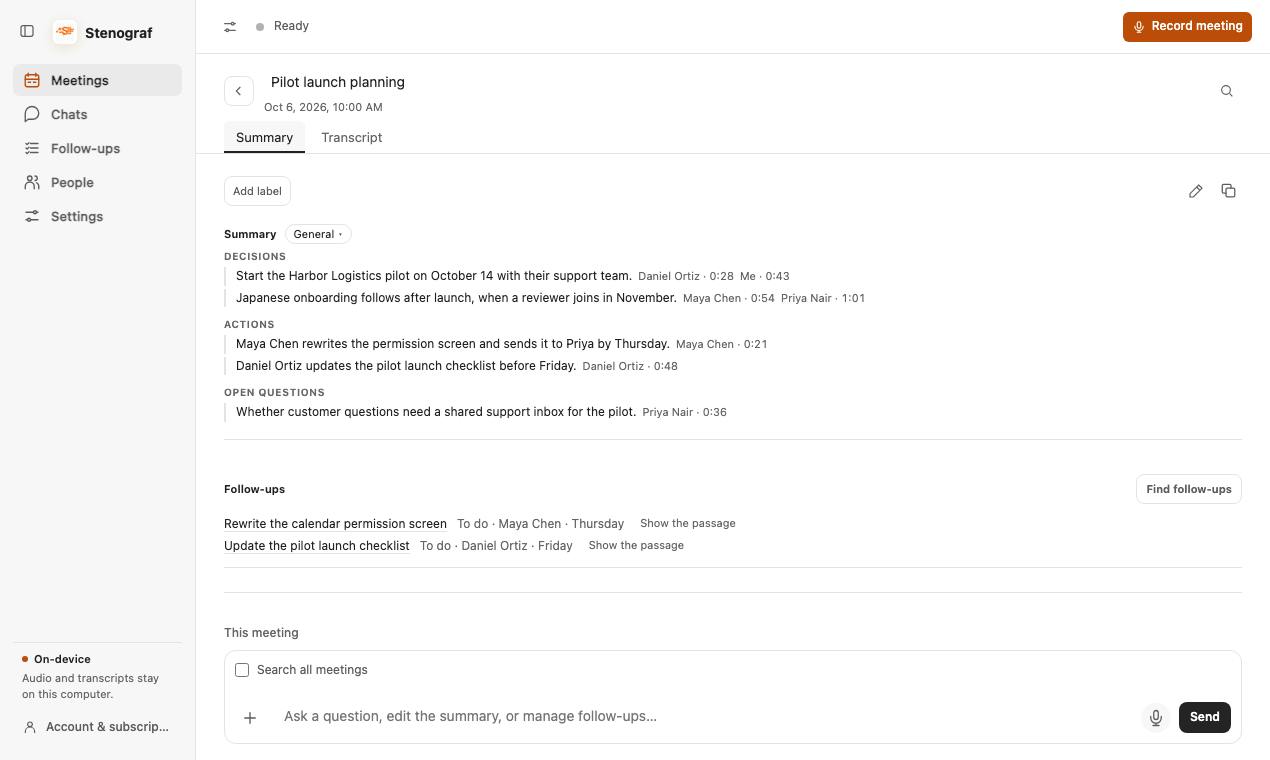
Stenograf: A Locally-Run Private AI Meeting Notes Tool
Stenograf is a locally-run AI meeting notes tool that records calls without a meeting bot, then transcribes, summarizes, and searches across meetings on your own computer, keeping recordings and transcripts entirely local.
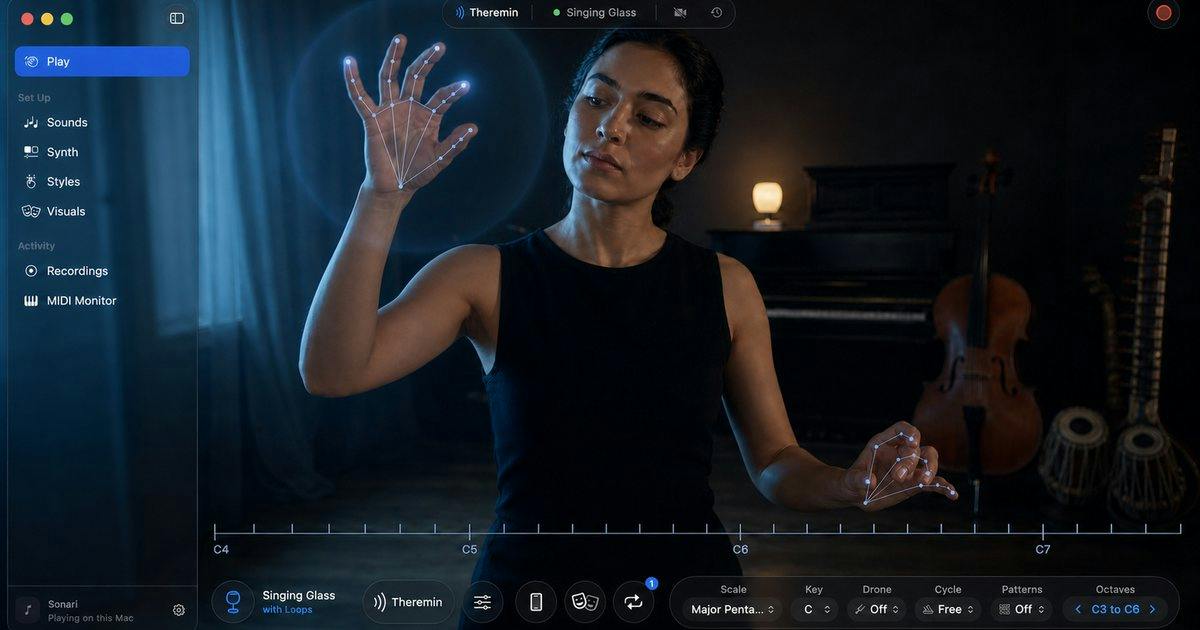
Sonari: Create Music on Mac with Air Gestures
Sonari is a gesture-based instrument and MIDI controller for Mac with 17 performance styles, music-driven visuals, and a camera-free Key Deck mode—sends gestures straight to your DAW.

PasteGuard for Mac: Keep AI Chats Free from Key Leaks
PasteGuard for Mac is a clipboard privacy protection tool that automatically masks API keys, passwords, emails, and card numbers the moment you copy, preventing sensitive data leaks when pasting into AI chat tools like ChatGPT and Claude. Supports local Apple Intelligence checks and custom rules.
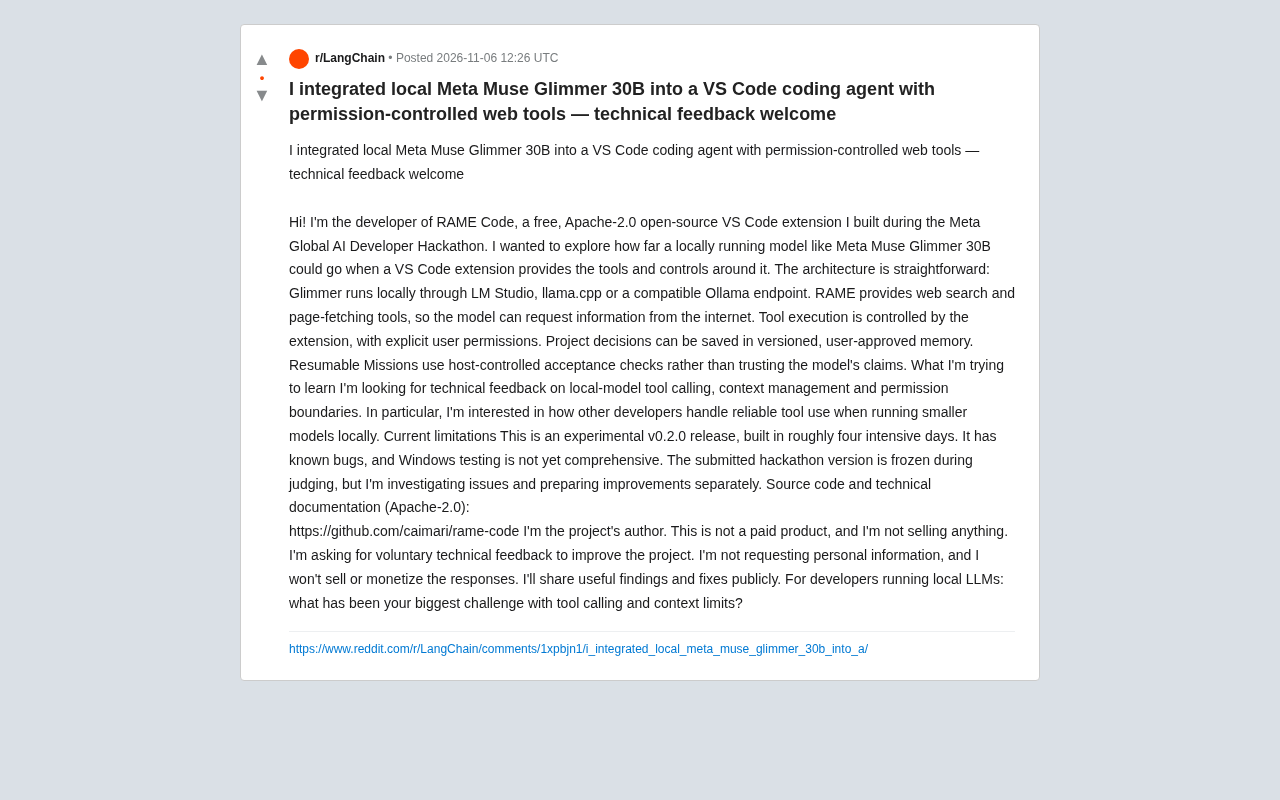
Integrating a Local 30B Model into a VS Code Agent: Permission Control and Tool-Calling in Practice
Open-source VS Code extension RAME Code wires a local Meta Muse Glimmer 30B into a coding agent, using permission control for web search and scraping while tackling tool calling, context management, and permission boundaries.
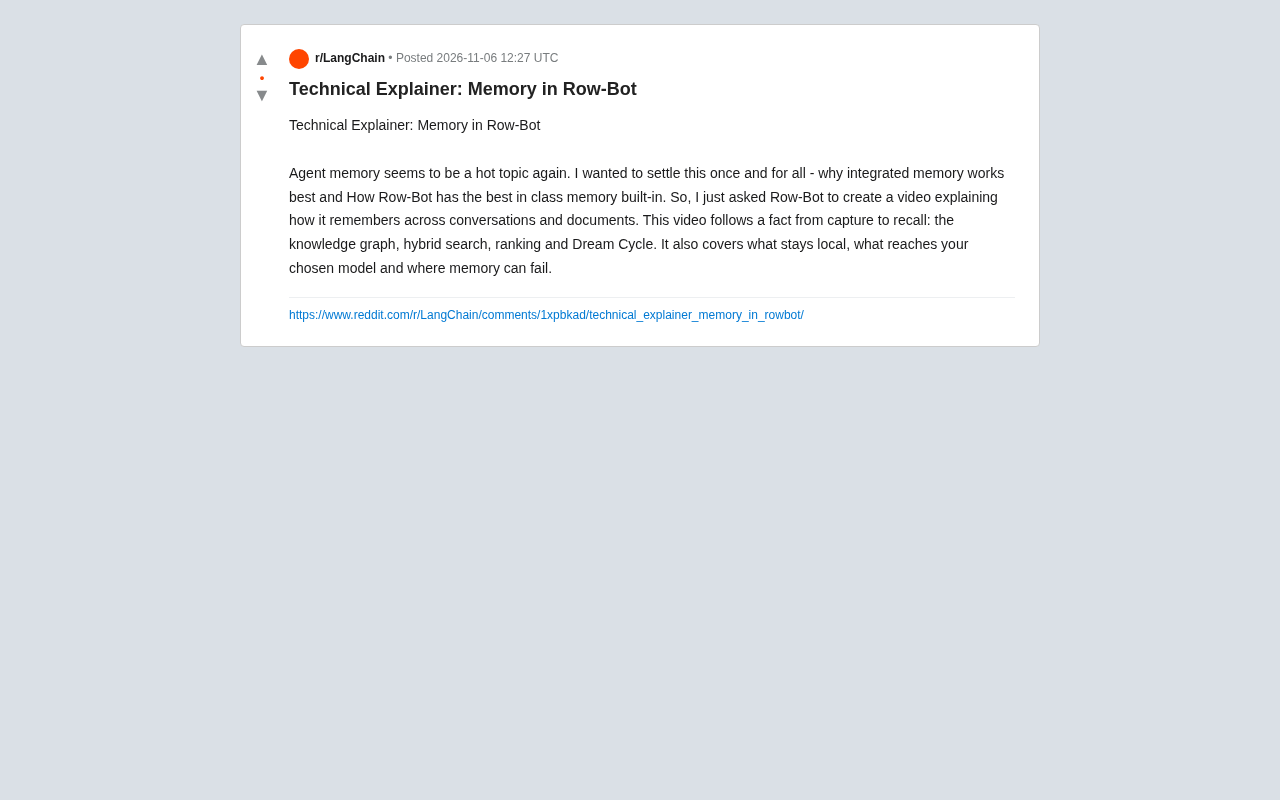
Row-Bot Memory Mechanism Explained: How Knowledge Graphs and Hybrid Search Enable Cross-Conversation Memory
Row-Bot's technical explainer reveals its integrated memory: knowledge graphs build structured memory, hybrid search and ranking enable precise recall, the Dream Cycle consolidates offline, and it clarifies local vs. cloud data boundaries and failure points.
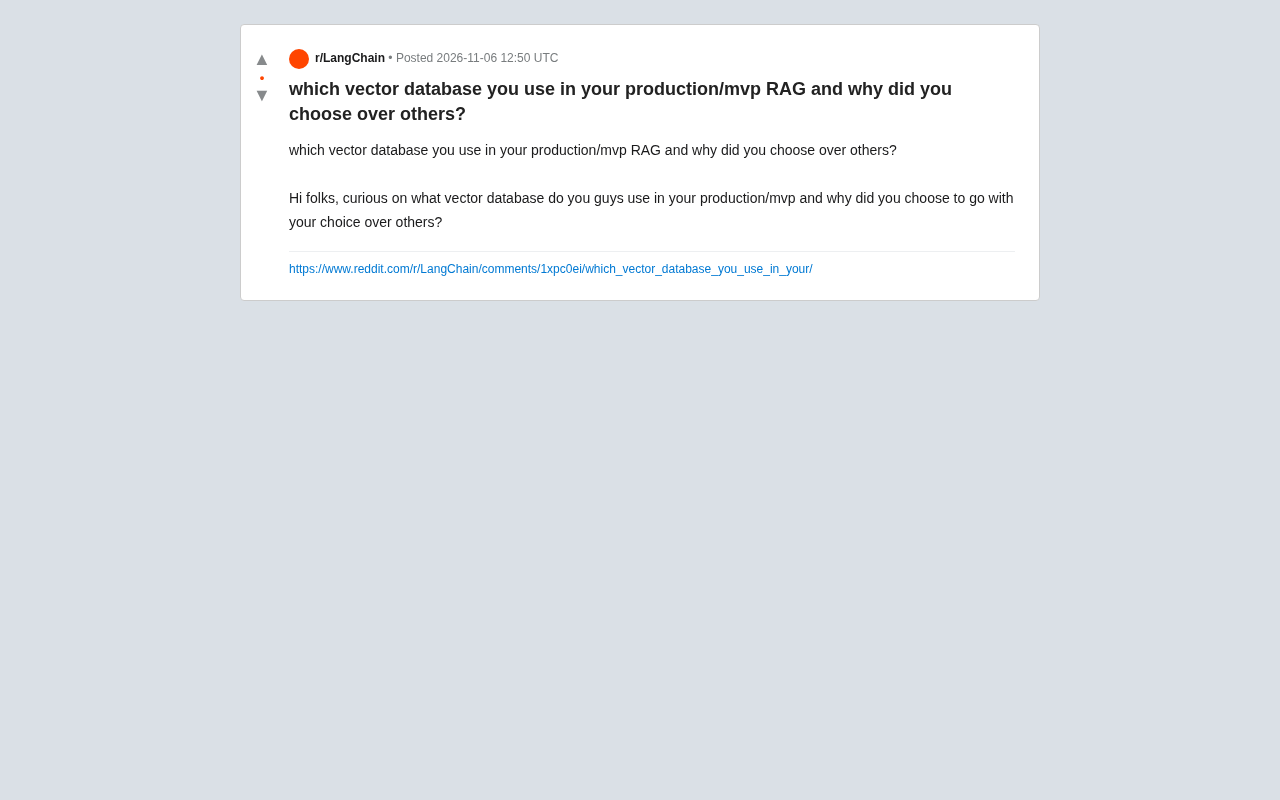
How to Choose a Vector Database for Production RAG: A Developer's Practical Discussion
Reddit developers discuss RAG vector database selection for production and MVP stages, covering dedicated vector databases, traditional database vector extensions, and lightweight solutions, plus a practical selection checklist.

Free AI Models Keep Repeating the Same Fixes? An Open-Source Verification Framework Arrives
A developer built an open-source memory and verification framework in Python to solve free AI models repeating wrong fixes, now open for contributions.

How Much Does It Really Cost to Build a Mid-Level AI Agent?
A Reddit developer asks: how much does it cost to build a mid-level AI agent? This article breaks down development, debugging, API, and infrastructure costs, and draws on community experience to explore how to price for first clients, offering a reference framework for tiered and value-based pricing.