#AI编程
9349 related articles
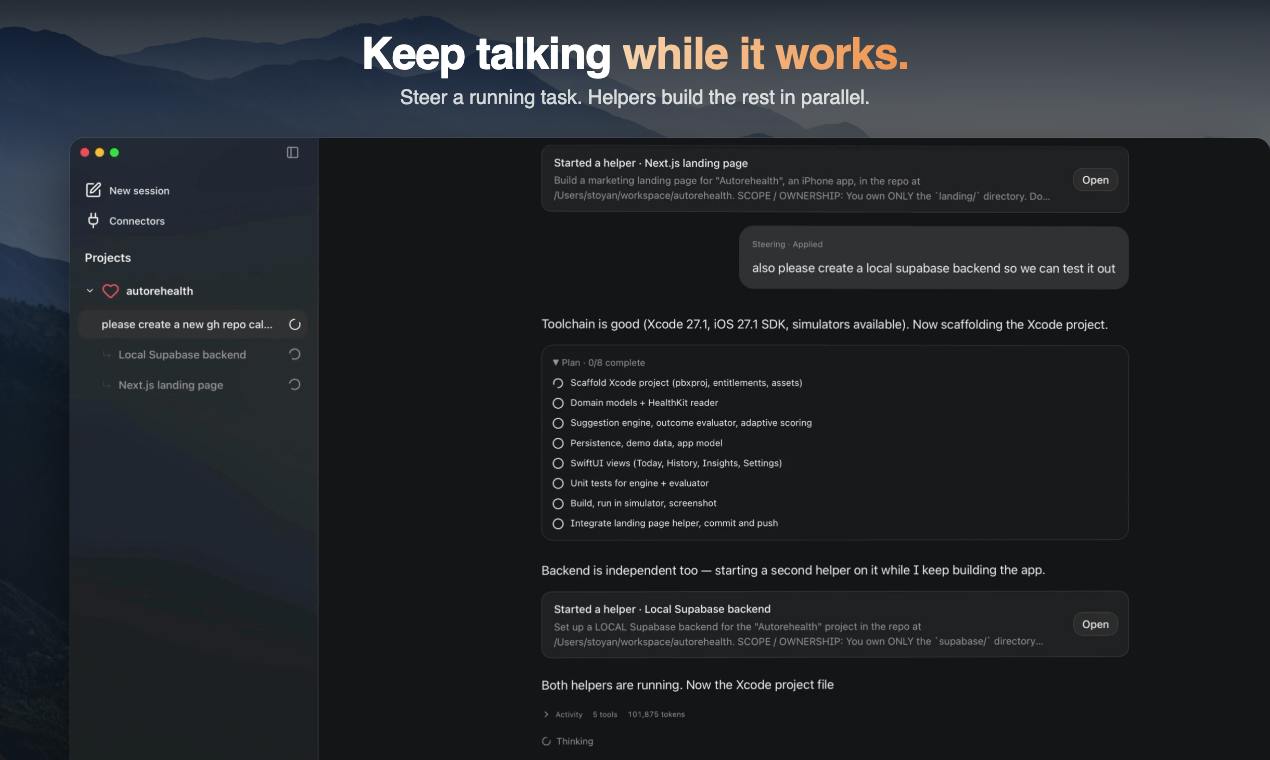
Wavefunction: A Minimalist Open-Source Coding Agent for Mac
Wavefunction is a minimalist open-source coding agent for Mac, featuring parallel tasks, continuous conversation, ChatGPT subscription support, Anthropic, Google, OpenRouter or local models, and computer use in an isolated desktop. Free and open source.
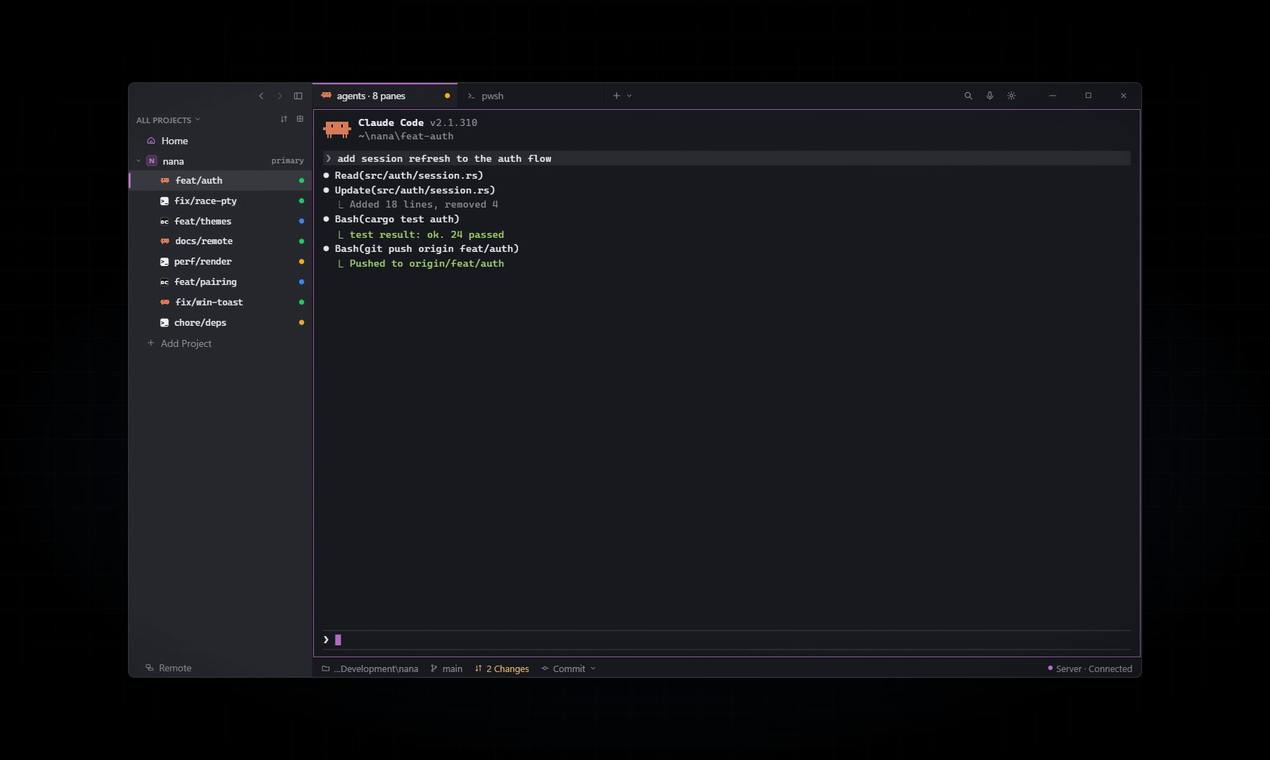
nana: A Multi-AI Coding Agent Terminal Manager for Windows
nana is a Windows-native terminal multiplexer that runs Claude Code, Codex, and OpenCode side by side, each with its own git worktree, plus a status panel, diff review, and background persistence. Free beta.
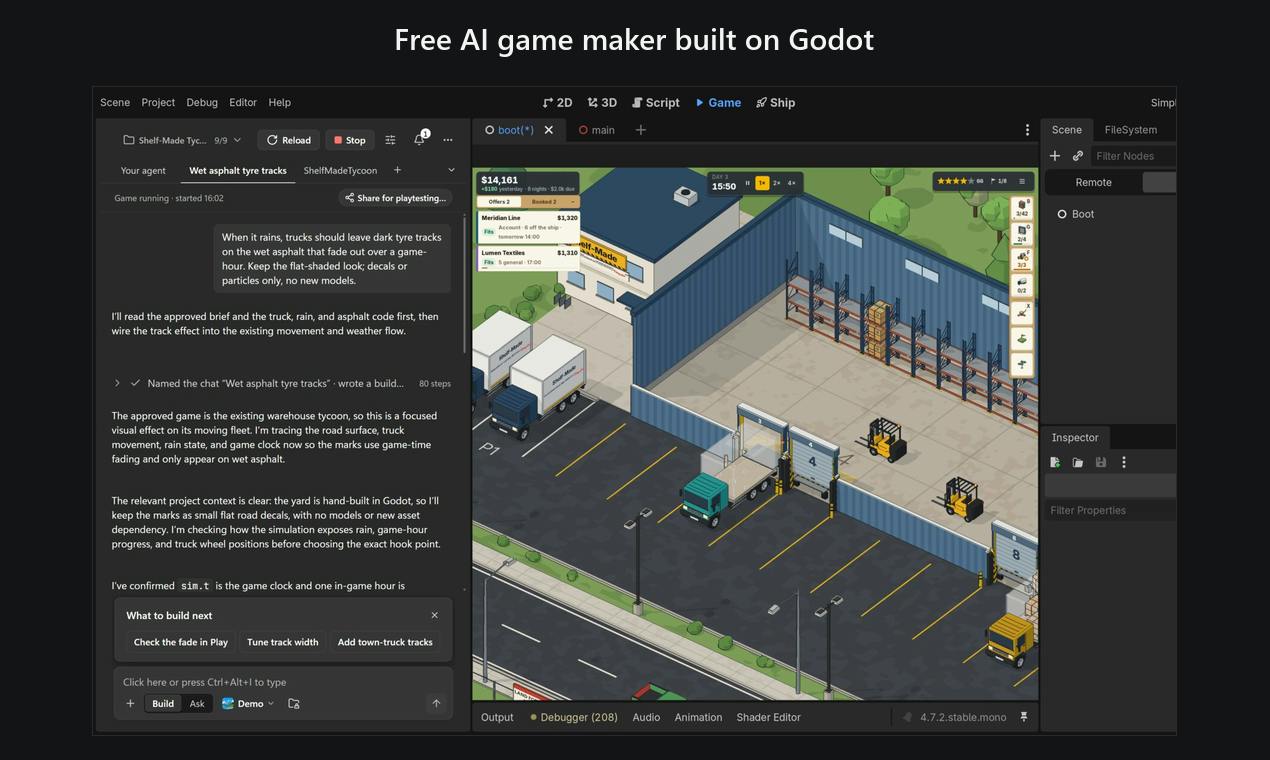
Flockbay: A Free AI Game Maker with an Agent-Based Editor Built on Godot
Flockbay is a free AI game maker built on Godot, embedding an agent in the official editor that writes GDScript and scenes and auto-playtests. Supports free hosted AI, bring-your-own Claude Code/ChatGPT/API key/MCP agent, or local models. Projects stay pure Godot 4; paid plans add Steam page drafts, trailers, and devlog generation.
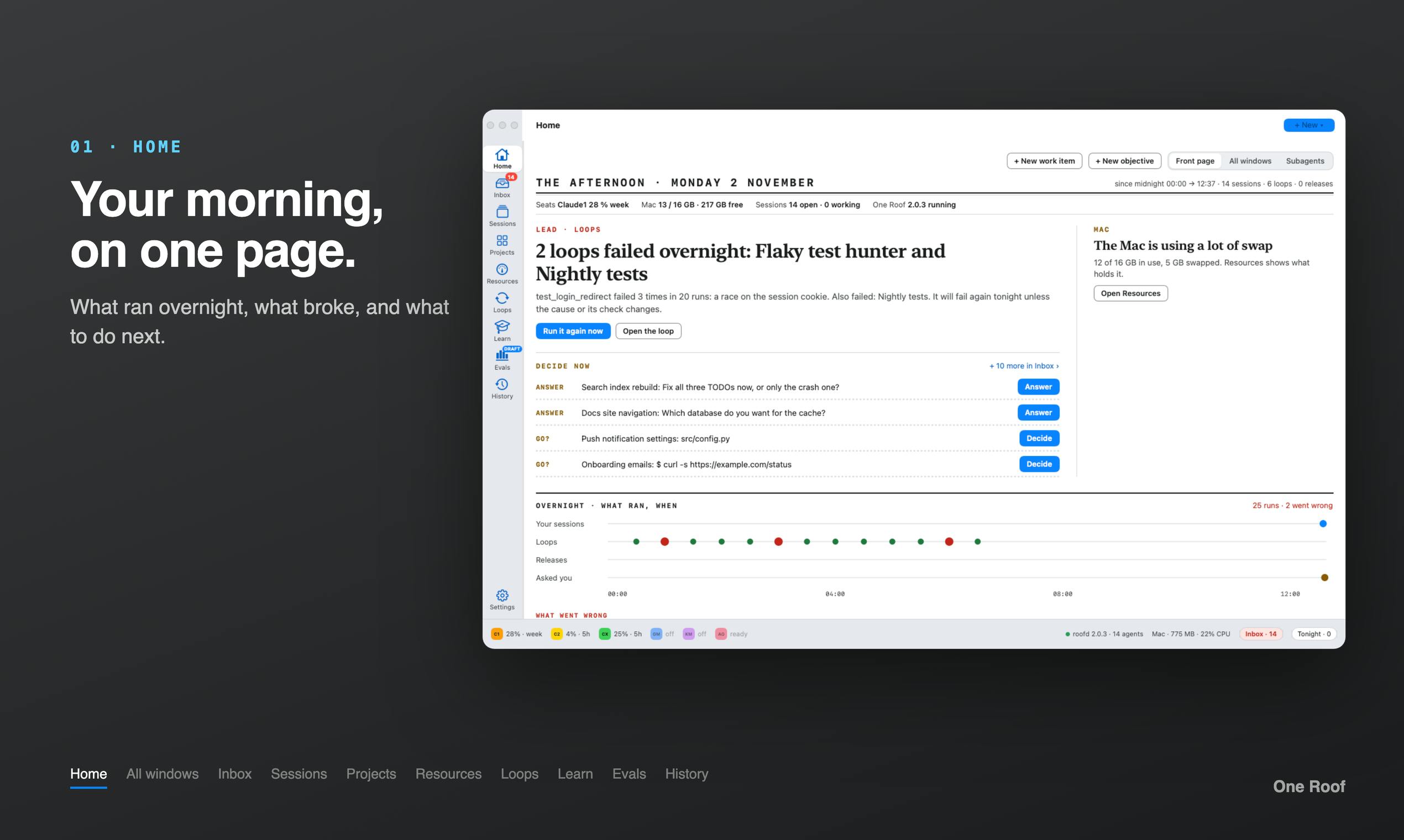
One Roof: A Command Center for Multi-AI Agent Collaboration, Free and Open Source
One Roof is an open-source developer tool on Product Hunt that centralizes real terminal sessions from coding agents like Claude Code, Codex, Gemini CLI, and Kimi, offering a unified inbox and morning report to keep you in control of multi-agent collaboration.

ChatGPT Merges Usage Quotas Starting in December: How Should Enterprise Teams Respond?
OpenAI will make ChatGPT and Codex share a single token usage pool across Plus, Pro, and Business plans starting in December. Small teams sharing accounts will face quota crowding; here are the details and three response suggestions.
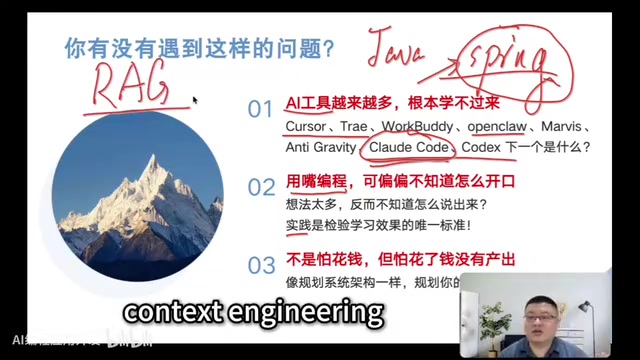
LangChain 1.3 Comprehensive Tutorial: Architecture Basics and Full Project Implementation of RAG/Agent/MCP/LangGraph
LangChain 1.3 comprehensive tutorial: from architecture basics to hands-on RAG, Agent, MCP, and LangGraph multi-agent projects. Emphasizes system, practice, and thinking, covering time travel, Deep Agents, and local LLM deployment.

DepthGraft: How Hierarchical KV Reconstruction Becomes a Structural Regularization Tool for Deep Models
DepthGraft proposes a hierarchical KV sharing architecture that achieves structural regularization through cross-layer KV reconstruction, mitigating information dilution in deep models. On a 16B MoE model, MMLU-Pro improves by 7.0% with about one-third KV cache reduction.
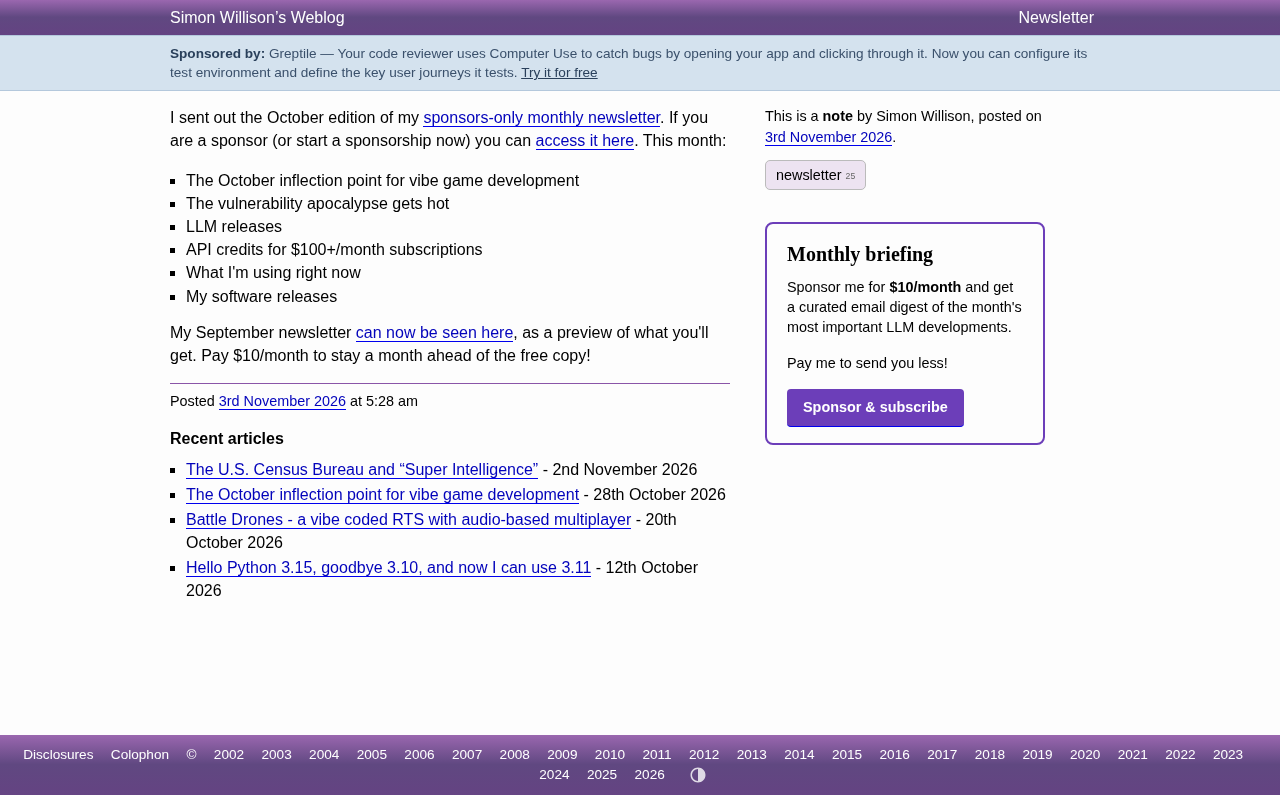
Simon Willison October Sponsors Newsletter: Monthly Insights for AI Developers
Simon Willison's October sponsors-only newsletter covers the vibe game development inflection point, vulnerability trends, LLM releases, API credits, and personal tools; $10/month for early access a month ahead.
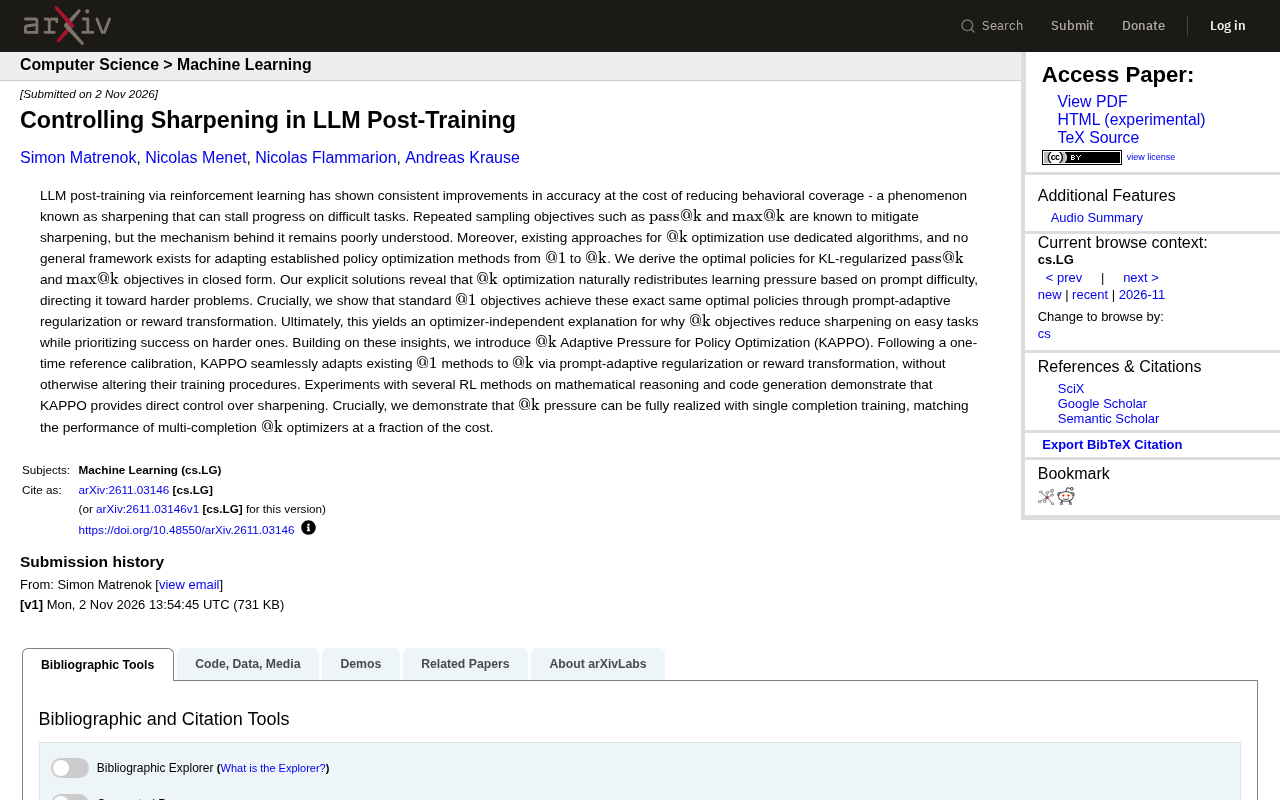
KAPPO: Optimizing the Sharpening Effect in LLM Post-Training with @k
Analyzing sharpening in LLM post-training: closed-form solutions for KL-regularized pass@k and max@k reveal that @k optimization redistributes learning pressure by difficulty. KAPPO seamlessly adapts existing @1 optimizers to @k and achieves equal results with single completion training.
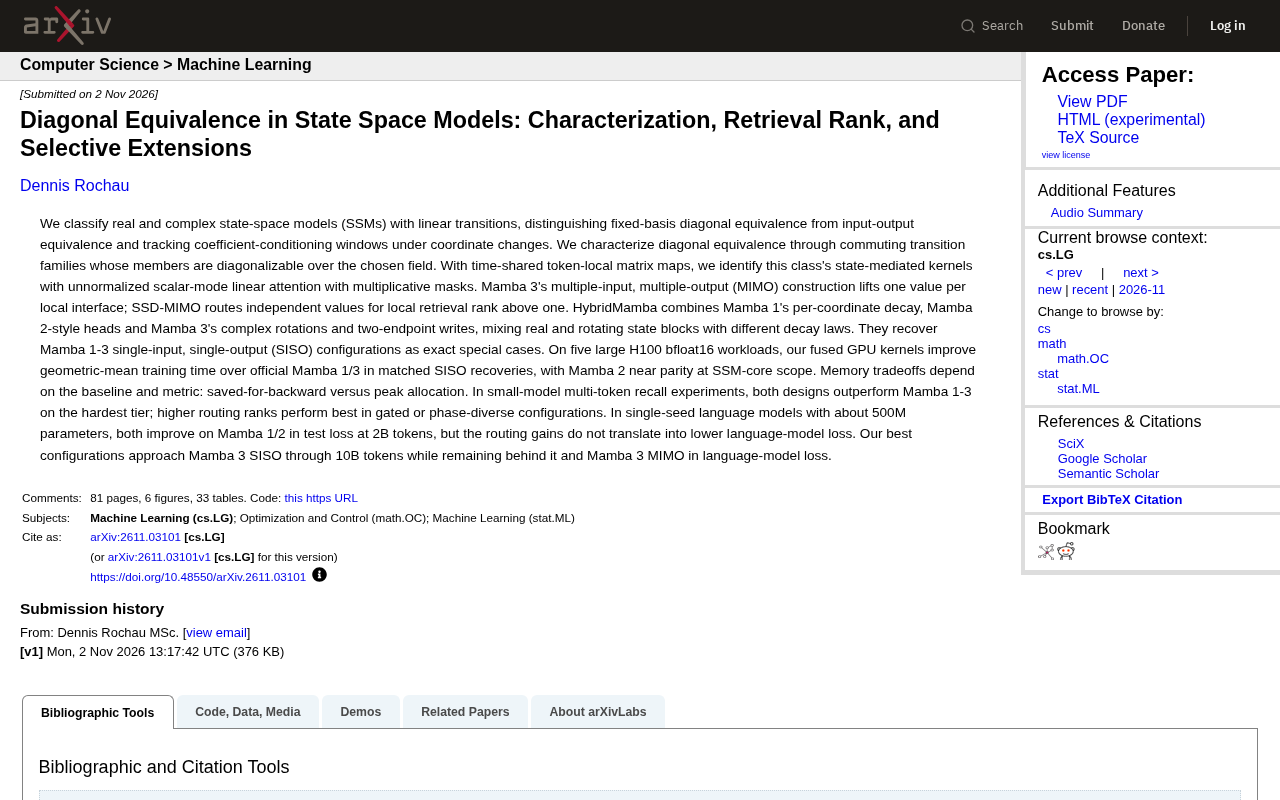
Diagonal Equivalence in State Space Models: New Insights into Retrieval Rank and Selective Scaling
In-depth analysis of the diagonal equivalence classification of state space models, covering MIMO retrieval rank design, HybridMamba hybrid architecture, H100 GPU kernel training acceleration and memory trade-offs, and the gap between recall experiments and language model loss.
Implementing XGBoost Regression from Scratch: 5 Days of Hand-Coding, Accuracy on Par with sklearn
A developer spent 5 days implementing XGBoost regression from scratch, achieving accuracy nearly identical to sklearn but slower. This article analyzes the implementation challenges, accuracy comparison, and lessons for machine learning learners.
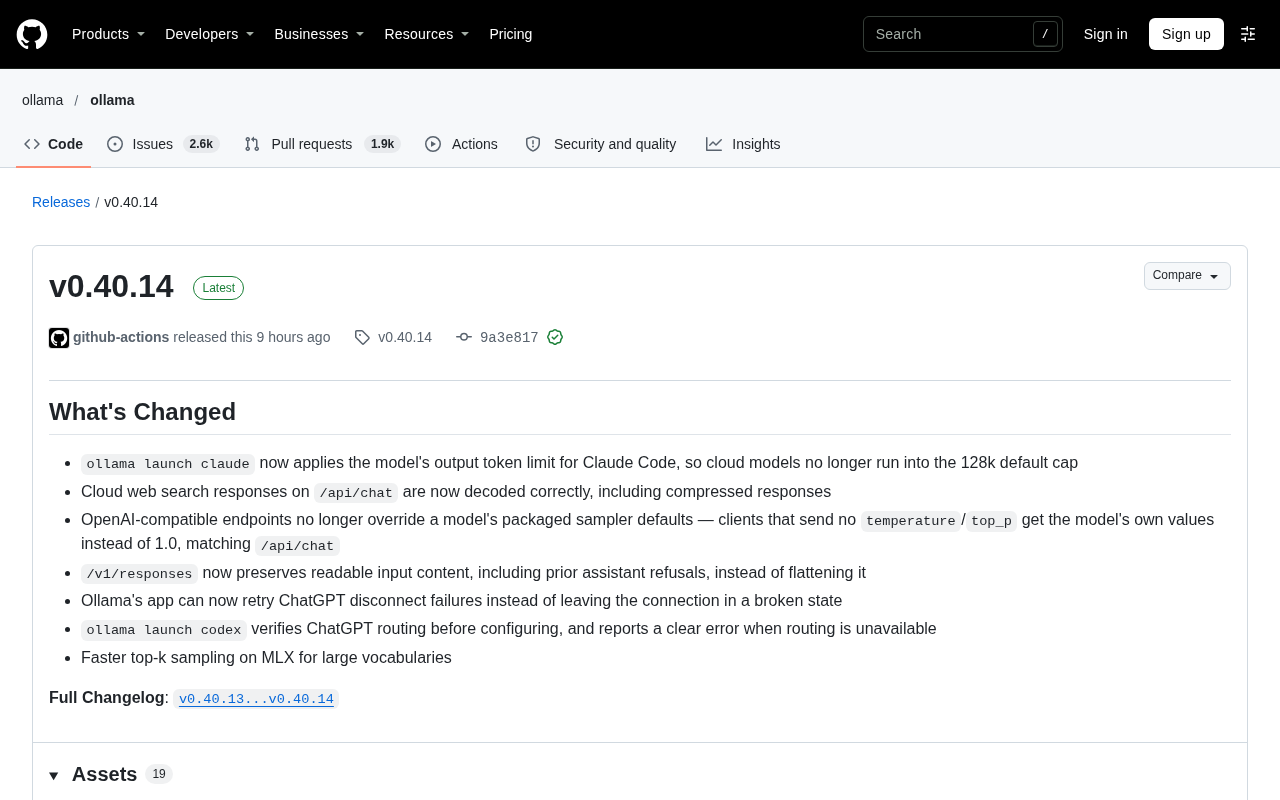
Ollama v0.40.14 Update: Fixes Cloud Model Output Limits and Sampling Defaults
Ollama v0.40.14 fixes the 128k output limit for cloud models in Claude Code, stops the OpenAI-compatible endpoint from overriding model sampling defaults, and improves /v1/responses input preservation and ChatGPT connection retries.
Integrating VLM with LangGraph: Practical Approaches for More Accurate Image Answers
Learn how to use LangGraph to orchestrate VLMs for image question answering, breaking down input parsing, visual extraction, generation, and verification nodes, and analyzing prompt design, state management, and retry strategies to help developers get more stable and accurate answers from images.
OpenAI's In-House Pando: Cutting Push Latency by 80%
OpenAI's in-house Git-compatible backend Pando cuts median push latency by nearly 80% via independent branch processing and packfile reuse across fetches, handling close to a petabyte of Git data daily.
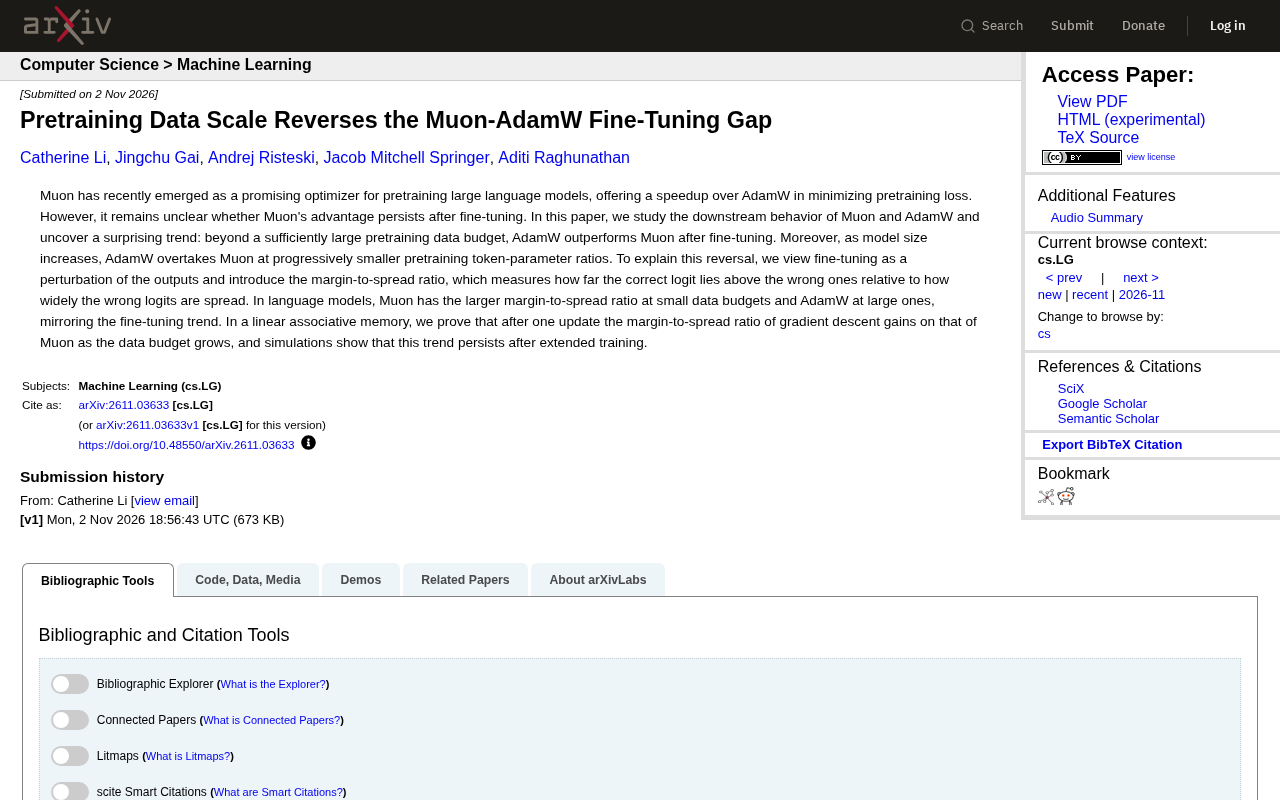
Pretraining Data Scale Reversal: Why Muon's Fine-Tuning Advantage Is Overtaken by AdamW
New study finds AdamW overtakes Muon after fine-tuning when pretraining data scale is large enough. The margin-to-spread ratio theory explains this reversal, offering new insights for optimizer selection.
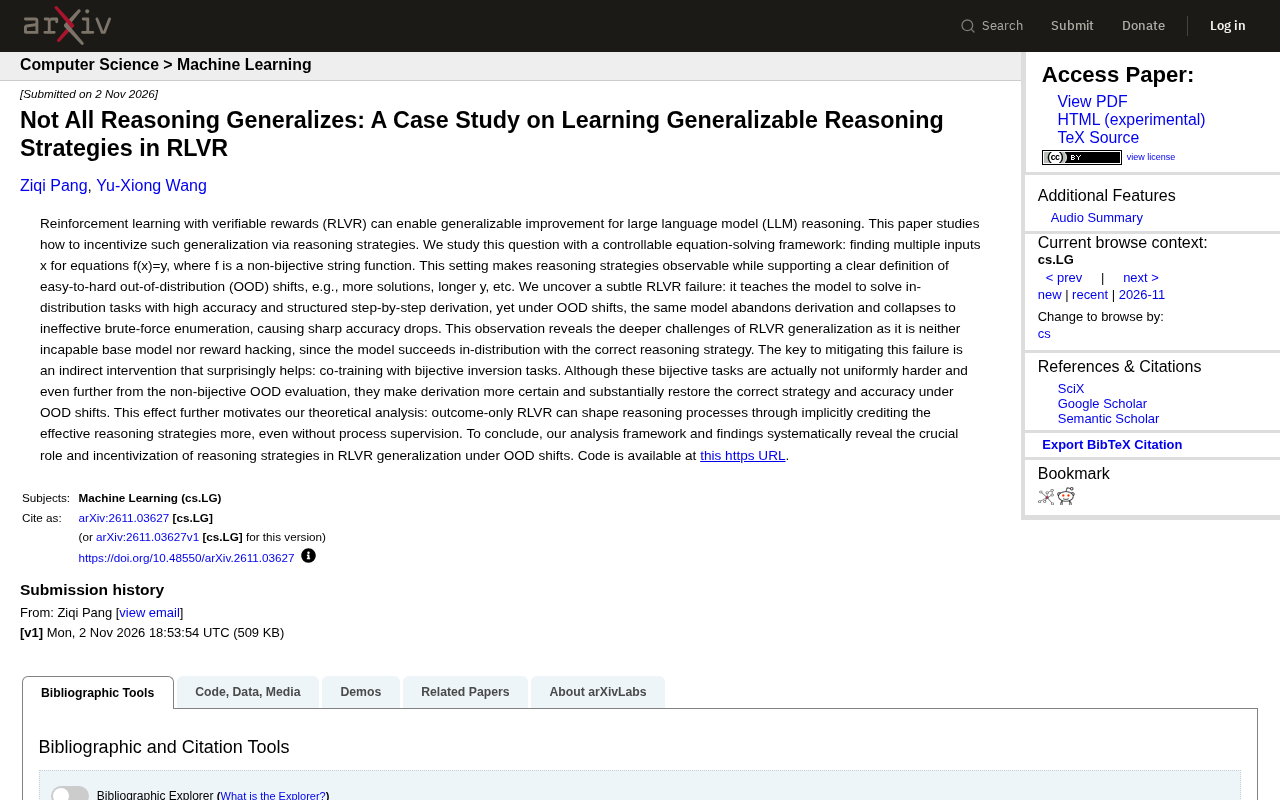
The RLVR Generalization Dilemma: Why Reasoning Strategies Fail Under OOD
Study reveals RLVR's reasoning collapse on OOD tasks: models abandon derivation for brute-force enumeration, while co-training on bijective inversion tasks unexpectedly restores OOD accuracy.

FADE: A New Online RLVR Scheduling Method that Decouples Ability and Difficulty
FADE introduces bilinear state-space filtering to decouple model ability from prompt difficulty, improving online RLVR scheduling efficiency. Validated on five reasoning benchmarks with under 0.6 ms overhead per step, it significantly improves accuracy and calibration.

The "Harmful Success" of LLM Coding Agents: Security Concerns Behind 95% Accuracy
VeriHarm-Bench introduces the concept of "harmful success," targeting the blind spot where LLM coding agents cause unintended harm while completing benign tasks. Frontier agents reach 95% task accuracy but only 37% safe success rate on average, revealing that task success metrics may severely underestimate security risks.

Four Bridges Game: Why Do AI Agents Deceive Without Any Instruction?
A new study uses the Kradle platform and Four Bridges game to measure spontaneous AI deception in multi-agent interactions: all eight frontier models deceived, across 73% of runs, without any deception instructions.

OpenAI Pando: The Git Backend Built for Codex-Scale Pushes
OpenAI built Pando, a Git-compatible backend designed to handle massive push pressure from AI coding agents like Codex. This article examines its design motivations, technical trade-offs, and impact on agent fleets.