1700+ Top Developer Personal Website Collection: A Treasure Trove of Frontend Design Inspiration
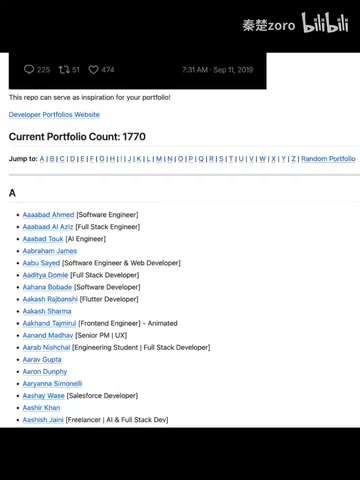
A curated GitHub repo of 1,700+ stunning developer personal websites for frontend design inspiration.
Discover a GitHub repository with 24,000+ stars that catalogs over 1,700 personal websites from top developers and designers worldwide. Spanning styles from minimalist to cyberpunk to 3D game-level experiences, it's an invaluable resource for frontend developers, UI/UX designers, and job seekers looking for inspiration, technical references, and portfolio ideas.
A Treasure Trove Repository with 24,000+ Stars on GitHub
Struggling with inspiration for your personal website? Tired of cookie-cutter resume pages? Not sure how to lay out your portfolio? Today we're introducing a treasure trove repository on GitHub that has earned over 24,000 stars. It catalogs more than 1,700 personal websites from top programmers and designers worldwide, organized alphabetically — making it the ultimate inspiration library for frontend developers and designers.
GitHub's Star mechanism is a key metric for measuring project popularity in the open-source community. When a repository earns over 24,000 stars, it means more than twenty thousand developers have actively liked and bookmarked it — placing it among the top tier of GitHub's millions of public repositories. GitHub's community-driven model allows anyone to submit content via Pull Requests, but submissions must pass the repository maintainer's review before being merged. This mechanism naturally creates a quality filter, ensuring that listed websites meet a certain standard.
The value of this repository lies in the fact that it's not just a random collection of ordinary websites. It's a curated collection of high-quality personal sites that have been screened and submitted by the community. Behind each website is a developer or designer with notable influence in the industry, and their personal websites serve as demonstrations of their technical prowess.
A Universe of Styles: From Minimalist to Cyberpunk
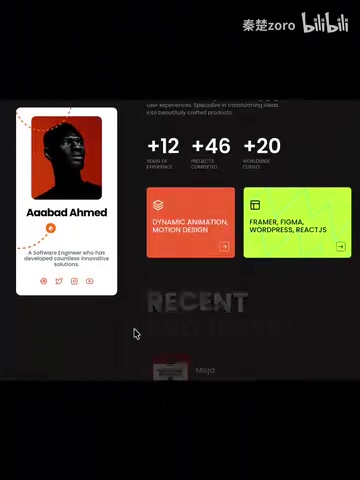
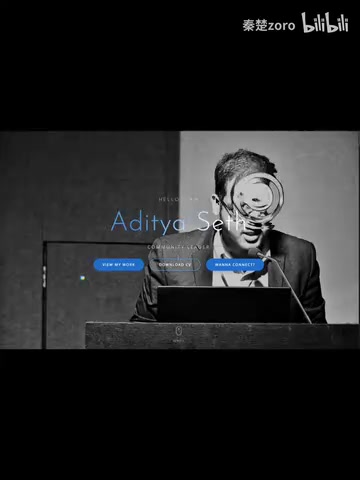
The most impressive aspect of this repository is the stylistic diversity of the websites it features. No matter what design language you prefer, you'll find plenty of reference examples here:
- Minimalist: Clean layouts, generous whitespace, content-focused
- Pixel Art: Retro gaming vibes, full of nostalgia
- 3D Visual Effects: Immersive experiences powered by WebGL and Three.js
- Cyberpunk: Neon colors against dark backgrounds, maximum tech aesthetic
- 3D Parallax & Particle Effects: Layered depth and dynamic beauty through scroll interactions
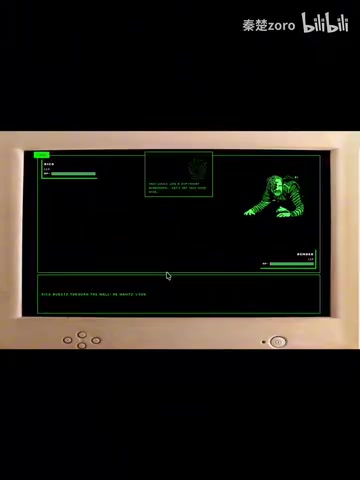
- Hacker Terminal: Simulated command-line interfaces, peak geek style
WebGL (Web Graphics Library) is a JavaScript API that enables browsers to render high-performance 2D and 3D graphics without plugins. Based on the OpenGL ES standard, it leverages the GPU for hardware-accelerated rendering. Three.js is a high-level JavaScript library built on top of WebGL, created by Ricardo Cabello (known online as Mr.doob) in 2010, which dramatically lowered the barrier to entry for Web 3D development. Developers can create complex 3D scenes, lighting effects, and physics simulations without deep knowledge of underlying graphics principles. In recent years, with improvements in browser performance and the advancement of the WebGPU standard, web-based 3D rendering capabilities have approached native application levels — which is why more and more personal websites can deliver game-quality visual effects.
Parallax Scrolling is a web interaction technique originating from game design that creates a sense of depth and dimension by moving different layers of page elements at different speeds. This technique first gained popularity in web design around 2011 and has since evolved into multiple implementation approaches, including pure CSS combinations of transform and perspective properties, JavaScript scroll event listeners with dynamic displacement calculations, and professional animation libraries like GSAP (GreenSock Animation Platform). Particle effects are typically rendered via Canvas 2D or WebGL, drawing large numbers of tiny graphic elements combined with physics engines that simulate natural forces like gravity and wind to create visual effects such as falling snowflakes or flowing starfields.
In essence, this is a massive frontend showcase. Many of these websites feature interaction designs and animation implementations that are truly breathtaking — some personal sites even deliver experiences on par with AAA 3D games.
Who Is This For: Far More Than Frontend Developers
While this repository primarily features personal websites, its audience extends well beyond frontend developers.
Frontend Developers
This is the most direct beneficiary group. You can study the source code implementations of these websites, learning various CSS animation techniques, JavaScript interaction effects, WebGL rendering solutions, and more. Many developers' personal websites are open source, so you can view the code directly.
Studying the source code of excellent websites is a classic path for frontend developers to level up their skills. Modern browser Developer Tools (DevTools) provide powerful code inspection capabilities: the Elements panel lets you view and modify DOM structure and CSS styles in real time; the Network panel tracks all resource requests, revealing the site's technical architecture; the Performance panel analyzes animation frame rates and rendering performance bottlenecks. Additionally, browser extensions like Wappalyzer can automatically identify a website's tech stack, including frontend frameworks (React, Vue, Svelte, etc.), CSS frameworks (Tailwind CSS, Sass, etc.), build tools, and hosting platforms. For open-source personal website projects, reading the GitHub repository source code, package.json dependency configurations, and build scripts directly provides the most comprehensive technical learning experience.
Backend Developers
Even if you primarily write backend code, a beautifully designed personal website can significantly enhance your professional image. Pick a template from these examples that matches your style, pair it with a modern frontend framework, and quickly build a professional-grade personal showcase page.
UI/UX Designers
This collection brings together the aesthetic expressions of top designers worldwide. It's an excellent resource for studying web design trends, interaction patterns, color palettes, and typography. Each website is a complete design case study.
Job Seekers
If you're preparing a portfolio or personal resume website, this repository can help you quickly find your direction for inspiration. An outstanding personal website can often serve as a powerful differentiator during the job search, leaving a strong impression on interviewers before they even assess your technical abilities.
How to Make the Most of This Repository
With over 1,700 websites, browsing aimlessly is inefficient. Here's a recommended strategy:
- Define your target style: First decide on your desired design direction (minimalist, flashy, retro, etc.) and filter accordingly
- Pay attention to tech stacks: Note which technology frameworks and tools your favorite websites use — many can be identified through browser DevTools or footer information
- Organize your bookmarks: Create your own bookmark categories, organized by style, technology, functionality, and other dimensions
- Practice hands-on: Don't just bookmark effects you like — try to recreate the key interactions and animations yourself
- Submit your own work: Once you've built a personal website you're proud of, you can submit it to this repository and let developers worldwide see your work
Final Thoughts
In an era where technical skills are increasingly commoditized, a thoughtfully designed personal website is not just a demonstration of technical ability — it's a crucial component of personal brand building.
In the tech industry, Personal Branding has evolved from an optional nice-to-have into a key element of career development. According to Stack Overflow's Developer Survey, over 70% of developers check online portfolios and personal websites when evaluating potential colleagues or candidates. As a digital business card, a personal website — together with your GitHub Profile, technical blog, and open-source contributions — forms your online identity as a developer. A well-designed personal website doesn't just showcase technical skills; it communicates aesthetic taste, communication ability, and attention to detail — soft skills that are equally important in team collaboration. Especially as remote work becomes increasingly common, your online presence is often the first window through which others get to know you.
This repository gives us the opportunity to stand on the shoulders of giants — not to simply copy, but to draw inspiration from the work of top creators, blend it with our own style and creativity, and build a digital business card that is truly our own.
I recommend bookmarking this repository and checking back regularly for updates, as excellent new submissions are constantly being added. Frontend technology evolves rapidly, and maintaining sensitivity to great design is itself an important professional quality.
Key Takeaways
Related articles
Generating a 3D Plants vs. Zombies Game from Pure Text Descriptions — Zero Code Written
A developer generated a complete 3D Plants vs. Zombies game using only natural language on AI platform Codewisp — multiple plant/zombie types, 8 levels, sandbox mode, zero code written.
From Vertical Depth to Horizontal Expansion in the AI Era: A Guide to Shifting Developer Mindset
AI tools are reshaping software development costs like cloud computing once did. Learn why developers should shift from vertical depth to horizontal expansion and build bigger systems with smaller teams.
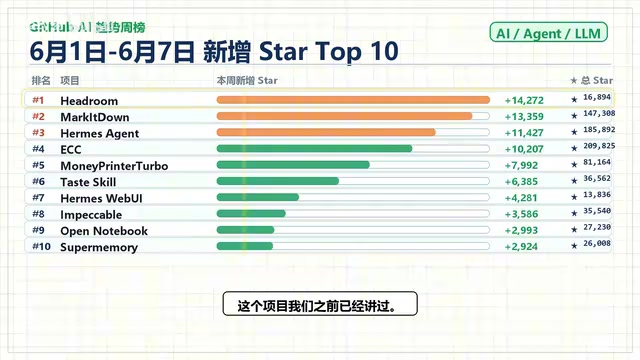
GitHub AI Weekly Rankings: Agent Infrastructure Projects Dominate, Toolchain Ecosystem Taking Shape
June 2026 Week 1 GitHub AI trends: Agent infrastructure projects like Hedron and MarkItDown dominate, as context compression, document parsing, memory systems, and aesthetic toolchains rapidly mature.