50K RMB AI Character Dialogue Platform Architecture: Prompt Orchestration + Streaming Conversation + Billing Loop
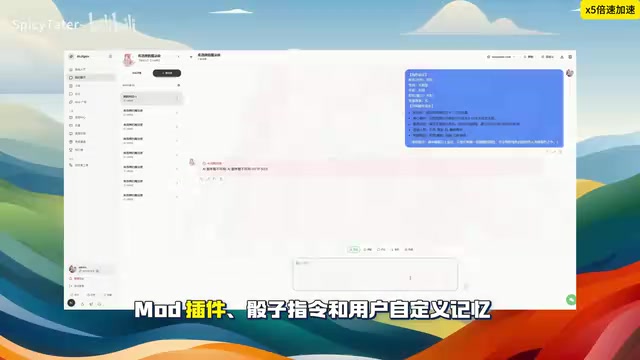
Technical architecture and design overview of a 50K RMB AI role-playing platform project.
This article introduces a 50,000 RMB AI role-playing platform project covering a front-end character hall, creator center, forum community, and back-end management system. The core challenges lie in the AI technical pipeline design, including the Prompt orchestration engine, streaming conversation state machine, and AI billing closed loop. The front-end supports character creation, dynamic World Book matching, MOD plugins, and more.
Project Overview
This is a complete AI role-playing platform project, quoted at 50,000 RMB, covering a front-end character hall, creator center, forum community, and a back-end management system. Users can create characters, generate cover images, define world settings, and enter immersive AI conversation experiences.
The core challenge of this project isn't the sheer number of features—it's the entire technical pipeline behind the AI application. From the Prompt orchestration engine to the streaming conversation state machine, to the AI billing closed loop, every link in the chain requires precision engineering.
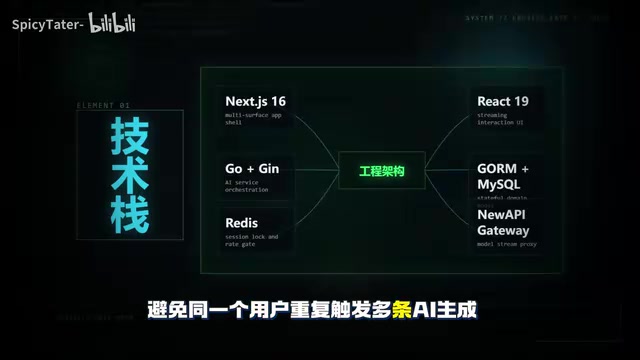
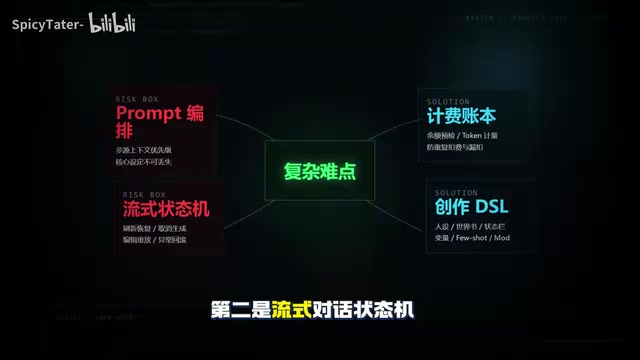
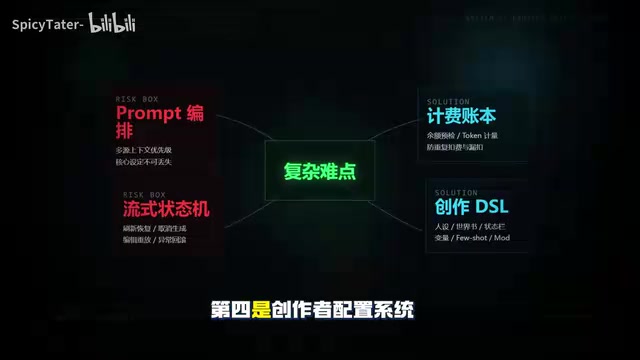
Front-End Functional Architecture
Character Creation & World-Building System
The platform supports users in independently creating AI characters, including character settings, cover generation, world-building, and a complete creative workflow. Core features include:
- World Book Matching: Dynamically matches relevant world settings based on conversation context
- Character Setting Assembly: Combines persona, opening lines, status bars, and other elements into a complete context
- MOD Plugin System: Supports dice commands, custom memory, and other extension features
World Book (also known as Lorebook) is a core concept in the AI role-playing domain, originating from the design traditions of TRPG (Tabletop Role-Playing Games) and interactive fiction. Its technical essence is a keyword-triggered dynamic knowledge base: when specific keywords or semantic patterns appear in the conversation, the system automatically injects corresponding background knowledge fragments into the Prompt context. For example, when a user mentions "magic academy"
Related articles
 Tutorials
Cursor + Codex Dual-IDE Collaboration: A Practical Methodology for Open-Source Project Customization
A complete methodology for open-source project customization based on real-world experience, detailing the Cursor+Codex dual-IDE workflow, seven-stage process, MVP validation, and AI source code reading techniques.
 Tutorials
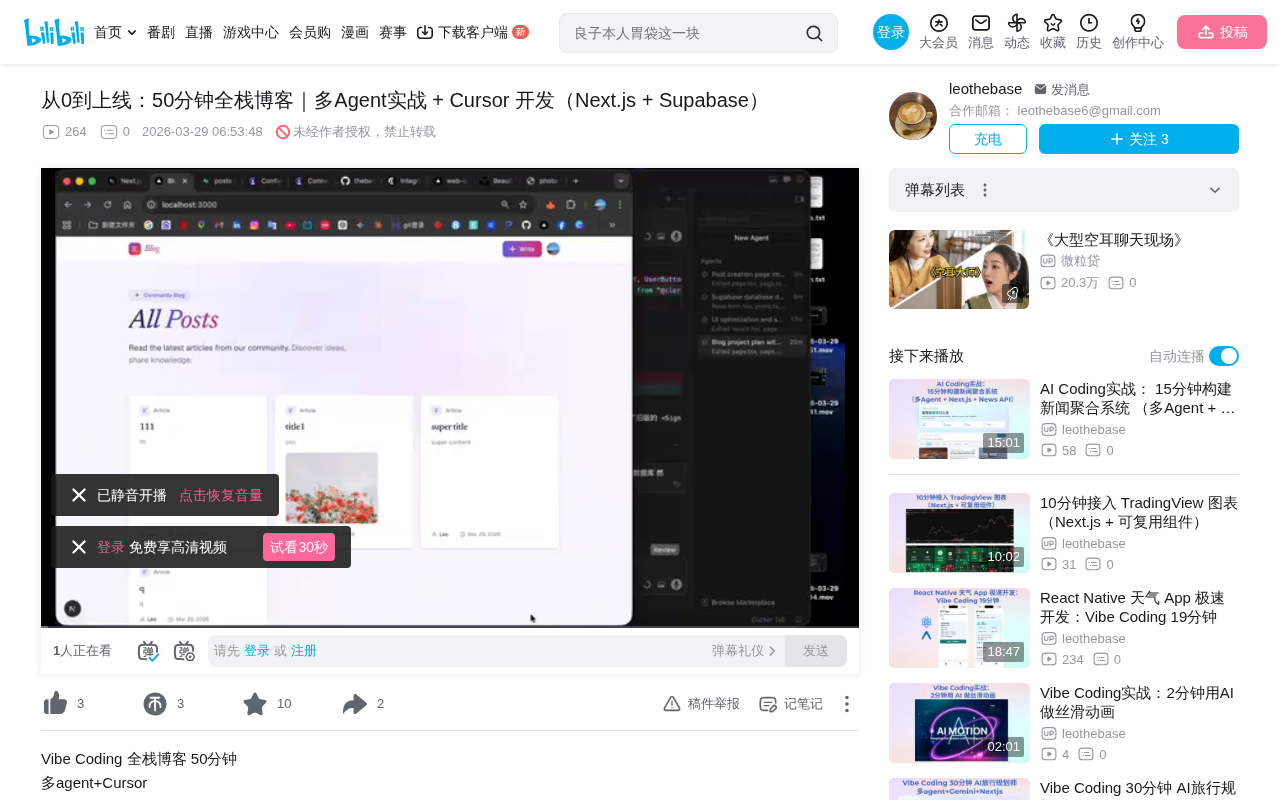
Cursor Multi-Agent in Practice: Building a Full-Stack Next.js Blog in 50 Minutes
Build a full-stack blog in 50 minutes using Cursor IDE's multi-Agent mode with Next.js, Clerk auth, and Supabase. Learn the 4-phase AI Agent workflow and key integration pitfalls.
 Tutorials
Building an AI Software Factory from Scratch: A Cursor Engineer's Hands-On Experience with Multi-Agent Collaboration
Cursor engineer Eric shares practical insights on building an AI software factory: automation levels, guardrail design, parallel Agent management, and scaling to 1000+ Agents for 24/7 development.