Apple's Major AI Strategy Pivot: From Rejecting Chatbots to Fully Embracing AI
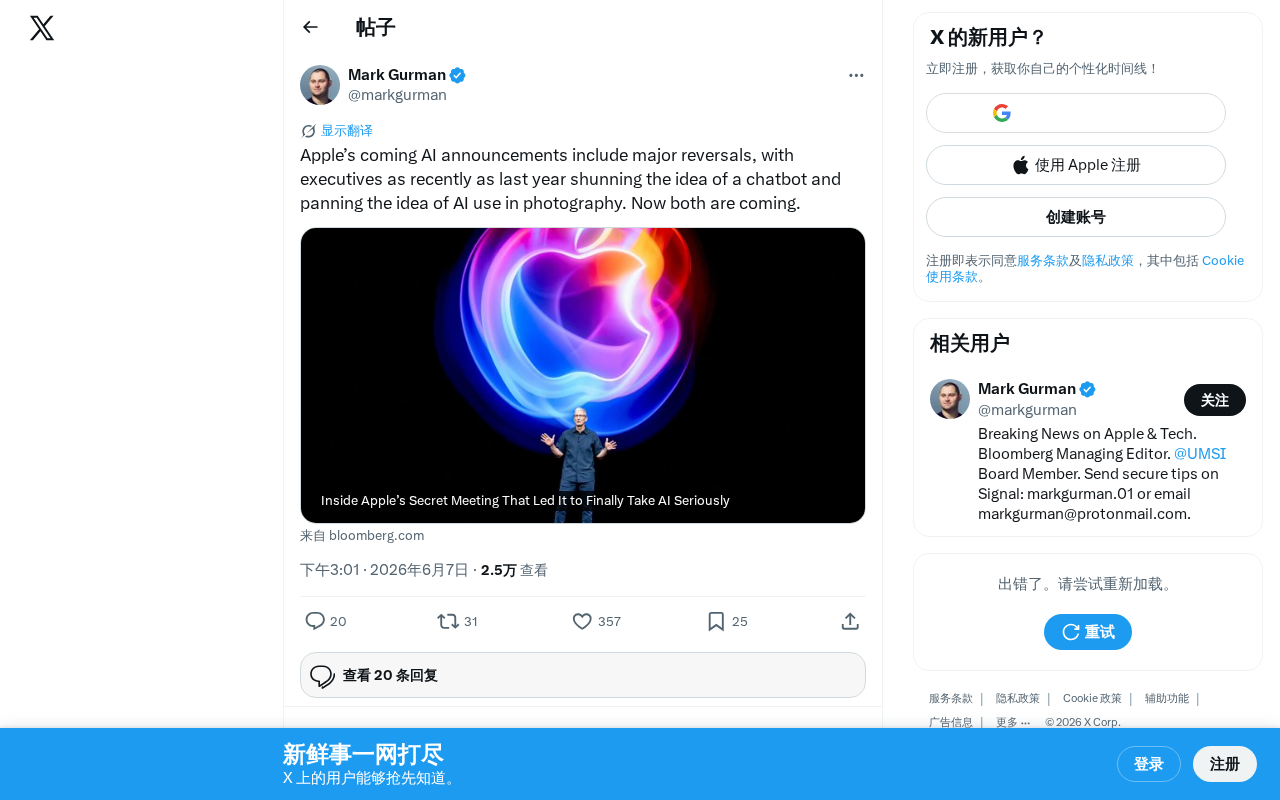
Apple reverses course on AI, pivoting from rejecting chatbots to making AI a core product strategy.
Apple is making a dramatic strategic pivot on AI. After executives publicly dismissed chatbots and AI photography just last year, the company is now preparing to make both technologies central to its product lineup. Driven by ChatGPT's explosive growth and competitive pressure from Microsoft, Google, and Samsung, Apple's reversal signals that AI has become mandatory even for the world's most valuable tech company.
Apple's Attitude Reversal
Apple's upcoming AI-related announcements include a major strategic pivot. According to tech reporter Mark Gurman, Apple executives were publicly dismissing the concept of chatbots just last year and held negative views on AI's application in photography. Now, however, both technologies are about to become core components of Apple's product lineup.
The speed of this transformation is remarkable even by tech industry standards. From executive-level public rejection to full embrace, Apple took less than a year — reflecting how the intensity of the AI race has exceeded everyone's expectations.
From "No Chatbots" to All-In
The Shift on Chatbots
Apple has long positioned Siri as a voice assistant rather than a chatbot, deliberately distancing itself from products like ChatGPT and Google Bard. Executives repeatedly stated in public that Apple didn't believe conversational AI was the right product direction. This stance was still being emphasized as recently as last year.
However, ChatGPT's explosive growth and users' strong demand for intelligent conversational capabilities clearly changed Apple's calculus. When competitors like Microsoft and Google rolled out powerful AI assistants one after another, Apple had no choice but to reassess its strategic positioning.
The Reversal on AI Photography
In photography, Apple previously emphasized the "authenticity" of its computational photography, implying that excessive AI processing would compromise the realism of photos. This stance was an important narrative in Apple's differentiation strategy against the Android camp (especially Google's Pixel series).
Now Apple is also preparing to deeply integrate AI into the photography experience, signaling that the company has recognized its previous "purist" stance is no longer tenable in the face of user experience demands.
The Deeper Logic Behind Apple's AI Strategy Pivot
Market Pressure Cannot Be Ignored
Apple's transformation didn't happen overnight. Since ChatGPT's release in late 2022, the entire tech industry has undergone an AI revolution. Microsoft achieved breakthroughs in search and productivity through its partnership with OpenAI, Google comprehensively restructured its product lineup, and Samsung was first to deploy Galaxy AI on smartphones. Had Apple continued to hold its original position, it would have faced the risk of marginalization.
Apple's "Late Mover Advantage" Strategy
Interestingly, Apple has historically employed a "late mover advantage" strategy — not being the first, but being the best. From iPod to iPhone, from iPad to Apple Watch, Apple has a habit of waiting for technology to mature before entering the market with a superior user experience.
But what's different this time is that executives' previous public dismissals make this pivot look more like a forced strategic adjustment rather than a composed, deliberate move. This perhaps indicates that AI's pace of development truly exceeded Apple's internal projections.
What Apple's AI Embrace Means for the Industry
Apple's attitude shift sends a clear signal: AI is no longer optional — it's mandatory. Even the world's most valuable tech company cannot remain untouched by this transformation.
For consumers, Apple's entry means AI features will be delivered with greater attention to privacy and user experience. Given Apple's massive user base, this will also significantly accelerate the democratization of AI technology.
What's worth watching next is how Apple will embrace AI while maintaining its longstanding commitment to privacy protection — that may be the real challenge ahead.
Related articles
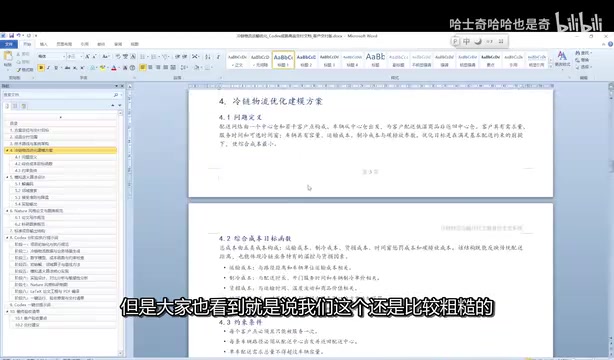
Building a Cold Chain Logistics Optimization Research Project with Codex: A Complete Workflow from Scratch to PDF Paper
Learn how to use OpenAI Codex to build a complete cold chain logistics optimization research project from scratch, including simulated annealing implementation, experiments, figures, and LaTeX paper compilation.
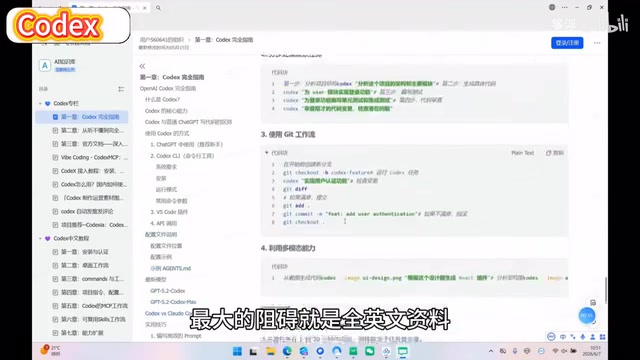
Codex Beginner's Practical Guide: Master Core AI Programming Skills in One Weekend
OpenAI Codex beginner's practical guide covering environment setup, code generation, bug fixing, and project refactoring. Includes efficient learning tips and Prompt techniques for fast AI programming mastery.

AI Agent Systematic Learning Path: From Zero to Independent Development
A systematic AI Agent learning path covering core principles, Prompt engineering, RAG, multi-Agent collaboration, and hands-on projects for beginners.