Apple's WWDC Demo Style Shift: How Real-Device Demonstrations Are Rebuilding User Trust
Apple's WWDC pivot to real-device demos signals a broader industry shift from AI hype to honest delivery.
After WWDC 2024's trust crisis over questionable Siri AI demos, Apple shifted to verifiable real-device demonstrations this year. This strategic adjustment addresses the industry-wide problem of fake AI demos, sends clear signals about feature readiness, and reflects a broader maturation in tech—where competition is moving from grand visions to actual delivery.
Learning from WWDC 2024's Lessons
Apple has long been known for its meticulously crafted product demos, but WWDC 2024 left behind a notable trust crisis. At the time, Apple showcased the AI capabilities of the new Siri, but the demo's authenticity was widely questioned afterward—many features didn't live up to what was shown when actually released, and some were delayed by months before going live. This created unprecedented skepticism among developers and users toward Apple's demonstrations.
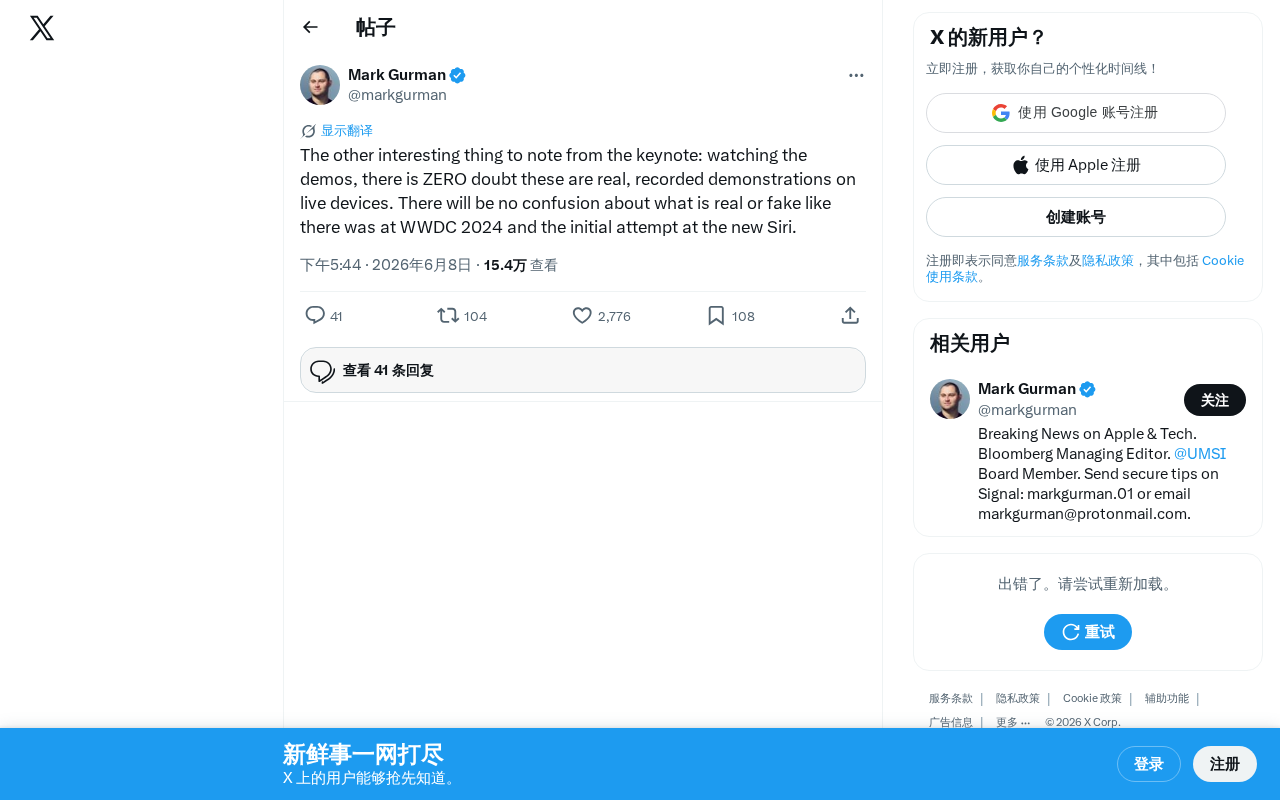
Tech commentators noted on social media that this year's keynote featured a significant change: the demos were unquestionably live recordings on real devices, leaving no room for confusion about whether they were "real or fake." This observation may seem simple, but it reflects an important strategic adjustment on Apple's part.
Why Real Demos Matter So Much in the AI Era
Fake AI Demos Have Become an Industry-Wide Problem
In the current AI wave, "demo fakery" has become an endemic industry problem. From Google Gemini's edited demo videos to the carefully choreographed "live" presentations at various AI product launches, users and media maintain high vigilance about the authenticity of tech company demonstrations. Apple's showcase of the new Siri at WWDC 2024 landed squarely in this minefield—the demonstrated features were overly idealized, with a clear gap from the actual experience.
Apple's Course Correction and Signal Sending
This year, Apple chose a more pragmatic path. By conducting verifiable demonstrations on real devices, Apple sent several key signals:
- Features are ready: No longer concept showcases or future promises, but actual functionality that currently works
- What you see is what you get: Users will have an experience consistent with the demo after purchasing the device
- Rebuilding developer confidence: For developers who depend on Apple's platform, real demos mean reliability of APIs and features
Implications for the Tech Industry's Demo Culture
Demo-Driven Culture Is Being Reexamined
The tech industry has long maintained a "demo-driven" culture—product launches often showcase performance under ideal conditions, or even features that haven't been completed yet. This approach was perhaps acceptable in the traditional software era, since features would eventually be delivered. But in the AI space, due to the inherent uncertainty of the technology, the risks of over-promising are dramatically amplified.
Apple's shift may push the entire industry to reexamine its demo standards. When a company worth trillions of dollars begins emphasizing demo authenticity, that alone is a powerful industry signal.
Competition Shifts from Selling Visions to Actual Delivery
This change also reflects how AI product competition is shifting from "who has the grander vision" to "who can actually deliver." After more than two years of AI hype, users and markets have developed immunity to flashy demos. What truly impresses people now are features that are immediately usable, stable, and reliable.
Takeaway
Apple's subtle adjustment in demo strategy appears on the surface to be merely a change in how technology is presented, but at a deeper level it reflects the maturation process the entire AI industry is undergoing. When "authenticity" itself becomes a highlight worth specifically calling out, it's both a reflection on past industry chaos and a sign that a new phase focused on actual delivery is arriving. For consumers, this is undoubtedly a positive signal—tech companies are learning to present their products more honestly.
Related articles
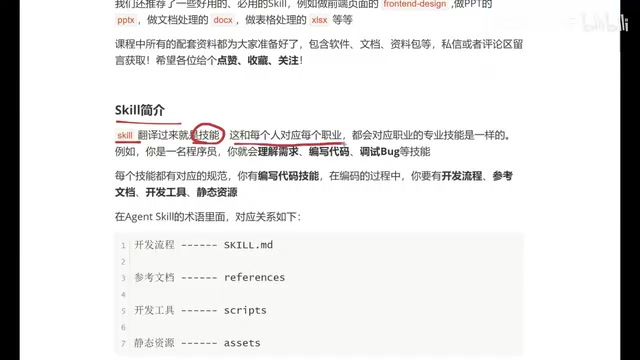
Beginner's Guide to Agent Skills: Structure Breakdown & Custom AI Skill Development
A deep dive into Agent Skill's core concepts and internal structure, covering skill.md, references, scripts, and assets with a restaurant poster Skill example.
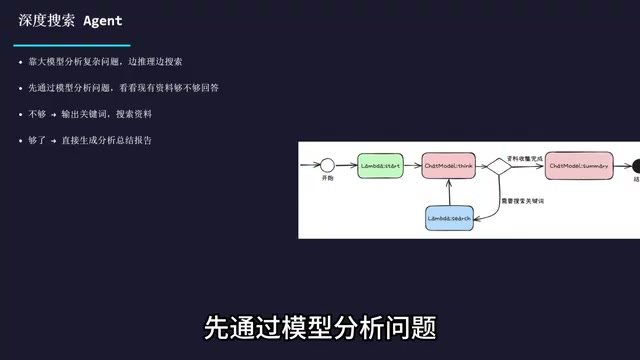
Complete Guide to Commercial AI Agent Development: From Requirements Analysis to Production Deployment
Complete guide to commercial AI agent development from scratch, covering requirements analysis, architecture design (ReAct framework, deep search, intent recognition), hands-on Coze platform implementation, workflow creation, and production deployment.
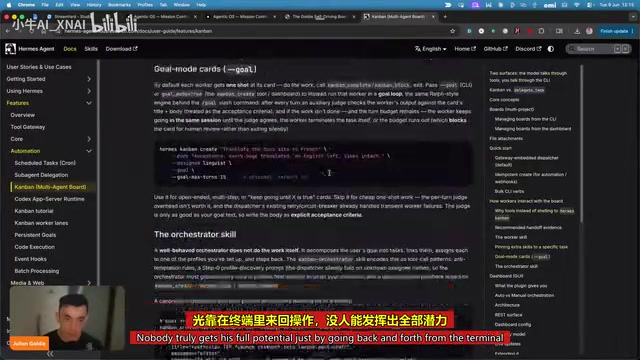
Hermes AI Kanban: A Five-Layer Autonomous Architecture for Fully Automated Delivery from Idea to Finished Product
Deep dive into Hermes Kanban 2.0's five-layer autonomous architecture covering intelligent planning, human approval gates, multi-agent execution, and Obsidian integration for fully automated delivery.