One Month Until CAICP Certification: A Zero-to-Hero Python Sprint Guide
One Month Until CAICP Certification: A…
A one-month sprint guide for the CAICP AI certification exam focusing on Python and algorithms.
The first round of the CAICP (China AI Professional Capability) certification exam is one month away, covering AI fundamentals, Python programming, data structures, and algorithmic thinking. This article provides a four-week sprint plan for candidates with C++ backgrounds but no Python experience, introduces training options (1,980 RMB individual, 1,680 RMB group), and advises candidates to rationally assess the certification's value as China's AI certification ecosystem is still maturing.
CAICP Certification Exam Overview
The first round of the CAICP (China Artificial Intelligence Professional Capability) certification exam is now just one month away, and many candidates are feeling anxious — especially those with a C++ background who have never touched Python. As a professional certification in the AI field, CAICP is attracting increasing attention from practitioners and students alike.

According to exam prep information shared by a Bilibili content creator, a live stream session on May 25th at 7 PM will feature Teacher Sun breaking down real CAICP exam questions, focusing on must-know Python topics and short-term breakthrough strategies.
Core Exam Content and Preparation Strategy
Python Is a Key Focus of CAICP Certification
Based on the exam syllabus, the first round of CAICP certification primarily covers the following core modules:
- AI Fundamentals: Basic concepts of artificial intelligence, its development history, and major technical approaches
- Python Programming: As the dominant programming language in AI, Python is a mandatory exam topic
- Data Structures: Understanding and application of fundamental data structures
- Algorithmic Thinking: Basic ability in algorithm design and analysis
Python's status as a mandatory CAICP topic is inseparable from its absolute dominance in the AI field. Since the deep learning wave began in the 2010s, virtually all mainstream AI frameworks — TensorFlow, PyTorch, scikit-learn, and others — have adopted Python as their primary interface language. Python's dynamic typing and concise syntax significantly lower the barrier for algorithm prototyping, while scientific computing libraries like NumPy and Pandas form a powerful data processing ecosystem. Interactive development environments like Jupyter Notebook are particularly well-suited for data exploration and model experimentation. According to annual surveys from Stack Overflow and GitHub, Python has consistently ranked first in AI/ML usage for multiple consecutive years.
For candidates with a C++ background, Python's syntax is relatively more concise, and the learning curve isn't steep. The key is mastering Python-specific data types (such as lists, dictionaries, and tuples), list comprehensions, and basic usage of common libraries. However, C++ and Python have fundamentally different design philosophies: C++ emphasizes low-level control, manual memory management, and compile-time type checking, while Python uses automatic garbage collection, dynamic typing, and interpreted execution. For C++ programmers, the key differences to adapt to include: Python uses indentation rather than curly braces to define code blocks — formatting itself is part of the syntax; Python's lists are far more flexible than C++ arrays, supporting mixed-type storage and slicing operations; dictionaries (dict) are an extremely frequently used hash table implementation in Python, similar to C++'s std::unordered_map but with more concise syntax. Additionally, Python's List Comprehension is a unique syntactic sugar that compresses traditional loop + condition + append operations into a single line of code — a high-frequency topic on the CAICP exam. The good news is that C++ programmers already possess solid logical thinking and algorithmic foundations; transitioning to Python is primarily a matter of syntax adaptation rather than a fundamental shift in thinking.

One-Month Python Sprint Strategy
Based on information from the live course, zero-foundation candidates can plan their one-month sprint as follows:
- Week 1: Python Syntax Speed Run — Focus on variables, loops, functions, and classes
- Week 2: Core Data Structure Concepts — Basic operations on linked lists, stacks, queues, and trees
- Week 3: Algorithmic Thinking Training — Classic algorithms including sorting, searching, and recursion
- Week 4: Mock Exams and Gap-Filling — Targeted breakthroughs on weak areas
The core philosophy of this four-week plan is "syntax first, application second" — solidify the foundation in the first two weeks, then focus on practice problems to boost scores in the last two weeks.
Why Data Structures and Algorithms Are Mandatory for AI Certification
CAICP's inclusion of data structures and algorithmic thinking in the syllabus reflects the AI industry's emphasis on practitioners' foundational skills. In real-world AI engineering, the choice of data structures directly impacts the efficiency of model training and inference: for example, the core of decision tree algorithms is the construction and traversal of tree structures; Graph Neural Networks (GNNs) rely on adjacency representations of graph data structures; BFS (Breadth-First Search) and DFS (Depth-First Search) in search algorithms form the basis for understanding state space exploration in reinforcement learning. Time complexity analysis of sorting algorithms — such as the difference between O(n log n) and O(n²) — is a prerequisite for understanding computational complexity in machine learning. When training data scales from tens of thousands to hundreds of millions, differences in algorithm efficiency are dramatically amplified. Recursive thinking is furthermore the intellectual foundation for understanding divide-and-conquer strategies, dynamic programming, and even backpropagation in neural networks. Therefore, CAICP tests these topics not to pose competitive programming challenges, but to ensure AI practitioners have the fundamental ability to analyze and optimize computational processes.
CAICP Preparation Resources and Training Options
Blended Online-Offline Training Model
Currently available CAICP training courses adopt a blended online-offline approach, with in-person classes offered in Beijing and live online sessions available nationwide.

The pre-exam sprint class is scheduled to begin on June 1st, closely aligned with the exam syllabus and focused on a "short-duration, high-efficiency" preparation strategy. Course content covers all four major modules: AI fundamentals, Python programming, data structures, and algorithmic thinking.
Training Fees and Registration Information

Regarding training fees:
- Individual registration: 1,980 RMB
- Group of three: 1,680 RMB per person
For budget-conscious candidates, group registration saves 300 RMB per person.
A Rational Perspective on CAICP Certification Value
It's worth noting that the value of any certification ultimately depends on industry recognition and the actual skill improvement it delivers. As one of several AI certifications in China, CAICP's credibility still needs time to be validated.
From an industry perspective, CAICP is not the only AI-related certification in China. The domestic AI certification landscape is quite diverse: the Ministry of Industry and Information Technology has launched an AI professional talent knowledge renewal program; the Chinese Institute of Electronics offers AI programming tracks within its youth-level examinations; and there are various enterprise-level certifications such as Huawei HCIA-AI and Baidu AI Engineer Certification. Internationally, there are Google's TensorFlow Developer Certificate, AWS Machine Learning Specialty, and others. CAICP positions itself as a comprehensive professional capability certification covering the complete knowledge chain from basic programming to AI theory. Notably, the AI certification market is still in a rapid development phase and has not yet established industry-recognized standards comparable to Cisco's CCNA in IT or AWS SAA in cloud computing. Therefore, before investing time and money, candidates are advised to research the certifying body's background, actual recognition by industry employers, and career development feedback from previous certificate holders.
For candidates, the preparation process itself is an excellent opportunity to systematically learn AI fundamentals. Regardless of whether you ultimately pass the exam, solid mastery of Python programming and algorithmic thinking are essential skills for any AI practitioner.
Candidates are advised to first take full advantage of free live courses and publicly available materials to assess their current level before deciding whether paid training is necessary. While one month is tight, for candidates with existing programming experience, passing the first round of CAICP through systematic review is entirely achievable.
Key Takeaways
- The first round of CAICP certification is one month away, with core topics including AI fundamentals, Python, data structures, and algorithmic thinking
- Candidates with C++ experience but zero Python background can achieve sprint preparation through a systematic four-week plan, focusing on adapting to Python's dynamic typing and concise syntax
- Data structures and algorithms are foundational to AI engineering practice; their inclusion in the syllabus ensures practitioners possess computational thinking abilities
- Training courses use a blended online-offline model: 1,980 RMB for individuals, 1,680 RMB per person for groups of three
- China's AI certification ecosystem is still developing; CAICP's industry recognition needs time to be established, but the learning value of the preparation process itself should not be overlooked
Related articles
 Tutorials
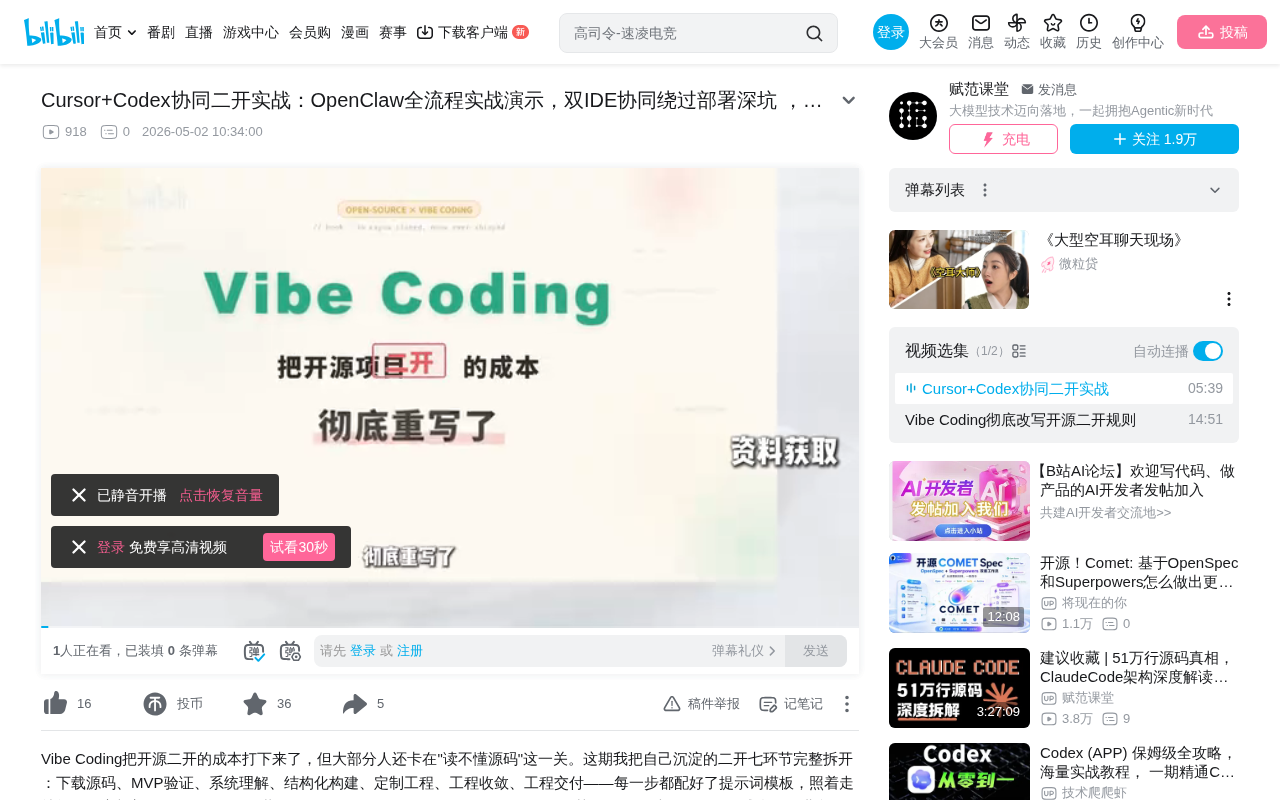
Cursor + Codex Dual-IDE Collaboration: A Practical Methodology for Open-Source Project Customization
A complete methodology for open-source project customization based on real-world experience, detailing the Cursor+Codex dual-IDE workflow, seven-stage process, MVP validation, and AI source code reading techniques.
 Tutorials
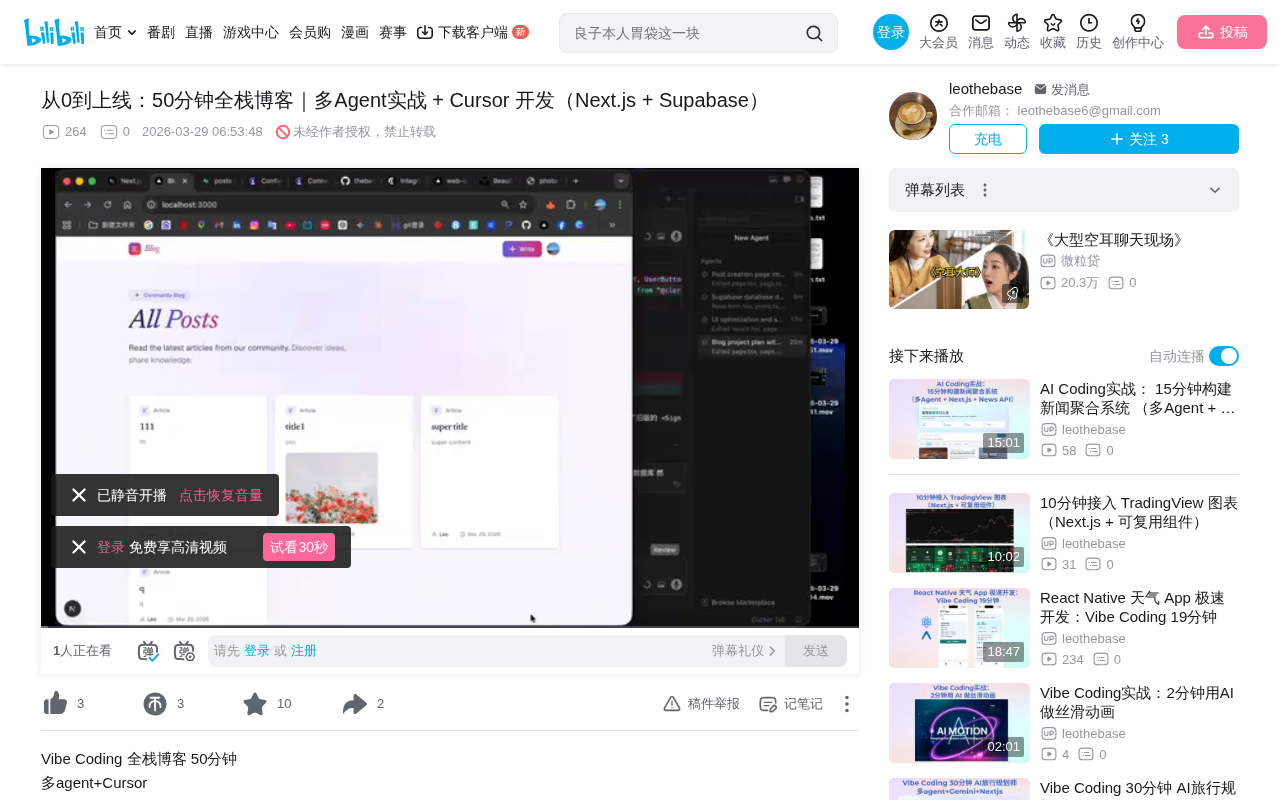
Cursor Multi-Agent in Practice: Building a Full-Stack Next.js Blog in 50 Minutes
Build a full-stack blog in 50 minutes using Cursor IDE's multi-Agent mode with Next.js, Clerk auth, and Supabase. Learn the 4-phase AI Agent workflow and key integration pitfalls.
 Tutorials
Building an AI Software Factory from Scratch: A Cursor Engineer's Hands-On Experience with Multi-Agent Collaboration
Cursor engineer Eric shares practical insights on building an AI software factory: automation levels, guardrail design, parallel Agent management, and scaling to 1000+ Agents for 24/7 development.