Codex AI Coding Agent Explained: What's the Real Difference from ChatGPT?
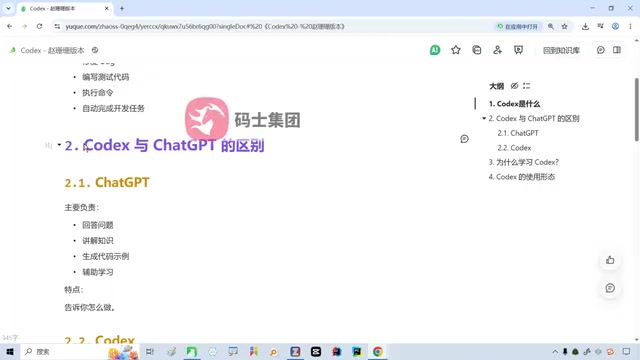
Codex is an AI coding agent that does the work, while ChatGPT just tells you how.
OpenAI's Codex is an AI coding agent that goes beyond chat-based code generation. Unlike ChatGPT, which acts as a knowledge advisor, Codex autonomously reads project code, writes features, fixes bugs, and runs tests. This article explores the fundamental differences between the two and why mastering AI coding agents is essential for developers as the industry shifts toward AI-directed development.
What Is Codex? It's Not Just Chat — It Gets Work Done
Codex is an AI coding agent developed by OpenAI. The key word here is "agent" — it doesn't just chat with you or generate a snippet of code for you to copy and paste. Instead, it can autonomously complete programming-related tasks for developers.
Specifically, here's what Codex can do:
- Generate code: Automatically write functional code based on requirements
- Read and understand code: Analyze the logic of existing project codebases
- Fix bugs: Locate issues and autonomously apply fixes
- Run tests: Automatically execute test cases to verify code correctness
- Execute commands and scripts: Handle various operational tasks in the development environment
If all you need is AI to generate a code snippet that you then copy and paste into your IDE, tools like Doubao, DeepSeek, or ChatGPT will do the job just fine. But Codex is positioned entirely differently — it's a coding assistant that rolls up its sleeves and does the work, not just an advisor who tells you what to do.
Codex vs ChatGPT: The Fundamental Difference Between Talking and Doing
Many people are confused the first time they see Codex: "Isn't this just ChatGPT?" After all, Codex relies on the same underlying large language model as ChatGPT. But the two have fundamentally different positioning and capability boundaries.
ChatGPT: Like a Teacher
ChatGPT's core interaction model is conversational Q&A. You can ask it: "How do I implement a login feature in Spring Boot?" It will explain the principles in detail, generate sample code, and even help you outline a technical approach. But ultimately, you need to Ctrl+C, Ctrl+V the code into your development tool yourself, debug it yourself, and get it running yourself.
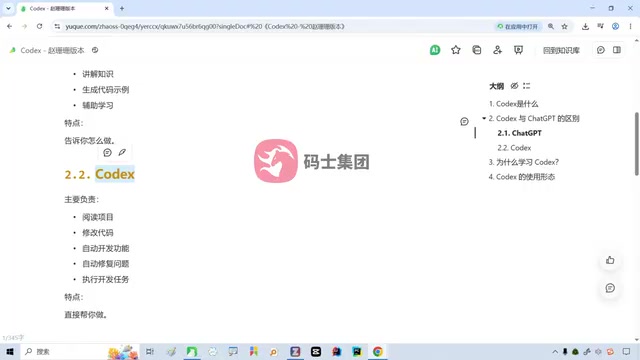
ChatGPT excels at: answering questions, explaining concepts, generating code snippets, and assisting with learning. It's an excellent knowledge advisor.
Codex: Like a Fellow Developer on Your Team
Codex's interaction model is completely different. You tell it: "Build this login feature for me." Then it reads through the project code on its own, understands the project structure, autonomously modifies and generates code, tests it, debugs it, and once everything is working, tells you: "It's done."
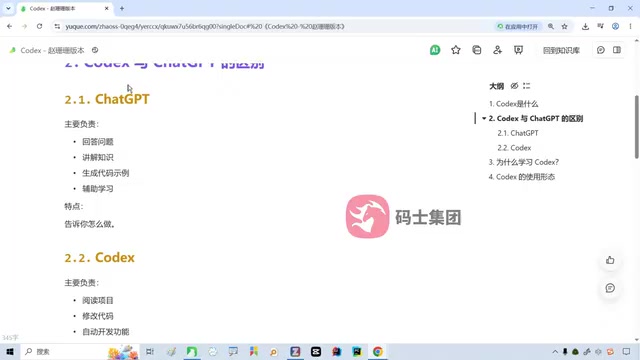
Here's the difference summed up in one line:
ChatGPT does the talking; Codex does the doing.
This analogy is spot-on. ChatGPT is the teacher who tells you how to do it; Codex is the colleague who does it for you. They share common underlying technology, but their product forms and use cases are entirely different.
Why Developers Must Learn to Use Codex
The Development Model Is Undergoing a Fundamental Shift
The way software development works is going through a profound transformation. In the past, programmers wrote code "purely by hand" — every single line had to be written personally. Now, the development workflow is evolving into:
- The developer defines the requirements
- The AI coding agent handles most of the code writing
- The developer reviews and optimizes the output
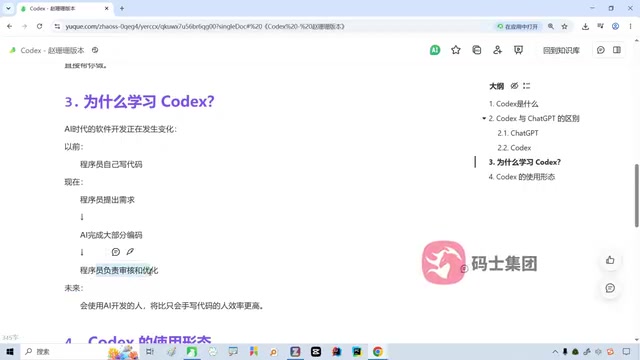
This doesn't mean programmers will be replaced. Quite the opposite — if you know nothing about programming, you simply can't review whether AI-generated code is correct, nor can you optimize it effectively. Programming fundamentals remain a core competitive advantage; it's just that the way they're applied is changing.
The Most Valuable Skill of the Future: Communicating Requirements to AI
Here's a thought-provoking insight: in the future, what truly matters isn't who can type code the fastest or write the most lines per day, but rather who is best at communicating requirements to AI.
People who know how to use AI coding tools will be vastly more productive than those who write everything by hand. This applies not only to Codex but also to similar tools like Claude Code and Cursor. Mastering these AI coding agents is essentially mastering a new class of productivity tools.
The development paradigm has shifted from "writing code yourself" to "directing AI to write code." In this transition, developers who adapt to the new paradigm sooner will have a significant edge in their careers.
Summary: The Core Value of Codex
Codex represents a major leap for AI coding tools — from "assisted generation" to "autonomous execution." It's no longer just a code generator; it's a coding agent that can understand project context and independently complete development tasks.
For developers, learning and mastering Codex and similar AI coding tools isn't optional — it's a required course for staying competitive. The center of gravity for core skills is shifting from "code execution" to "requirement articulation + quality control," and Codex is one of the most important tools in this transformation.
Related articles

Databricks Open-Sources Omni: A Meta-Framework for Unified Management of All AI Agents
Databricks open-sources Omni under Apache 2.0 — a meta-framework unifying Claude Code, Codex & more AI Agents with shared sessions, cross-vendor review & enforced security policies.
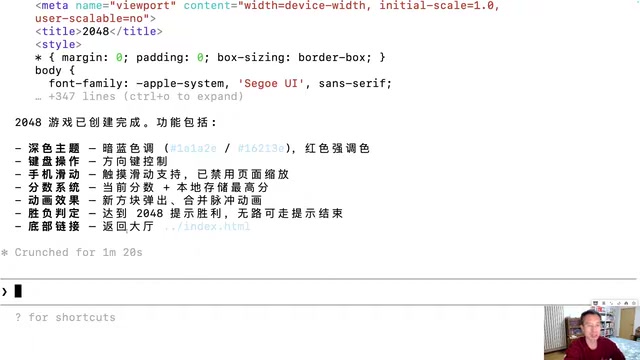
Generating 10 Web Games with One-Line Prompts: A Hands-On Claude Code Experience
A senior developer uses Claude Code to generate 10 playable web games including 2048, Gomoku, and Tetris with one-line prompts in under an hour. A deep dive into AI programming's real capabilities.
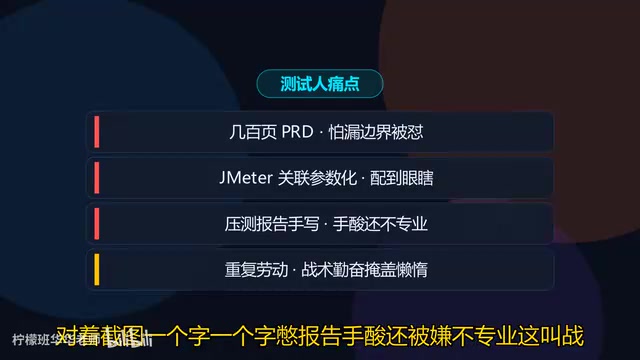
Five Essential Cursor Skills Every QA Engineer Needs: A Complete Breakdown
A detailed guide to five essential Cursor Skills for QA engineers: PRD analysis, test case generation, JMeter scripting, load test reports, and web automation.