Complete AI Comic Drama Production Workflow: A Systematic Methodology from Script to Final Cut
Mastering underlying methodology, not memorizing steps, is the key to successful AI comic drama production.
AI comic drama tutorials quickly become outdated due to rapid platform iteration. The complete workflow includes three stages: scriptwriting with LLMs, image generation on AI platforms, and post-production editing. Core techniques involve prompt precision, parameter tuning, and character consistency control. Rather than chasing platform updates, creators should build transferable systematic methodologies and workflows.
Why Your AI Comic Dramas Keep Failing
Many people have experienced similar frustrations when learning AI comic drama production: they follow tutorials step by step, only to find that the software interface looks completely different from the video, or that using the same parameters produces wildly different results. The first reaction is usually to suspect operator error or blame the tutorial.
But the real reason is neither of these. AI creation platforms like Jimeng (即梦) evolve far faster than most people can learn, and faster than most educational content can be updated. Page layouts, feature locations, and even the core generation models iterate almost every quarter or even every month. This means tutorials recorded just a few months ago may already depict an entirely different environment from what you see today—copying them verbatim simply won't work.
This rapid iteration isn't an isolated case; it's the norm across the entire generative AI industry. In 2023-2024 alone, the image generation field underwent architectural leaps from Stable Diffusion 1.5 to SDXL to SD3, while video generation rapidly evolved from Runway Gen-2 to Sora, Kling, Jimeng, and other next-generation products. Competition in the Chinese market is particularly fierce—tech giants like ByteDance (Jimeng), Kuaishou (Kling), Baidu (Wenxin Yige), and Alibaba (Tongyi Wanxiang) are all intensively updating their products, with platforms averaging a feature update or model upgrade every 2-4 weeks and UI overhauls typically occurring every 1-3 months. This explains why the traditional "screen recording tutorial" model is increasingly inadequate for AI tool education.
The Complete AI Comic Drama Production Workflow
A complete AI comic drama production process can be roughly divided into the following core stages:
Step 1: Writing the Story Script with LLMs
Great comic dramas start with great stories. Using LLMs like ChatGPT, Claude, or Alibaba's Tongyi Qianwen, you can quickly generate well-structured story scripts. The key is giving the AI sufficiently clear instructions—including story genre, target audience, pacing, and character design. Script quality directly determines the direction and efficiency of subsequent image generation.
These LLMs are trained on Transformer architectures, learning language patterns and knowledge from massive text datasets. ChatGPT is based on the GPT series architecture, Claude is trained using Anthropic's Constitutional AI methodology, and Tongyi Qianwen is developed by Alibaba's DAMO Academy. In the comic drama scriptwriting scenario, the core value of these models lies in their "contextual understanding" and "structured output" capabilities—they can generate narratively logical content based on user-provided frameworks (such as three-act structure or the classic setup-development-twist-conclusion format). Good prompts should include elements like character arcs, conflict setup, and emotional pacing, rather than simply saying "write me a story."
Step 2: AI Image and Video Generation
This is the most critical and failure-prone stage of the entire workflow. When using AI creation platforms like Jimeng, core techniques include:
- Prompt precision: More isn't always better—focus on capturing the key elements of the desired image
- Parameter tuning: Different styles require different parameter combinations; one-size-fits-all doesn't work
- Character consistency control: Comic dramas require characters to maintain consistent appearances across different scenes, which requires specific techniques to achieve
From a technical perspective, current mainstream AI image generation is based on Diffusion Models, which work by first adding noise to images until they become completely random, then learning the reverse denoising process to generate new images. Prompts matter because the model uses text-image alignment models like CLIP to map text descriptions into Latent Space—the precision of your text directly affects the model's "navigation" direction in this high-dimensional space. Parameters like CFG Scale (Classifier-Free Guidance scale) control how faithfully the output follows the prompt, sampling steps affect detail precision, and different samplers (such as Euler, DPM++) influence generation style and speed.
Among these challenges, character consistency is widely recognized as one of the biggest technical difficulties in AI comic drama production. Since each generation by a diffusion model is essentially an independent random process, even using identical prompts can produce characters with noticeably different appearances. Current mainstream solutions in the industry include: IP-Adapter (injecting character features through reference images), LoRA fine-tuning (training lightweight models with a small number of character images), and platform-built-in character locking features. Platforms like Jimeng typically offer "character reference" or "style reference" functions, which essentially inject additional visual conditional constraints during the generation process, maintaining core visual character features while preserving creative diversity.
Rather than leaving generation results to chance, it's better to master a systematic methodology that makes each generation as predictable as possible.
Step 3: Post-Production Editing
Finally, you need editing software (such as CapCut, Premiere, etc.) to combine the generated assets into a complete work, including adding voiceover, sound effects, subtitles, and transitions. This step determines the polish and viewing experience of the final product.
Post-production editing for AI comic dramas differs significantly from traditional video editing. Since AI-generated assets often have issues like inter-frame inconsistency and unnatural motion, editors need to "hide" these imperfections through precise cut point selection, transition masking, and rhythm control. CapCut (剪映) has become the preferred tool for Chinese AI comic drama creators due to its built-in AI features (such as smart subtitles and AI voiceover), and it forms a good workflow loop with ByteDance's Jimeng platform. Additionally, the contribution of audio design (including AI voiceover, sound effects, and background music) to the viewing experience is often underestimated in AI comic dramas—good sound design can effectively compensate for shortcomings in image generation quality and enhance the overall professional feel of the work.
Choosing a Stable Platform Matters More Than Blindly Chasing Updates
A highly valuable perspective is this: rather than constantly chasing feature updates across various platforms, it's better to find a stable, sustainable learning platform and go deep.
After comparing various domestic and international AI video and illustration platforms, a core conclusion emerges: mastering underlying logic and methodology is more important than memorizing where a specific button is located. Platforms will change, but creative thinking and core techniques are transferable. It's like learning photography—regardless of how camera brands change, composition principles, understanding of light and shadow, and narrative ability remain constant foundational skills. Similarly, understanding how diffusion models work, mastering the semantic structure of prompts, and developing intuition for visual storytelling—these capabilities transfer seamlessly to any new platform.
Practical Advice for Beginners Learning AI Comic Drama
For newcomers just getting started with AI comic drama production, here are several recommendations worth considering:
- Understand the full picture first: Don't rush into hands-on work—first understand the complete pipeline from script to final cut
- Prioritize methodology over tools: Tools will iterate, but prompt engineering, composition thinking, and narrative pacing are long-term assets
- Start small and iterate fast: Begin with 30-second shorts for practice rather than jumping straight into 10-minute epics
- Build an asset library: Record successful prompts and parameter combinations to form your own "recipe book"
Point four deserves further elaboration: a structured asset library should include records across several dimensions—successful prompt templates (categorized by style), corresponding parameter settings (including model version, CFG value, sampler type, etc.), screenshot references of generation results, and post-mortem notes on failed attempts. As you accumulate practice, this asset library becomes your most valuable creative asset—it's essentially your personal knowledge base of AI generation patterns.
Conclusion
AI comic drama production has evolved from a tech geek's toy into a tool that ordinary creators can wield. The key isn't which software you use, but whether you've mastered a systematic creative methodology. From scriptwriting to image generation to post-production editing, every stage has learnable, replicable techniques. Rather than exhausting yourself jumping between various tutorials, it's better to settle down and build your own workflow system.
Key Takeaways
- AI creation platforms iterate extremely fast; copying old tutorials leads to failure—master underlying methodology rather than memorizing specific operational steps
- The complete AI comic drama production workflow includes: LLM scriptwriting → AI platform image generation → editing software post-production
- Going deep on a stable, sustainable learning platform is more effective than passively chasing updates across platforms
- Prompt precision, parameter tuning, and character consistency control are the three core techniques for AI image generation
- Beginners should first understand the full workflow, prioritize methodology over tools, and accumulate experience through small projects
Related articles
 Tutorials
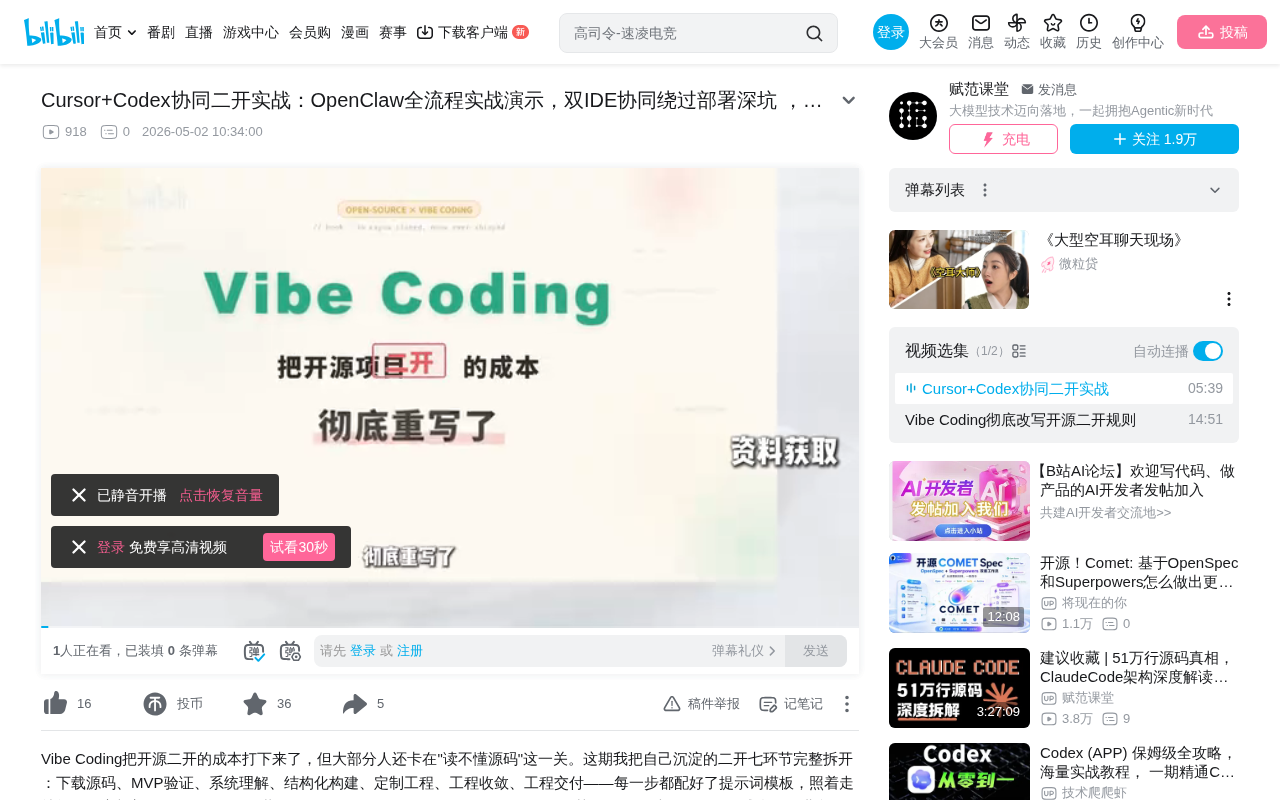
Cursor + Codex Dual-IDE Collaboration: A Practical Methodology for Open-Source Project Customization
A complete methodology for open-source project customization based on real-world experience, detailing the Cursor+Codex dual-IDE workflow, seven-stage process, MVP validation, and AI source code reading techniques.
 Tutorials
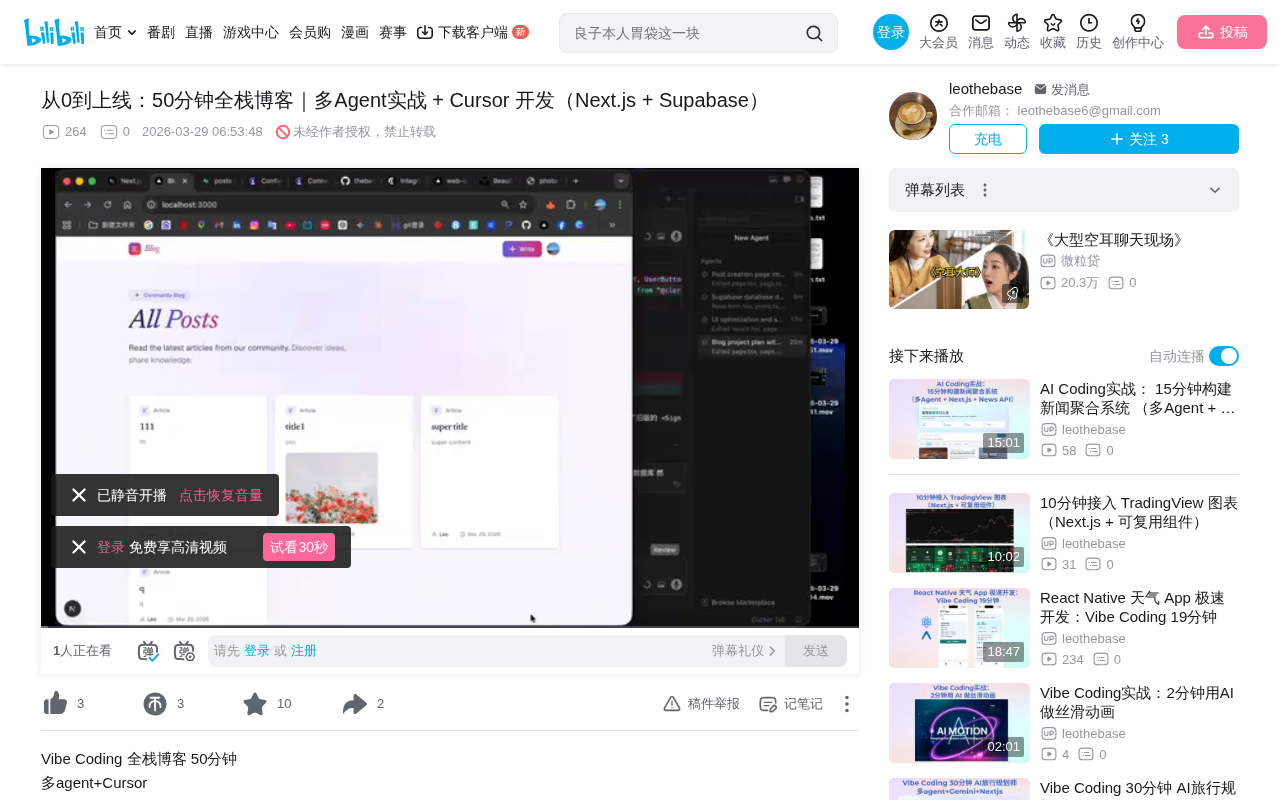
Cursor Multi-Agent in Practice: Building a Full-Stack Next.js Blog in 50 Minutes
Build a full-stack blog in 50 minutes using Cursor IDE's multi-Agent mode with Next.js, Clerk auth, and Supabase. Learn the 4-phase AI Agent workflow and key integration pitfalls.
 Tutorials
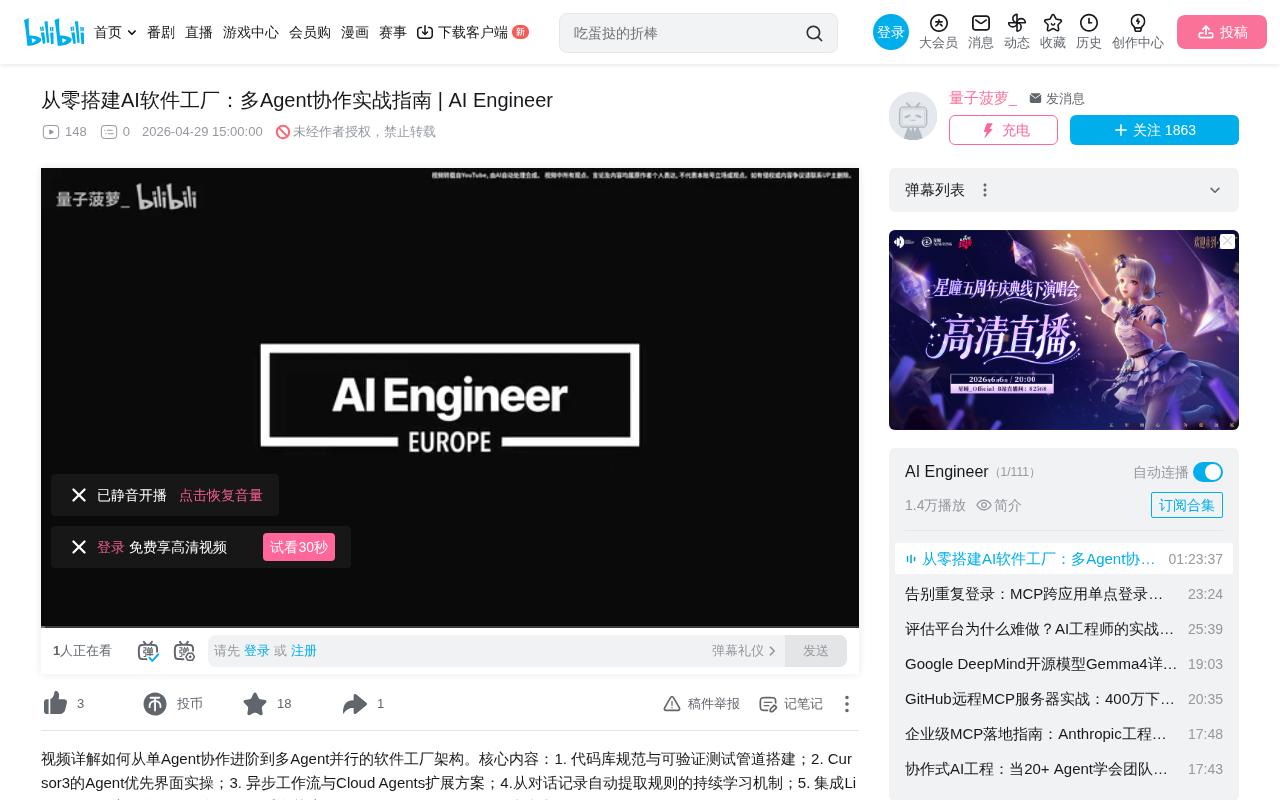
Building an AI Software Factory from Scratch: A Cursor Engineer's Hands-On Experience with Multi-Agent Collaboration
Cursor engineer Eric shares practical insights on building an AI software factory: automation levels, guardrail design, parallel Agent management, and scaling to 1000+ Agents for 24/7 development.