Firebase AI Logic Integrates Gemini Live API: A Practical Guide to Frontend-Direct Voice & Video AI
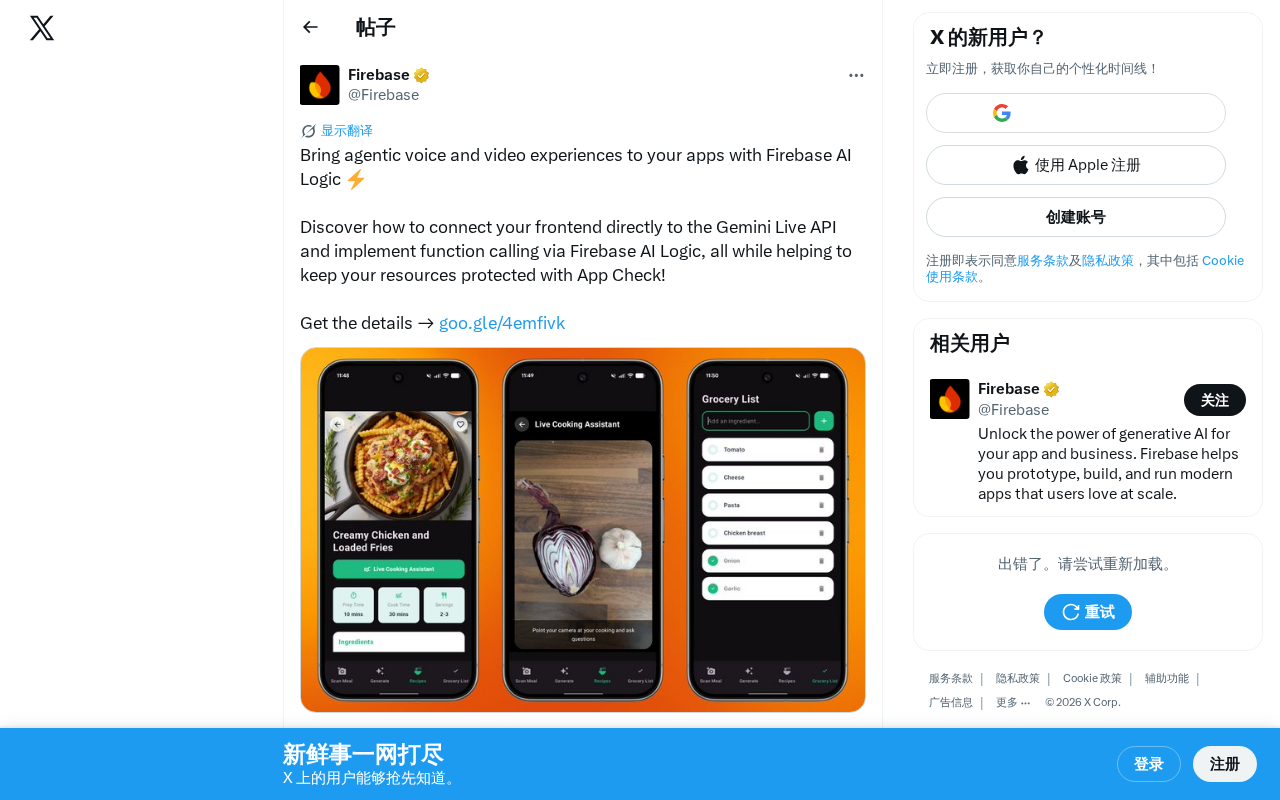
Firebase AI Logic enables frontend-direct access to Gemini Live API for real-time voice and video AI.
Google's Firebase AI Logic now integrates with Gemini Live API, allowing developers to build agentic voice and video AI experiences directly from frontend code. The solution combines real-time multimodal interaction, Function Calling for autonomous AI actions, and App Check for security—eliminating the need for custom backend proxies while lowering the development barrier for multimodal AI applications.
Overview
The Google Firebase team recently announced a major update: through Firebase AI Logic, developers can now integrate agentic voice and video experiences directly into their applications. Built on the Gemini Live API and combined with Firebase's security mechanism App Check, this solution provides a convenient and secure path for frontend applications to access multimodal AI capabilities.
Core Capabilities of Frontend-Direct Gemini Live API
What Is Gemini Live API?
Gemini Live API is Google's real-time multimodal interaction interface that supports real-time processing of voice and video streams. Unlike traditional text request-response patterns, the Live API allows applications to establish persistent bidirectional communication channels, enabling natural interaction experiences similar to human conversation.
The Role of Firebase AI Logic
Firebase AI Logic plays a critical middleware role in this architecture. It allows developers to connect directly to the Gemini Live API from frontend code without needing to build and maintain their own backend proxy servers. This brings several significant advantages:
- Reduced architectural complexity: Frontend applications can interact directly with AI models, reducing backend development and operational costs
- Real-time performance: Fewer intermediate layers mean lower latency, which is crucial for real-time scenarios like voice and video
- Unified development experience: Developers within the Firebase ecosystem can complete integration using familiar SDKs and toolchains
Deep Dive into Key Features
Function Calling: Giving AI the Ability to Execute
A major highlight of this update is the implementation of Function Calling through Firebase AI Logic. This means the AI model can not only understand user voice or video input but also invoke developer-predefined functions to perform specific operations based on its understanding.
For example, users can issue voice commands for the AI to query databases, control smart devices, or trigger business workflows. This agentic interaction pattern—where AI has autonomous action capabilities—elevates AI from passive response to active execution, dramatically expanding application scenarios.
App Check: Security for Frontend-Direct Connections
Firebase specifically emphasizes the role of App Check in this solution. Since a frontend-direct AI API architecture inherently faces greater security risks (such as API abuse and unauthorized access), App Check helps developers protect backend resources from malicious calls by verifying whether requests originate from legitimate application instances.
This design reflects Google's commitment to security while pushing AI capabilities to the frontend. Developers don't need to compromise between convenience and security.
Use Cases and Developer Value
Typical Application Scenarios
- Intelligent customer service: Users have real-time voice conversations with AI agents that can call backend systems to check orders or process refunds
- Video analysis applications: Real-time camera feed analysis combined with Function Calling to trigger alerts or log events
- Educational applications: AI tutors interact with students through voice and video, dynamically adjusting teaching content based on learning progress
- Accessibility assistance: Providing real-time environment descriptions and voice interaction capabilities for visually impaired users
Practical Implications for Developers
This update lowers the barrier to developing multimodal AI applications. Previously, implementing real-time voice and video AI interactions required developers to handle WebSocket connection management, audio/video encoding and decoding, secure API key storage, and a host of other complex issues. Firebase AI Logic encapsulates these underlying details, allowing developers to focus on business logic and user experience.
Summary
Firebase AI Logic's integration with the Gemini Live API marks another important step by Google in democratizing cutting-edge AI capabilities. Through the combination of frontend-direct connections, Function Calling, and App Check, developers can rapidly build secure, real-time, agentic multimodal AI applications. As Agentic AI becomes an industry trend, these out-of-the-box integration solutions will become essential productivity tools for developers.
Related articles
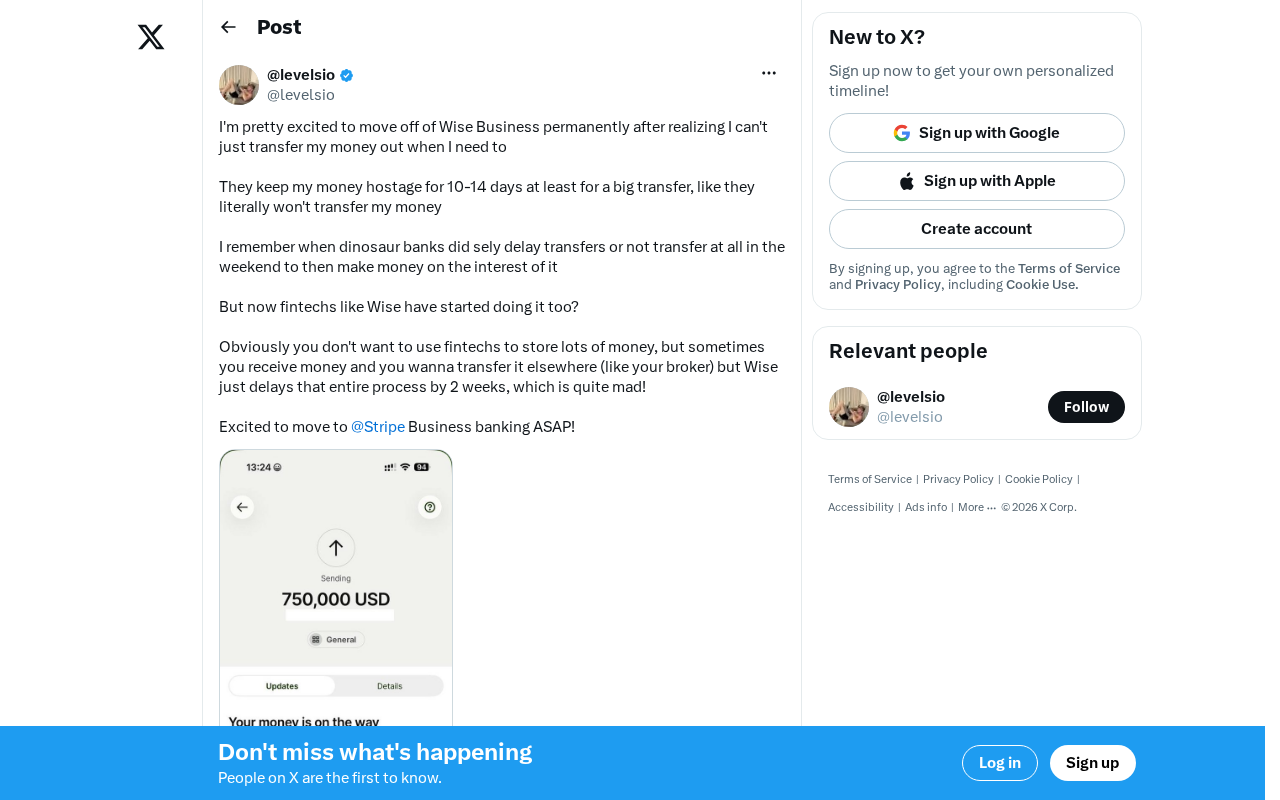
Wise Large Transfer Delayed Two Weeks: How Should Cross-Border Entrepreneurs Respond?
Wise Business users face 10-14 day delays on large transfers, sparking debate on whether fintech is repeating traditional banking mistakes. Analysis and practical tips for cross-border entrepreneurs.
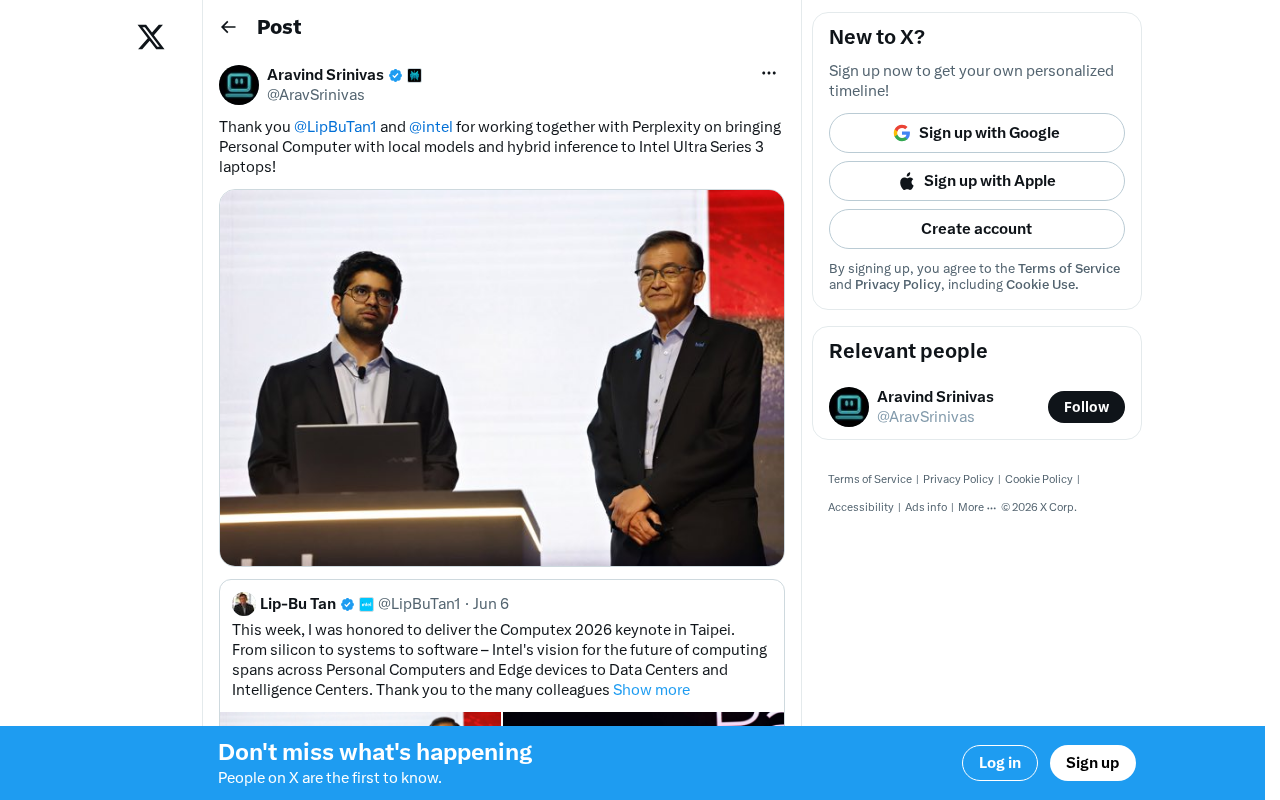
Perplexity Partners with Intel: Local AI Models and Hybrid Inference Come to Laptops
Perplexity partners with Intel to bring local AI models and hybrid inference to Core Ultra Series 3 laptops. We break down the architecture, NPU capabilities, and the cloud-to-edge AI trend.

AI Large Model Learning Roadmap Breakdown: Three Stages from Application Development to Model Fine-Tuning
Deep breakdown of a popular AI large model learning roadmap covering LangChain, RAG, Agent, and LoRA fine-tuning across three stages, with analysis of its strengths and limitations for career changers.