Gemini API Adds Per-Key Usage Filtering for Granular API Call Management

Google Gemini API adds per-API Key usage breakdown for granular call tracking
Google Gemini API has released an API Key usage breakdown feature, allowing developers to filter request statistics charts by different API Keys for multi-project management, precise cost attribution, and anomaly detection. This is the first iteration, with more fine-grained controls coming soon. The feature marks Google's continued effort to enhance Gemini API's operational management capabilities, aligning with industry standards.
Overview
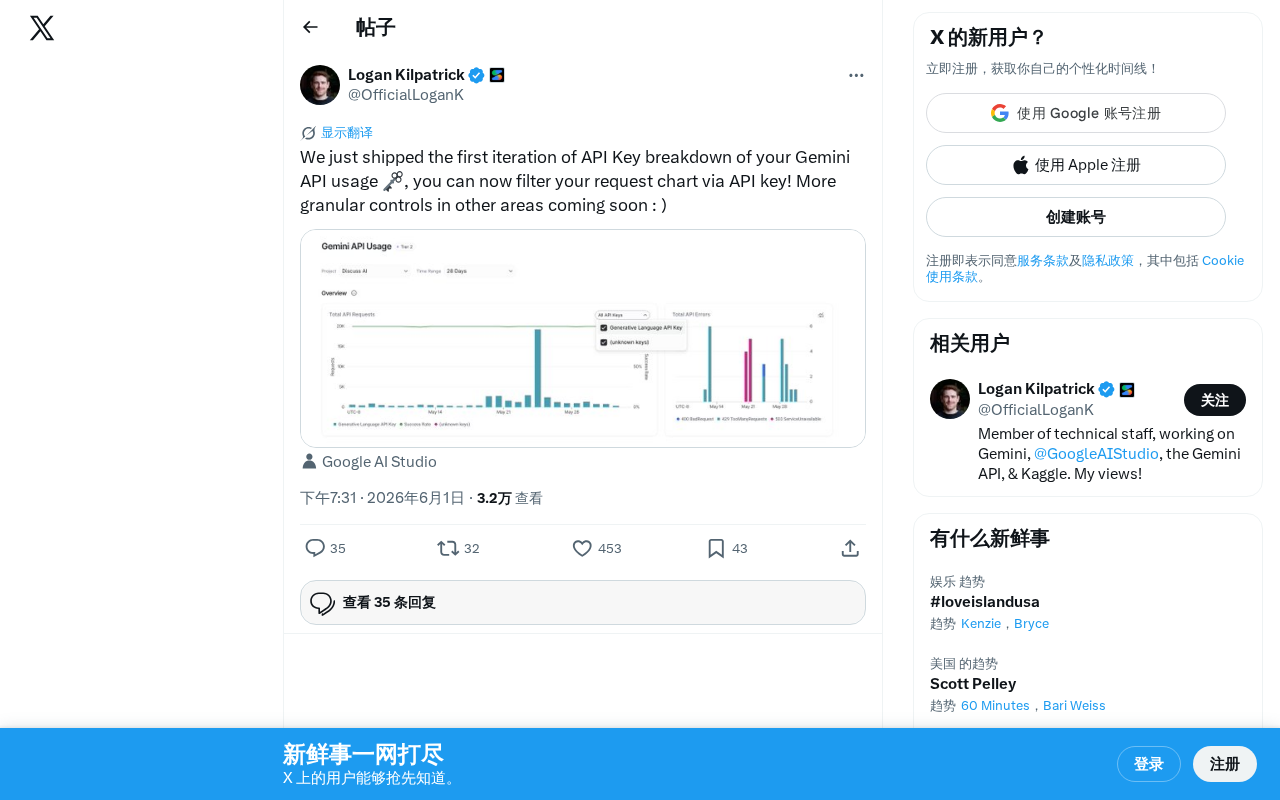
The Google Gemini API team recently released a practical new feature: API Key Breakdown. Developers can now filter request statistics charts by different API Keys, enabling more granular tracking and management of usage for each key.
Feature Details
Filtering Request Charts by Key
This is the first iteration of the feature, with the core capability allowing users to filter request charts by API Key dimension in the Gemini API usage dashboard.
API Keys are a fundamental mechanism used by cloud service providers for authentication and access control. Each key is essentially a unique string identifier that associates API requests with a specific developer account or project. In large-scale applications, developers typically create separate API Keys for different environments (development, testing, production), different microservices, or different team members to achieve permission isolation and usage tracking. However, many API platforms initially only provided account-level aggregate statistics, lacking per-key granular breakdowns—creating significant management blind spots in actual operations.
The specific benefits of this feature include:
- Clearer multi-project management: If you use different API Keys across multiple projects or applications, you can now view each key's call volume and trends individually
- More precise cost attribution: In team collaboration scenarios, different keys can be assigned to different members or services, making it easier to track respective resource consumption. This aligns with the FinOps (Financial Operations) philosophy—FinOps is a methodology that brings financial management practices to cloud computing and API consumption management, with the core principle of giving engineering teams visibility into and accountability for the cloud resource costs they consume. In LLM API scenarios, due to the per-token billing model, a poorly designed prompt or an accidental loop call can cause costs to spike. Per-key usage breakdown is one of the foundational infrastructure elements for implementing FinOps, enabling teams to establish cost budgets, set alert thresholds, and precisely identify the sources of cost growth during monthly reviews.
- More convenient anomaly detection: When a key shows abnormal call volume, you can quickly pinpoint the source of the problem
Future Plans
The official team stated that more fine-grained control features will be rolled out in other regions. This suggests we may see in the future:
- Usage breakdown by model version (e.g., Gemini Pro, Gemini Flash)
- More flexible filtering by time period
- Classification statistics by request type (text, multimodal, etc.)
- Possible usage alerts and quota management features
Industry Context: The Evolution of API Usage Observability
In the cloud services and API economy space, usage observability is an important indicator of platform maturity. Mature platforms like AWS, Azure, and Stripe all provide multi-dimensional usage analysis capabilities, including fine-grained breakdowns by key, endpoint, time window, and geographic region. OpenAI also gradually improved its Usage Dashboard in 2023, supporting token consumption views by organization member and project. The core value of such features lies in enabling FinOps—allowing technical teams to precisely attribute API costs to specific business units or service modules, thereby making data-driven optimization decisions.
Google Gemini API's release of key-level usage breakdown is precisely filling this capability gap and aligning with industry standards.
Significance for Developers
For developers building applications with the Gemini API, this update may seem simple but addresses a real pain point. As API call volumes grow, the lack of per-key usage visualization leads to difficult cost management and inefficient troubleshooting.
It's worth noting that Google Gemini API currently competes directly with OpenAI's GPT API and Anthropic's Claude API in the developer ecosystem. The Gemini series includes multiple model tiers: Gemini Ultra (strongest capabilities), Gemini Pro (balanced performance and cost), and Gemini Flash (low latency, high throughput), with developers accessing these models through Google AI Studio or the Google Cloud Vertex AI platform. As AI applications move from prototype to production, developer needs for API management tools have shifted from "can I use it" to "can I manage it well," including operational capabilities like cost control, usage monitoring, and quota management.
This also reflects Google's ongoing efforts to improve the Gemini API developer experience, gradually expanding from basic calling capabilities to operational and management-level tooling support. As Gemini's penetration in the developer ecosystem continues to grow, the refinement of such management features will become an important component of platform competitiveness.
Summary
The feature is now live, and developers using the Gemini API can experience it directly in the console. While it's a first iteration with relatively basic functionality, as a starting point for the usage management system, it's worth watching for future feature expansions. For teams evaluating different LLM API platforms, the maturity of management tools is becoming an increasingly important factor in selection decisions.
Key Takeaways
- Gemini API adds the ability to filter usage statistics charts by API Key
- Developers can track usage across different keys more granularly, facilitating cost attribution and anomaly detection
- This is the first iteration, with the official team indicating more fine-grained control features are coming soon
- The feature reflects Google's ongoing efforts to improve Gemini API's developer operations management tools
- Usage observability is a key indicator of API platform maturity, and Gemini is aligning with industry standards
Related articles
 Tech Frontiers
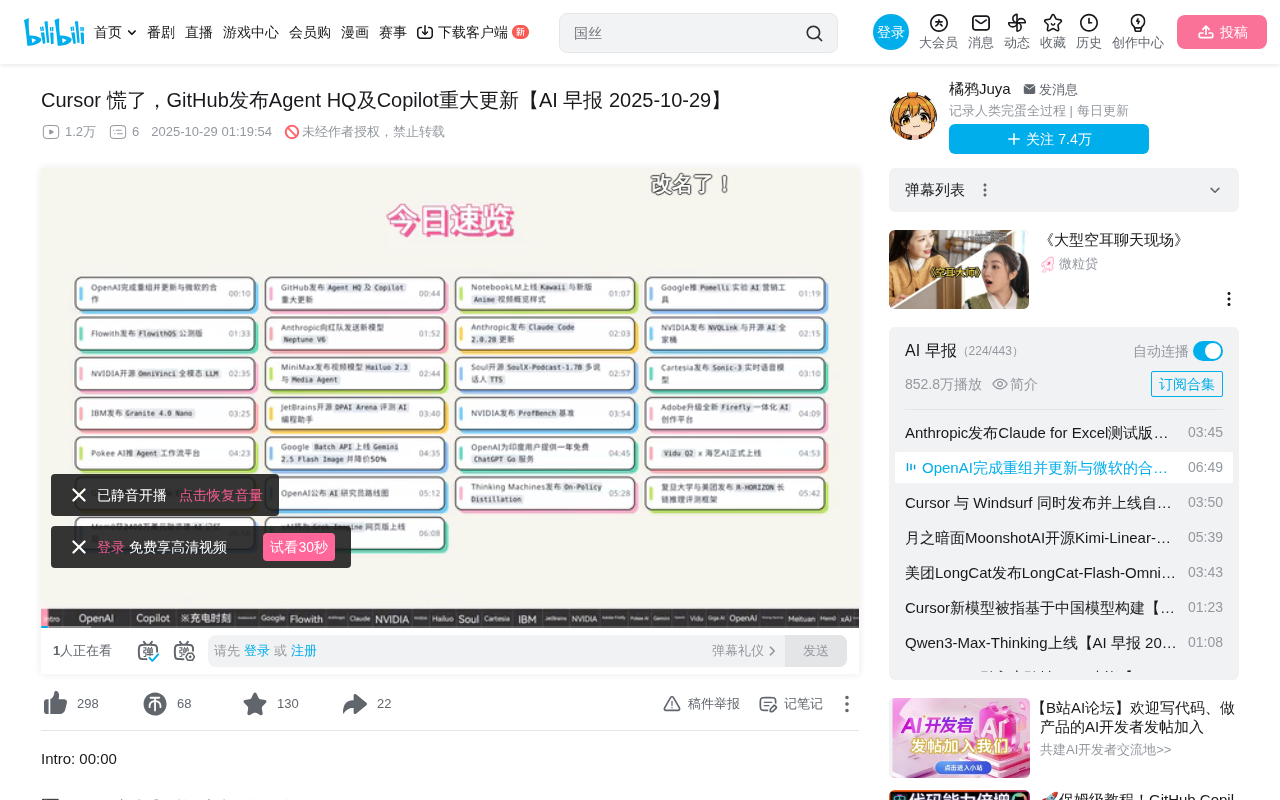
GitHub Agent HQ Launch: AI Coding Tools Enter the Era of Platform Competition
GitHub Universe unveils Agent HQ platform for unified coding agent management, Copilot upgrades with multi-model support. OpenAI completes restructuring, Anthropic tests new model, NVIDIA open-sources AI models.
 Tech Frontiers
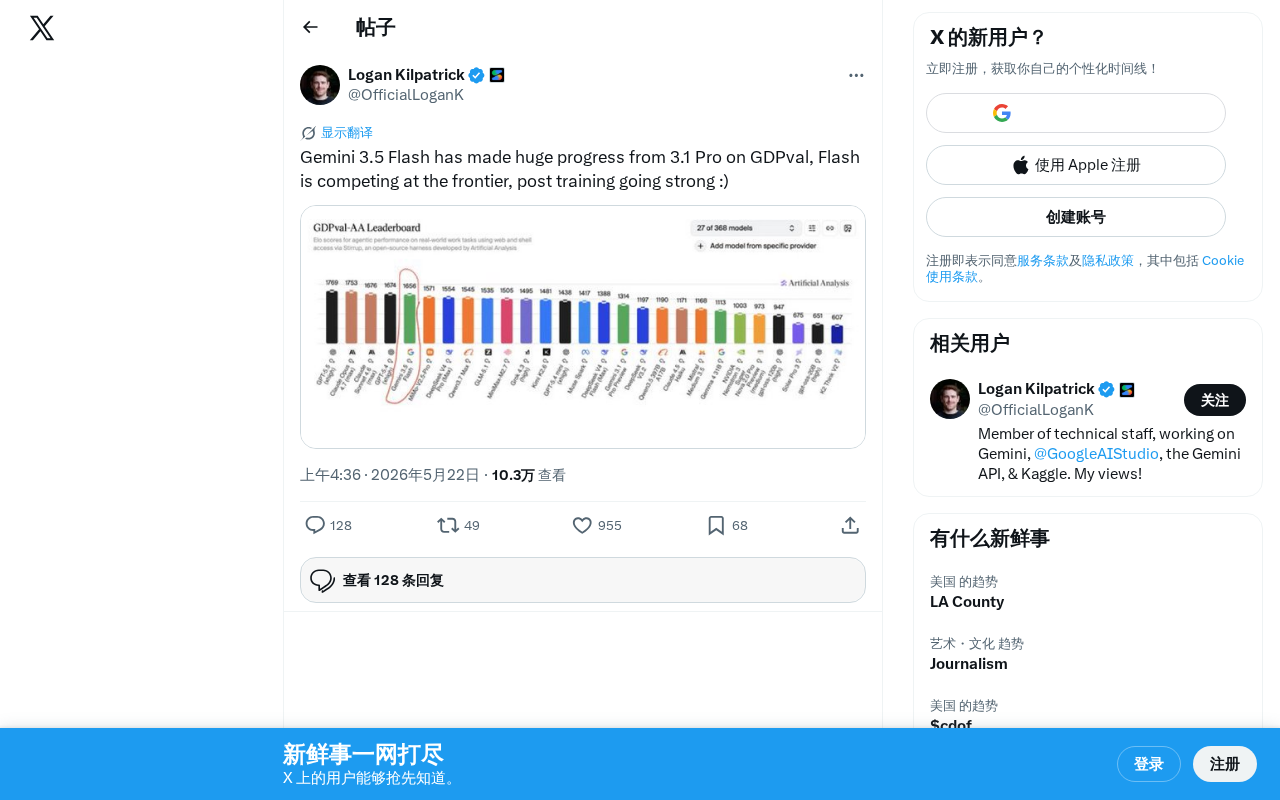
Gemini 3.5 Flash Achieves a Massive Leap on the GDPval Benchmark
Google Gemini 3.5 Flash surpasses Gemini 3.1 Pro on the GDPval benchmark. The lightweight Flash model leverages post-training techniques to approach frontier-level performance, redefining the balance between quality and cost.
 Tech Frontiers
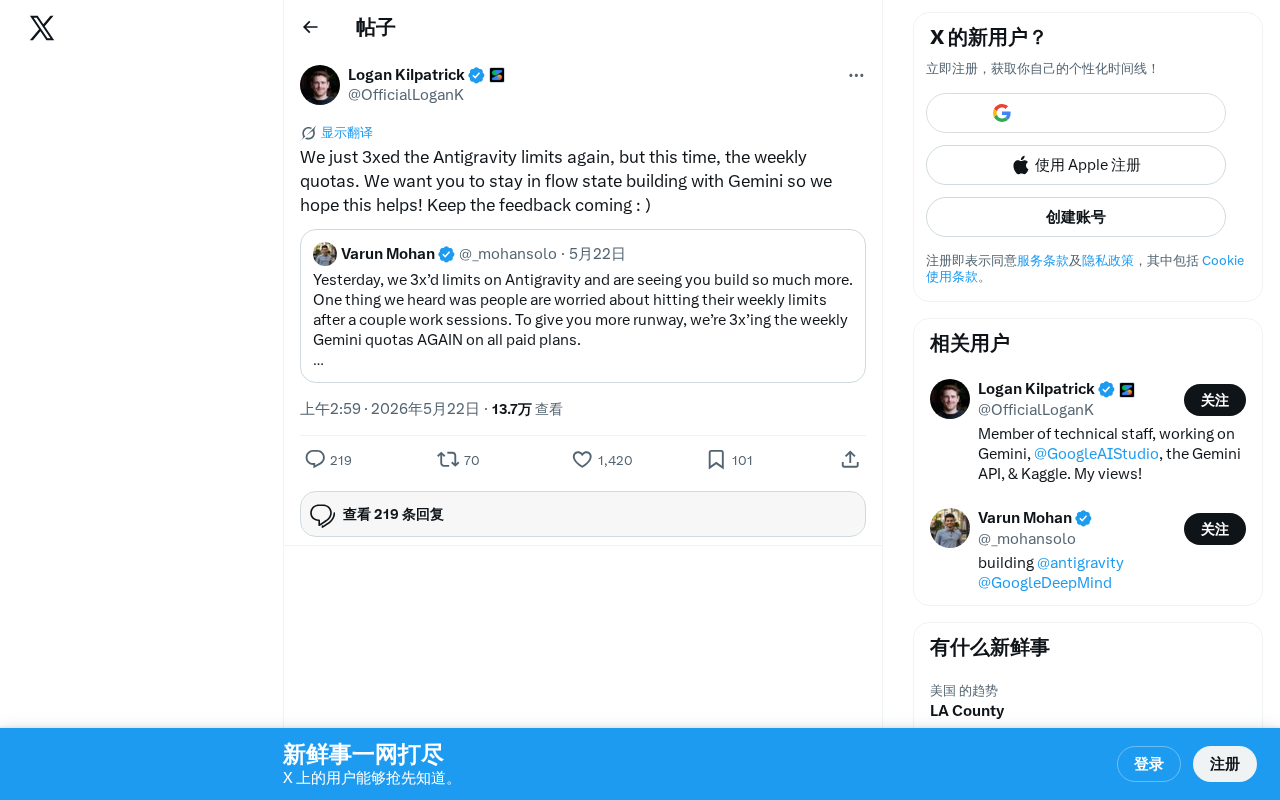
Google Gemini Antigravity Weekly Quota Tripled — AI Coding Without Limits
Google Gemini triples Antigravity weekly quotas following a prior daily quota boost. Analyzing the impact on developers and its strategic significance in AI coding.