Indie Developer Shows the Bill: Spent $325 Building a Mini Program, Earned Zero Revenue

Indie dev spends $325 and 6 months on a mini program with zero users and zero revenue — a cautionary tale.
An indie developer spent six months and ¥2,366 (~$325) building an English reading mini program that launched to just 10 users (all family) and zero revenue. Over half the budget was consumed by Azure's hidden support fees and API calls. The post-mortem highlights critical lessons: validate market demand before building, watch for hidden cloud charges, and understand platform rules upfront.
One Person, Six Months, $325 — Zero Revenue in Return
An indie developer shared their real experience on Bilibili: after spending roughly six months solo-developing an English reading assistant mini program, one month post-launch, total expenses hit ¥2,366 (~$325) with zero revenue. While the story sounds a bit heartbreaking, the problems it exposes — from cost overruns to lack of market validation — serve as a powerful cautionary tale for every developer thinking about building an indie product.
Breaking Down Every Expense: Where the $325 Went
The developer was remarkably transparent about every single expense, giving us a clear view of the typical cost structure for an indie development project.
Development Tools & AI Services
- Modao membership (prototyping): ¥53, purchased secondhand on Xianyu
- Claude Code monthly plan: ¥22, also from Xianyu
- Alibaba Cloud Bailian Platform Coding Plan: ¥40
- iFlytek Spark Coding Plan: ¥39 + ¥39 renewal
Interestingly, the developer initially wrote all code by hand and only started using AI-assisted programming later on. The Claude Code, Alibaba Cloud Bailian Platform, and iFlytek Spark mentioned here are all products in the current AI-Assisted Coding space. Claude Code is a command-line programming tool from Anthropic that can understand codebases and execute programming tasks directly in the terminal; Alibaba Cloud's Bailian Platform is Alibaba's large model service platform that once offered a Coding Plan for developers. The core value of these tools lies in lowering the development barrier, enabling indie developers to accomplish work that would otherwise require team collaboration.
However, after Alibaba Cloud's Bailian Platform discontinued its Coding Plan, the developer had to migrate to iFlytek Spark. This kind of platform dependency risk is something indie developers need to be highly vigilant about — once your development workflow is deeply tied to a specific platform, any policy change or service discontinuation directly impacts your project timeline and costs.
Infrastructure Costs
- Alibaba Cloud server: ¥96 (three charges of ¥54 + ¥10 + ¥35)
- Domain name: ¥96
- Alibaba Cloud SMS package: ¥50
- WeChat Mini Program certification: ¥300 (mandatory — can't go live without it)
The ¥300 mini program certification fee is a rigid expense — a significant barrier for a project with zero revenue. And while the SMS package cost ¥50, with virtually no users, it sat mostly idle.
The Biggest Trap: API Call Costs
This is where the real money went:
- DeepSeek API: Topped up ¥500, ¥146 remaining, actual consumption ¥354
- Microsoft Azure: 199 + 237 + 522 + 276 = ¥1,234

DeepSeek is a large language model series from the Chinese AI startup DeepSeek, known for its exceptional cost-effectiveness. Compared to overseas models like OpenAI's GPT-4o or Anthropic's Claude, DeepSeek's API pricing is typically one to two orders of magnitude lower, making it a popular choice among Chinese indie developers and SMEs. Even so, with no paying users, ¥354 in pure consumption illustrates a critical point: the marginal cost of AI-driven products is not zero — every user interaction generates real API call costs. This is fundamentally different from traditional software where marginal costs approach zero after development is complete. If overseas APIs at the GPT-4 level had been used instead, this cost could have been several times or even ten times higher.
Microsoft Azure's costs reaching ¥1,234 — over half the total expenditure — is truly alarming. The developer explained two reasons: first, the product's features inherently required heavy API calls (article parsing, sentence structure analysis, key vocabulary extraction, etc.); second, Azure had a service called "Microsoft Support" enabled by default, automatically charging nearly $100 per month, and by the time the developer noticed, the fees had already accumulated significantly. Combined with Azure billing in USD, the exchange rate conversion made costs even more staggering.
It's worth elaborating on Azure's hidden billing mechanism. Microsoft Azure is one of the world's three major public cloud platforms (alongside AWS and Google Cloud). Its "Standard Support" tier under "Microsoft Support" costs approximately $100 per month. Many developers don't notice these default-enabled paid items during registration until they receive the bill. This practice of "enabling paid services by default" is not uncommon among overseas cloud providers — AWS has similar services like Shield Advanced that can generate unexpected charges. At the current exchange rate of approximately 7.2, a monthly $100 support fee converts to about ¥720 — for a personal project, this is nearly catastrophic hidden cost.
This lesson is extremely typical: hidden charges from cloud services are one of the easiest traps for indie developers to fall into.
One Month After Launch: 10 Users, ¥0 Revenue
The mini program officially launched on May 9th, with the PC version following on May 28th. After more than a month, what did the user situation look like?
"About ten or so — me, my wife, then some friends my wife shared it with, family members, the family group chat — roughly ten people total."

Although the mini program has a built-in membership purchase feature with payment support, nobody paid. The only "loyal user" was the developer himself — since he was also learning English, he used his own product for reading practice.
To make matters worse, when he tried to submit an updated version for review, WeChat rejected it. The reason: it involved virtual payments and must integrate WeChat's newly launched virtual payment feature rather than using regular WeChat Pay. This means he needs to re-apply for payment functionality, potentially incurring additional costs.

The virtual payment issue in WeChat Mini Programs has long been a headache for many developers. Starting in 2023, WeChat progressively tightened payment rules for virtual goods within mini programs (such as memberships, courses, virtual items — any non-physical goods), requiring developers to integrate WeChat's official virtual payment component rather than using WeChat Pay directly. The core purpose of this policy is to allow the WeChat platform to take a commission from virtual goods transactions — currently ranging from 20% to 30% of the transaction amount, similar to Apple's App Store "Apple Tax." For indie developers, this means not only additional technical integration costs but also having an already thin profit margin further eroded by the platform. More critically, the virtual payment feature has high application thresholds requiring certain category qualifications, and some individually-owned mini programs cannot even apply — yet another invisible wall blocking indie developers.
Post-Mortem: What Should Indie Developers Do First?
The developer's reflections at the end of the video were very sincere and valuable:
Validate the Market Before Investing in Development
He admitted that if he could do it over, he would never "impulsively" invest so much time and money into development. The correct approach should be: conduct thorough market research first, confirm that people are actually willing to pay for this feature, then start building.
This is essentially the core philosophy of Lean Startup — validate demand with a Minimum Viable Product (MVP) rather than building in isolation for six months only to discover there's no market. Lean Startup was systematically proposed by Silicon Valley entrepreneur Eric Ries in his 2011 book of the same name, with the core idea being a rapid "Build-Measure-Learn" iteration cycle. An MVP isn't a rough half-finished product — it's a product form built with minimal resources that can validate core assumptions. In practice, an MVP might not even involve any code: a landing page with a signup button can test whether people are interested in your product concept; a manually curated set of English reading content plus a WeChat group can validate whether users will consistently use it and pay for it. The developer in this story spent six months building a complete product before discovering there was no market — precisely because he skipped the critical MVP validation step, investing precious time and money into an unverified hypothesis.
Cost Control Awareness Is Essential
Of the ¥2,366 total expenditure, over ¥1,500 went to API calls, with a significant portion being Azure's hidden charges. For indie developers, when choosing cloud services you must:
- Carefully check all default-enabled paid items — After registering for any cloud service, the first thing to do is go to the billing and subscription management page and check item by item whether any paid services you don't need have been enabled by default
- Set up cost alerts and caps — Nearly all major cloud platforms support budget alerts that send notifications when costs reach a set threshold — this is the most basic measure to prevent runaway bills
- Prioritize pay-as-you-go domestic services with transparent pricing — Domestic cloud providers like Alibaba Cloud and Tencent Cloud typically have more transparent billing rules and settle in RMB, avoiding additional costs from exchange rate fluctuations
- Use mock data during development to reduce real API calls — During development and debugging, you can use simulated data and caching mechanisms, only connecting to real APIs during final testing and after launch — this can dramatically reduce API consumption during development
Platform Rules Are Invisible Barriers
The ¥300 WeChat Mini Program certification fee, virtual payment requirements, review rejections — all demonstrate that platform ecosystem rules themselves are barriers. Before choosing a distribution channel, indie developers should thoroughly understand platform policies to avoid discovering "this road is blocked" only after development is complete. It's recommended to carefully read the target platform's developer documentation, review guidelines, and pricing policies before project kickoff, paying special attention to the latest rule changes regarding payments, content review, qualification requirements, and other critical areas.
Final Thoughts
Is ¥2,366 expensive for a lesson? From a financial perspective, it's certainly not trivial for a personal project. But from a growth perspective, this developer completed the entire pipeline in six months — from prototyping, front-end and back-end development, AI integration, cloud service deployment, to mini program launch. That hands-on experience is priceless in itself.
The allure of indie development lies in freedom, and so does the risk — nobody helps you with market research, nobody reviews your bills, and you bear the consequences of every decision alone. Hopefully this real case can offer some inspiration to those currently building or preparing to build indie products: Before writing the first line of code, ask yourself one question — is anyone willing to pay for this?
Related articles
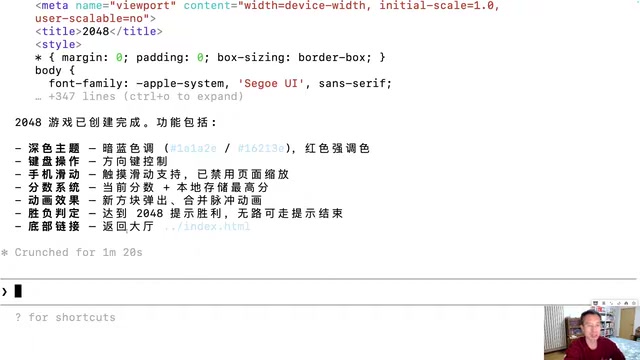
Generating 10 Web Games with One-Line Prompts: A Hands-On Claude Code Experience
A senior developer uses Claude Code to generate 10 playable web games including 2048, Gomoku, and Tetris with one-line prompts in under an hour. A deep dive into AI programming's real capabilities.
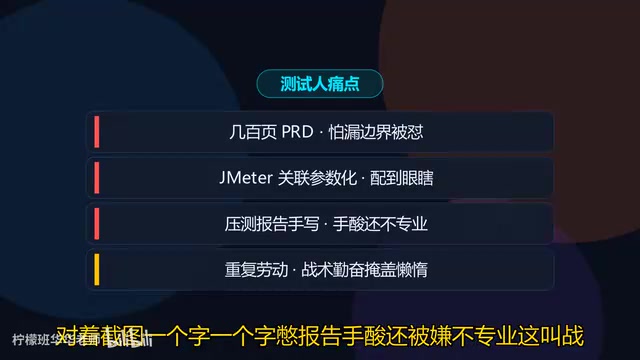
Five Essential Cursor Skills Every QA Engineer Needs: A Complete Breakdown
A detailed guide to five essential Cursor Skills for QA engineers: PRD analysis, test case generation, JMeter scripting, load test reports, and web automation.
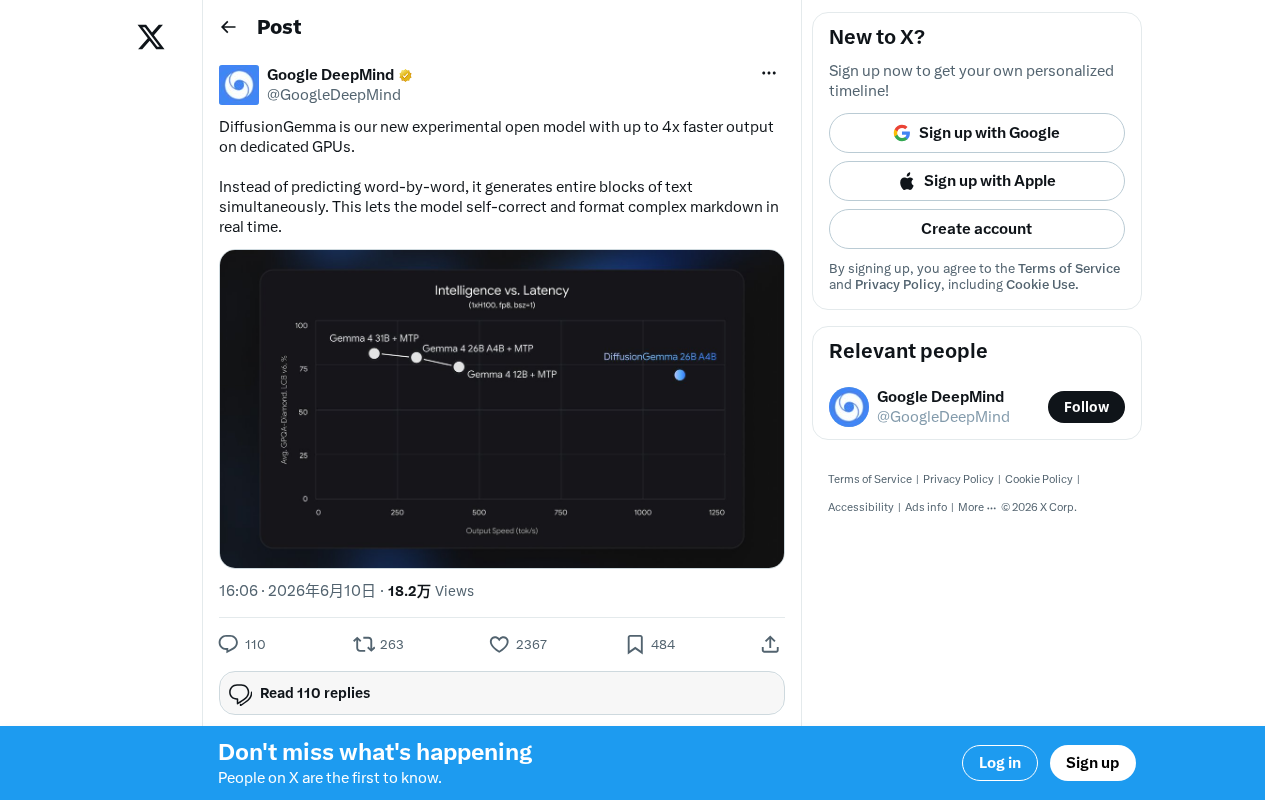
DiffusionGemma: Google's Open-Source Diffusion Language Model with 4x Faster Inference
Google releases DiffusionGemma, an open-source diffusion language model achieving up to 4x faster inference and real-time self-correction by generating text in parallel rather than token by token.