iPadOS 27 Developer Guide: A Comprehensive Breakdown of Foundation Models Framework and Core AI
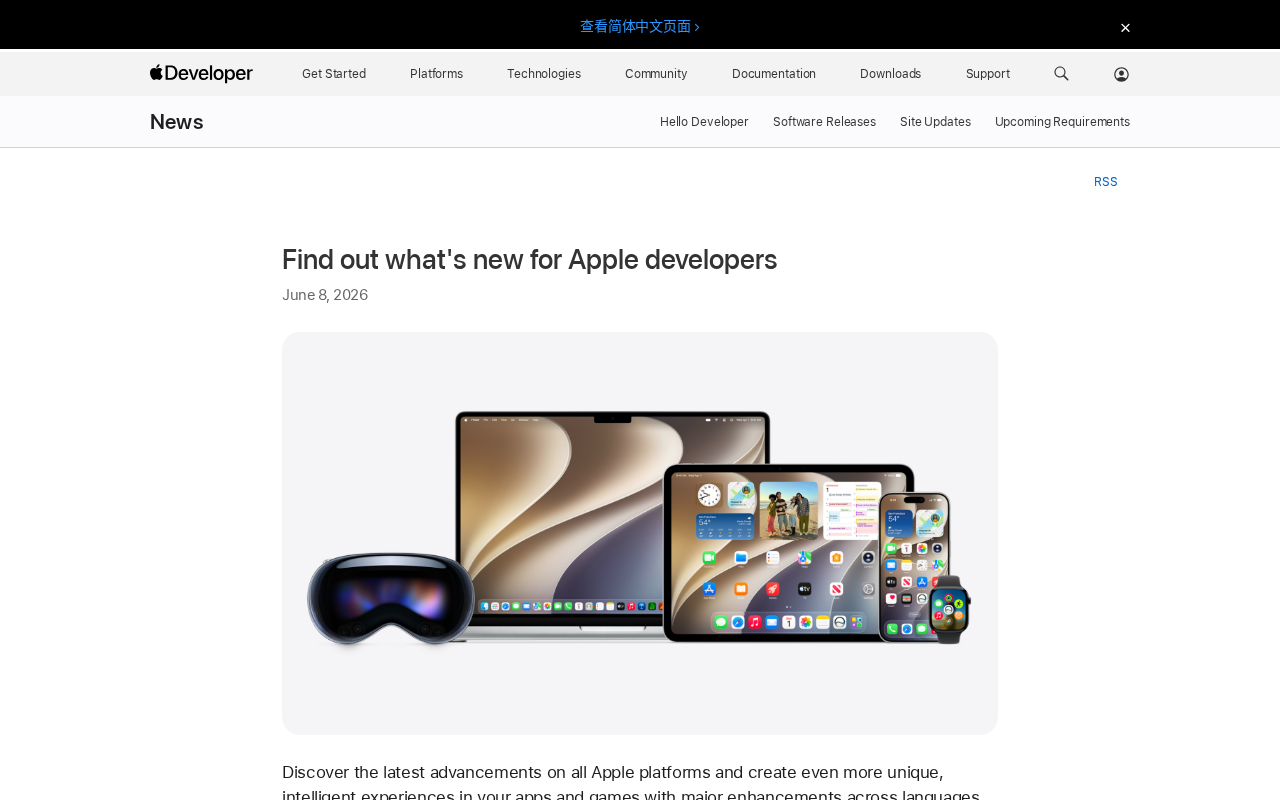
iPadOS 27 delivers a full AI development toolchain with Foundation Models, Core AI, and deep Siri integration.
iPadOS 27 introduces the Foundation Models framework for unified multi-model AI access, Core AI for on-device inference on Apple Silicon, deep Siri integration via App Intents, and PaperKit for handwriting recognition. Small developers get free cloud AI access through Private Cloud Compute, while the new Evaluations framework enables systematic AI testing.
Overview
WWDC26 introduced iPadOS 27, Apple's most ambitious update to the iPad platform yet. From the all-new Foundation Models framework to the Core AI native inference engine, from deep Siri integration to Apple Pencil handwriting recognition innovations, iPadOS 27 delivers a complete end-to-end AI development toolchain for developers. This article takes a deep dive into what these core changes mean for developers and users alike.
Foundation Models Framework: A Unified AI Interface Layer
Multi-Model Protocol and Multimodal Support
The Foundation Models framework is the most significant developer tool update in iPadOS 27. It provides native Swift APIs that give developers direct access to the on-device models powering Apple Intelligence. More importantly, the framework now supports any language model conforming to the Language Model protocol—including Apple's own models, Claude, Gemini, and other cloud-based models, as well as any third-party provider.
Multimodal prompts allow developers to pass images alongside text, enabling apps to reason about visual content. Vision framework tools for OCR and barcode recognition can be invoked directly by the model, all completed on-device. Dynamic Profiles enable switching between models, tools, and instructions dynamically during continuous sessions, allowing app behavior to adapt to user needs in real time.
Free Cloud Access for Small and Medium Developers
A noteworthy policy change: if developers are enrolled in the App Store Small Business Program and their app has fewer than 2 million first-time downloads, they can use the next-generation Apple Foundation Models running on Private Cloud Compute for free—no cloud API fees required. This is an extremely attractive proposition for indie developers and small teams, dramatically lowering the cost of building AI-powered features.
Evaluations Framework: Systematic Testing for AI Features
The new Evaluations framework enables developers to verify that AI features behave correctly under dynamic conditions, filling gaps that traditional unit tests cannot cover. Developers can systematically test prompt effectiveness and model output quality rather than relying solely on manual inspection, providing assurance of AI reliability in production environments.
Core AI: An Inference Engine Tailored for Apple Silicon
Core AI is an entirely new system-level framework designed specifically for Apple Silicon, providing the optimal way to run custom models on-device. Key features include:
- Memory-safe Swift API: Load, specialize, and run AI models entirely on-device
- Automatic hardware specialization: Models are automatically optimized for the specific hardware they run on, with support for ahead-of-time compilation to reduce load times
- Fine-grained inference memory control: Zero-copy data paths and stateful execution, delivering the performance needed for everything from compact vision models to large-scale generative AI
Unlike the Foundation Models framework, Core AI targets developers who need to deploy their own models—whether custom-trained proprietary models or open-source community models. The zero-server-dependency, zero-token-cost design philosophy gives privacy-sensitive applications a truly viable on-device AI solution.
App Intents and Deep Siri Integration
Semantic Indexing and Natural Language Interaction
In iPadOS 27, Siri establishes deeper connections with apps through the App Intents framework. Entity schemas contribute app content to Spotlight's semantic index, enabling Siri to surface app content with proper attribution. Intent schemas let users perform actions on content through natural language—developers don't need to define specific phrases, and no code changes are required as Siri's language understanding evolves or expands to new languages and dialects.
View Annotations API: Conversational Interaction with On-Screen Content
The new View Annotations API allows developers to map views to entities, enabling users to reference and interact with on-screen content conversationally. This means users can point to an element on screen and tell Siri "share this" or "add this to favorites," and Siri can accurately understand the context and execute the action.
Platform UI Improvements: SwiftUI, UIKit, and WidgetKit
iPadOS 27 brings a unified visual language refresh at the UI level—updated materials, refined typography, refreshed tab bars and navigation bars. Specific developer capability improvements include:
- SwiftUI: Direct disk access for high-performance document-based apps, content reordering across lists and grids, lazy subviews and content prefetching
- UIKit: New layout capabilities adapted for iPhone Mirroring
- WidgetKit: Support for customization and dynamic styling through App Intents
Game Development: AI-Assisted Porting Tools Upgraded
Game Porting Toolkit 4 introduces open-source agentic coding skills that embed Metal and Apple game development best practices into every step of the porting workflow. This marks Apple's official introduction of AI-assisted programming into its gaming ecosystem strategy, aimed at accelerating the migration of third-party games to Apple platforms.
Apple Pencil and PaperKit Handwriting Recognition
PencilKit can now recognize handwritten text across multiple alphabets and languages, powered by the same on-device recognition technology used in Notes and Freeform. New APIs make PencilKit easier to integrate into apps beyond traditional drawing canvases.
The all-new PaperKit framework provides a paper-textured writing surface with the fluid, low-latency ink experience users expect from Apple Pencil on iPad, offering an out-of-the-box high-quality solution for note-taking and creative app development.
Summary and Outlook
The iPadOS 27 updates reveal a clear strategic direction: Apple is building the iPad into a complete AI development and runtime platform. The Foundation Models framework unifies model interfaces, Core AI provides low-level inference capabilities, and App Intents lets AI permeate every corner of system interaction.
For developers, this means the barrier to building AI apps within the Apple ecosystem has been significantly lowered, while the device-first strategy provides a solid foundation for privacy protection. Whether you're an indie developer or part of a large team, iPadOS 27 delivers a complete toolchain from prototype to production.
Related articles

Five Common Claude Code Mistakes — How Many Are You Making?
Five common Claude Code mistakes developers make: copy-pasting code, skipping CLAUDE.md, inefficient prompting, ignoring docs, and poor context management — with fixes.
Andrew Ng's New Course Explained: A Practical Guide to Using OpenAI's O1 Reasoning Model
Deep dive into Andrew Ng and OpenAI's Reasoning with O1 course covering test-time scaling, new prompting paradigms, multi-model orchestration, and practical applications for developers.

Learning AI After College Entrance Exams: A Complete Path from Zero to Freelancing
How to efficiently learn AI skills during summer break after exams? A complete path from mastering prompts and hands-on projects to freelancing on platforms.