Kiro + Firebase Full-Stack Development in Practice: A Guide to Rapid App Building with Agent Skills
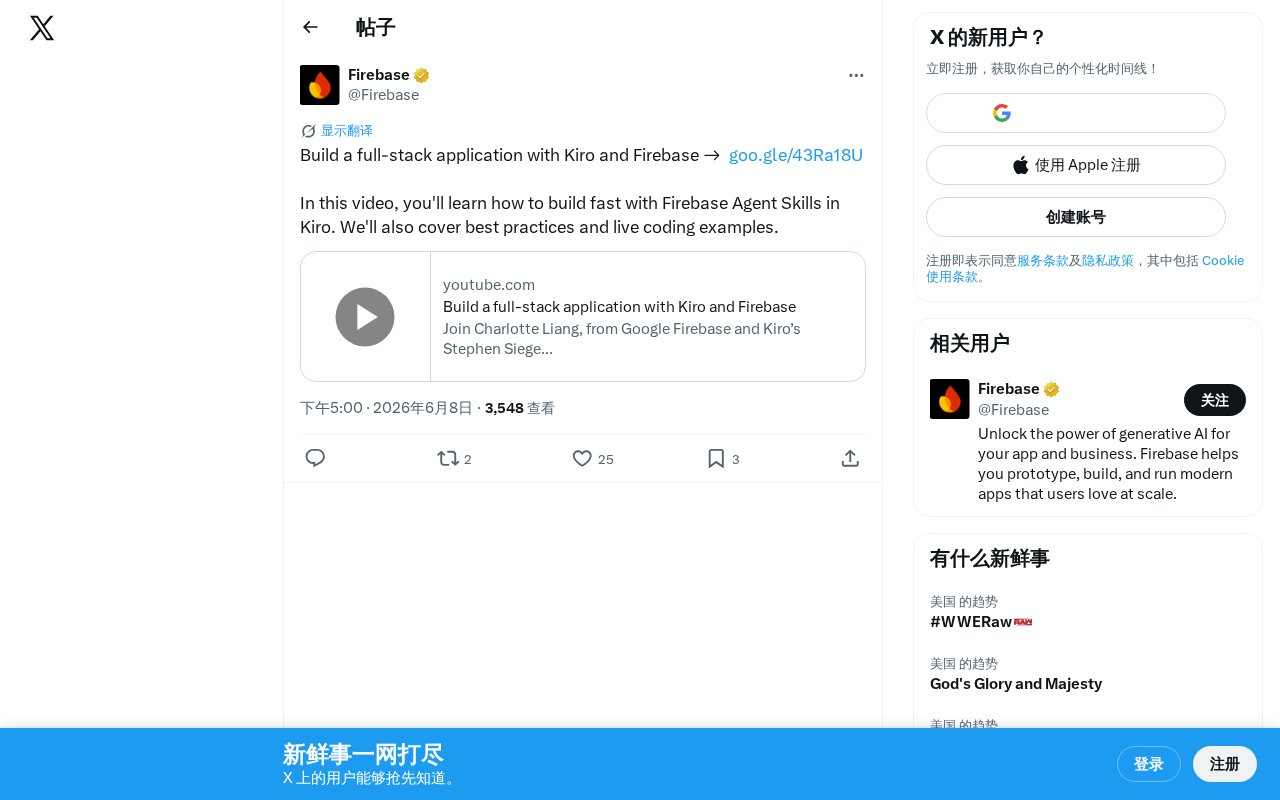
A practical guide to building full-stack apps rapidly using Kiro's AI Agent Skills with Firebase.
AWS's Kiro IDE integrates with Google Firebase through Agent Skills, enabling developers to build full-stack applications via spec-driven development. This combination automates Firestore database design, Firebase Authentication setup, Cloud Functions logic, and deployment configuration, while embedding best practices for code quality. Ideal for MVP validation, internal tools, and full-stack learning.
Overview
AWS's AI coding assistant Kiro has recently achieved deep integration with Google Firebase, launching the Firebase Agent Skills feature. This combination offers developers an entirely new approach to full-stack application development—rapidly building complete applications from frontend to backend through AI agent skills. This article provides a detailed analysis of the core value and practical essentials of the Kiro + Firebase tooling combination.
What is Kiro? AWS's AI-Powered Coding IDE
Kiro is an AI-driven integrated development environment (IDE) launched by Amazon Web Services, positioned as a "spec-driven development" tool. Unlike traditional AI code completion tools, Kiro emphasizes guiding AI to generate more reliable, expectation-aligned code through structured requirement specifications (specs).
One of its core features is Agent Skills, which allows developers to configure domain-specific capability modules for the AI assistant. Firebase Agent Skills is a prime example of this mechanism—it equips Kiro's AI agent with the ability to directly operate Firebase services.
Core Capabilities of Firebase Agent Skills
From Rapid Prototypes to Production-Grade Applications
Firebase, Google's Backend-as-a-Service (BaaS) platform, provides one-stop services including authentication, databases, storage, and hosting. When combined with Kiro's AI agent, developers can describe requirements in natural language, and the AI automatically handles:
- Firestore database data model design and CRUD operation code generation
- Firebase Authentication user authentication flow setup
- Cloud Functions server-side logic development
- Firebase Hosting deployment configuration
Built-in Best Practices for Code Quality Assurance
In traditional development, Firebase best practices such as security rule configuration and data structure optimization often require extensive developer experience. Firebase Agent Skills encodes these best practices as behavioral guidelines for the AI agent, automatically following security and performance standards during the code generation phase, significantly reducing the likelihood of common pitfalls for newcomers.
Detailed Kiro + Firebase Development Workflow
The Spec-Driven Development Model
Kiro's development workflow is fundamentally different from pure "conversational programming." A typical workflow looks like this:
- Define requirement specifications: Create spec files in Kiro that clearly outline application functional requirements, data models, and API interfaces
- Activate Firebase Skills: Configure Firebase Agent Skills and connect to the target Firebase project
- AI auto-generates code: Based on the specification documents, the AI agent automatically generates frontend and backend code
- Real-time debugging and iteration: Preview and adjust in real-time through Live Coding mode
Ideal Use Cases
This combination is particularly well-suited for the following development scenarios:
- Rapid MVP validation: Startup teams needing to build a working prototype within days
- Internal tool development: Standardized applications like enterprise management systems and data dashboards
- Full-stack skill learning: Frontend developers looking to quickly master the complete backend development pipeline
Technical Trend Analysis of AI Coding Tools
The integration of Kiro and Firebase reflects an important evolutionary direction in AI coding tools: from code completion to architecture-level automation. Early tools like GitHub Copilot primarily addressed line-level code completion, while Kiro's Agent Skills mechanism attempts to operate at a higher level of abstraction—understanding an entire application's architectural requirements and coordinating multiple cloud services to accomplish end-to-end full-stack development.
Notably, this also represents a new battleground where cloud providers compete for the AI developer entry point. AWS binds the development experience through Kiro, while Google provides backend capabilities through Firebase. The cooperation and competition between these two giants creates a fascinating intersection at the developer tools layer.
Conclusion
For developers looking to boost full-stack development efficiency, the Kiro + Firebase combination offers a path worth exploring. It not only lowers the technical barrier to full-stack development but, more importantly, ensures higher maintainability and predictability of AI-generated code through a spec-driven approach. As the Agent Skills ecosystem continues to expand, this development model is poised to cover more cloud services and application scenarios.
Related articles
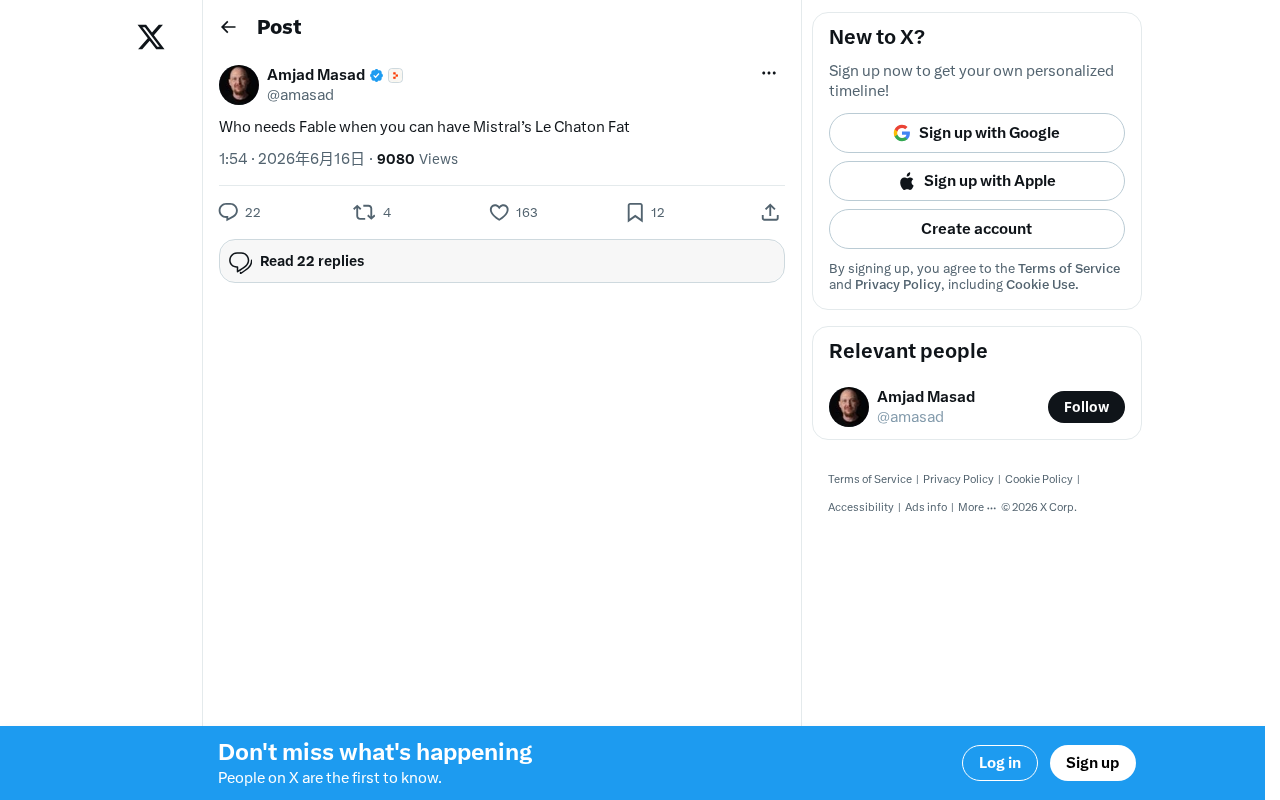
Mistral Le Chat Image Generation Review: Can It Replace Fable?
Mistral AI launches image generation in Le Chat, dubbed Le Chaton Fat. We analyze its capabilities, compare it with Fable, and explore the trend of AI chat platforms integrating image generation.

Testing DeepSeek's Safety Mechanisms: Multiple Jailbreak Attempts Successfully Blocked
An overseas security blogger systematically tested DeepSeek's jailbreak resistance using direct requests, rephrased prompts, and varied strategies. Results show robust intent recognition, consistent blocking, and context-aware safety mechanisms.
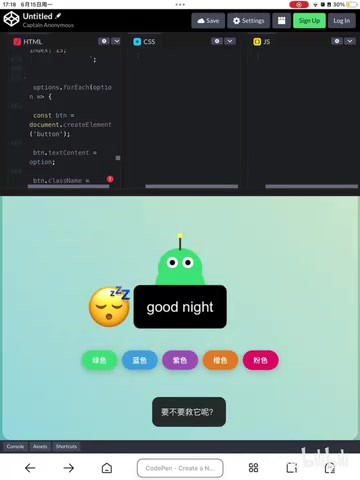
A Middle Schooler with Zero Coding Skills Built a Story-Driven Game with AI: Creativity Unshackled from Technical Barriers
A middle schooler with no coding experience used AI to build an interactive story game with branching choices and surreal alien adventures. We explore what this means for creative democratization.