Kiro Gives Away Free Pro Memberships but Imposes Harsh Limits — An Opus 4.7 Experience Gone Wrong

Kiro's free Pro membership with Opus 4.7 runs out in half a day, frustrating developers.
Amazon's Kiro offers free Pro memberships with access to Claude Opus 4.7, but developers report hitting quota limits in less than a day. While the try-before-you-buy strategy makes sense, overly strict limits fail to showcase the model's value and risk alienating potential paying users. The article analyzes the cost pressures behind these restrictions and offers practical advice for indie developers on choosing AI coding tools.
A Free Lunch That's Hard to Swallow? Kiro Pro Membership Falls Short
Kiro, the AI coding tool launched by Amazon, has been generating significant buzz in the developer community. Free Pro memberships with access to the Claude Opus 4.7 model — perks like these had plenty of indie developers eager to jump in. But after actually using it, this "free lunch" turned out to be far less appetizing than expected.
According to a Bilibili creator who shared his experience, he successfully claimed his Kiro Pro membership in the morning, expecting to freely leverage Claude Opus 4.7 — one of the top-tier AI coding models available. Instead, after less than a day of writing code, his quota was completely exhausted. The system popped up a message: "The current model is experiencing high traffic. Please try switching to a different model and re-running your prompt."
Being cut off in less than half a day — that's an experience that's genuinely hard to accept.



Kiro's Quota Limits: The Double-Edged Sword of a Free Strategy
Easy to Attract Users, Hard to Keep Them
Kiro's free Pro membership strategy is essentially a classic "try before you buy" marketing tactic — let users experience the capabilities of a top-tier model, then guide them toward a paid subscription. This approach is common in the SaaS industry, but the key to execution lies in one thing: the free trial quota must be generous enough for users to genuinely feel the product's value.
Based on real-world feedback, the free quota for Opus 4.7 is clearly far too stingy. When a developer can't even complete a single day of normal coding before being restricted, the experience fails to showcase the model's true capabilities and instead leaves potential paying customers with a negative impression. As the developer put it: "There's zero sincerity here — why would I ever pay for a membership?"
The Cost Pressure Behind the Scenes
To be fair, we should also understand the real constraints Kiro faces. As one of Anthropic's most powerful models, Claude Opus 4.7 has API call costs far higher than standard models. With a flood of users during the initial product launch, strict quota controls may have been a reluctant but necessary cost management measure.
The problem, however, is that if the free trial threshold is set too low, users can never form effective usage habits or product dependency. The conversion rate of this promotion is likely to suffer significantly as a result.
Lessons for Indie Developers Choosing AI Coding Tools
Don't Put All Your Eggs in One Basket
For indie developers and solo entrepreneurs, this incident reinforces an important lesson: don't over-rely on a single tool's free quota to support your core workflow.
The AI coding tool space is fiercely competitive right now, with Cursor, Windsurf, GitHub Copilot, Kiro, and others each having their own strengths and weaknesses. Here are a few recommendations for developers:
- Keep multiple tools in your toolkit: Be proficient with at least 2–3 AI coding tools to avoid single points of failure
- Evaluate paid value carefully: Use free trial periods to test core scenarios, not as a daily dependency
- Focus on real cost-effectiveness: Top-tier models are powerful, but mid-tier models may already be sufficient for most use cases
Free ≠ Good, Paid ≠ Worth It
In today's rapidly evolving AI tool landscape, there's often a huge gap between "free" and "good." The various limitations of free versions — quotas, speed, features — can seriously impact development efficiency. On the flip side, paying doesn't guarantee value for money either. What truly matters is whether the tool genuinely fits your specific development scenarios and workflow.
Conclusion
Kiro's strategy of offering free Pro memberships to attract users is sound in principle, but overly harsh quota limits are backfiring. For a new product, first impressions are everything. When users start with high expectations only to be interrupted by a "please switch models" message within half a day, that sense of disappointment is likely to drive away potential paying customers.
Hopefully, the Kiro team can find a better balance between cost control and user experience in future updates. After all, in the increasingly crowded AI coding tool market, users' patience is limited.
Related articles

A Gen-Z Woman Making $1.5M/Month: Deconstructing the Growth Methodology Behind AI Apps
Gen-Z indie dev Nicole built 4 hit AI apps earning $1.5M/mo. Deep dive into her industrialized UGC engine, traffic testing system, and minimalist tech stack.
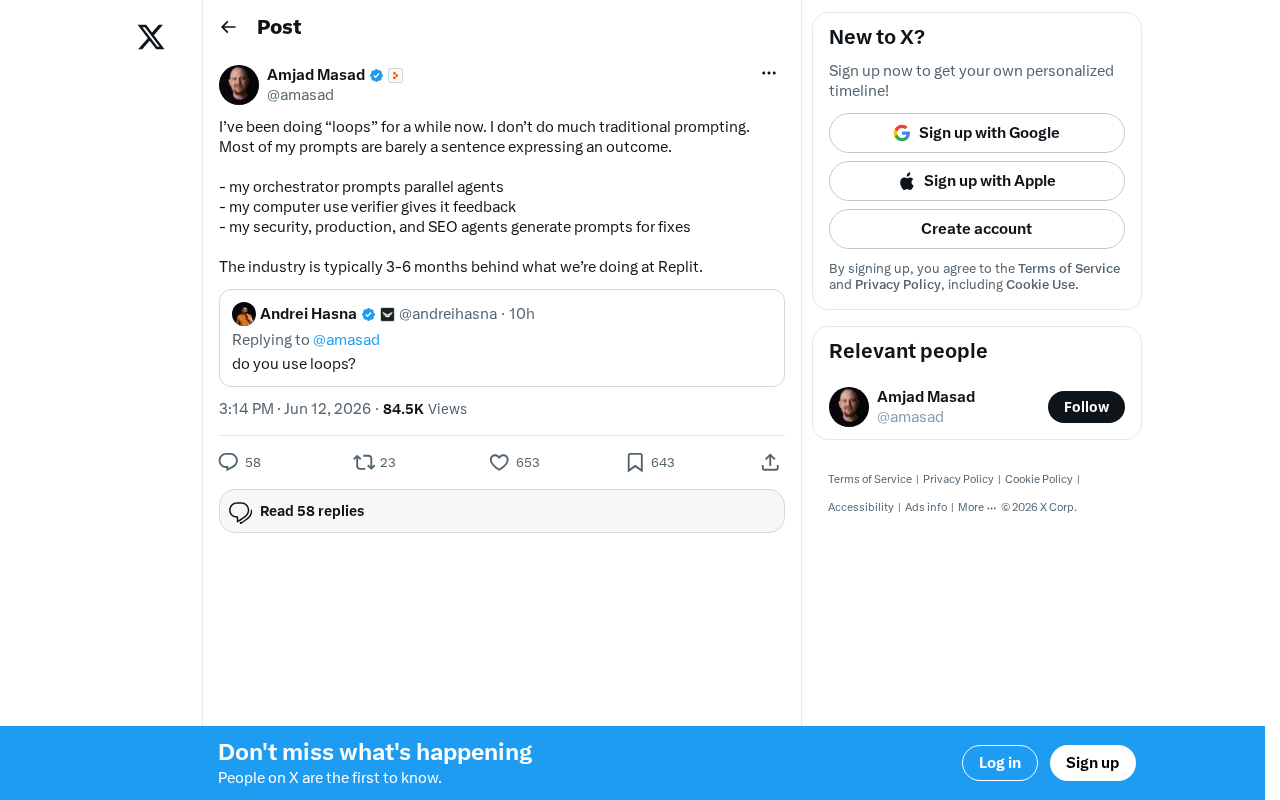
Replit's AI Loops Workflow Explained: Multi-Agent Collaboration Replaces Prompt Engineering
Deep dive into Replit's AI Loops workflow: how orchestrators, parallel agents, and Computer Use Verifiers build automated closed-loop systems through multi-agent collaboration.
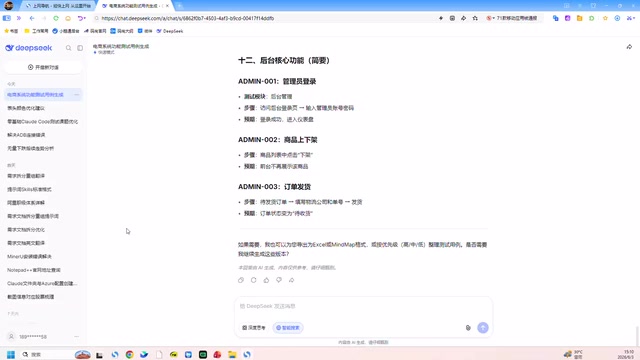
Claude Code + Skills: A Practical Guide to AI-Powered Test Case Generation
Learn how to use Claude Code + Skills to auto-generate enterprise-grade test cases. Covers AI Agent vs LLM differences, the four core capabilities, and the complete workflow from requirements to test cases.