OpenAI Acquires Ona: Codex Enters a New Era of Cloud-Based Asynchronous Execution
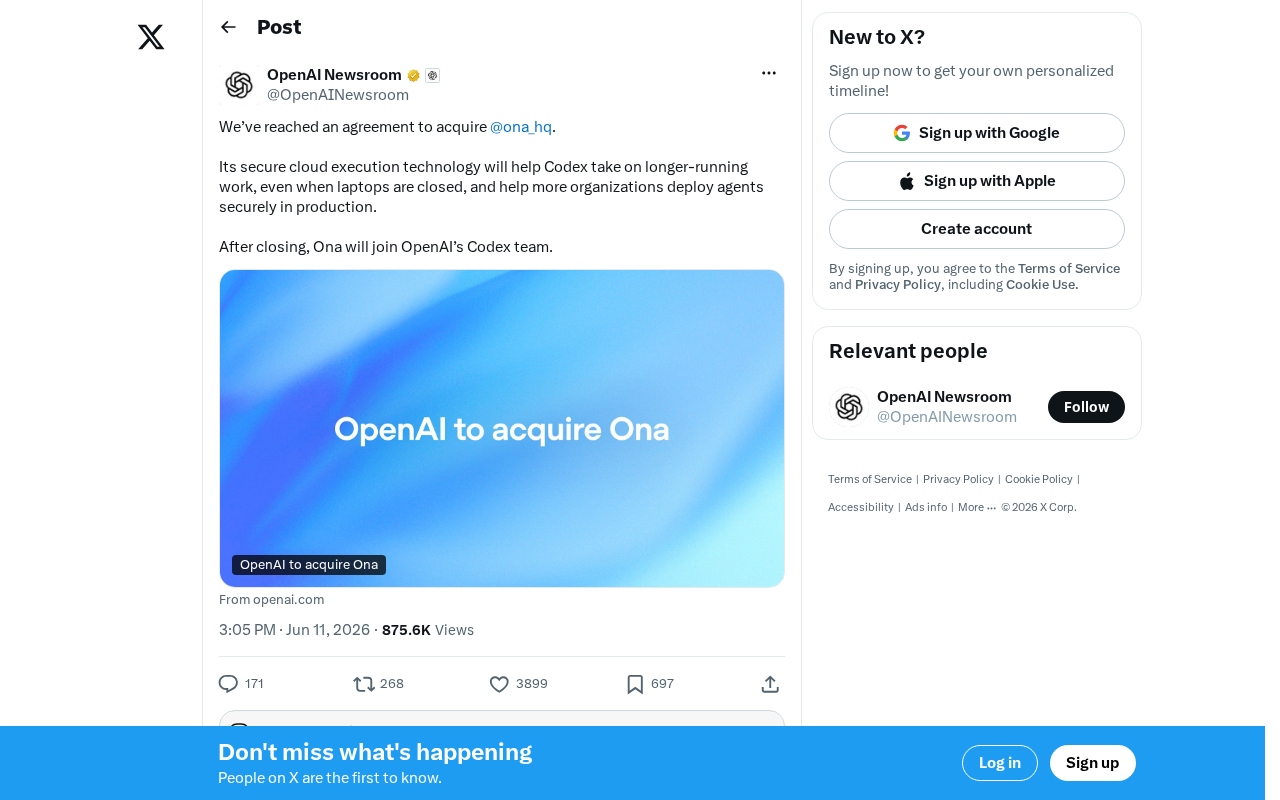
OpenAI acquires Ona to bring secure cloud-based async execution to its Codex AI coding agent.
OpenAI has acquired Ona to integrate its secure cloud execution technology into the Codex product line, enabling AI coding agents to handle long-running background tasks without requiring users to stay online. The deal addresses key enterprise needs including sandbox isolation, compliance, and granular permissions, while reflecting the broader industry shift from synchronous AI interaction to asynchronous agent execution. This positions Codex to compete more effectively against tools like GitHub Copilot, Cursor, and Devin.
OpenAI Announces Acquisition of Ona, Targeting Secure Cloud Execution
OpenAI recently announced on social media that it has reached an acquisition agreement with Ona (@ona_hq). The core objective of this deal is crystal clear — to integrate Ona's secure cloud execution technology into the Codex product line, enabling the AI coding assistant to handle longer-running tasks that continue even after users close their laptops.
Codex is OpenAI's AI coding product, originally fine-tuned from the GPT model series and specifically optimized for code generation and comprehension tasks. Early versions of Codex were primarily offered as an API service, later evolving into a more complete coding agent product. Unlike simple code completion, Codex aims to understand the full software engineering context — including project structure, dependencies, test cases, and more — and autonomously handle the entire workflow from requirements analysis to code implementation. This acquisition of Ona essentially fills in the critical missing piece of "persistent execution" for Codex.
This acquisition sends a significant signal: OpenAI is accelerating its evolution from a "conversational AI assistant" toward a "continuously running AI agent."
Why Codex Needs Cloud Execution Capabilities
Breaking Through the Bottleneck of Local Execution
Most mainstream AI coding tools today rely on local environments or require users to remain online at all times. Once a device is shut down or the connection is lost, ongoing code generation, testing, deployment, and other tasks are interrupted. For complex software engineering scenarios — such as large-scale code refactoring, continuous integration testing, and multi-step automated deployments — this limitation creates a significant efficiency bottleneck.
Ona's secure cloud execution technology addresses this exact pain point. By migrating task execution to the cloud, Codex can continue running long-duration tasks in the background — users simply submit their instructions and don't need to stay and watch.
Security Is the Key Threshold for Enterprise Deployment
OpenAI specifically emphasized the word "secure" in its announcement — "help more organizations deploy agents securely in production." This indicates that Ona's technology goes beyond simple cloud computing capabilities to include enterprise-grade security isolation and permission management systems.
For enterprises looking to deploy AI agents in production environments, security is the top priority:
- Sandbox Isolation: Code execution environments need strict isolation to prevent malicious code from escaping. A sandbox is a security mechanism that creates an isolated execution environment for running programs, preventing them from accessing external system resources or affecting the host operating system. Sandbox isolation is particularly critical in AI code execution scenarios because AI-generated code may contain unexpected system calls, file operations, or network requests. Common sandbox technologies include containerization (e.g., Docker), micro-VMs (e.g., Firecracker, the underlying technology behind AWS Lambda), and lightweight isolation solutions based on WebAssembly. Enterprise-grade security sandboxes also need to consider resource limits (preventing CPU and memory exhaustion), network policy controls, file system permission isolation, and other multi-layered protections to ensure that even if AI generates problematic code, it won't cause damage to the production environment.
- Compliance Assurance: Data processing must meet industry regulatory and compliance requirements.
- Granular Permission Control: Operational permissions need to be refined down to every execution layer.
Ona's technical expertise in these areas is precisely the core capability OpenAI needs to push Codex into the enterprise market.
The "Asynchronous" Trend in AI Agents
This acquisition reflects an important trend in the AI industry: AI agents are shifting from synchronous interaction to asynchronous execution.
In the past, user interaction with AI followed a synchronous loop of "ask a question — wait — get an answer." But as AI capabilities continue to grow, more and more tasks require minutes or even hours to complete — code reviews, security scans, performance optimization, automated testing — these real-world software engineering workflows simply can't be completed in a few seconds.
From a technical architecture perspective, in the synchronous interaction model, the client must wait for the server to return results before continuing. This model is suitable for scenarios with sub-second response times. Asynchronous execution adopts a "submit — poll/callback" model: the client submits a task and immediately receives a task ID, the task runs independently in the background, and results are retrieved upon completion via webhook callbacks, message queue pushes, or client-side polling. In distributed systems, asynchronous execution typically relies on message queues (e.g., Kafka, RabbitMQ), task scheduling frameworks (e.g., Celery, Temporal), and persistent state management to ensure reliable task completion. This architecture naturally supports checkpoint-based resumption and fault recovery, making it ideal for AI agents executing long-running complex workflows.
Letting AI agents run independently in the cloud and notifying users to review results upon completion — this asynchronous model will dramatically increase the practical value of AI tools. Users can launch multiple tasks simultaneously, each executing independently, truly achieving a workflow where "AI does the work, and you just review the results."
Impact on the AI Coding Tool Landscape
Enhanced Differentiation for Codex
In the fierce competition among AI coding tools, products like GitHub Copilot, Cursor, and Devin each have their strengths. The current AI coding tool market features a multi-polar competitive landscape: GitHub Copilot leverages the GitHub ecosystem and Microsoft Azure infrastructure to command the largest user base; Cursor has earned widespread praise from the developer community for its deeply integrated IDE experience and multi-model support; Devin, launched by Cognition Labs, positions itself as an "AI software engineer" emphasizing end-to-end autonomous development capabilities; and there are also products from major tech companies like Amazon CodeWhisperer (now integrated into Amazon Q Developer) and Google's Gemini Code Assist. The competitive focus is shifting from pure code completion accuracy to engineering capability — including depth of context understanding, multi-file collaborative editing, automated test generation, and persistent cloud execution.
By integrating Ona's technology, Codex is poised to establish differentiated advantages in long-running task execution and enterprise-grade secure deployment. For large enterprise customers in particular, secure and reliable cloud execution capabilities could become the decisive factor in choosing an AI coding tool.
Accelerating AI Agent Infrastructure Consolidation
This acquisition also reflects a broader industry trend: large model companies are actively acquiring infrastructure-layer technology teams. Making AI agents run reliably in production environments requires far more than powerful models — it also demands secure execution environments, reliable task scheduling systems, and comprehensive monitoring infrastructure.
OpenAI's choice to rapidly fill these capability gaps through acquisition rather than building in-house speaks to the urgency of competition in this space.
Looking Ahead: From Coding Assistant to AI Agent Platform
OpenAI stated that after the deal closes, the entire Ona team will join the Codex team. This kind of full-team integration typically indicates deep technical integration rather than simple feature stacking. In the tech industry, "acqui-hires" and full-team integrations are common acquisition models. Unlike purely purchasing technology assets, full-team integration means the acquired team maintains its original organizational structure and collaboration patterns, embedding directly into the acquirer's product team. The advantage of this approach is that team members have already established mature collaboration dynamics and technical consensus, enabling them to quickly connect existing technology stacks with the new platform and avoiding the friction costs of building a team from scratch. In recent years, OpenAI has rapidly expanded its capability portfolio through multiple similar acquisitions, reflecting the competitive logic in the AI field that "time is the moat."
It's foreseeable that the future Codex will be more than just a coding assistant — it will be an AI agent platform capable of running continuously in the cloud and autonomously completing complex software engineering tasks. For developers and enterprises alike, the depth and breadth of AI participation in software development will increase significantly.
Although the deal size was not disclosed, its strategic significance should not be underestimated — it marks the official entry of AI coding tools into the era of "background agents."
Key Takeaways
Related articles
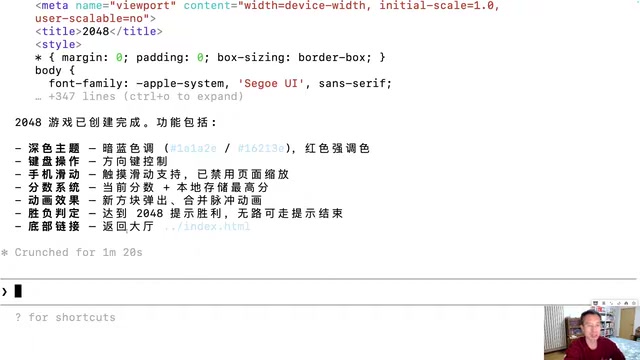
Generating 10 Web Games with One-Line Prompts: A Hands-On Claude Code Experience
A senior developer uses Claude Code to generate 10 playable web games including 2048, Gomoku, and Tetris with one-line prompts in under an hour. A deep dive into AI programming's real capabilities.
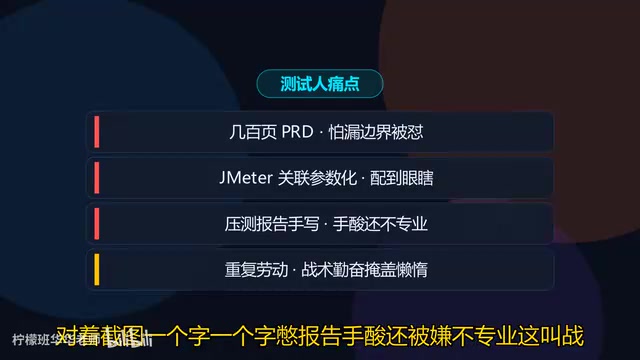
Five Essential Cursor Skills Every QA Engineer Needs: A Complete Breakdown
A detailed guide to five essential Cursor Skills for QA engineers: PRD analysis, test case generation, JMeter scripting, load test reports, and web automation.
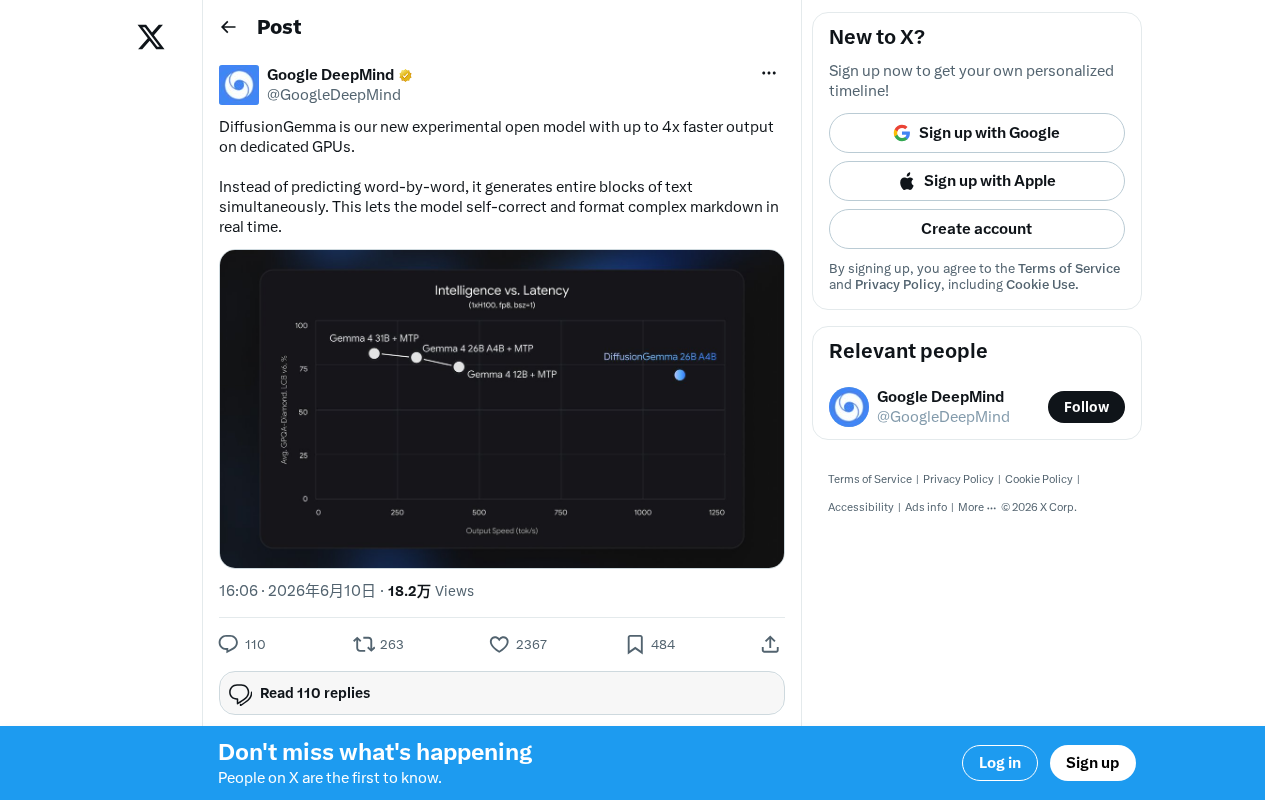
DiffusionGemma: Google's Open-Source Diffusion Language Model with 4x Faster Inference
Google releases DiffusionGemma, an open-source diffusion language model achieving up to 4x faster inference and real-time self-correction by generating text in parallel rather than token by token.