OpenAI Codex Profile Card Upgrade: Theme Matching and Virtual Pet Display Features Explained
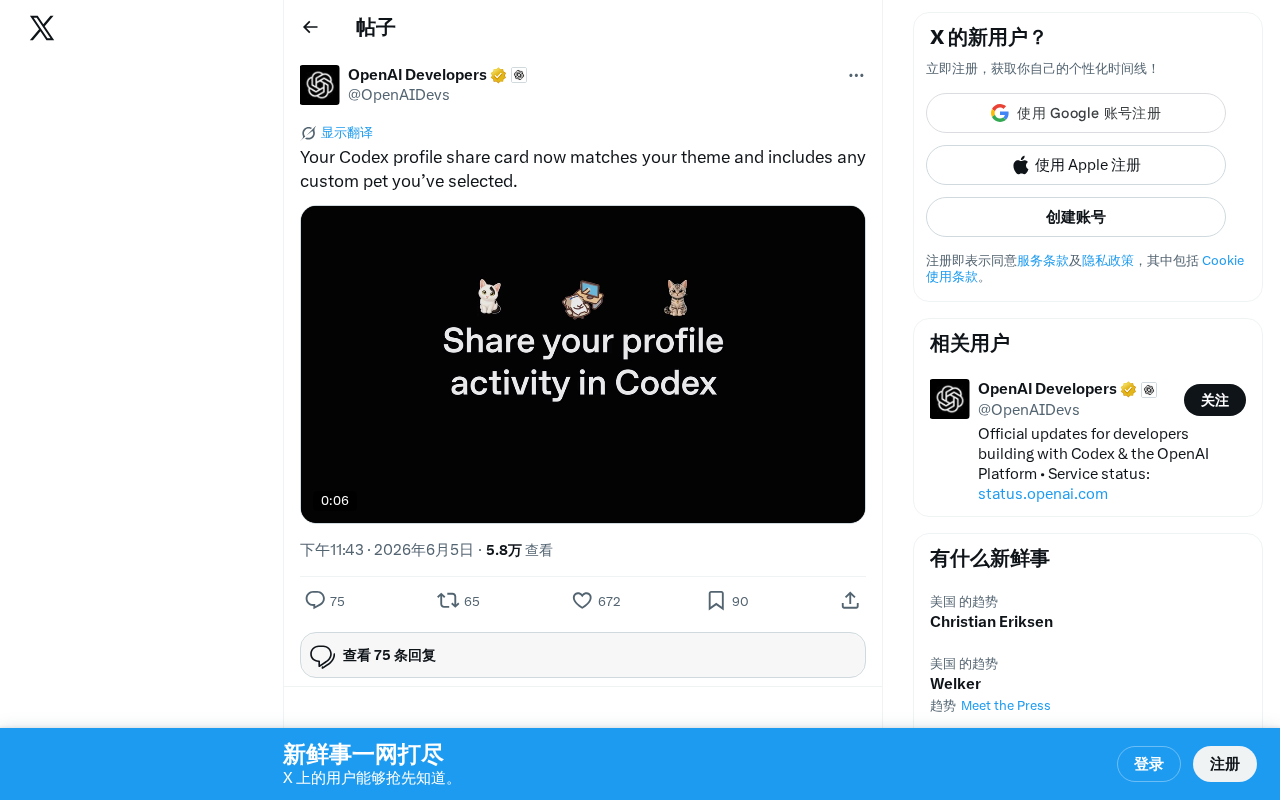
OpenAI Codex adds theme matching and virtual pet display to profile share cards.
OpenAI Codex has updated its Profile Share Cards with automatic theme matching and custom virtual pet display. Cards now reflect users' chosen interface themes for visual consistency, while virtual pets appear directly on shared cards. These gamification and personalization features aim to boost social sharing, user retention, and platform identity as AI coding assistant competition intensifies.
Feature Update Overview
OpenAI Codex recently rolled out a personalization update: users' Profile Share Cards now automatically match the theme style they've selected, and display their custom virtual pets.
OpenAI Codex is OpenAI's AI-powered programming assistant platform. It originally launched as a code generation model and has since evolved into an intelligent coding companion integrated into development environments. Built on the GPT series of large language models, Codex can understand natural language instructions and translate them into executable code. As the product has matured, Codex has moved beyond being a simple code completion tool, gradually building out a full product ecosystem that includes user profiles, community interaction, achievement systems, and more — attempting to transform from a pure productivity tool into a developer community platform.
Theme Matching: Visual Consistency for Share Cards
The core change in this update is the visual consistency of share cards. Previously, Codex's Profile Share Cards used a uniform default style, but now cards automatically adapt to the personalized theme users have set within Codex.
This means that when users share their Codex profiles, the card's color scheme and visual style will match their everyday interface, providing a more recognizable personal brand presentation. For developers who frequently share coding achievements on social media, this improvement makes shared content feel more distinctly personal.
Profile Share Cards are a widely adopted product design pattern in the social media era. From Spotify's year-in-review cards to GitHub's contribution heatmaps to fitness apps' workout achievement cards, this type of shareable visual content has become a key growth lever for products. The core logic is transforming user data into visual content with social currency value, leveraging users' organic sharing behavior to achieve low-cost brand awareness. Research shows that the more personalized the shared content, the stronger users' willingness to share.
Custom Pet Display: Gamification Meets Social Sharing
Another noteworthy feature is the integration of virtual pets. The custom pet users have selected in Codex now appears directly on their share cards.
This gamification element adds social appeal to what is otherwise a technically-oriented tool, reflecting OpenAI's product thinking around user retention and community engagement. Each share card becomes more lively and interesting thanks to the unique pet displayed.
Gamification refers to the design methodology of applying game design elements to non-game contexts. In the developer tools space, gamification has well-established precedents: GitHub's contribution calendar motivates developers to stay active through streak mechanics; Stack Overflow's reputation system and badge mechanics encourage knowledge sharing; Duolingo uses virtual pets and learning streaks to boost user retention. As an emotional design element, virtual pets can build an emotional connection between users and the product, and their nurturing mechanics can effectively improve daily active usage and long-term retention.
Product Strategy Analysis: The Bigger Picture Behind a Small Update
This seemingly minor UI update actually reveals several noteworthy product directions:
Social-Driven Organic Growth
The personalization of share cards is fundamentally about lowering the psychological barrier to sharing. When cards are more visually appealing and personally distinctive, users are more willing to showcase them on social media, driving organic word-of-mouth growth for Codex.
Deepening Gamification Mechanics
The virtual pet system itself is a gamification design, and integrating it into share cards further amplifies the mechanism's visibility and social value. Users can see their pets not only while using the tool, but also show them off to others when sharing.
Building User Identity
Through the combination of themes and pets, each user's share card becomes unique, helping to build a sense of belonging and identity with the platform. This makes Codex more than just a coding tool — it becomes a community with personality.
Summary
While this is just a minor feature iteration, it reflects a broader trend: as AI tools mature in functionality, they're increasingly focusing on user experience details and social sharing design. As competition in the AI coding assistant market intensifies, personalization features that boost user stickiness may become a critical dimension of differentiation.
The AI coding assistant market is currently in a phase of fierce competition. GitHub Copilot holds a first-mover advantage through its deep integration with VS Code; Cursor has risen rapidly with its AI-native IDE positioning; and products from major players like Google's Gemini Code Assist and Amazon's CodeWhisperer continue to push forward. As core code generation capabilities trend toward commoditization, competitive differentiation is shifting toward user experience, community ecosystems, and personalization features. Whoever can foster a stronger sense of platform belonging and usage habits among developers will hold the long-term advantage in this race.
Through detailed refinements like theme matching and pet display, OpenAI is making the Codex user experience more complete and appealing. This product evolution path — from tool to community, from functionality to emotion — may well be the key battleground in the next phase of AI coding assistant competition.
Related articles
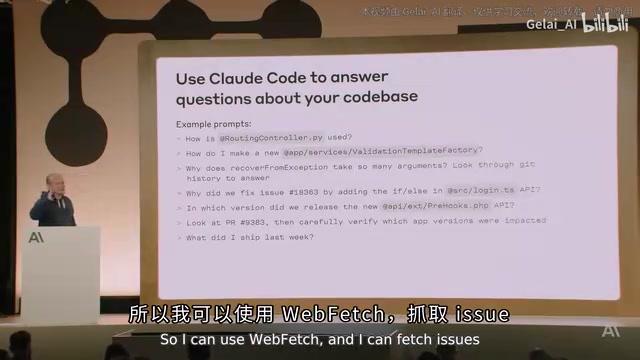
Straight from the Creator of Claude Code: Practical Tips for Using AI Coding Assistants Effectively
Claude Code creator Boris shares advanced tips: code Q&A, CLAUDE.md context management, parallel workflows, shortcuts, and expert-level practices.

OpenAI Stargate Michigan Data Center Breaks Ground: A Deep Dive into the 1GW Super Computing Facility
OpenAI's Stargate project breaks ground in Michigan, building a 1GW super data center with closed-loop cooling, thousands of union jobs, and $40M in free Codex credits for students.

OpenAI Codex Data Analytics Plugin in Practice: The Complete Workflow from Data Collection to Report Delivery
Deep dive into OpenAI Codex's Data Analytics Plugin: cross-system data integration, smart chart generation, data provenance, and Google Slides export reshaping analytics workflows.