OpenAI Voice Hackathon: 4 Real-Time Voice AI Projects Built in Just 6 Hours

OpenAI hosts voice hackathon as real-time voice AI moves from experimentation to real-world applications.
OpenAI hosted Voice Hack Night, a hackathon where teams built real-time voice agent projects targeting real-world scenarios in just 6 hours, with 4 advancing to finals. The event showcased the rapidly lowering barriers to voice AI development — thanks to OpenAI's Realtime API end-to-end architecture (compressing latency to under 300ms), developers can now build functional prototypes in minimal time. Voice AI is transitioning from experimentation to production, with the innovation bottleneck shifting from technical implementation to scenario discovery and product design.
A Competitive Night for Voice AI Developers
OpenAI recently hosted a hackathon focused on Realtime Voice Agents — the Voice Hack Night. Participating teams had just 6 hours to build AI projects based on real-time voice interaction around real-world use cases. In the end, 4 projects stood out and advanced to the finals.
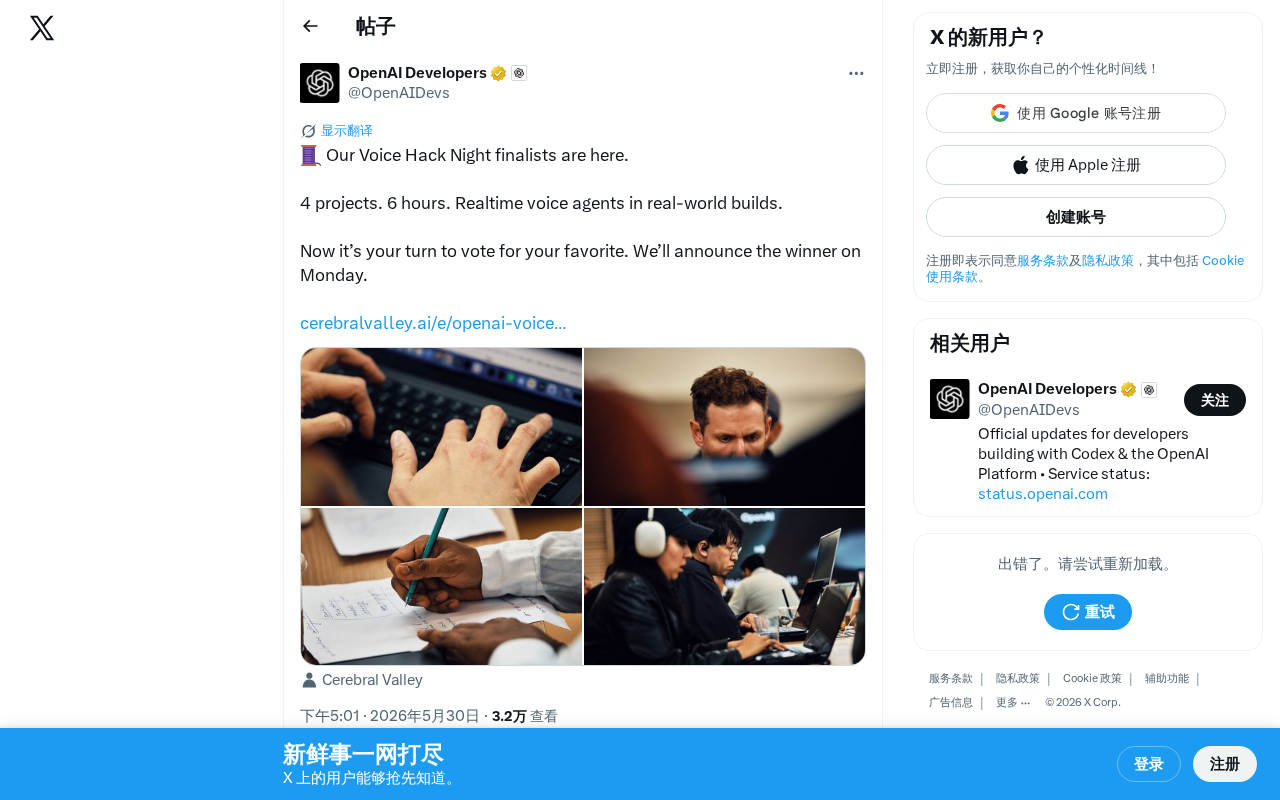
The key highlight of this event: none of the projects were concept demos — they were all real-world builds targeting actual needs. This marks a critical turning point as voice AI moves from the lab to production applications.
Why Real-Time Voice Agents Deserve Your Attention
The Paradigm Shift from Text to Voice
Over the past year, interaction methods with large language models have rapidly evolved from pure text to multimodal. Real-time voice agents represent the next frontier of human-computer interaction — users can engage in natural, fluid voice conversations with AI just as they would with a real person, no longer needing to type to convey intent.
Real-time voice agents are not a single technology, but an integration of a complex tech stack. The core architecture typically includes three key layers: the speech recognition layer (ASR, Automatic Speech Recognition), the language understanding and generation layer (LLM inference), and the speech synthesis layer (TTS, Text-to-Speech). Traditional voice AI systems process these three layers sequentially, with cumulative latency at each layer often pushing total response time beyond 2-3 seconds, severely degrading the conversational experience. OpenAI's Realtime API, launched in 2024, adopts an end-to-end voice processing architecture that passes audio input directly to the multimodal model, bypassing intermediate text conversion steps and compressing end-to-end latency to under 300 milliseconds — a critical technical breakthrough for achieving natural conversational experiences.
The technical difficulty of this shift far exceeds expectations. Real-time voice interaction requires overcoming several key challenges:
- Ultra-low latency response: Pauses exceeding a few hundred milliseconds in conversation feel unnatural to users
- Coordinated speech understanding and generation: Simultaneous processing of speech recognition, semantic understanding, response generation, and speech synthesis
- Context retention: Maintaining coherent context and memory across multi-turn conversations
- Interruption handling: Supporting users interrupting at any time, simulating the natural rhythm of real conversation
Among these, interruption handling is one of the most technically challenging features and a key differentiator in product experience quality. In real human conversation, listeners can interrupt speakers at any time — a mechanism linguists call "turn-taking." For AI voice systems, implementing this requires solving several technical problems: first, endpoint detection (Voice Activity Detection, VAD), where the system must determine in real-time whether the user has started speaking; second, interruption intent recognition, distinguishing genuine user interruptions from background noise; and finally, generation interruption, where the system must immediately stop current voice output and reset the conversation state. OpenAI's Realtime API includes built-in server-side VAD functionality, significantly reducing the engineering complexity for developers implementing interruption handling — one of the key enablers for building usable prototypes within 6 hours.
What 6-Hour Extreme Development Tells Us
The hackathon's 6-hour time constraint itself reveals an important trend: the barrier to building real-time voice AI applications is dropping rapidly. OpenAI's Realtime API is the core infrastructure underpinning this hackathon, officially opened to developers in October 2024. The API implements persistent connections via the WebSocket protocol, supporting bidirectional real-time audio streaming — fundamentally different from traditional HTTP request-response patterns. Developers can use this API to achieve real-time audio input and output streaming, Function Calling with external system integration, and server-side conversation state management. Thanks to this mature infrastructure, developers can now build functional voice interaction prototypes in extremely short timeframes.
The implication for the industry is clear — the explosion of voice AI applications may arrive sooner than expected. When development costs and timelines shrink dramatically, the bottleneck for innovation shifts from technical implementation to scenario discovery and product design.
Landing Scenarios and Application Prospects for Voice AI
High-Value Application Directions
While the specific details of the 4 finalist projects haven't been disclosed yet, given the "real-world builds" positioning, participating teams likely focused on several key directions:
- Intelligent customer service: Replacing traditional IVR systems with voice support that truly understands user intent
- Healthcare: Voice-driven health consultations, symptom screening, and medication reminders
- Education and training: Personalized voice tutoring and language learning companions
- Accessibility: Providing more natural technology interaction for visually impaired users and elderly populations
The replacement value in intelligent customer service is particularly significant. Traditional IVR (Interactive Voice Response) systems have been widely used in telephone customer service since the 1970s, operating through pre-recorded audio menus combined with DTMF keypad input or limited-vocabulary speech recognition. The core flaw of these systems: users must adapt to the machine's interaction logic, rather than the machine understanding natural human expression. Research data shows that over 60% of users attempt to say "transfer to agent" when using IVR systems, reflecting the user experience dilemma of traditional voice automation. Real-time voice agents based on large language models fundamentally overturn this logic — they can understand open-domain natural language input, handle ambiguous expressions, and maintain context across multi-turn conversations, making "machines adapting to humans" possible.
The Developer Ecosystem Is Maturing Rapidly
The hosting of such hackathon events reflects the rapid growth of the voice AI developer community. OpenAI's use of community voting to select final winners both enhances developer engagement and collects market preference signals for different application directions.
Outlook: Who Will Capture the Next High Ground in Voice AI
The maturation of real-time voice agent technology may redefine how we interact with the digital world. When voice interaction becomes sufficiently natural and intelligent, many scenarios currently dependent on screens and keyboards could be redesigned.
Competition in the voice AI space has formed a multi-layered market landscape. At the foundation model layer, OpenAI (GPT-4o voice mode), Google (Gemini Live), and ElevenLabs among others have each built differentiated technical moats. At the application layer, startups focused on voice agents — such as Bland AI, Vapi, and Retell AI — are rising rapidly, lowering enterprise deployment barriers by wrapping underlying APIs and providing more complete telephony system integration (such as SIP protocol connectivity) and business process management tools. Notably, Amazon's Alexa team is undergoing a major restructuring to catch up in the LLM era, while Google is leveraging its mobile ecosystem advantages to advance Gemini's voice interaction capabilities. The ultimate battleground in this competition likely won't be about who has the most advanced voice model, but rather who can first establish a data flywheel and user habits in specific vertical industries — whoever does may seize the advantage in the next wave of AI.
The winning projects will be announced on Monday, at which point we may gain clearer insight into where the developer community believes voice AI's most valuable application directions truly lie.
Key Takeaways
- OpenAI hosted the Voice Hack Night hackathon, with 4 real-time voice agent projects completed and advancing to finals within 6 hours
- All participating projects focused on real-world application scenarios, marking voice AI's transition from experimentation to production
- Real-time voice interaction faces multiple technical challenges including ultra-low latency, context retention, and interruption handling; OpenAI's Realtime API compresses latency to under 300ms through end-to-end architecture
- Building usable prototypes in 6 hours demonstrates that voice AI development barriers are dropping rapidly
- Voice AI is disrupting traditional IVR customer service systems; the application explosion may be accelerating, with the innovation bottleneck shifting from technical implementation to scenario discovery
Related articles
 Tech Frontiers
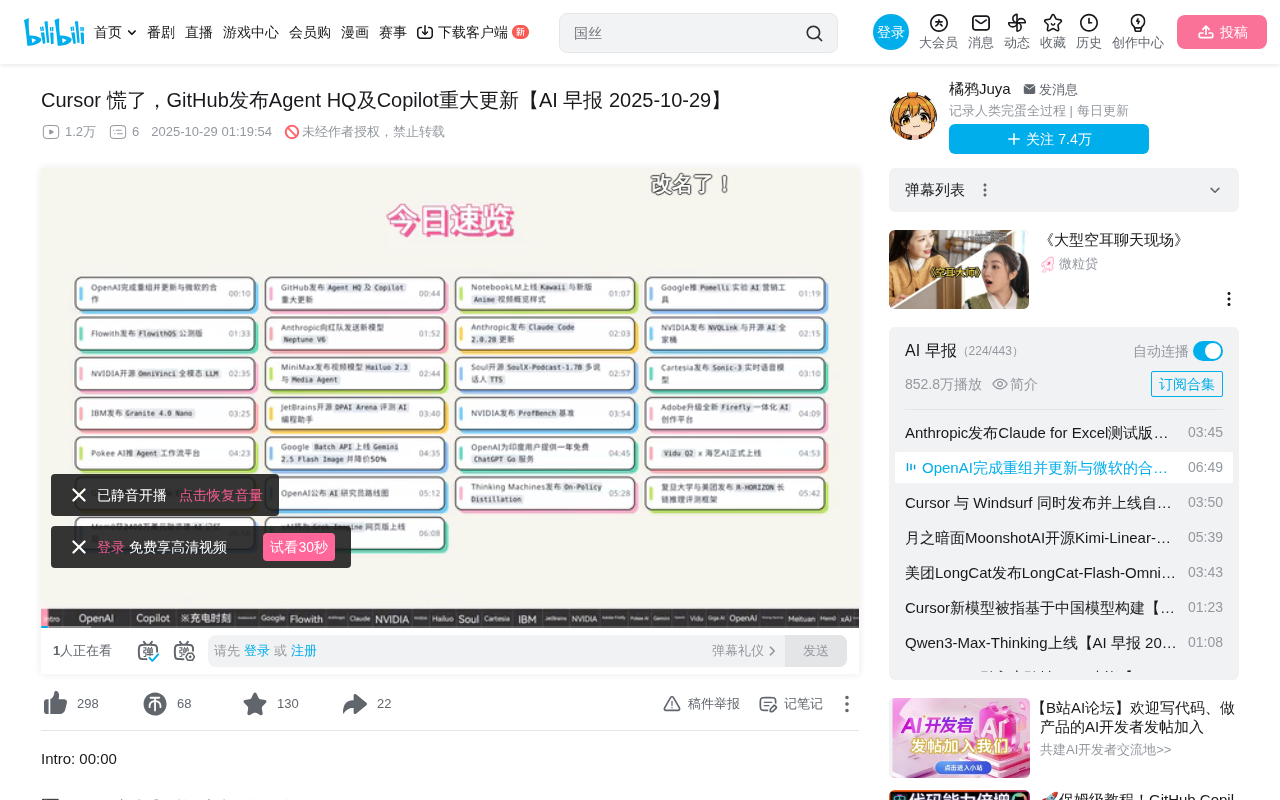
GitHub Agent HQ Launch: AI Coding Tools Enter the Era of Platform Competition
GitHub Universe unveils Agent HQ platform for unified coding agent management, Copilot upgrades with multi-model support. OpenAI completes restructuring, Anthropic tests new model, NVIDIA open-sources AI models.
 Tech Frontiers
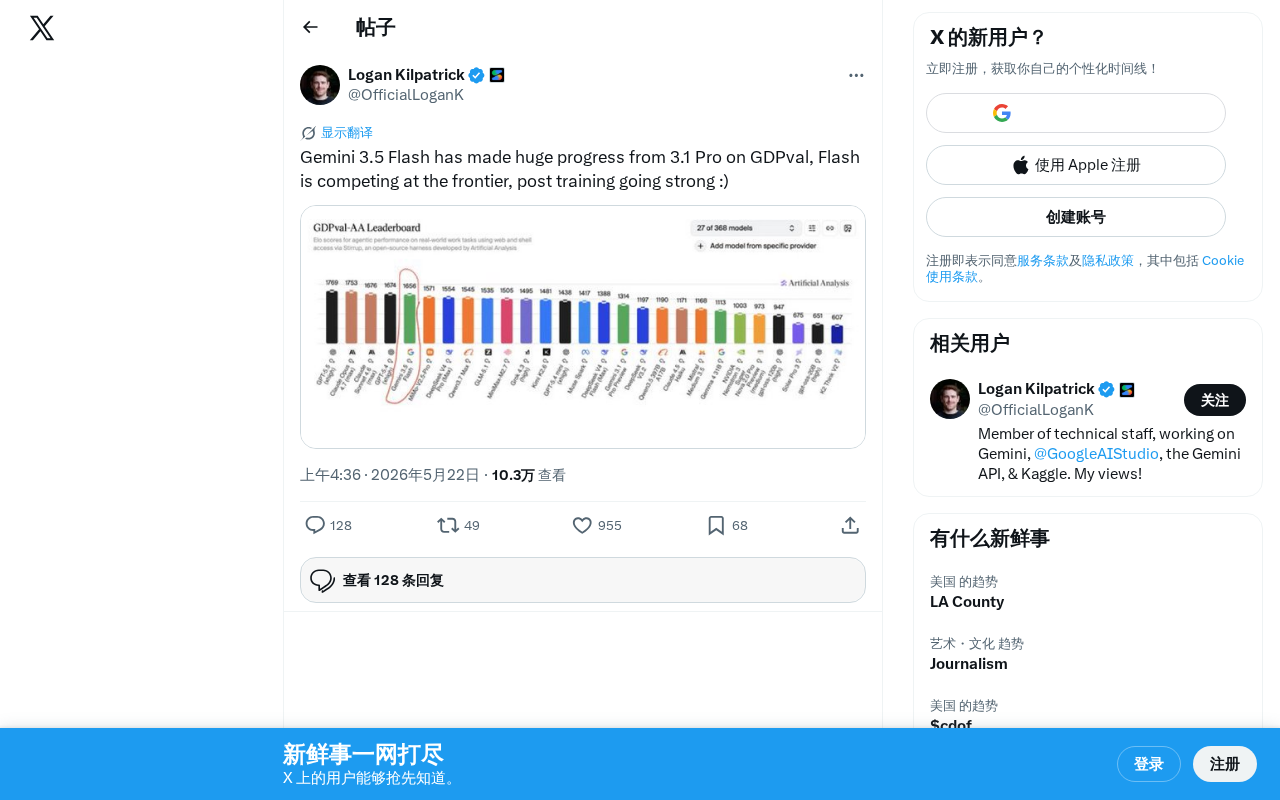
Gemini 3.5 Flash Achieves a Massive Leap on the GDPval Benchmark
Google Gemini 3.5 Flash surpasses Gemini 3.1 Pro on the GDPval benchmark. The lightweight Flash model leverages post-training techniques to approach frontier-level performance, redefining the balance between quality and cost.
 Tech Frontiers
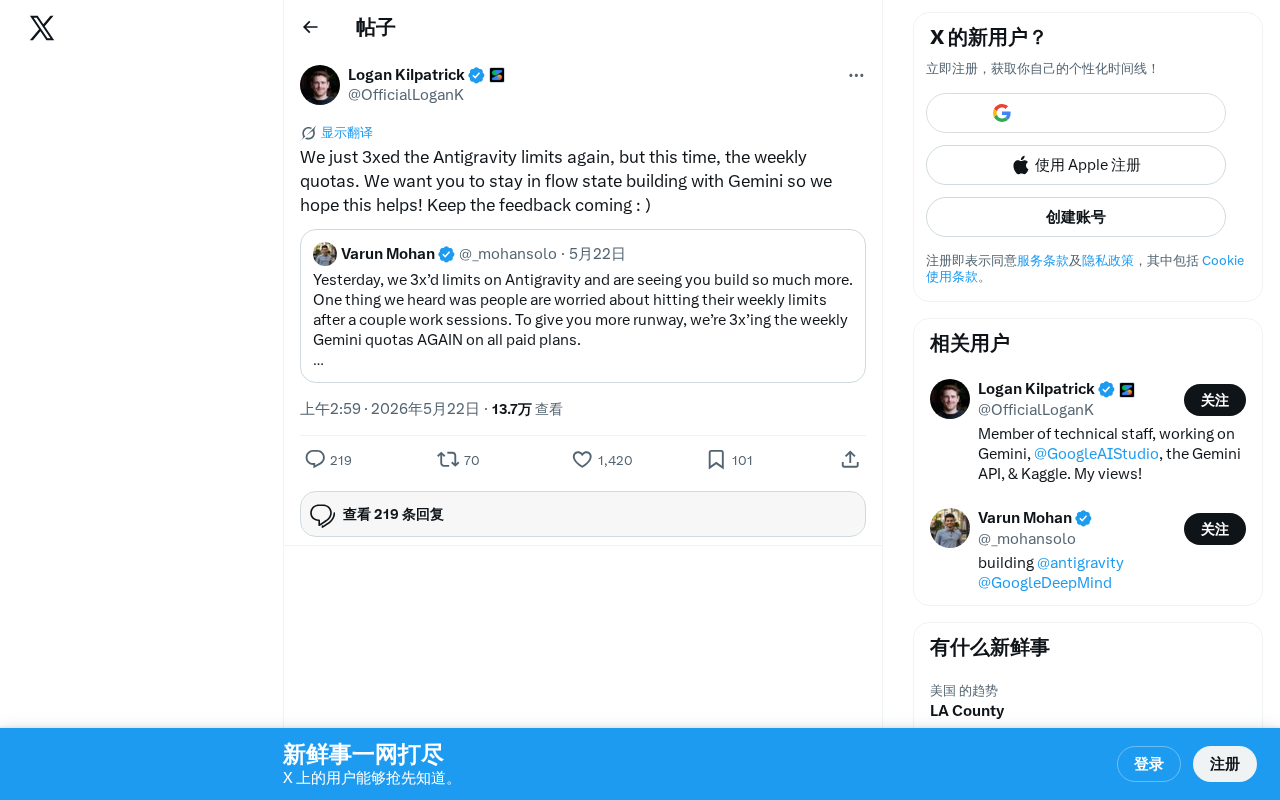
Google Gemini Antigravity Weekly Quota Tripled — AI Coding Without Limits
Google Gemini triples Antigravity weekly quotas following a prior daily quota boost. Analyzing the impact on developers and its strategic significance in AI coding.