The Complete Evolution of YOLO from V1 to V11: A Comprehensive Comparison of Architecture, Accuracy, and Speed

Introduces a new way to create technical videos using AI programming tools
This article introduces a novel approach to creating technical videos using Trae (an AI programming tool) and HyperFrames (a code-driven rendering framework). Unlike traditional editing software, this method leverages code-driven creation for precise detail control and professional-quality output, making it particularly well-suited for batch production of technical content such as model architecture explanations and data visualizations.
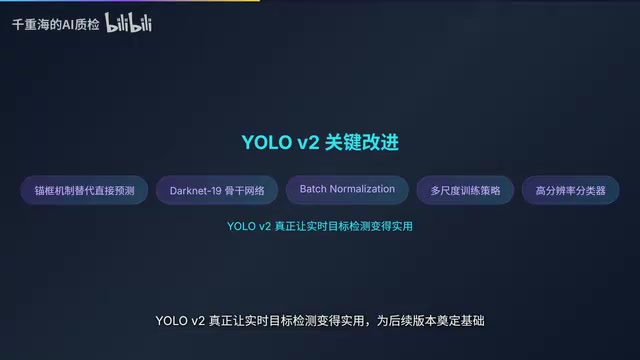
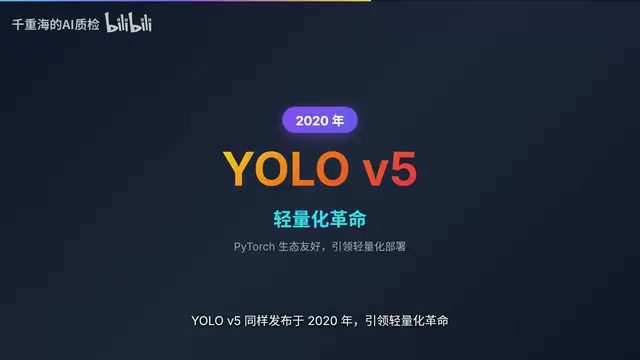
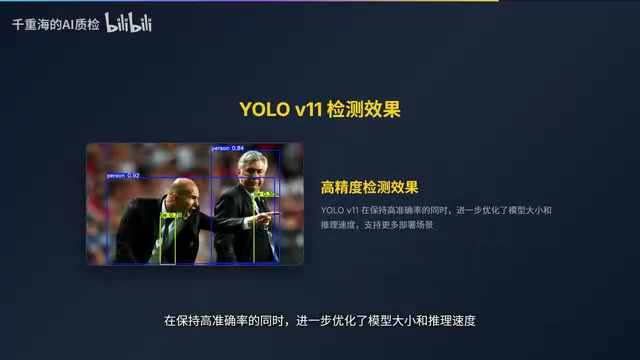
Introduction: A Brand-New Approach to Creating Technical Videos
Before diving into YOLO's technical evolution, it's worth highlighting the presentation approach used for this content — using Trae (an AI programming tool) + HyperFrames (a code-driven rendering framework) to produce technical visualization videos. Unlike traditional editing software such as CapCut, HyperFrames relies on code-driven creation, offering precise control over details and a polished, professional output. It's especially well-suited for batch production of technical content like model architecture explanations, data visualization demos, and educational knowledge content.
This "code as video"
Related articles
 Deep Dives
Deep Dive into How OpenClaw (Open-Source Crayfish) AI Agent Works
Deep analysis of OpenClaw AI Agent internals: System Prompt, tool calling, SubAgents, Skill system, memory, and Context Engineering explained.
 Deep Dives
Demystifying Transformer: A Word-Continuation Function, Deconstructed
Understand Transformer through the lens of word continuation. Breaking down language generation into Embedding, Transformer Block, and Probability output modules for intuitive understanding.
 Deep Dives
Five Core Differences Between Claude Code and Regular AI Chat
A detailed comparison of Claude Code vs regular AI chat across five dimensions: interaction, context understanding, execution, memory, and tool integration.