The Golden Age of the Early Internet: What Did We Really Lose?
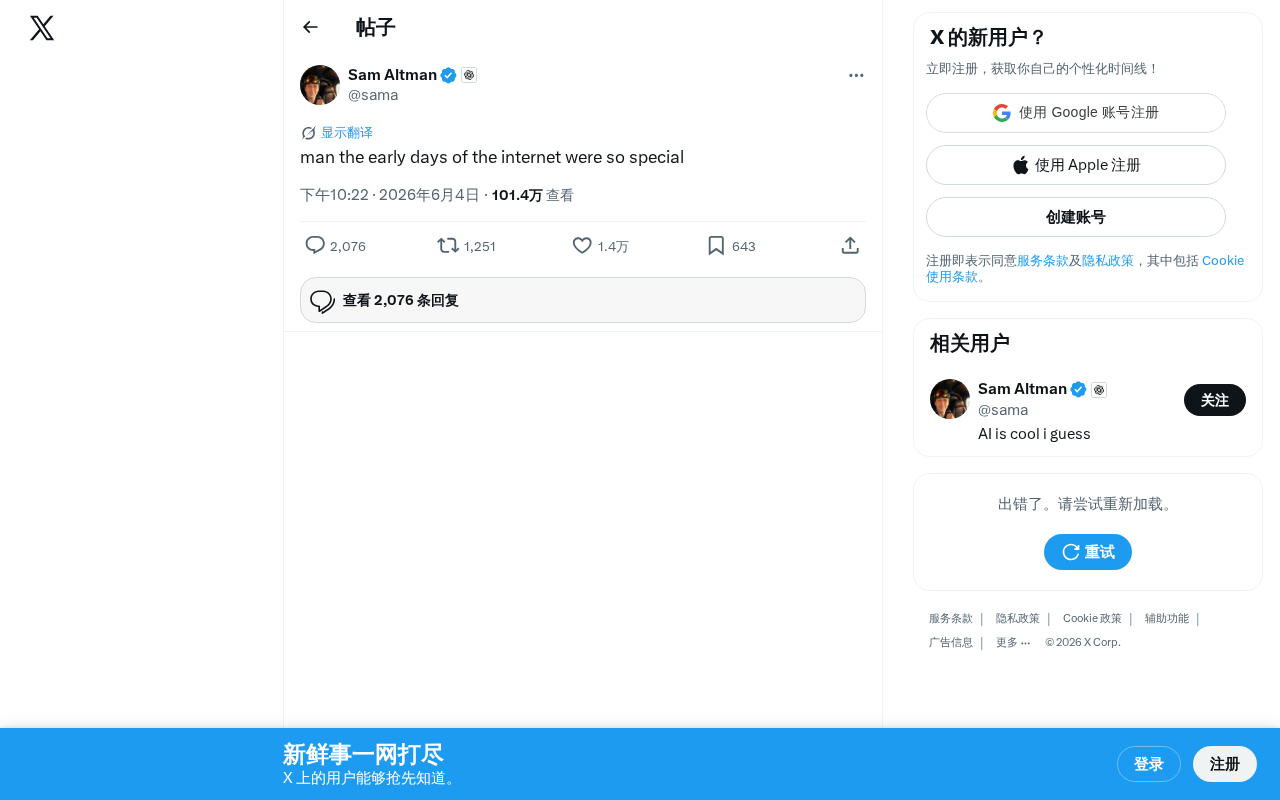
Reflecting on what made the early internet special and whether AI can revive that spirit.
This article explores the unique charm of the early internet — its creator spirit, serendipitous discovery, and open communities — and examines how platform monopolies, algorithmic feeds, and the attention economy eroded those qualities. It also considers whether AI-driven democratization of tools and open-source models might offer a chance to recapture the openness and creativity that once defined the web.
A Tweet That Sparked Collective Nostalgia
Recently, a short tweet resonated widely across social media: "man the early days of the internet were so special." This seemingly simple remark struck a nerve with countless longtime internet users and raised a question worth pondering — what exactly made the early internet so special? And what have we lost in the name of technological progress?
The Unique Charm of the Early Internet
The Creator Spirit and Pure Self-Expression
The internet of the late 1990s and early 2000s was a decentralized world built on personal homepages, forums, and blogs. People created websites not to monetize traffic, but out of a genuine desire to express themselves and share their passions. The colorful personal pages on GeoCities, the in-depth discussions across themed forums, the intellectual sparring in the blogosphere — these formed the most enchanting landscape of the early internet.
GeoCities was a free web hosting service founded in 1994 that let users choose different "communities" — virtual neighborhoods like Hollywood and SiliconValley — to build their personal homepages. At its peak, it was the third most visited website in the world, hosting over 38 million user pages. Yahoo acquired GeoCities in 1999 for $3.57 billion, but the platform gradually declined and was ultimately shut down in 2009. The demise of GeoCities is widely regarded as a major loss for early internet culture, as vast amounts of unique personal creations vanished with it. Fortunately, the nonprofit organization Archive Team managed to rescue approximately one terabyte of page data before the shutdown. This data remains accessible on the Internet Archive to this day, serving as a precious digital heritage of that era.
Back then, everyone was a creator. Learning HTML, building a personal website, writing a blog — these activities were ends in themselves. There were no recommendation algorithms, no anxiety over traffic metrics. The value of content was organically judged by the community.
The Sense of Exploration and Serendipitous Discovery
The early internet was more like an uncharted wilderness. You never knew what clicking the next link would reveal — perhaps an astronomy enthusiast's meticulously crafted star chart website, or a whimsical corner collecting cat photos from around the world. This experience of "digital wandering" has all but disappeared in today's algorithmically curated filter bubbles.
What Did We Actually Lose?
From the Open Web to Walled Gardens
Today's internet is dominated by a handful of super-platforms. Content creation has migrated from personal websites to social media. RSS subscriptions have been replaced by algorithmic recommendations. Users have gone from being owners of their own websites to being products of platforms. The once-open hyperlinked web has gradually been supplanted by closed app ecosystems.
RSS (Really Simple Syndication) is an XML-based content distribution protocol born in 1999 that allowed users to actively subscribe to website updates through RSS readers (such as Google Reader and Feedly). The core philosophy of RSS was that users had complete control over their information sources — no algorithmic interference, no ad insertion, content presented in chronological order. The shutdown of Google Reader in 2013 is widely seen as the landmark event signaling the end of the RSS era, symbolizing a fundamental shift in information consumption from "user-initiated pull" to "platform-driven algorithmic push." Under the algorithmic recommendation model, platforms decide what content to display based on user behavioral data, optimizing for maximum screen time rather than information quality. This directly gave rise to the "filter bubble" effect — users become trapped in information environments that only reinforce their existing views, their horizons paradoxically narrowing as technology advances.
The concept of the "Walled Garden" originally comes from the telecommunications industry, referring to a service provider's closed control over applications, content, and media. In the internet context, it specifically refers to the closed ecosystems built by super-platforms like Facebook, WeChat, and TikTok. These platforms lock users' social relationships, content creation, and consumption behaviors within their own systems through proprietary APIs, closed content formats, and restrictions on external links. This stands in direct opposition to the open web philosophy championed by World Wide Web inventor Tim Berners-Lee — the idea that anyone can freely link to any webpage via hyperlinks. In recent years, Berners-Lee launched the Solid project, attempting to give users back control of their data through decentralized data storage. However, in the face of the powerful network effects of the platform economy, realizing this vision remains a long and difficult road.
What does this shift mean? It means we no longer own our digital spaces. Our content, social connections, and even our attention are stored on someone else's servers, subject to disappearing at any moment due to changes in platform policies.
The Erosion of Community Culture by Commercialization
When every click is quantified as data and every piece of content is evaluated for commercial value, the atmosphere of internet communities changes accordingly. The early spirit of creating "for the love of it" has been replaced by KPI-driven content production. Interaction has shifted from genuine exchange to performance optimized for engagement rates.
Behind this lies the total triumph of the "Attention Economy." This concept was first articulated by Nobel laureate Herbert Simon in 1971, when he observed that "a wealth of information creates a poverty of attention." In the digital age, user attention has become the core commodity that platforms sell to advertisers. Former Google design ethicist Tristan Harris detailed in the documentary The Social Dilemma how tech companies exploit psychological principles like variable reward mechanisms and the need for social validation to maximize screen time. The consequences of this model are systemic: content creators are forced to cater to algorithmic preferences rather than express themselves authentically, clickbait and emotionally charged content receive more distribution, and deep content and niche interests are marginalized. Scholar Shoshana Zuboff systematically defined this phenomenon as "Surveillance Capitalism" — human experience is unilaterally converted into behavioral data used to predict and guide user behavior, ultimately serving commercial profit.
The AI Era: A New Turning Point?
The Return of Technological Democratization
Interestingly, the proliferation of AI technology is, in a sense, reviving the spirit of the early internet. AI is lowering the barriers to creation, enabling more people to turn ideas into reality — much like how Dreamweaver once empowered ordinary people to build websites.
Dreamweaver was a WYSIWYG (What You See Is What You Get) web editor released by Macromedia in 1997, later incorporated into Adobe's product line when Adobe acquired Macromedia. Before its arrival, building a webpage required hand-coding HTML, which posed a significant technical barrier for average users. Dreamweaver's visual drag-and-drop interface allowed non-programmers to create web pages, greatly accelerating the spread of personal websites. This thread of tool democratization continues to this day: from WordPress (2003) making blog setup simple, to Squarespace and Wix enabling website creation without any code, to today's AI coding assistants that let ordinary people develop applications — each generation of tools has lowered the barrier to digital creation. Today's AI writing, AI art, and AI coding tools are essentially continuing the same technological path of "empowering ordinary people."
The flourishing of open-source AI models also echoes the open spirit of the early internet. Projects like Meta's LLaMA series, Stability AI's Stable Diffusion, and Mistral AI's open-source large language models are making AI capabilities — once accessible only to a handful of tech giants — available to society at large. This is a direct continuation of the early internet's open-source movement — open-source projects like the Linux operating system, the Apache web server, and the Mozilla browser were the key forces that built the early internet's infrastructure. The Hugging Face platform has become the "GitHub" of the AI field, hosting hundreds of thousands of open-source models and fostering a vibrant developer community. However, open-source AI also faces deeper controversies: the enormous computational resources required for model training remain concentrated in the hands of a few companies, and whether "open source" is merely a competitive strategy for big corporations rather than genuine technological democratization remains an ongoing debate in the industry.
Can We Recapture That "Special" Feeling?
The "special" quality of the early internet essentially stemmed from three elements: low commercial pressure, high creative freedom, and authentic human connection. As AI reshapes the internet today, we may have an opportunity to rethink: technology should serve human creativity and the need for connection, not merely serve the attention economy.
Conclusion: Nostalgia as a Path Forward
Nostalgia is not the goal — reflection is. The spirit of the early internet — openness, creativity, sharing, exploration — has not died. It has merely been temporarily obscured by commercial logic. Every technological revolution is an opportunity to choose anew. At the dawn of the AI era, we have a responsibility to ask: how can we make the next chapter of the internet equally "so special"?
Related articles
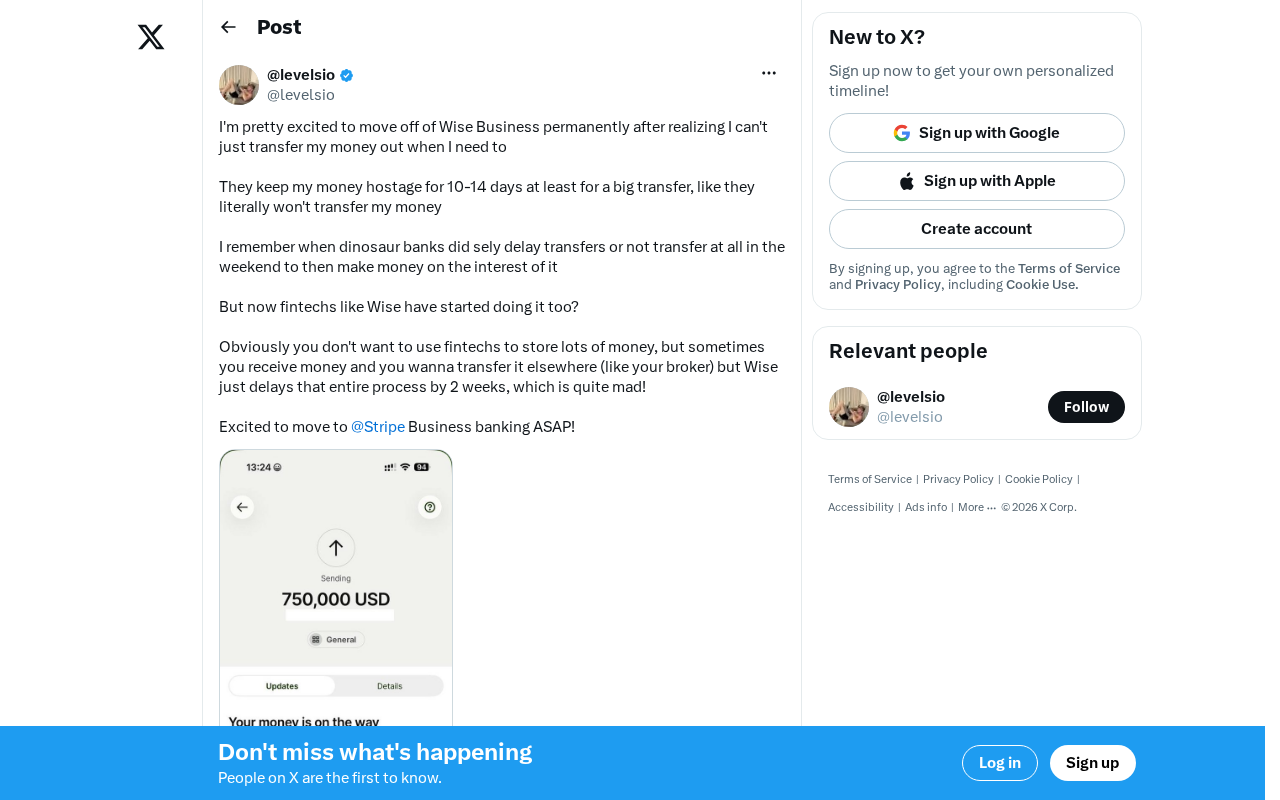
Wise Large Transfer Delayed Two Weeks: How Should Cross-Border Entrepreneurs Respond?
Wise Business users face 10-14 day delays on large transfers, sparking debate on whether fintech is repeating traditional banking mistakes. Analysis and practical tips for cross-border entrepreneurs.
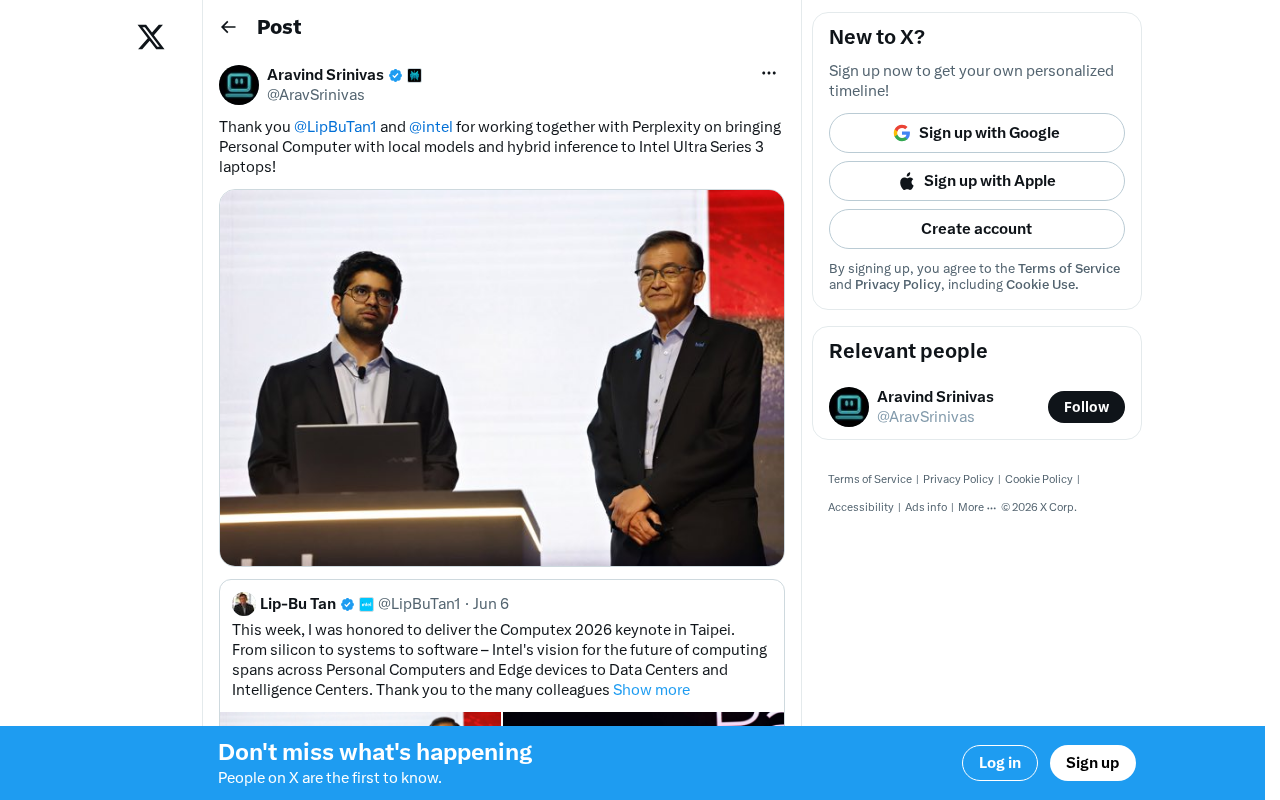
Perplexity Partners with Intel: Local AI Models and Hybrid Inference Come to Laptops
Perplexity partners with Intel to bring local AI models and hybrid inference to Core Ultra Series 3 laptops. We break down the architecture, NPU capabilities, and the cloud-to-edge AI trend.

AI Large Model Learning Roadmap Breakdown: Three Stages from Application Development to Model Fine-Tuning
Deep breakdown of a popular AI large model learning roadmap covering LangChain, RAG, Agent, and LoRA fine-tuning across three stages, with analysis of its strengths and limitations for career changers.