Trump Administration Pressures Anthropic, Reshaping the AI Industry's Competitive Landscape
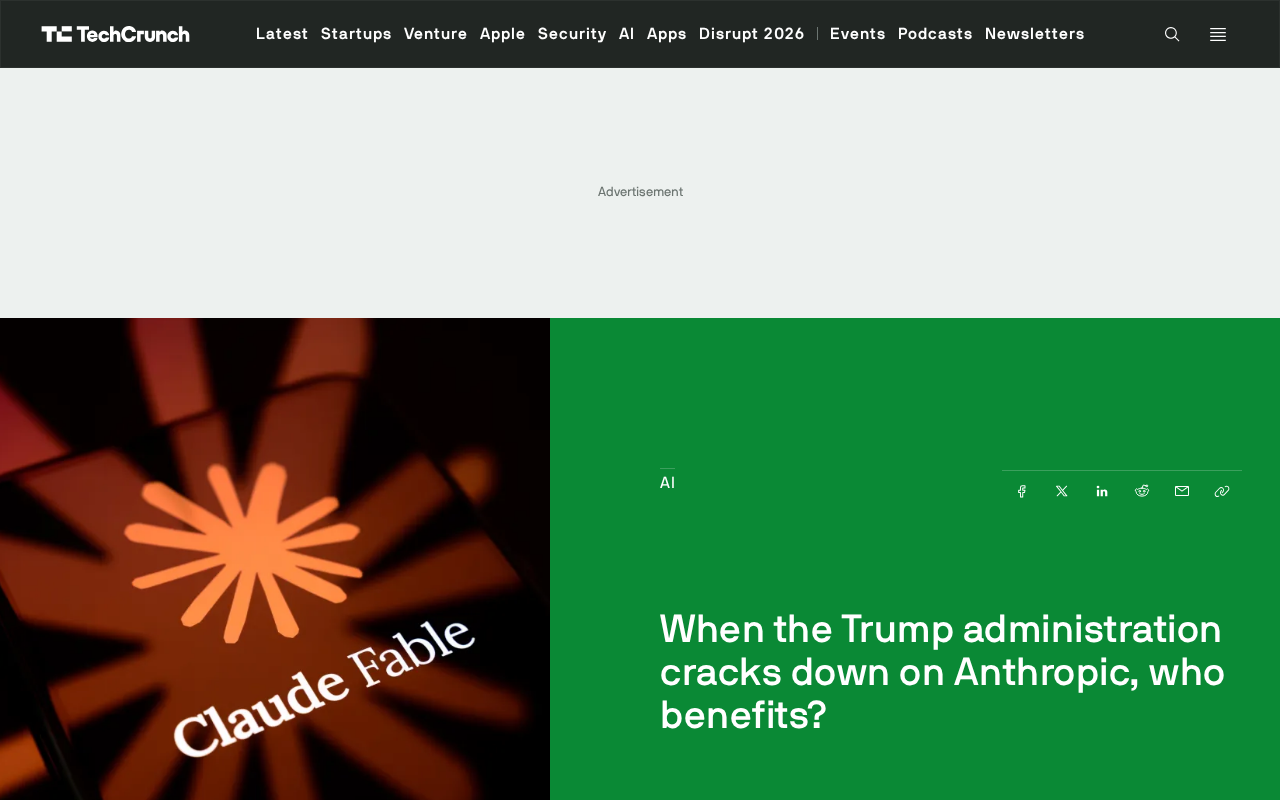
Trump administration pressures Anthropic, reshaping AI competition and threatening the industry's safety agenda.
The Trump administration's pressure campaign against Anthropic reflects deepening tensions between political power and AI development. As the government targets a company known for prioritizing AI safety, competitors like OpenAI, xAI, and Meta AI stand to benefit. The move threatens to undermine industry self-regulation and could fragment global AI governance as other nations accelerate their own regulatory frameworks.
Background
Recently, the Trump administration has launched a new round of pressure against AI company Anthropic, a move that has quickly drawn widespread attention across the tech industry. According to the latest episode of the tech podcast Equity, the motivations behind this government action and its potential impact on the entire AI ecosystem warrant a closer look.
Why Is the Government Targeting Anthropic?
Anthropic's Background and Technical Positioning
Anthropic was co-founded in 2021 by former OpenAI Vice President Dario Amodei and his sister Daniela Amodei, with a core team largely drawn from OpenAI. The company was established precisely because of dissatisfaction with OpenAI's increasingly commercial approach to safety issues. Anthropic's flagship Claude series of large language models employs a unique training method called "Constitutional AI," which guides model outputs through a predefined set of behavioral principles rather than relying solely on Reinforcement Learning from Human Feedback (RLHF). As of 2024, Anthropic has raised over $7 billion in funding, with Amazon as its largest single investor at up to $4 billion, and Google contributing over $2 billion.
The Interplay of Political Stance and Business Interests
As OpenAI's primary competitor, Anthropic has long championed "AI safety" as its core philosophy. However, in the current U.S. political climate, this emphasis on safety and regulation stands in stark contrast to the Trump administration's "deregulate and innovate" agenda.
The Trump administration has consistently advocated for reducing regulatory burdens on tech companies, arguing that excessive safety restrictions hinder America's global competitiveness in AI. This position has a clear policy backdrop: in early 2025, Trump signed an executive order revoking Biden-era Executive Order 14110 on AI safety, which had required developers of large AI models to report safety test results to the government before release. In its place came a policy framework favoring industry freedom, emphasizing America's "absolute leadership" in AI. Behind this policy shift lies both ideological motivation — the belief that regulation stifles innovation — and practical geopolitical concerns about China's rapid advances in AI. Anthropic's active participation in AI safety policy advocacy and its support for certain regulatory frameworks have made it a potential target for political pressure.
The Politicization of AI Industry Competition
You may not have noticed, but the relationships between major AI players and political forces have become increasingly complex. Musk's xAI, OpenAI with its deep ties to Microsoft, and Anthropic backed by massive investments from Amazon and Google — each operates within a distinctly different web of political and business connections.
The political-business relationships in the U.S. AI industry have formed an intricate network of interests. Musk serves as head of the Department of Government Efficiency (DOGE) during Trump's second term, while his xAI company's Grok model is directly embedded in the X platform (formerly Twitter) — a dual political-business role that has raised widespread conflict-of-interest concerns. On OpenAI's side, CEO Sam Altman donated $1 million to Trump's inaugural fund and has actively pursued a cooperative relationship with the government. Meta's Zuckerberg began a noticeable pivot in late 2024, adjusting the platform's content moderation policies and publicly voicing support for reduced AI regulation. These political-business interactions are profoundly reshaping the competitive rules of the AI industry. When the government selectively pressures one company, other competitors naturally become potential beneficiaries.
Who Stands to Benefit?
A Window of Opportunity for Direct Competitors
If Anthropic faces constraints under policy pressure, the most direct beneficiaries could include:
- OpenAI: As the largest direct competitor, any move that weakens Anthropic could create greater market space for OpenAI
- xAI: Musk's close relationship with the Trump administration puts it in a clearly advantageous position
- Meta AI: Zuckerberg's recent strategy of cozying up to the government could pay off at this juncture
Deeper Impacts Beyond Short-Term Competition
However, the long-term impact of such political intervention on the AI industry runs far deeper than short-term shifts in competitive dynamics. When the government begins selectively targeting specific AI companies, the entire industry's innovation environment is affected. Investors may reassess their strategies for investing in safety-oriented AI companies, and talent flows could shift significantly as a result.
The Impact on the AI Safety Agenda
The Dilemma Facing AI Safety Advocates
Anthropic has been a leader in AI safety research, and its "Responsible Scaling Policy" is widely regarded as an industry benchmark. The core mechanism of this policy establishes a series of "AI Safety Levels" (ASL), similar to the tiered Biosafety Level (BSL) system. Each level corresponds to different degrees of model capability and potential risk. When a model's capabilities approach a certain safety threshold, the company must implement corresponding safety evaluations and safeguards before deployment. For example, ASL-3 requires strict output controls in sensitive areas such as cybersecurity and bioweapons knowledge. The significance of this framework lies in its attempt to establish a quantifiable, enforceable set of industry safety standards without relying on mandatory government regulation, providing a replicable template for other AI companies.
If government pressure forces the company to weaken its safety commitments or adjust its strategic direction, the entire AI safety research ecosystem will face cascading consequences.
The Future of Industry Self-Regulation
This incident also raises a more fundamental question: can the AI industry's self-regulatory mechanisms still function effectively when political forces are deeply involved? When "putting safety first" could invite political retaliation, will other companies still be willing to maintain high standards of safety investment?
Outlook and Reflections
The Trump administration's pressure on Anthropic may appear to be a policy action targeting a single company, but it actually reflects a deeper tension between political power and technological development in AI governance. How this situation unfolds will largely shape the future trajectory of the U.S. AI industry.
For practitioners tracking global AI developments, this event also provides an important observation window — when the world's largest AI market fractures internally due to political factors, the international AI competitive landscape may see new variables and opportunities. Notably, shifts in U.S. domestic AI policy are reverberating globally. The EU officially passed the AI Act in 2024, establishing the world's first comprehensive legal framework for AI regulation with strict compliance requirements for high-risk AI systems. China has adopted a "balanced development and security" approach, implementing targeted regulations such as the Interim Measures for the Management of Generative AI Services. When the U.S. weakens its safety orientation due to political factors, "regulatory arbitrage" may emerge: companies could relocate high-risk R&D activities to regions with looser regulations, while other countries and regions may accelerate the development of their own AI safety standards — ultimately leading to fragmentation of global AI governance.
Related articles
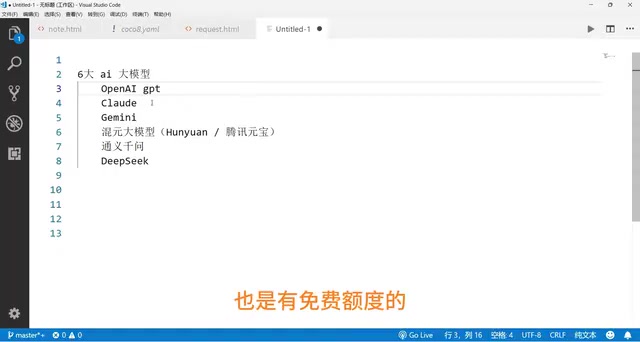
GPT, Claude, Gemini vs. China's Top Three: A Complete Comparison of Coding Ability, Chinese Language Performance & Pricing
A side-by-side comparison of GPT, Claude, Gemini, Tencent Hunyuan, Qwen, and DeepSeek across coding ability, Chinese language performance, and API pricing to help you find the best fit.
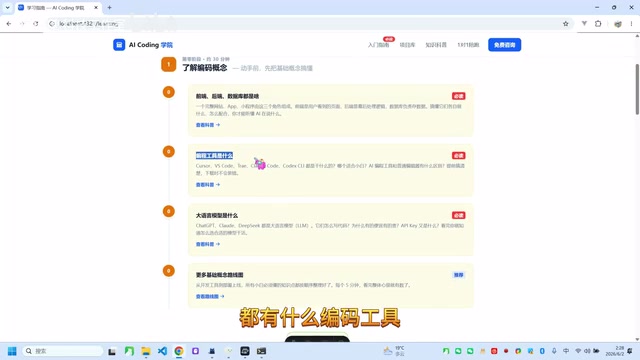
Learn to Code with AI from Scratch: A Complete Learning Path from Beginner to Deployment
A complete learning path for coding with AI from scratch — from concepts and environment setup to using Cursor, Claude, and other AI tools to build and deploy your first project.
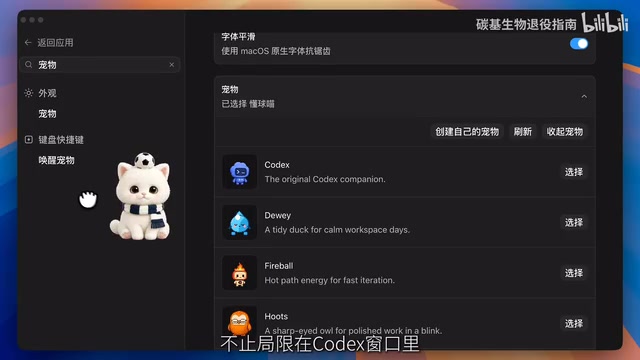
Codex Hands-On from Scratch: Building a Full-Stack World Cup App Without Writing Code
Learn how to build a full-stack World Cup app with OpenAI Codex without writing code, covering multi-session concurrency, MCP voice synthesis, Skill encapsulation, and scheduled task automation.